What are the benefits of attracting frogs and toads to garden?
Eco-friendly pest control and ecosystem balance
Frogs and toads are fantastic garden helpers. I’ve found they eat tons of pests that damage plants.
One frog or toad can eat up to 10,000 pests during a single garden season. This means less need for pesticides and healthier plants.
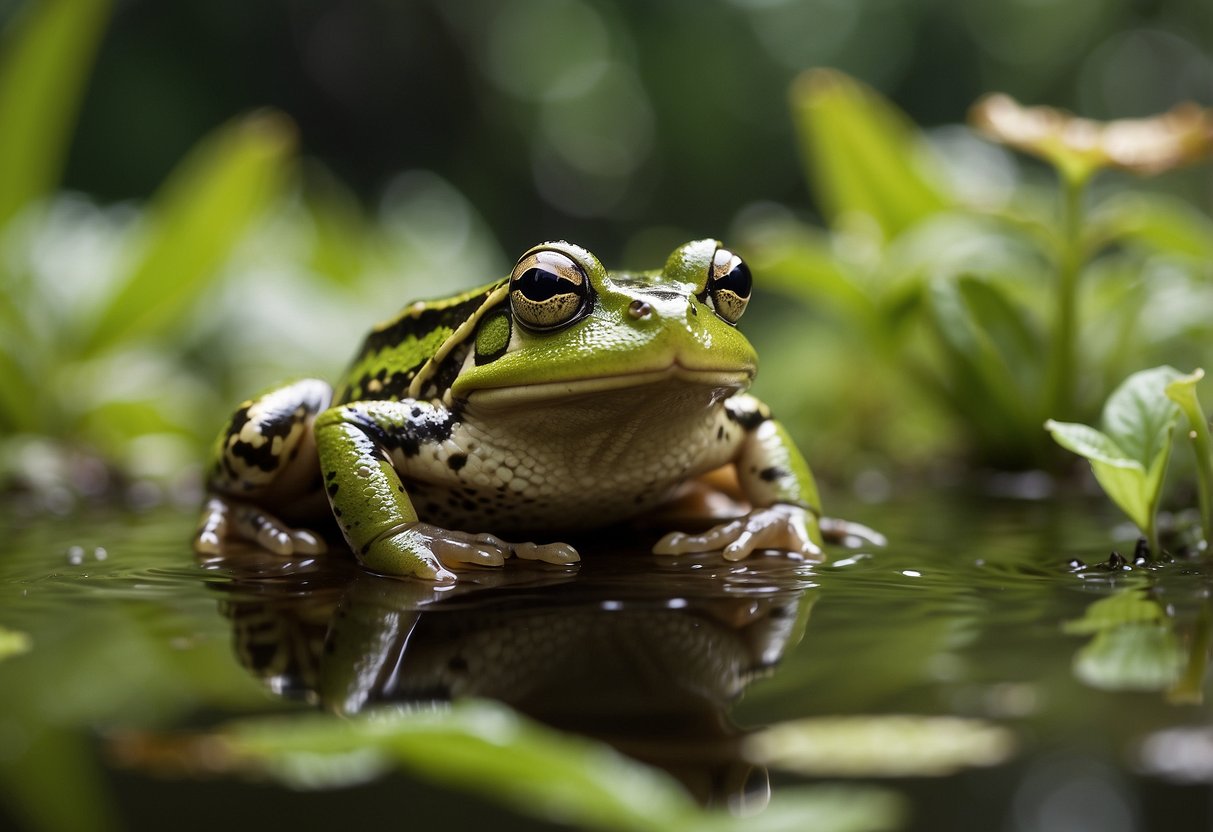
These amphibians also make great natural pest control. They love to munch on mosquitoes, slugs, and other bugs that can be a nuisance.
Plus, frogs and toads often return to the same spot year after year if they like the habitat. This creates a long-term solution for pest management in my garden.
I enjoy watching and listening to frogs and toads too. Their presence adds life to my garden and creates a more diverse ecosystem.
It’s fun to spot them hopping around or hear their calls on summer evenings.
Key Takeaways
- Frogs and toads eat thousands of garden pests, reducing the need for pesticides
- These amphibians provide natural mosquito control and return to gardens year after year
- Having frogs and toads creates a more diverse garden ecosystem and can be fun to observe
Ecological Benefits of Amphibians in Gardens
Frogs and toads play crucial roles in garden ecosystems. They offer natural pest control, boost biodiversity, and support plant pollination. Let’s explore these benefits in more detail.
Pest Control
Frogs and toads are excellent natural pest controllers. They eat a wide variety of insects, including many that can harm garden plants.
Toads are especially valuable in the garden. They have hearty appetites and can consume up to 100 insects per night. This includes slugs, snails, and harmful beetles.
Frogs also help keep mosquito populations in check. They eat both adult mosquitoes and their larvae. This can make your garden more enjoyable for you and your family.
By relying on these amphibians for pest control, I can reduce or eliminate my use of chemical pesticides. This creates a healthier environment for plants, wildlife, and humans.
Biodiversity Enhancement
Attracting amphibians to my garden increases its biodiversity. This makes the ecosystem more resilient and stable.
Frogs and toads serve as food for many other animals. Birds, snakes, and small mammals all prey on amphibians. By providing habitat for frogs and toads, I’m also supporting these other wildlife species.
Amphibians are also indicators of environmental health. Their presence suggests that my garden has clean water and air. If frog populations decline, it could be an early warning sign of environmental issues.
Plant Pollination Support
While not as well-known as bees or butterflies, some frogs and toads do support plant pollination. They play an indirect but important role in this process.
Many amphibians eat insects that might otherwise prey on pollinators. By keeping these predator populations in check, frogs and toads help protect bees, butterflies, and other pollinating insects.
Some tree frogs even directly pollinate plants. As they move from flower to flower in search of insects, they can transfer pollen. While this isn’t their primary function, it’s an added benefit to having these amphibians in my garden.
Soil and Plant Health
Frogs and toads play a key role in improving soil health and boosting plant growth in gardens. They contribute to soil aeration and help cycle nutrients naturally.
Soil Aeration
When frogs and toads hop around my garden, they create small holes in the soil. This helps aerate the ground, allowing more oxygen to reach plant roots.
Better aeration leads to healthier root systems and stronger plants overall.
I’ve noticed that areas where frogs frequent tend to have looser, less compacted soil. This makes it easier for water and nutrients to penetrate deeply. Plants in these spots often show more vigorous growth.
Frog burrows also increase water infiltration during rainy periods. This reduces runoff and helps my garden retain moisture more effectively.
Nutrient Cycling
Frogs and toads are natural pest controllers in my garden. They eat insects and other small invertebrates, then excrete nutrient-rich waste back into the soil.
This process recycles nutrients and enriches the garden ecosystem.
Their droppings contain nitrogen, phosphorus, and other essential elements that plants need. I’ve found this organic fertilizer to be particularly beneficial for my vegetable beds and flowering plants.
By consuming pests, frogs also prevent excessive leaf damage. This allows plants to photosynthesize more efficiently and produce healthier growth.
Water Quality and Mosquito Control
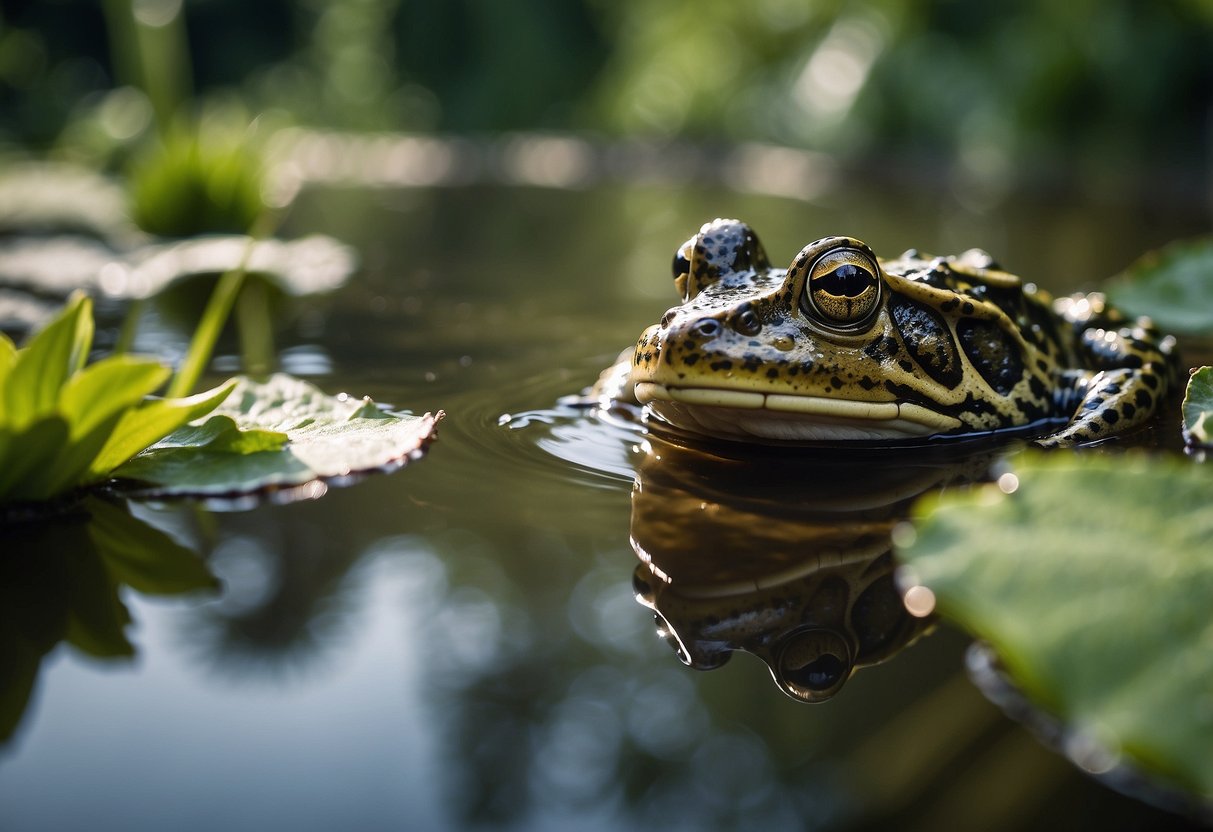
Frogs and toads help keep water clean and reduce mosquito populations naturally. Their presence can improve ponds and control pests without chemicals.
Natural Mosquito Abatement
Frogs and toads are natural predators of mosquitoes. They eat mosquito larvae in water and adults on land. This helps control mosquito populations in my garden without pesticides.
I’ve noticed fewer mosquito bites since attracting frogs to my yard. Adult frogs can eat hundreds of mosquitoes each night. Tadpoles also feed on mosquito larvae in ponds and standing water.
By encouraging frogs, I create a natural defense against these annoying and potentially disease-carrying pests. This makes my outdoor spaces more enjoyable and reduces health risks.
Algae Control in Water Features
Frogs and toads help keep garden ponds clean. Tadpoles eat algae, which prevents excessive growth in water features.
This natural algae control keeps my pond water clearer without chemicals. It reduces the need for manual cleaning and maintenance of my water features.
Frog waste also adds nutrients to the water, feeding plants and creating a balanced ecosystem. This cycle helps maintain water quality in my garden pond or water feature naturally.
Garden Aesthetics and Observation
Frogs and toads can make your garden more beautiful and fun to watch. They add life and interest to outdoor spaces.
Natural Beauty Enhancement
Frogs and toads bring natural charm to gardens. Their presence makes outdoor areas feel more alive and connected to nature.
I’ve noticed that ponds or water features with frogs look more complete and serene. Even a simple terra-cotta saucer with water can become a focal point when frogs visit.
Toads blend in nicely with garden decor. Their earthy colors complement rocks, mulch, and plants.
At night, the gentle croaking of frogs adds a peaceful soundtrack to the garden. This natural ambiance can make spending time outdoors more relaxing and enjoyable.
Wildlife Watching Opportunities
Having frogs and toads in the garden creates exciting wildlife viewing chances.
Tree frogs are especially fun to spot as they climb plants and hide among leaves.
Observing frog behavior can be educational for kids and adults alike. I’ve learned a lot by watching frogs catch insects or toads dig burrows.
Frogs and toads also attract other wildlife. Birds, snakes, and small mammals may visit gardens with healthy amphibian populations.
For photography enthusiasts, frogs and toads make great subjects. Their unique textures and behaviors offer interesting photo opportunities.
Setting up a small wildlife pond is an easy way to attract frogs and create a natural observation area in the garden.
Educational Opportunities
Having frogs and toads in my garden opens up exciting chances to learn. I can observe nature up close and teach others about these amazing creatures.
Learning About Ecosystems
I’ve found that frogs and toads are great teachers about ecosystems. By watching them, I learn how different parts of nature work together.
I see how they eat insects and help control pest populations naturally. This shows me the importance of balance in the garden.
I also notice how frogs and toads respond to changes in their environment. This helps me understand the impact of things like weather and pollution.
I can track their life cycles, from eggs to tadpoles to adults. It’s fascinating to see how they transform and adapt.
Conservation Awareness
Having frogs and toads in my garden has made me more aware of conservation needs.
I’ve learned that many amphibian species are at risk due to habitat loss and pollution. This knowledge has inspired me to take action.
I now make sure to create frog-friendly habitats in my garden. I avoid using harmful chemicals and pesticides.
I also encourage others to do the same. By sharing what I’ve learned, I help spread awareness about protecting these important creatures.
Emotional and Psychological Benefits
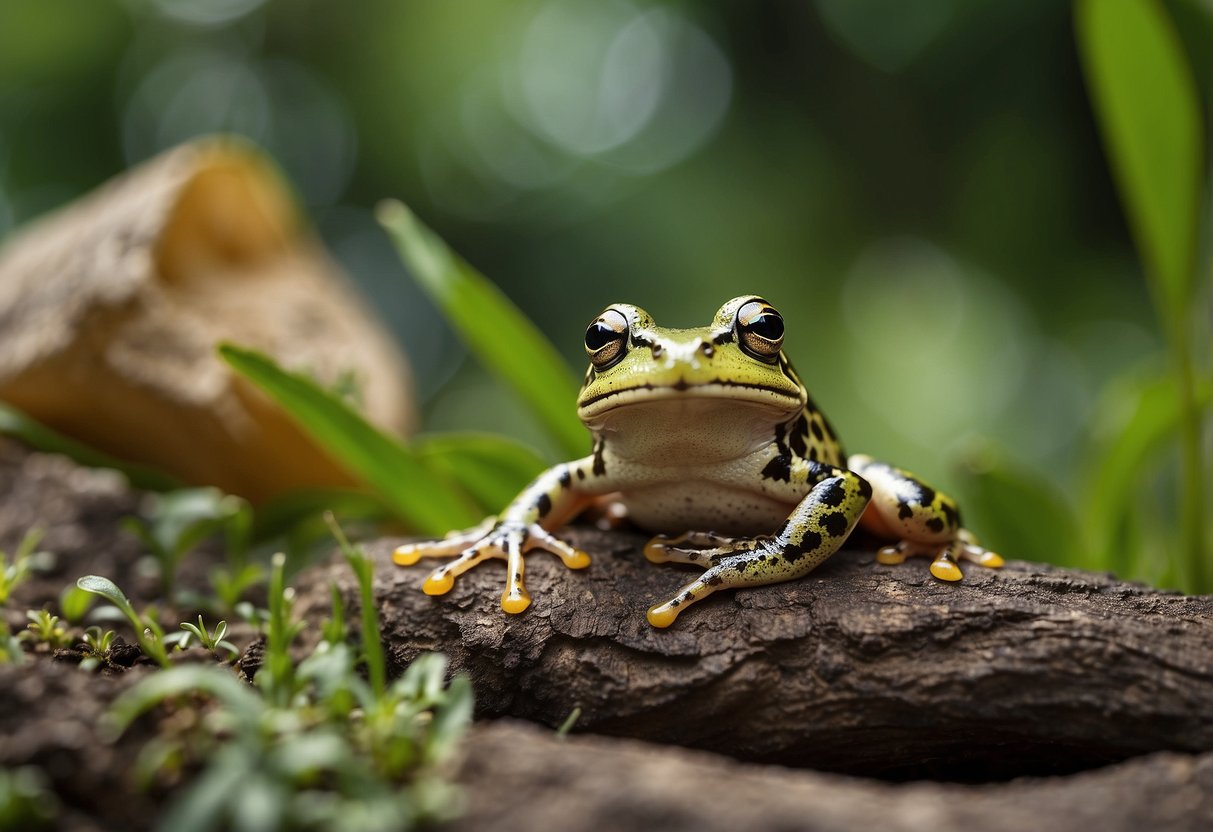
Attracting frogs and toads to my garden has improved my mood and mental health. These amphibians provide unique benefits beyond pest control.
Stress Reduction
Watching frogs and toads in my garden helps me relax. Their gentle movements and soothing croaks create a peaceful atmosphere.
I’ve found that spending time observing these creatures lowers my stress levels.
The natural sounds of frogs calling at night are calming. It’s like having my own personal nature soundtrack. This ambient noise helps me unwind after a long day.
Caring for a frog-friendly habitat gives me a sense of purpose. It’s rewarding to create shelters and water features for these small animals.
This hands-on activity connects me to nature and reduces my anxiety.
Enhanced Well-Being
Having frogs and toads in my garden boosts my overall happiness. Their presence adds life and biodiversity to my outdoor space.
I feel a sense of accomplishment knowing I’ve created a thriving ecosystem.
Observing these amphibians sparks my curiosity and wonder. I enjoy learning about their behaviors and lifecycles.
This mental stimulation keeps my mind active and engaged.
Attracting local frog species has deepened my connection to my local environment.
I feel more in tune with the natural world around me. This connection to nature improves my emotional well-being and gives me a greater sense of belonging in my community.
Frequently Asked Questions
Frogs and toads can bring many benefits to gardens. I’ll answer some common questions about attracting and coexisting with these helpful amphibians.
How can I encourage frogs to settle in my garden if I don’t have a pond?
Even without a pond, I can attract frogs to my garden. I can add shallow containers of water in shady spots.
I should rinse these weekly and refill with fresh water.
Providing damp, shaded areas with leaf litter or logs gives frogs places to hide. I can also plant native vegetation that retains moisture.
What does a frequent presence of toads indicate about my yard’s ecosystem?
Seeing lots of toads is a good sign. It means my yard likely has a healthy ecosystem. Toads eat many insects and other small creatures.
Their presence shows my garden has enough food and suitable habitat for them. It’s a sign of biodiversity and natural balance.
What should I consider before introducing purchased toads to my garden?
I should be very careful about adding bought toads to my yard. It’s best to let toads arrive on their own.
Introducing non-native species can harm local ecosystems.
I should focus on making my garden inviting for native toads instead. This means creating good habitat and avoiding pesticides.
What are the ecological advantages of having frogs and toads in my garden?
Frogs and toads offer big benefits to my garden. They eat lots of pests like slugs, snails, and harmful insects.
This natural pest control reduces my need for chemicals.
They also serve as food for other wildlife. This supports a diverse food web in my yard.
How do I appropriately handle finding a frog in my garden?
If I find a frog, it’s best to leave it alone. Frogs have sensitive skin that can be harmed by oils on human hands.
If I must move it, I should use clean, wet hands or wear gloves. I should gently place it in a safe, damp area nearby.
Are there any negative impacts associated with having frogs in my garden?
Frogs in my garden have few downsides. Some people find their nighttime calls noisy. But this is a natural sound that many enjoy.
Frogs might eat some beneficial insects. But they also control pest populations, which balances out this effect.