Ethical Considerations in Frog and Toad Photography: Balancing Nature and Art
Frogs and toads are fascinating creatures. They captivate photographers with their unique features and behaviors. Taking pictures of these amphibians can be rewarding, but it’s crucial to approach it ethically.
Ethical wildlife photography prioritizes the well-being of animals and their habitats above getting the perfect shot.
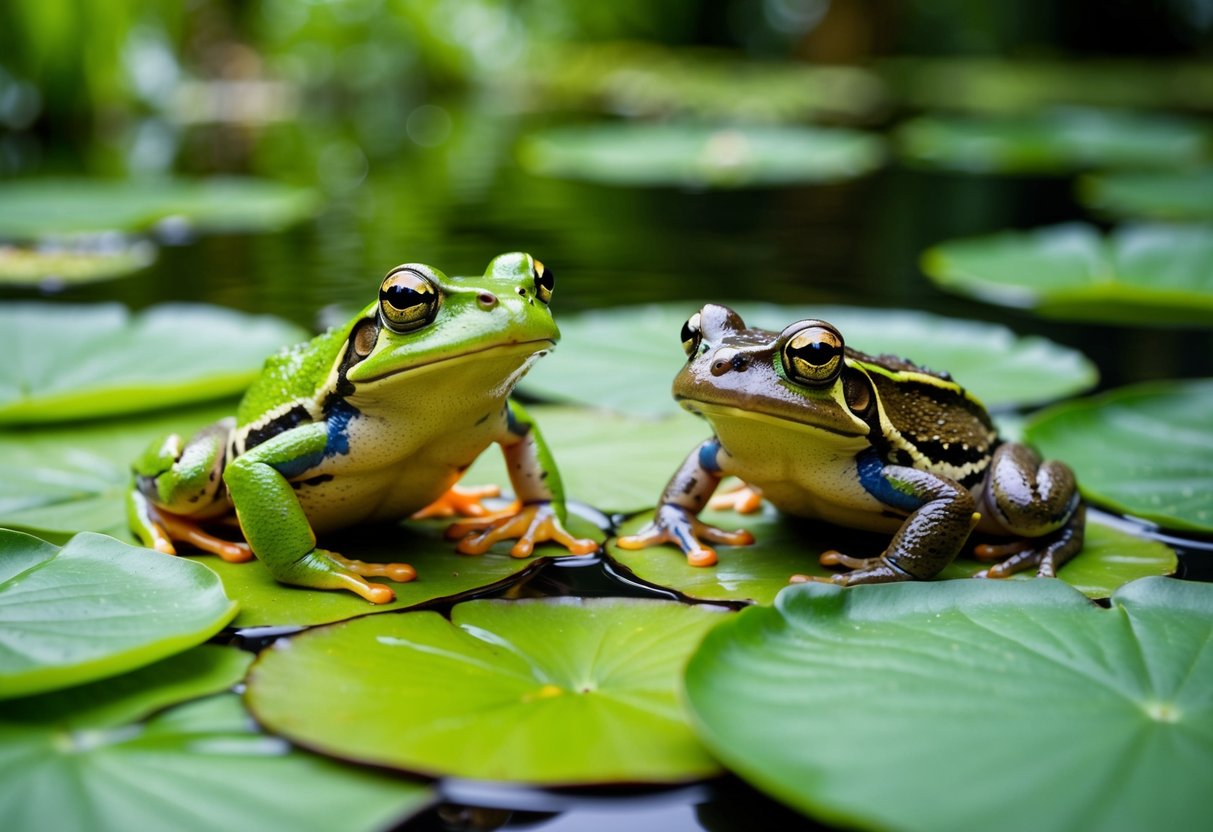
Photographers must be mindful of their impact on frogs and toads. This means respecting their natural environments and not disturbing them for the sake of a photo.
It’s important to learn about the species you’re photographing and follow local laws and guidelines.
Ethical frog and toad photography can still produce amazing results. By using the right techniques and equipment, photographers can capture stunning images while keeping a safe distance. This approach not only protects the animals but also preserves the integrity of wildlife photography as a whole.
Key Takeaways
- Prioritize animal welfare over getting the perfect shot
- Learn about frog and toad habitats and behaviors before photographing
- Use proper techniques and equipment to capture images without disturbing wildlife
The Importance of Ethical Photography Practices
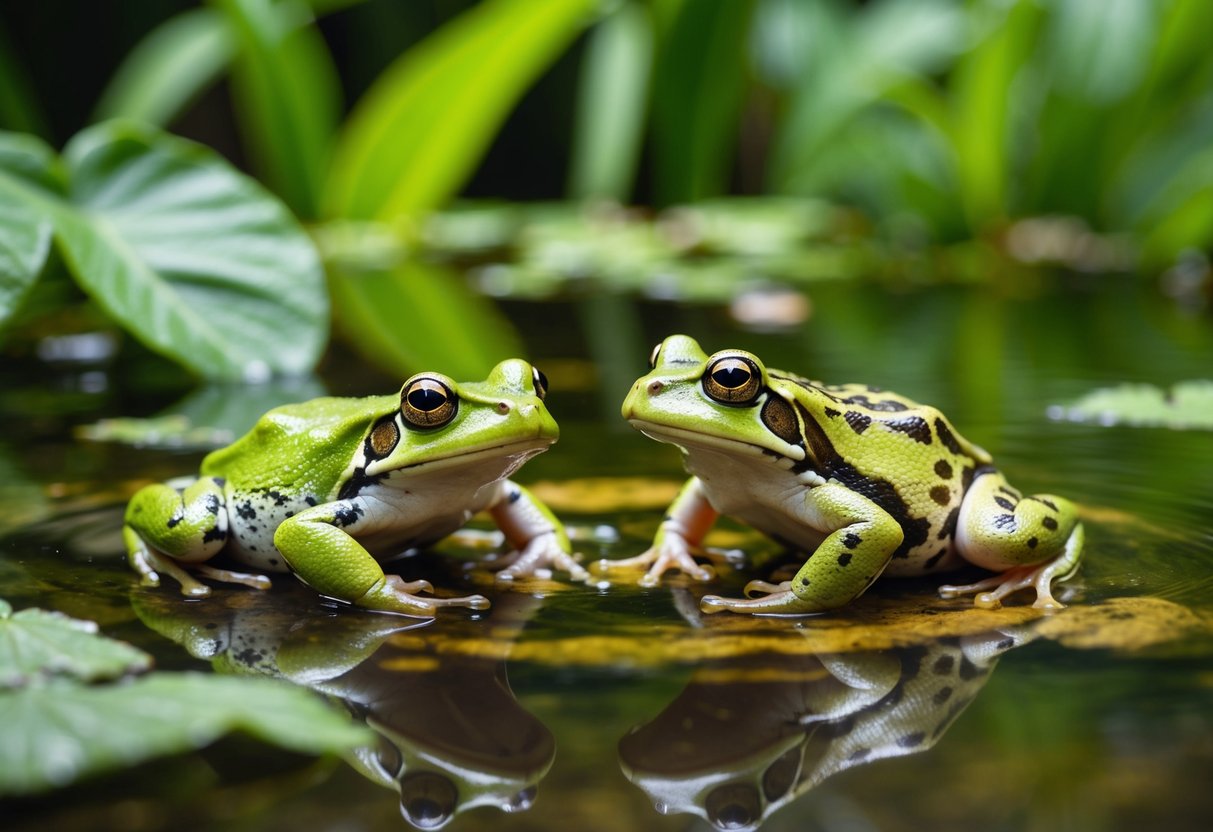
Ethical photography practices are vital when capturing images of frogs and toads. These practices help protect the animals and their habitats while producing meaningful images.
Photography ethics are based on a photographer’s values and experiences. They guide decisions in the field and ensure respect for subjects.
Key ethical considerations include:
- Minimizing disturbance to animals
- Avoiding habitat damage
- Not baiting or manipulating subjects
- Obtaining proper permits when required
Ethical practices preserve the integrity of nature photography. They maintain trust between photographers, subjects, and viewers.
Responsible photographers prioritize animal welfare over getting the perfect shot. This approach helps conserve fragile ecosystems and protects vulnerable species.
Informed consent is crucial in wildlife photography. While animals can’t give verbal permission, photographers must be sensitive to signs of stress or discomfort.
Ethical photography also involves honest representation. Images should accurately depict natural behaviors and environments without staging or excessive editing.
By following ethical guidelines, photographers contribute to conservation efforts. Their work can raise awareness and inspire protection of frogs, toads, and their habitats.
Understanding Frog and Toad Habitats
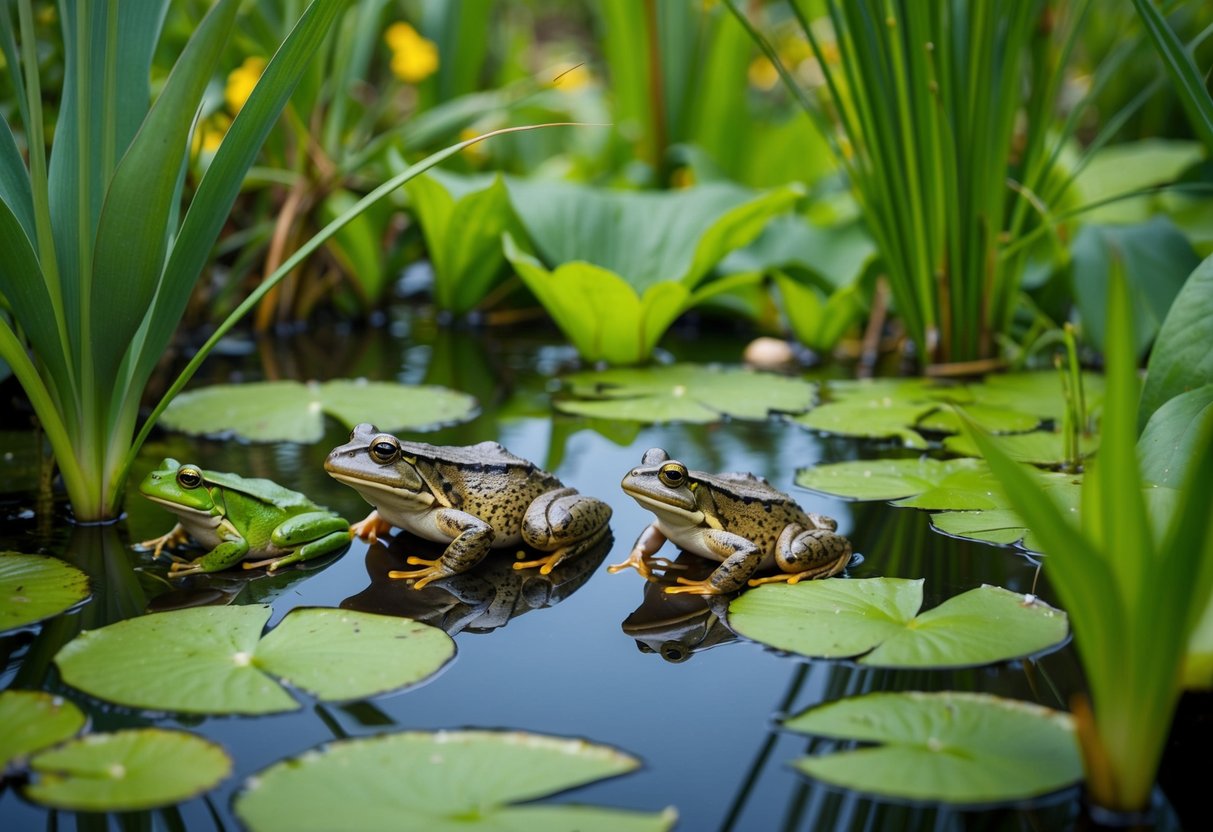
Frogs and toads live in diverse environments. These amphibians can be found in many places around the world.
Most frogs prefer moist habitats near water. They often live in ponds, lakes, and streams. Some frogs also inhabit rainforests, where it’s wet and humid.
Toads, on the other hand, can survive in drier areas. They are often seen in gardens, fields, and forests. Toads don’t need to stay as close to water as frogs do.
Both frogs and toads need specific habitats to thrive. Here are some key elements of their homes:
- Water sources (for breeding)
- Vegetation (for shelter and food)
- Insects (for food)
- Suitable temperature range
Frog eyes are adapted to their habitats. Their eye size and shape help them see well in their specific environments.
Toads have different adaptations. Their rough, dry skin helps them live in drier places than frogs.
Understanding these habitats is crucial for ethical photography. It helps photographers respect the animals’ needs and avoid disturbing their homes.
When taking pictures, it’s important to be careful. Don’t damage plants or move objects in the habitat. This keeps the frogs and toads safe and comfortable.
Ethical Guidelines for Wildlife Photography
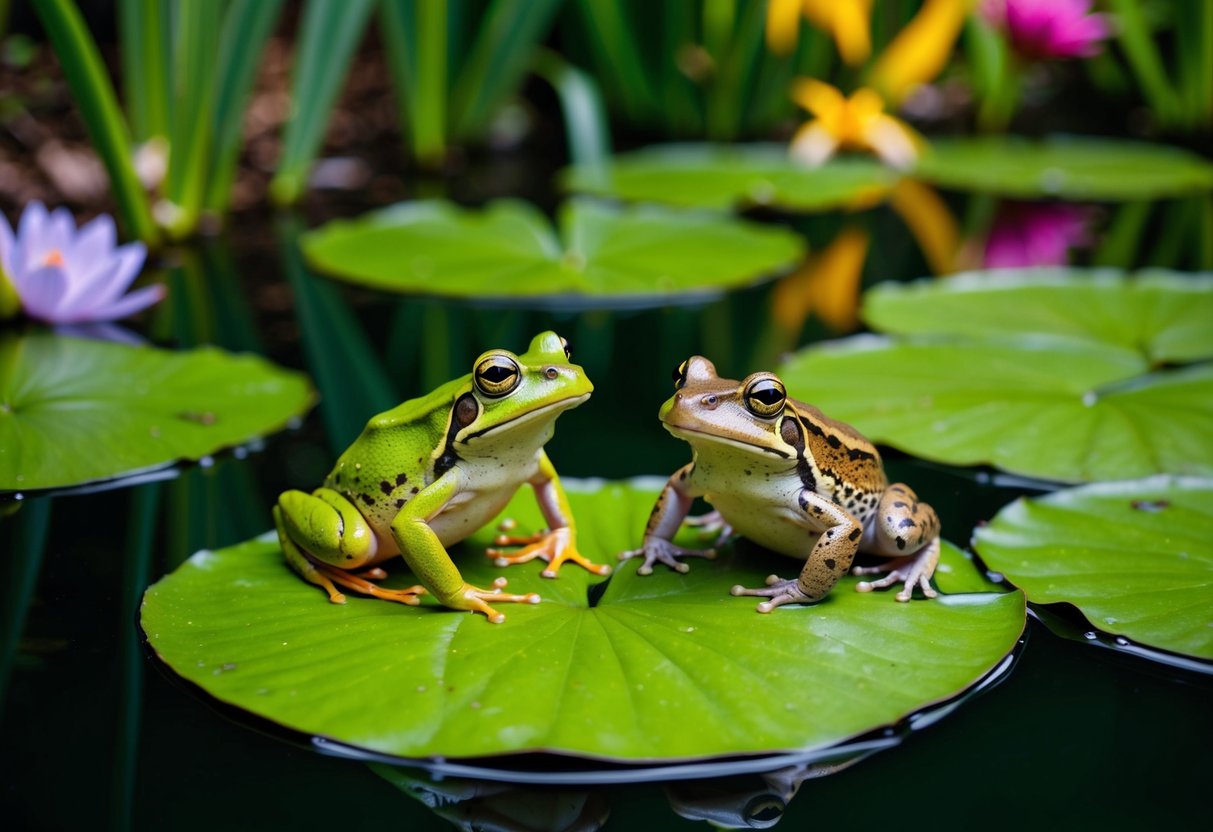
Taking photos of frogs, toads, and other wildlife requires care and respect. Photographers must follow key practices to protect animals and their habitats.
Maintaining a Safe Distance
Keeping a safe distance is crucial when photographing wildlife. Use zoom lenses to capture close-up shots without getting too near. This reduces stress on animals and keeps both the photographer and subject safe.
For frogs and toads, stay at least 10-15 feet away. Many species are small, so a macro lens works well from a distance.
Never chase or corner animals for a photo. If an animal shows signs of distress, back away slowly.
Minimizing Habitat Disturbance
Protect the homes of frogs, toads, and other creatures. Stay on marked trails and viewing platforms when possible.
Avoid trampling vegetation or disturbing water sources. These are key habitats for amphibians.
Don’t move logs, rocks, or other objects. Many animals use these for shelter or laying eggs.
Never use artificial lights near nocturnal animals. This can disrupt their behavior and make them vulnerable to predators.
Respecting Breeding and Feeding Behaviors
Learn about the species you want to photograph. Know their breeding seasons and daily patterns.
Avoid disturbing animals during sensitive times like mating or caring for young. For frogs and toads, spring breeding season requires extra caution.
Never bait animals or disturb their food sources. This can alter natural behaviors and diets.
Be patient and observe quietly. Let animals go about their normal activities. This often leads to the best, most natural photos.
If you spot egg masses or tadpoles, keep your distance. These early life stages are very fragile.
Photography Without Harm
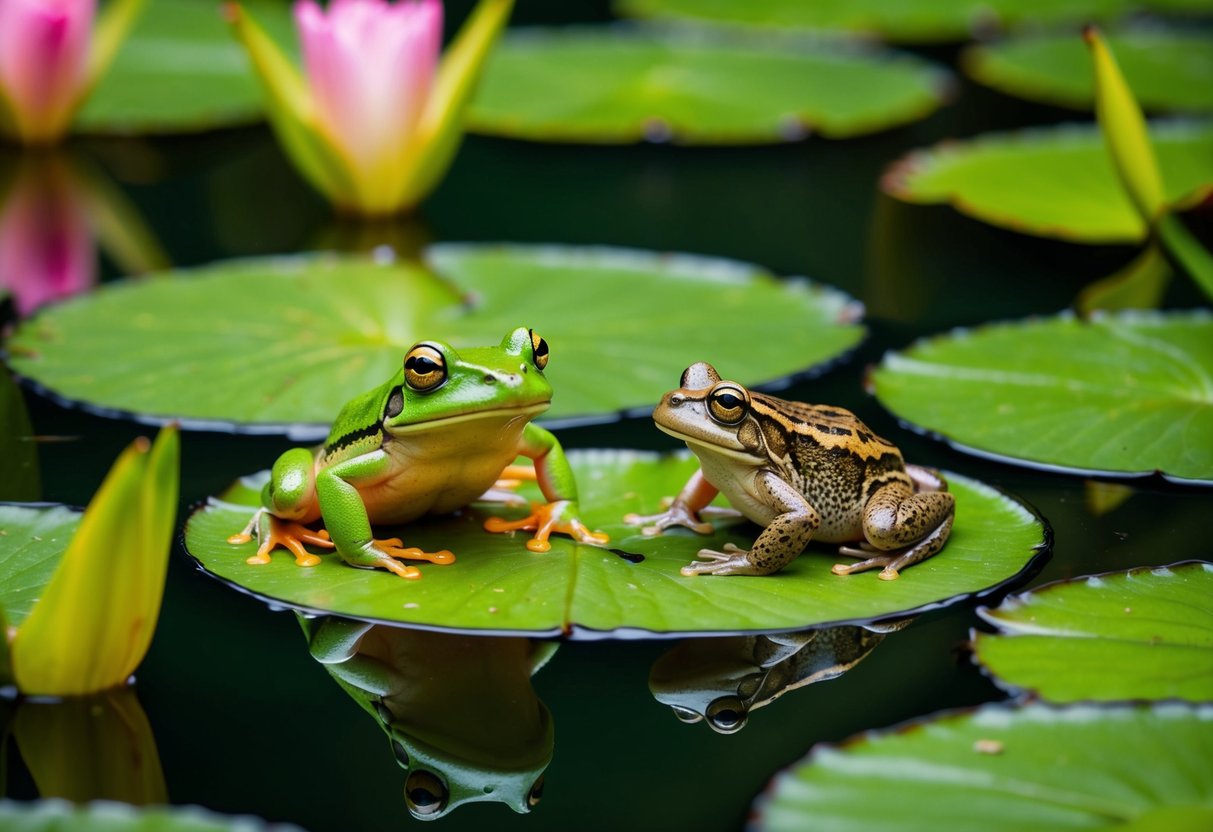
Taking photos of frogs and toads requires care to avoid disturbing these sensitive creatures. Ethical photographers use methods that minimize stress and protect habitats. The following techniques allow for capturing great images while respecting amphibian welfare.
Using Natural Light
Natural light provides the best illumination for frog and toad photography. Soft, diffused light in the early morning or late afternoon creates flattering conditions. Overcast days offer even lighting that highlights textures and colors.
Photographers can use reflectors to bounce light onto subjects in shaded areas. White or silver reflectors work well to fill in shadows without harsh contrast.
Proper exposure settings are key when relying on natural light. Using a tripod allows for slower shutter speeds in low light. This helps maintain image quality without raising ISO too high.
Wide apertures let in more light but reduce depth of field. Finding the right balance takes practice.
Avoiding Flash and Artificial Lighting
Artificial light sources can harm frogs and toads. Their eyes are sensitive, and bright flashes may temporarily blind or disorient them. This leaves them vulnerable to predators.
Instead, photographers should rely on natural light or very gentle continuous lighting.
If artificial light is absolutely necessary, use it sparingly and indirectly. Diffuse the light with softboxes or bounce it off reflectors.
Keep light sources as far from the subject as possible. Avoid pointing lights directly at frogs’ eyes. Use the lowest power setting that still allows for proper exposure.
Red lights are less disruptive to nocturnal species. Some photographers use red flashlights or headlamps to navigate in the dark without disturbing amphibians.
Non-Invasive Positioning Techniques
Ethical frog photographers avoid handling or moving their subjects. Instead, they use patience and careful positioning to get the desired shots.
A long lens allows for close-up images from a safe distance. Wide-angle lenses can capture habitat context without getting too close.
Photographers should move slowly and quietly to avoid startling frogs. Lying flat on the ground provides a low angle without towering over subjects.
Using a ground pod or beanbag stabilizes the camera close to eye level with small amphibians.
Remote triggers let photographers step back after composing shots. This reduces stress on the frogs and may result in more natural behaviors. Time-lapse setups can capture interesting activity over longer periods without constant human presence.
The Photographer’s Responsibility
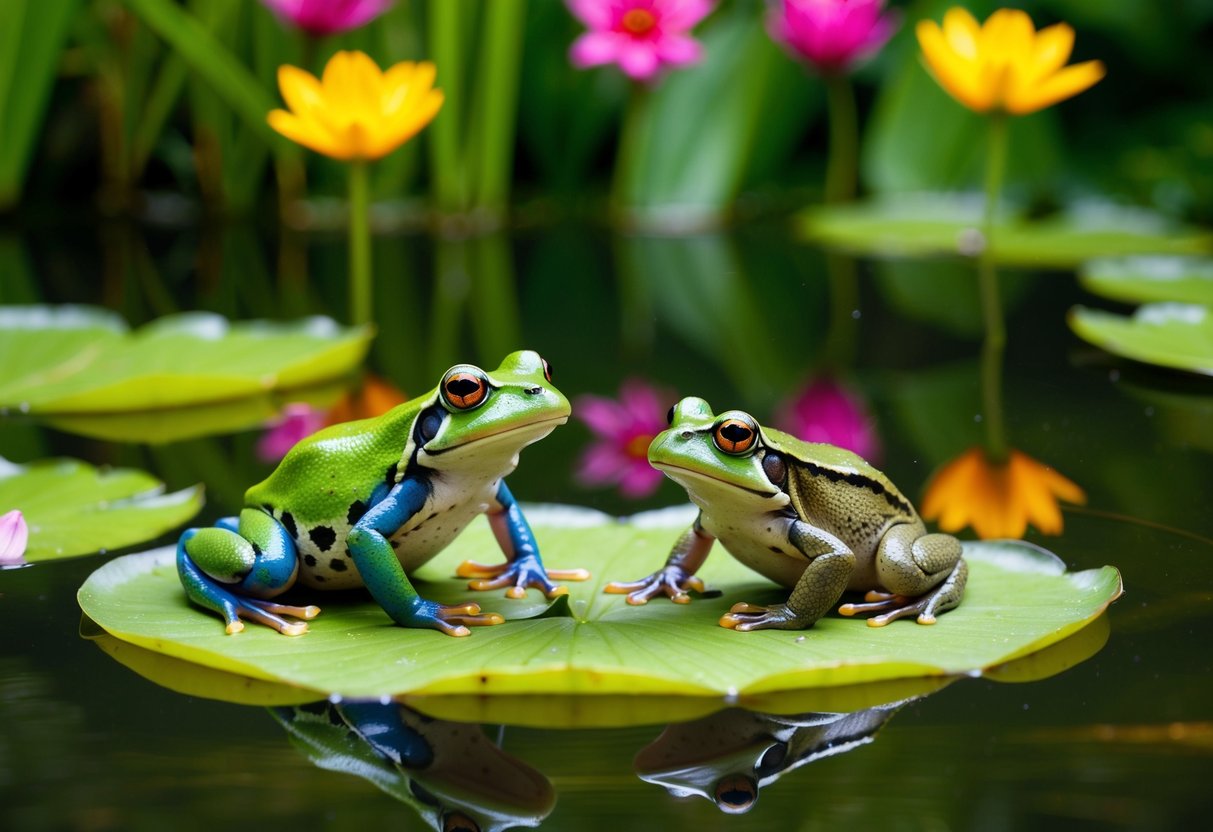
Photographers play a key role in frog and toad conservation efforts. They can make a big impact through education, ethical practices, and habitat protection.
Educating Others About Conservation
Photographers can teach people about frogs and toads. They can share facts about different species and their habitats. This helps people understand why these animals matter.
Photos can show the beauty of frogs and toads. This can make people care more about protecting them. Captions can explain threats like pollution or habitat loss.
Photographers can give talks at schools or nature centers. They can also post educational content online. This spreads knowledge to a wide audience.
Promoting Ethical Practices
Ethical wildlife photography means not harming animals or their homes. For frogs and toads, this includes:
- Not moving or touching them
- Not using flash photography at night
- Staying on trails to avoid crushing habitats
- Not revealing exact locations of rare species
Photographers should lead by example. They can share their ethical methods with others. This helps set good standards in the field.
They can also speak up if they see others acting badly. A kind word can teach new photographers better ways.
Contributing to Habitat Preservation Efforts
Photographers can use their skills to help save frog and toad homes. They can:
- Document threatened habitats
- Take photos for conservation groups
- Raise money through print sales for habitat projects
Their images can show why wetlands and forests matter. This can sway public opinion and policy makers.
Some photographers team up with scientists. They help track frog populations over time. These photos become valuable data for research.
Photographers can also volunteer for habitat clean-ups. This directly helps local frog and toad populations.
Legal Considerations and Wildlife Laws
Taking photos of frogs and toads requires following wildlife laws. These laws protect animals and their habitats.
Photographers must get permits in some areas. National parks and nature reserves often need special permission for wildlife photography.
Disturbing animals or their homes is illegal in many places. This includes moving frogs or changing their environment for a photo.
Some frog species are endangered or protected. Photographing them may be restricted or prohibited. Check local regulations before taking pictures.
Flash photography can harm sensitive frog eyes. Some areas ban flash use around wildlife.
Trespassing on private land for photos is illegal. Always get landowner permission first.
Key legal points for frog photographers:
- Research local wildlife laws
- Obtain necessary permits
- Don’t disturb animals or habitats
- Avoid protected species without approval
- Use flash carefully or not at all
- Respect private property
Breaking wildlife laws can lead to fines or legal trouble. Following the rules keeps frogs safe and photography ethical.
Post-Processing and Ethical Photo Editing
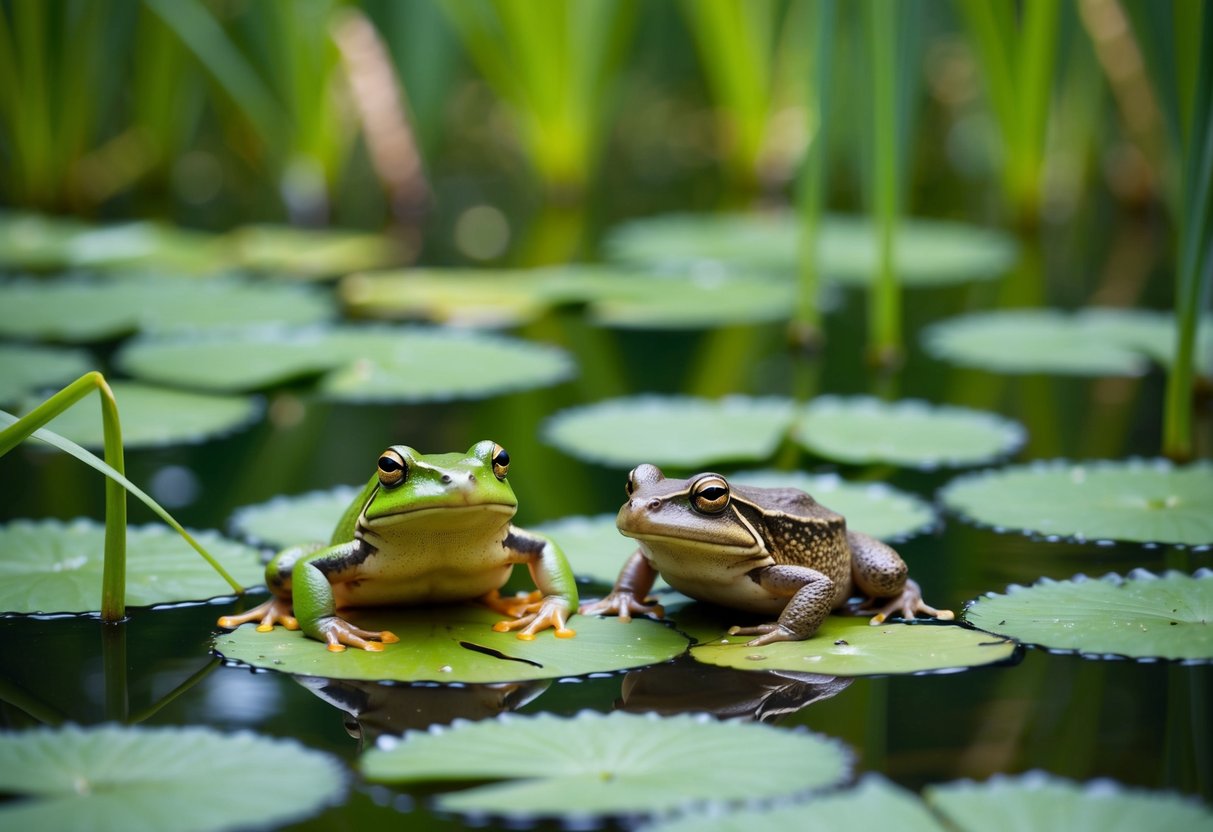
Photo editing is a common practice in frog and toad photography. It allows photographers to enhance images and correct minor issues. But ethical considerations are important when editing amphibian photos.
Basic adjustments like cropping, exposure, and color correction are generally acceptable. These help improve image quality without altering the subject’s appearance.
More advanced edits require careful thought. Removing small distractions from the background may be okay if it doesn’t change the context. But adding or removing elements that weren’t in the original scene is questionable.
Ethical photographers aim to maintain accuracy and integrity in their work. They avoid manipulating images in ways that misrepresent the frog or toad’s natural appearance or habitat.
Transparency is key when sharing edited photos. Photographers should disclose any significant alterations made to an image.
Some ethical guidelines for frog and toad photo editing:
• Don’t change the animal’s physical features • Avoid altering natural behaviors or habitats • Be cautious about removing imperfections like scars • Never combine elements from multiple photos
Following these principles helps ensure edited frog and toad photos remain authentic and true to nature.
Sharing and Publishing Photos with Integrity
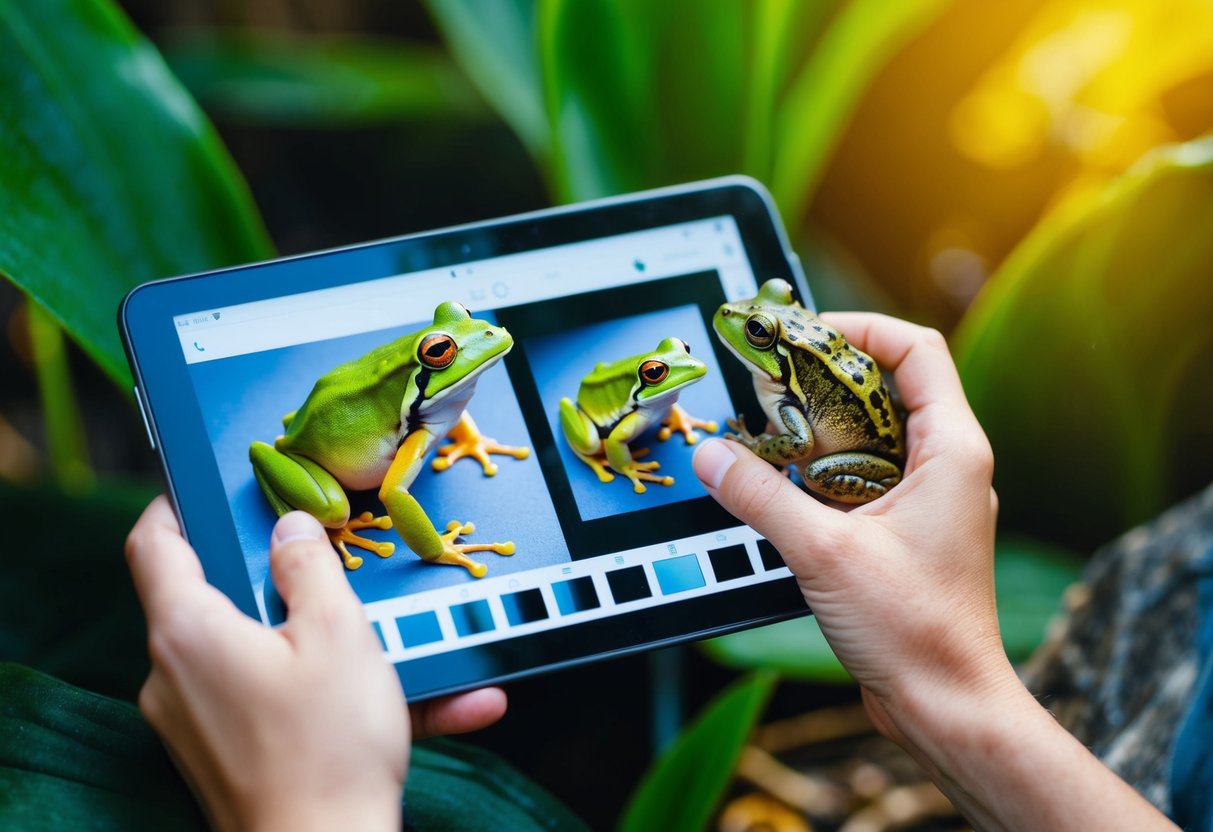
Taking photos of frogs and toads is just the first step. Sharing and publishing these images comes with its own set of ethical considerations.
Photographers should always be honest about their methods. If a photo was taken of a captive animal, this fact should be clearly stated.
It’s important to avoid editing photos in ways that misrepresent the subject. Minor adjustments to color and contrast are usually acceptable, but dramatically altering the appearance of the frog or toad can be misleading.
When sharing location data, photographers need to be cautious. Some species may be rare or endangered. Revealing exact locations could put these animals at risk from poachers or over-enthusiastic hobbyists.
Proper attribution is crucial. If the photo includes the work of others, such as a conservation project, credit should be given where it’s due.
Consider the impact of the images. Photos that show frogs or toads in distress or unnatural poses may not be appropriate for publication.
Photographers should also be mindful of copyright laws. Just because an image is online doesn’t mean it’s free to use without permission.
By following these guidelines, photographers can share their frog and toad images with integrity, promoting both the art of photography and the conservation of these fascinating amphibians.
Frequently Asked Questions
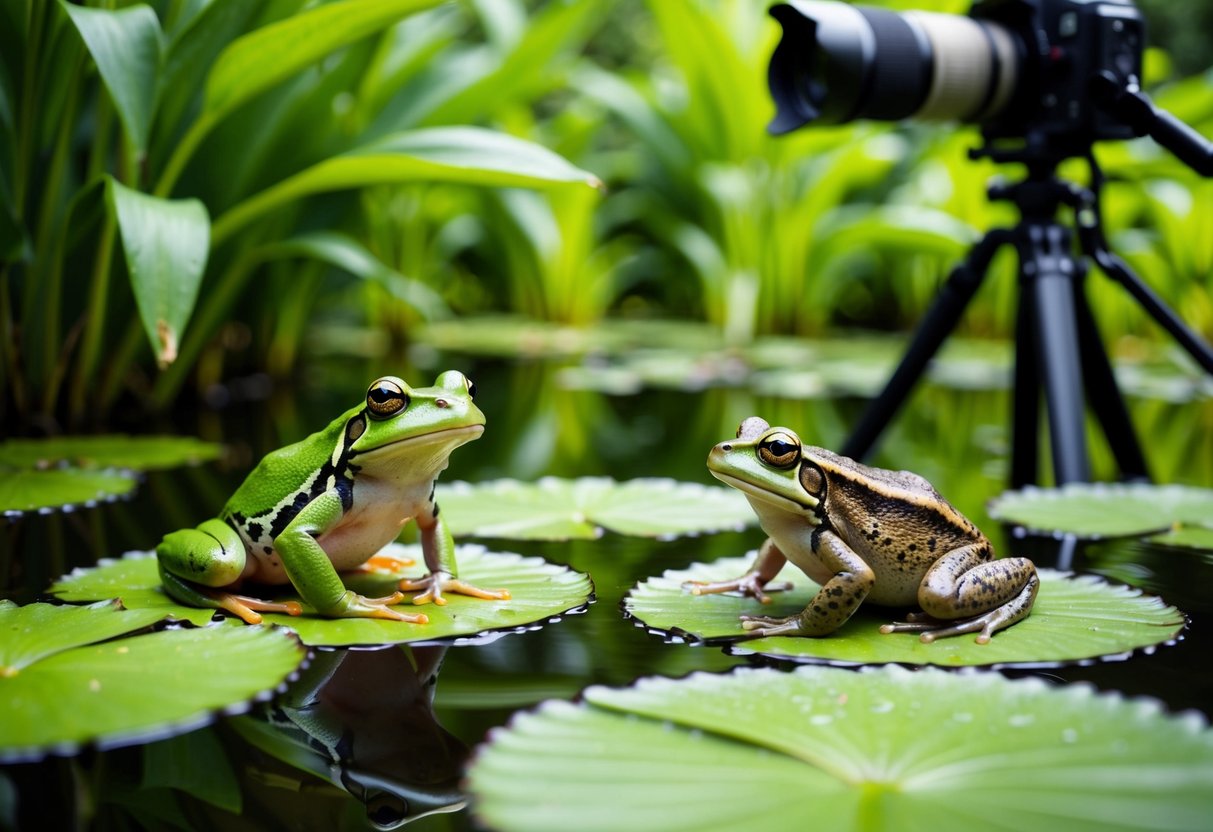
Ethical frog and toad photography involves careful planning and consideration. Photographers must prioritize the well-being of amphibians and their habitats while capturing images. Following best practices helps create stunning photos without causing harm.
How can photographers minimize stress and harm to frogs and toads during a photoshoot?
Limit handling time to reduce stress on amphibians. Use long lenses to maintain distance and avoid disturbing natural behaviors. Never move frogs or toads from their habitats.
Keep sessions short, especially in hot or dry conditions. Bring clean water to mist subjects if needed. Avoid using chemicals like insect repellent near amphibians.
What are the best practices for ensuring the natural habitat of amphibians is preserved while taking photographs?
Stay on designated trails to avoid trampling vegetation. Don’t remove or alter natural elements in frog habitats. Leave fallen logs, rocks, and plants in place.
Use a telephoto lens to capture images from a distance. This prevents damage to fragile ecosystems. Clean and disinfect equipment between locations to avoid spreading diseases.
What guidelines should photographers follow to responsibly share and publish images of frogs and toads?
Avoid revealing exact locations of rare or endangered species. This protects them from poaching or habitat disturbance. Use generic location descriptions instead.
Include educational captions with species information. Highlight conservation issues affecting amphibians. Don’t share images of stressed or improperly handled frogs and toads.
Why is it important to consider the potential impact of flash photography on amphibians?
Bright flashes can temporarily disorient frogs and toads. This may disrupt their feeding or mating behaviors. It can also make them more vulnerable to predators.
Use natural light when possible. If artificial light is needed, use diffusers or continuous lighting instead of flash. Limit the number of exposures to minimize disturbance.
How does respecting local wildlife laws benefit ethical frog and toad photography?
Following laws protects threatened amphibian species. It preserves habitats and maintains healthy populations. This ensures future generations can enjoy and photograph these animals.
Legal compliance promotes responsible tourism. It supports local conservation efforts and helps educate others about ethical wildlife photography practices.
What is the role of post-processing in maintaining the authenticity of frog and toad photographs?
Minor adjustments to exposure, contrast, and color are acceptable. Avoid excessive editing that misrepresents the animal’s true appearance.
Don’t add or remove elements from the original scene.
Use post-processing to enhance educational value. This might include cropping to show important features or adjusting clarity to highlight textures. Always maintain the integrity of the subject and its environment.