How To Capture The Colors Of Frogs And Toads Accurately: A Guide To Nature Photography
Frogs and toads display a stunning array of colors and patterns in nature. Capturing these vibrant amphibians on camera can be tricky, but with the right techniques, you can showcase their beauty.
To capture frog and toad colors accurately, use good lighting, adjust your camera settings, and pay attention to the background and environment.
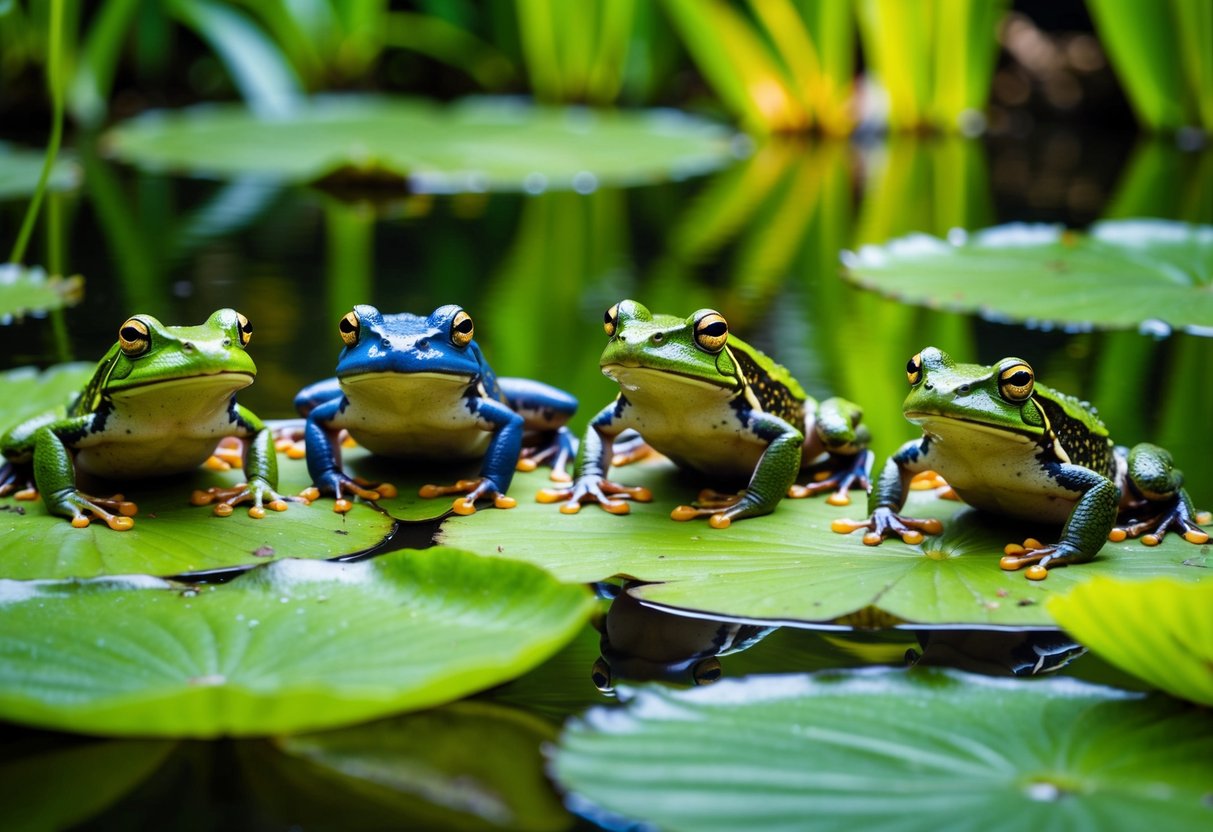
Frogs and toads have special cells called chromatophores that allow them to change color. This helps them blend in with their surroundings or stand out to warn predators.
Some species have bright, eye-catching hues, while others sport more subtle earth tones. Understanding these color variations can help photographers plan their shots.
Getting close to frogs and toads without disturbing them takes patience and care. Using a zoom lens or macro setup lets you keep a safe distance while still getting detailed shots.
Picking the right time of day and weather conditions also impacts how colors appear in photos.
Key Takeaways
- Use proper lighting and camera settings to capture true frog and toad colors
- Learn about different species’ color patterns to plan better shots
- Practice patience and use appropriate equipment for close-up amphibian photography
Understanding Frog and Toad Coloration
Frogs and toads display a wide range of colors and patterns. These serve important functions beyond mere aesthetics. Their coloration helps with camouflage, temperature regulation, and communication.
The Role of Pigments
Pigments in frog and toad skin create their vibrant hues. Melanin produces browns and blacks. Carotenoids give yellows and reds. Pteridines create bright blues and greens.
Some frogs can change color by moving pigment cells. This helps them blend in or stand out as needed. The poison dart frog’s bright colors warn predators of its toxicity.
Structural colors also play a role. Tiny crystals in skin cells reflect light to create iridescent effects. This is common in tree frogs.
Variations by Species
Different frog and toad species have unique color patterns. Green is common in tree frogs, helping them hide in leaves. Many toads are brown or gray to blend with soil.
Some species have bold markings. The fire-bellied toad has a bright red underside. It flashes this color when threatened.
Patterns like spots or stripes break up a frog’s outline. This makes it harder for predators to spot them.
Influence of Diet and Environment
A frog’s diet can affect its color. Some frogs get pigments from the food they eat. Crickets high in carotenoids can make frogs more yellow or orange.
Environment also plays a role. Frogs in cooler areas may be darker to absorb more heat. Those in sunny spots might be lighter to reflect heat.
Some frogs change color based on temperature or humidity. This helps them regulate their body temperature and moisture levels.
Photography Basics
Capturing the vibrant colors of frogs and toads requires mastering key photography techniques. These skills help create stunning images that showcase the amphibians’ natural beauty.
Camera Settings for Vivid Colors
To capture frog and toad colors accurately, start with the right camera settings. Set your ISO low, ideally between 100-400, to reduce noise and enhance color quality.
Use a wide aperture like f/2.8 or f/4 to create a shallow depth of field, making the subject stand out.
Choose RAW format for maximum editing flexibility. Adjust white balance to match the lighting conditions. This ensures true-to-life colors in your photos.
Proper exposure is crucial. Use spot metering to measure light on the frog’s body. Slightly underexpose to preserve color saturation and prevent blown-out highlights.
Understanding Natural Light
Natural light plays a vital role in frog photography. Early morning or late afternoon light provides soft, warm tones that enhance colors. Avoid harsh midday sun, which can create unflattering shadows and wash out colors.
Cloudy days offer diffused light, perfect for even illumination. This helps bring out subtle color variations in frog skin.
For aquatic frogs, consider using flash to illuminate underwater subjects and reveal hidden hues.
Experiment with backlighting to create a glowing effect around the frog. This technique can highlight translucent skin and add depth to the image.
The Importance of Focus
Sharp focus is essential for showcasing frog colors. Use single-point autofocus and aim for the frog’s eye. This creates a focal point and ensures key details are crisp.
For close-up shots, switch to manual focus. Use focus peaking if available on your camera. This highlights in-focus areas, helping achieve precise focus on small subjects.
Depth of field matters. A shallow depth of field isolates the subject, while a larger f-number keeps more of the frog in focus. Choose based on your creative vision and the frog’s position.
Consider focus stacking for ultra-sharp images. Take multiple shots at different focus points and combine them in post-processing. This technique creates tack-sharp photos from nose to toes.
Artistic Techniques for Capturing Color
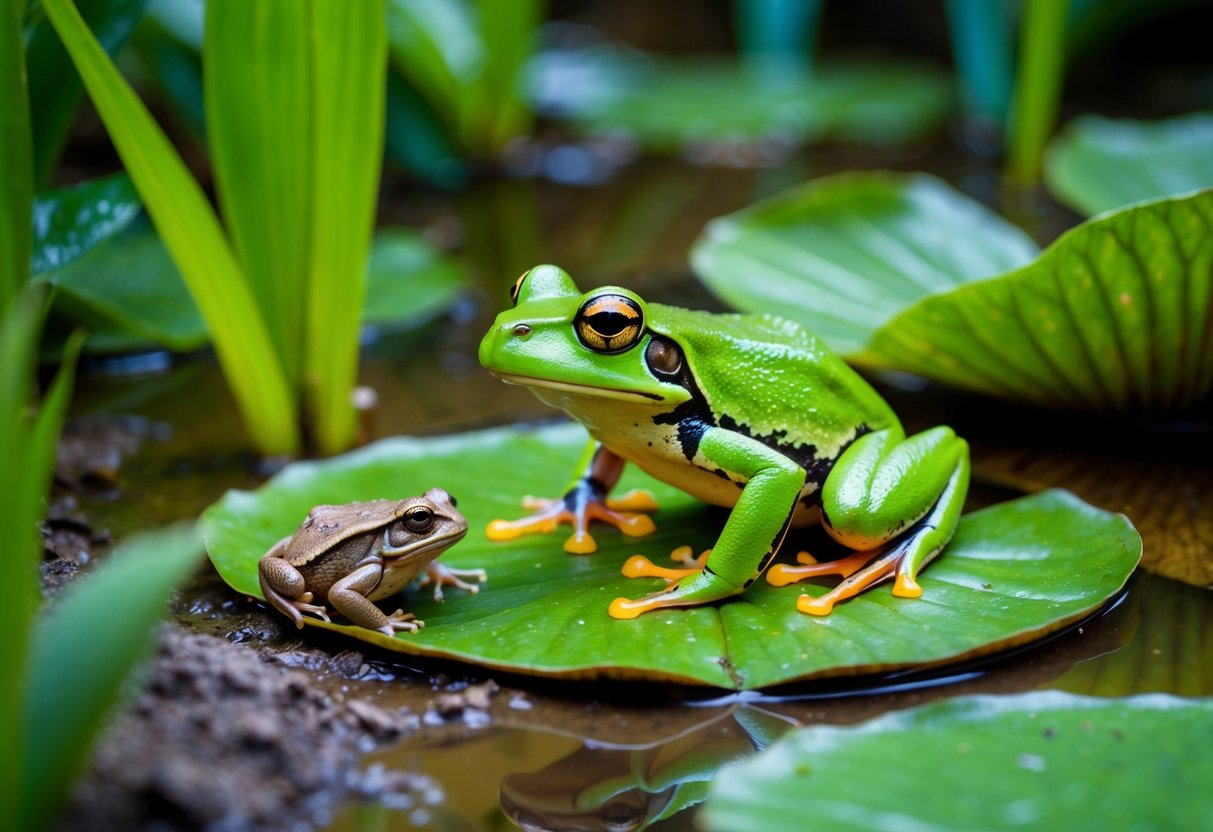
Capturing the vibrant colors of frogs and toads requires careful attention to artistic techniques. The right approach to composition, post-processing, and use of filters can significantly enhance the accuracy and impact of your frog and toad illustrations.
Composition and Background
Choosing the right background is crucial for highlighting frog colors. A neutral or complementary backdrop can make the subject pop. Consider using natural elements like leaves or water to provide context.
Observe wildlife in their natural habitat to understand how light interacts with frog skin. This helps in creating realistic textures and reflections.
Use contrasting colors strategically to draw attention to key features. For example, place a bright red frog against a muted green background.
Pay attention to the frog’s position and angle. A three-quarter view often showcases both the frog’s body and face effectively.
Color Enhancement in Post-Processing
Digital tools offer powerful options for fine-tuning colors after the initial painting or photograph. Adjust saturation carefully to bring out the frog’s true hues without making them look unrealistic.
Use color balance tools to correct any unwanted color casts. This is especially important when working with photographs taken under different lighting conditions.
Experiment with light and shadow to create depth and dimension. Subtle highlights can make a frog’s skin appear moist and lifelike.
Consider using layers in digital painting to separate different color elements. This allows for easier adjustments without affecting the entire image.
Using Filters to Your Advantage
Filters can dramatically alter the mood and color accuracy of frog illustrations. A polarizing filter can reduce glare on wet frog skin, revealing true colors more clearly.
Warming filters can enhance the reds and oranges in tropical frog species. Conversely, cooling filters can bring out the blues and greens in aquatic toads.
UV filters are useful for capturing the unique fluorescent properties of some frog species. These filters can reveal hidden patterns and colors not visible to the naked eye.
Create depth with light and shadow by using graduated filters. These can darken skies or water surfaces, making the frog stand out more prominently.
Considerations for Live Subjects
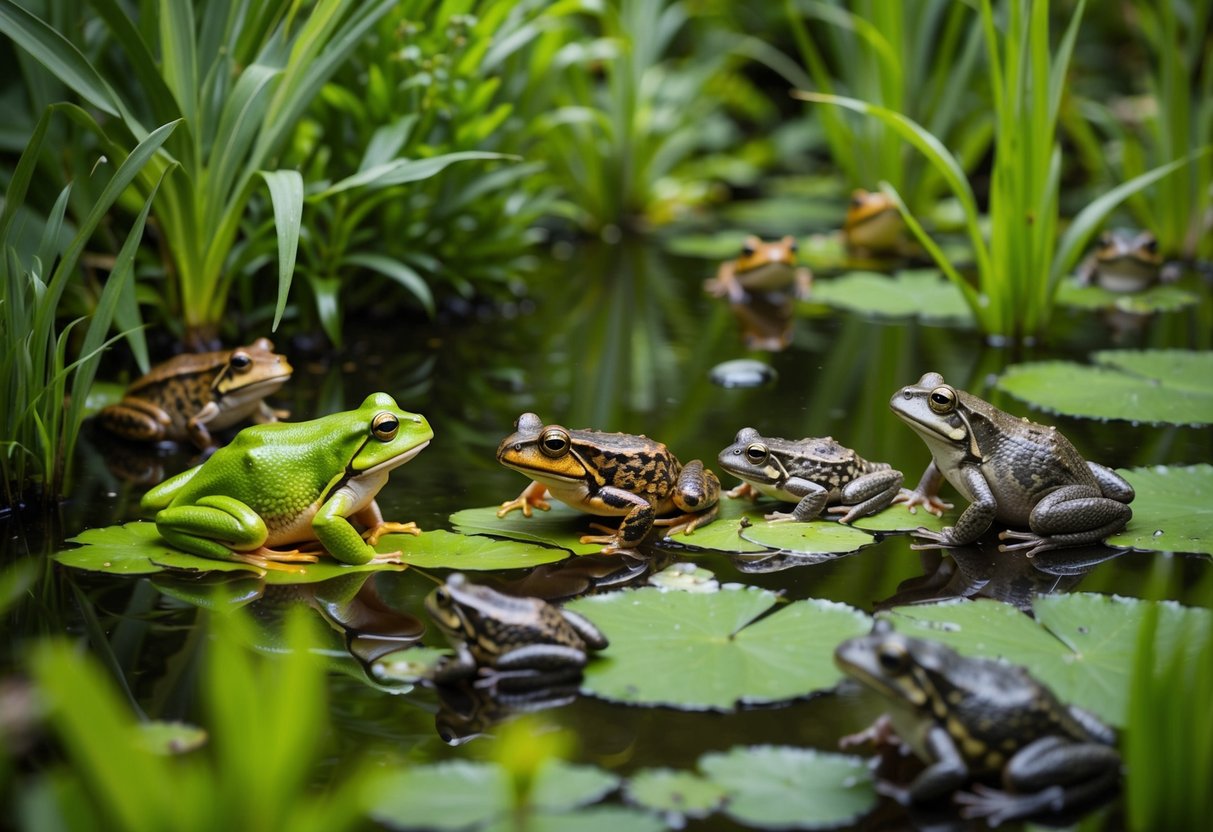
Photographing frogs and toads in their natural habitats requires careful planning and respect for these amphibians. Proper techniques help capture accurate colors while ensuring the animals’ wellbeing.
Ethical Photography Practices
Photographers must prioritize the welfare of frogs and toads. Use a zoom lens to maintain distance and avoid disturbing their environment. Never move or handle the animals without proper permits or expertise.
Limit flash photography, as bright lights can disorient amphibians. If flash is necessary, use diffusers to soften the light. Keep sessions brief to minimize disruption to the animals’ routines.
Photograph frogs in water using long exposures to create a soft, glowing effect without harming them. This technique can enhance colors while respecting the subjects.
Minimizing Stress for Frogs and Toads
Create a calm shooting environment to reduce stress on the animals. Approach slowly and quietly to avoid startling them. Maintain a comfortable temperature and humidity level if working in a controlled setting.
Avoid touching or moving frogs and toads. Their skin is sensitive and can absorb harmful substances from human hands. If handling is unavoidable, use clean, wet gloves.
Provide natural elements like leaves or branches for the animals to rest on during photo sessions. This helps them feel secure and showcases their natural behaviors.
Legalities and Protected Species
Research local laws and regulations before photographing frogs and toads. Many species are protected, and disturbing them may be illegal. Obtain necessary permits for photographing in protected areas or handling specific species.
Learn to identify different frog and toad species to ensure compliance with conservation laws. Some areas have strict rules about approaching or photographing endangered amphibians.
Respect park rules and wildlife sanctuary guidelines. Stay on designated paths and avoid trampling vegetation that frogs and toads rely on for shelter and food.
Equipment Recommendations
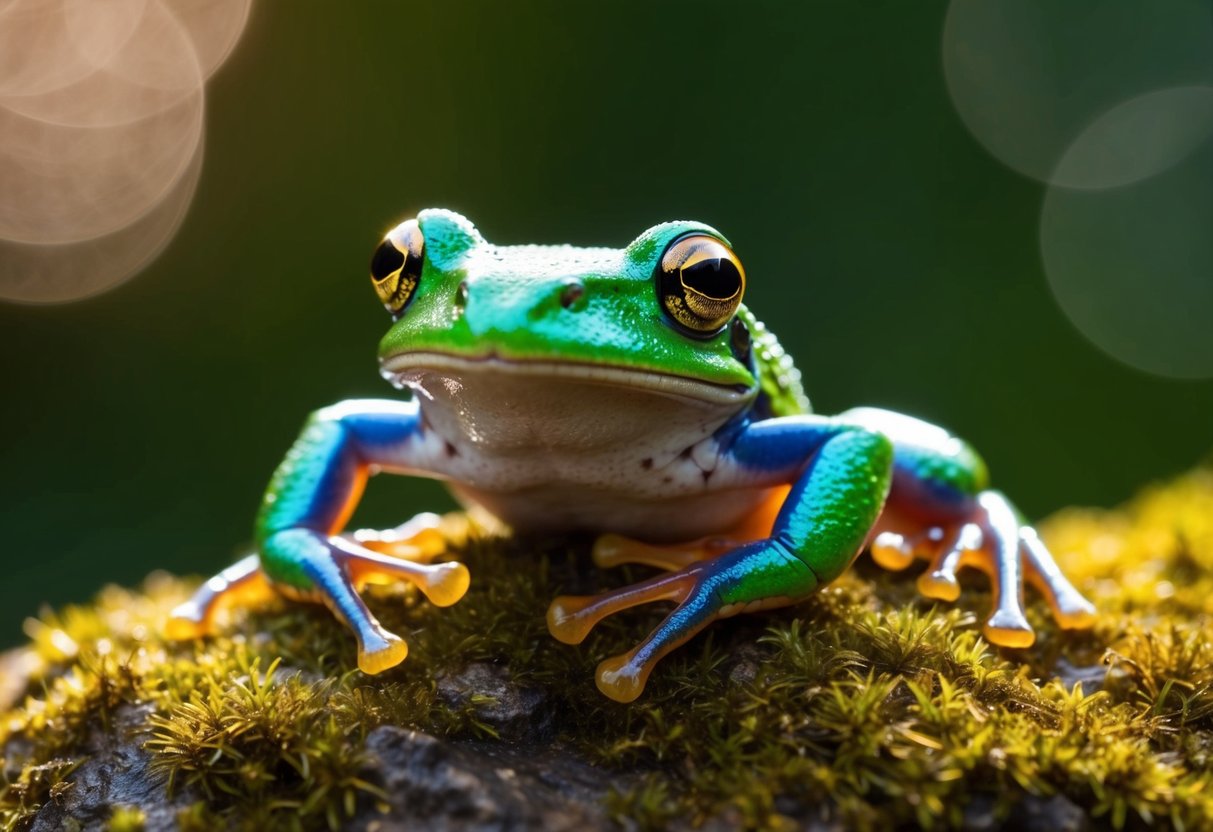
Capturing the colors of frogs and toads accurately requires the right gear. The following equipment will help you take clear, vibrant photos of these amphibians.
Choosing the Right Lens
A macro lens is essential for frog and toad photography. It allows you to get close-up shots with sharp details. Look for a lens with a focal length between 90mm and 180mm.
For smaller subjects, a 100mm macro lens works well. It gives you enough working distance without being too heavy.
If you want to photograph larger frogs or toads, consider a 180mm macro lens. It lets you keep more distance from skittish subjects.
Make sure your lens has a wide maximum aperture, like f/2.8. This helps in low light and creates a nice blurred background.
Tripods and Stability
A sturdy tripod is crucial for sharp images of frogs and toads. Choose one that can get low to the ground for eye-level shots.
Look for a tripod with legs that spread wide. This gives you more stability on uneven terrain near ponds or streams.
A ball head allows quick adjustments to your camera angle. This is helpful when frogs move suddenly.
For extra stability, use a remote shutter release. It lets you take photos without touching the camera, reducing shake.
Additional Accessories
A good flash is important for bringing out the vibrant colors of frogs and toads. Choose a flash that can tilt and rotate for flexible lighting.
Diffusers soften the light from your flash. This prevents harsh shadows and keeps frog skin from looking too shiny.
Bring extra batteries and memory cards. Frog photography often involves long waits and many shots.
Waterproof gear is a must. Look for rain covers for your camera and lens. Waterproof boots or waders keep you dry near water.
A small spray bottle can help keep frogs moist during photo sessions. This maintains their natural look and keeps them comfortable.
Field Guide to Frogs and Toads
Accurately identifying and observing frogs and toads requires knowledge of their species, habitats, and behaviors. Proper timing and location are key to successful field observations.
Identifying Species in the Field
Frogs and toads come in many colors and patterns, making identification challenging. Look for distinctive features like size, skin texture, and markings.
Pay attention to eye color and shape.
Listen for unique calls, as each species has its own vocalization. Some frogs have loud, distinctive croaks, while others make softer chirps or trills.
Take note of habitat preferences. Certain species are found near water bodies, while others live in trees or on land.
Use a field guide with clear photos and descriptions. Compare multiple characteristics to ensure accurate identification.
Best Times for Observation
Early morning and evening are ideal for frog and toad watching. Many species are more active during these cooler hours.
Spring and early summer offer prime viewing opportunities. This is when many frogs and toads breed, making them easier to spot and hear.
Rainy nights can be excellent for observing. Many species become active during or after rainfall.
Patience is key. Spend time quietly observing an area to increase chances of spotting elusive species.
Notable Habitats and Behaviors
Frogs and toads inhabit diverse ecosystems, including forests, wetlands, and grasslands. Some prefer aquatic environments, while others are mainly terrestrial.
Watch for unique behaviors like burrowing, tree climbing, or floating on water surfaces. These can help with identification and provide insight into their lifestyles.
Observe breeding behaviors in spring. Many species gather at water bodies to mate and lay eggs.
Look for camouflage techniques. Some frogs blend in with leaves or bark, while others use bright colors as warnings.
Pay attention to feeding habits. Most frogs and toads catch insects with their long, sticky tongues.
Showcasing Your Work
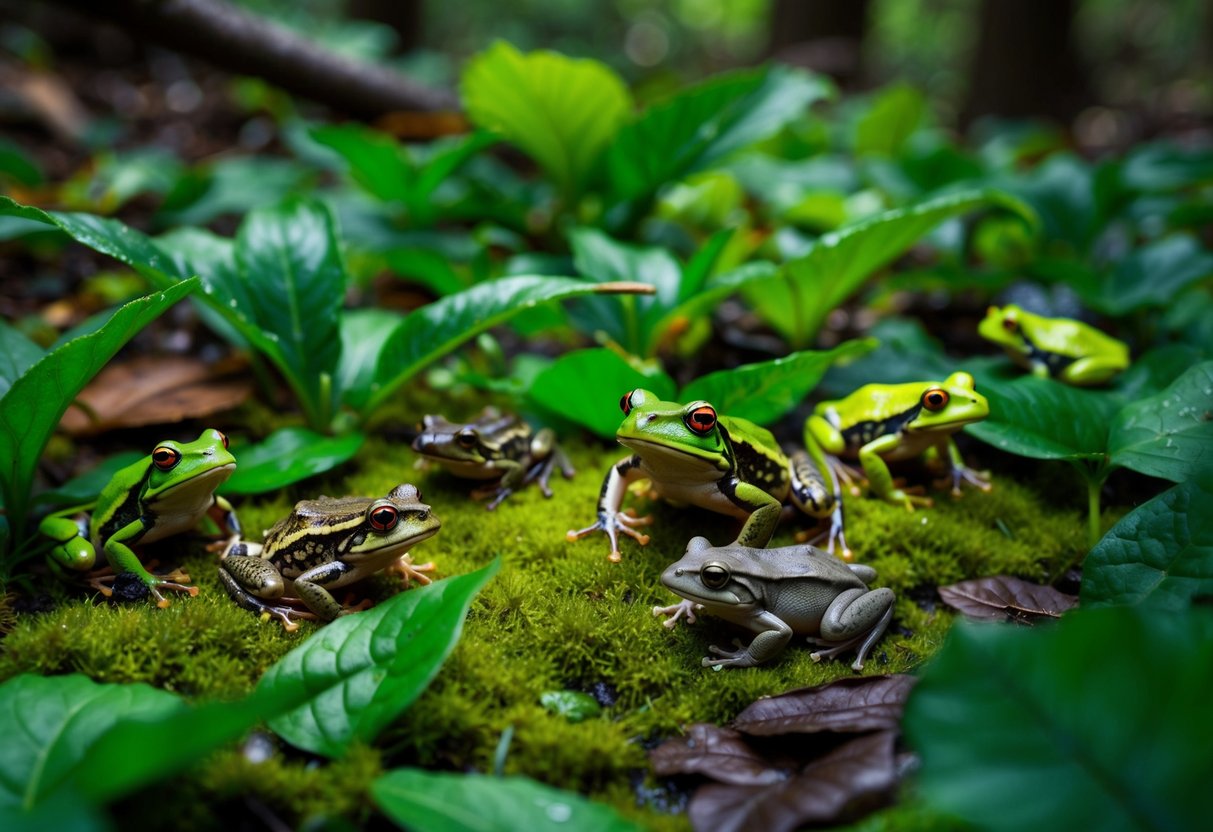
Capturing frog and toad colors accurately is only the first step. Sharing your photos with others allows you to get feedback and recognition for your skills.
Creating a Portfolio
A well-organized portfolio highlights your best frog and toad photos. Choose 10-15 of your top images that show a range of species and colors. Include both close-ups and wider habitat shots.
Use a container or pail with some mud when handling frogs to get natural poses. This helps create more authentic portfolio images.
Organize photos by species, location, or color themes. Add brief captions with the species name and where you took the photo. Consider making a printed book or online gallery to showcase your work.
Exhibitions and Contests
Enter photo contests focused on nature or wildlife photography. Many offer special categories for amphibians or macro photography. Research contest rules carefully and submit your best work that fits the criteria.
Look for opportunities to display your frog and toad photos at local nature centers, libraries, or galleries. Offer to give a talk about amphibian photography techniques along with your exhibit.
Collaborate with researchers or conservation groups. Your accurate color photos may be useful for their work in documenting and protecting frog and toad species.
Online Presence and Social Media
Share your frog and toad photos on social media platforms like Instagram or Flickr. Use relevant hashtags to reach other nature photographers and amphibian enthusiasts.
Start a blog or website to showcase your portfolio and share tips on photographing frogs and toads. Write about your experiences finding and photographing different species.
Join online communities for nature photographers. Share your work, get feedback, and learn from others. Participate in photo challenges or themed posting days to increase engagement with your frog and toad images.
Frequently Asked Questions
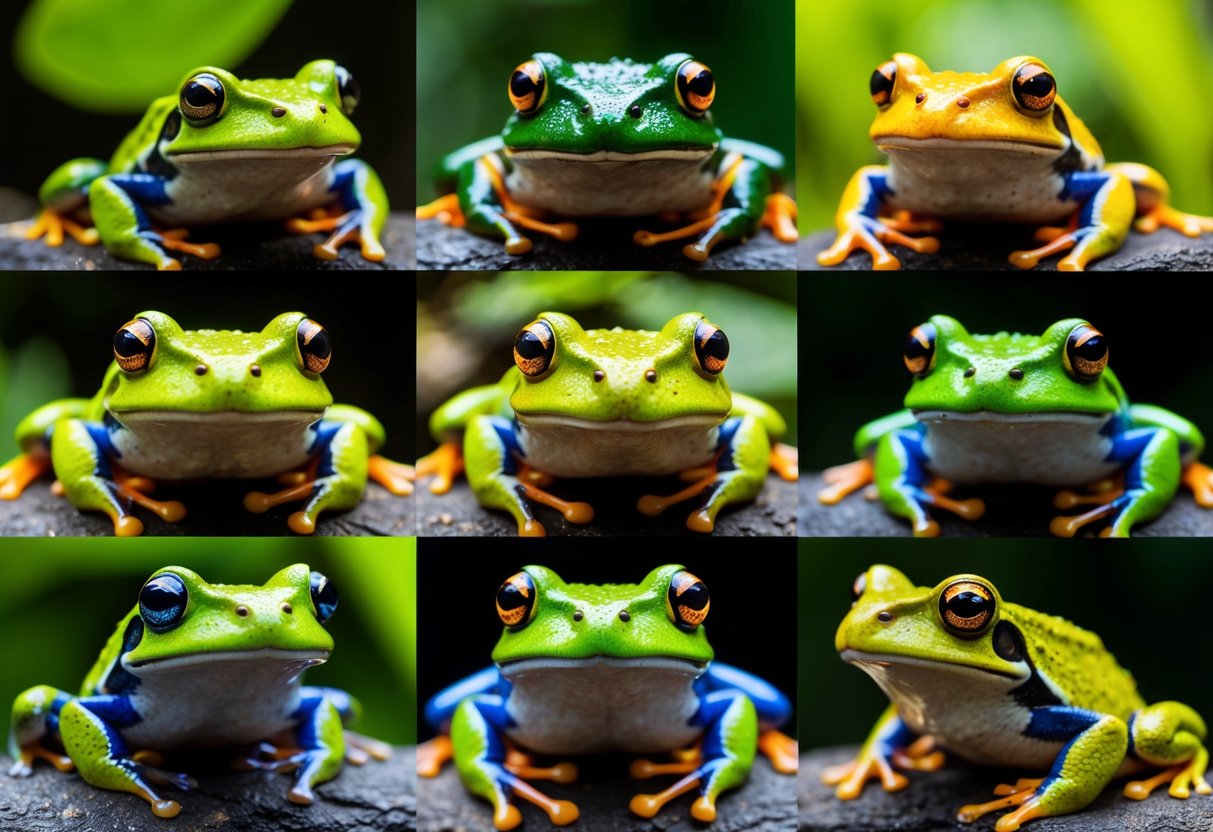
Capturing the vibrant colors of frogs and toads requires careful consideration of equipment, techniques, and environmental factors. Skilled photographers use specialized approaches to ensure accurate color representation in their amphibian images.
What factors influence the vividness of amphibian colors in photographs?
Lighting, camera settings, and the frog’s natural coloration all play key roles.
Bright, diffused light helps bring out vivid hues. Proper white balance and exposure settings are crucial.
The frog’s mood and environment can affect its color intensity. Some species change color based on temperature or stress levels.
Which lenses provide the best clarity for capturing images of amphibians?
Macro lenses with focal lengths between 60mm and 100mm work well for frog photography. These allow close focusing while maintaining a comfortable working distance.
A lens with good sharpness and color rendition is important. High-quality zoom lenses can also produce excellent results when used at their optimal apertures.
What are the ideal lighting conditions for photographing the color variations in frogs?
Soft, diffused natural light on overcast days often produces the best results. This even lighting reveals subtle color variations without harsh shadows.
Early morning or late afternoon light can create warm, pleasing tones. Avoid direct midday sun, which can wash out colors and create unflattering shadows.
How can one stabilize their camera to get sharp images of frogs and toads?
Using a tripod is ideal for maximum stability. A monopod or bean bag can also help steady the camera in challenging terrain.
For handheld shots, photographers should use fast shutter speeds (1/250s or faster) to freeze motion. Image stabilization in lenses or camera bodies can also help.
What post-processing techniques can enhance the natural colors of amphibians in photos?
Careful adjustments to white balance, saturation, and contrast can bring out natural colors. Avoid over-saturating, which can make colors look unrealistic.
Selective color adjustments can help emphasize specific hues without affecting the entire image. Noise reduction may be necessary for photos taken in low light.
How can photographers ensure accurate color representation in frog and toad photography?
Using a color calibration card in test shots helps establish accurate color balance.
Shooting in RAW format allows for more flexibility in post-processing.
Photographers should familiarize themselves with the natural coloration of different frog and toad species. This knowledge aids in achieving true-to-life results.