I love wandering through a lush forest or sitting by a tranquil pond and reveling in the symphony of sounds from a chorus of frogs and toads. These creatures, often unseen, are vital indicators of ecological health. Sadly, I’m going to show you how these habitats are under siege, not from predators, but from something far more insidious – pollution. Yes, the impact of pollution on frog and toad habitats is extensive and continues to grow.
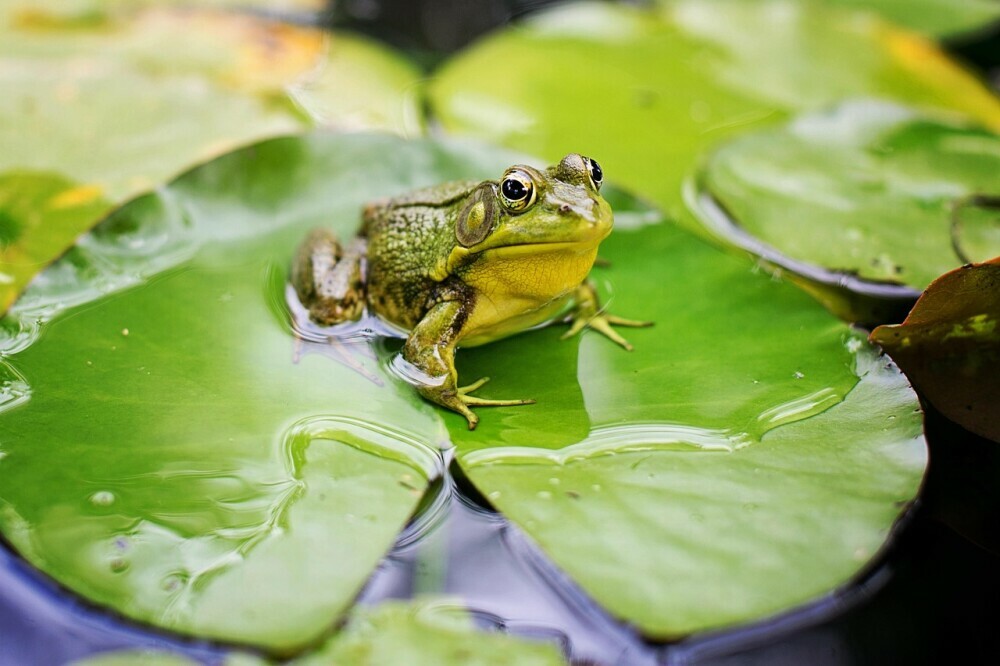
Frog and toad habitats span almost every continent, from the tropical rainforests of South America to the temperate ponds of Europe. Each environment supports a unique tapestry of amphibian life, finely tuned to thrive within these ecosystems. However, pollution is redirecting this evolutionary path toward a cliff’s edge.
You’re going to find out about the various sources of pollution that encroach on these habitats – from chemical runoff to plastic waste. This isn’t just about frogs and toads; it’s about preserving the complex web of life they support. By understanding the scale of the problem, we can begin to take the necessary steps to rectify it.
Let’s prepare to explore how pesticides and industrial wastes are first in line among the offenders, marking not just a local problem, but a global crisis for the populations of these amphibious wonders.
Chemical Warfare: Pesticides and Industrial Waste
You might not have thought much about it, but every time a field is sprayed with pesticides, it turns into a battleground for frogs and toads. These chemicals, intended to protect crops, are often not so kind to our amphibious friends. Their porous skin readily absorbs these toxins, leading to lethal consequences. It’s not just about immediate effects – some of these substances can cause long-term genetic deformities.
It’s the same story with industrial waste. When factories discharge pollutants into rivers and lakes, they’re effectively creating a toxic stew that many species, including frogs and toads, can’t survive in. This kind of pollution can alter the delicate pH balance of their habitats, reduce oxygen levels, and introduce heavy metals and other harmful substances.
Research paints a grim picture. There’s a strong link between habitat pollution and declining amphibian populations. I came across disturbing figures showing sharp decreases in the number of certain frog species in areas where water contamination is high. We’re talking about a silent crisis that’s happening right beneath our noses.
In my opinion, the stories we hear about malformed frogs or toad populations crashing are just the tip of the iceberg. It’s signalling a larger problem in our ecosystems. And unless we grasp the gravity of the situation, we’ll keep witnessing these declines streaming in from around the world.
But wait, there’s more to this saga. Plastic pollution is another heavyweight contender in this ring of habitat hazards. Stick with me, and I’ll walk you through the tangled web where plastics meet pond life in the next part of our story.
Garbage Galore: The Plight with Plastics and Trash
Now, let’s shift focus to a pollution problem that’s hard to miss: the astonishing amounts of plastics and trash infiltrating frog and toad habitats. It’s not just about unsightly litter. This issue runs deeper, impacting the health and survival of these vulnerable creatures.
Plastics are omnipresent in our ecosystems. They entangle the unsuspecting amphibians, creating physical barriers and sometimes fatal traps. But that’s not all. As plastics deteriorate, they release harmful chemicals into the soil and water, adding to the chemical soup that many amphibian species are forced to navigate.
I really hope that you grasp the severity of the situation. Some frog species ingest plastic debris, mistaking it for food, which can lead to intestinal blockages or even starvation. Others become ensnared and incapacitated, falling prey to predators more easily or dying from exposure.
Thankfully, there’s a flip side to this disturbing narrative. Environmentalists and volunteers are working tirelessly to clear habitats of debris. Community clean-up programs have been successful in many regions, proving that direct action can make a genuine difference.
But as we mitigate the current impact, there’s a louder call for addressing the root of the issue. You’re going to find out about habitat destruction, the insidious twin to pollution, in the next section. It’s a complex challenge, but understanding it is the first step towards enacting change and ensuring that frogs and toads leap back from the brink.
Disrupted Ecosystems: Habitat Destruction and Fragmentation
Now, you’re probably aware that as human populations expand, forests, wetlands, and other crucial habitats often pay the price. This isn’t just about losing picturesque landscapes; for frogs and toads, it’s a matter of survival. Habitat destruction directly tears away at the complex environments these amphibians call home.
In their intricate life cycles, frogs and toads depend on specific conditions for breeding, feeding, and hibernation. When these conditions are disrupted by urban development, mining, or agriculture, the delicate balance is tipped. Imagine a breeding site destroyed by construction, or vital feeding grounds turned into parking lots. The impact on amphibian populations is immediate and, often, devastating.
Fragmentation is another silent enemy. Let me explain: even if a habitat isn’t completely destroyed, it can be broken into smaller, isolated pieces. Roads can slice through forests, creating barriers that are difficult and dangerous for amphibians to cross. This isolation can prevent species from accessing diverse gene pools, putting them at greater risk for disease and genetic defects.
You might be wondering, ‘Can anything be done?’ Absolutely. Conservation strategies can make a huge difference. Corridors that reconnect fragmented habitats, conservation easements, and urban planning that considers local ecosystems are all crucial in the fight against habitat destruction. In coming together, communities are working to protect and restore the natural homes of frogs and toads. Integrating green spaces into urban environments isn’t just good for them—it enriches our quality of life, too.
So, let’s carry this momentum into the next conversation on climate change. It’s a colossal challenge that frogs and toads are facing, with implications that stretch beyond their already fragile habitats. You’ll see how changing weather patterns and other climate-related factors are posing yet another layer of complexity to their survival.
Climate Change: An Escalating Danger for Amphibians
Now, let’s tackle a hefty issue that’s reshaping our planet – climate change. This isn’t just about warmer temperatures; it’s also about the fate of our slimy friends in ecosystems worldwide. You’re going to find out about why maintaining the right environmental conditions is crucial for frogs and toads, which are extraordinarily sensitive to climate shifts.
These little amphibians rely heavily on specific breeding windows which are dictated by temperature and rainfall patterns. If these are disturbed by climate change, you can bet there’ll be trouble. I’m talking about altered hibernation periods, skewed sex ratios in populations due to temperature-dependent sex determination, and changing disease dynamics. All of which spell out a recipe for population decline.
A lot is happening very quickly in the amphibian world as a result of climate change. For instance, unpredictable weather patterns lead to unexpected droughts or floods, drastically altering the habitats that frogs and toads need for survival. Moreover, invasive species, which are on the move due to changing climates, can cause additional stress to already struggling native amphibians.
I’m sure you’re wondering, can anything be done? Well, the good news is that actions are being taken. Biologists are meticulously monitoring amphibian populations and their habitats, researching the complex interplay between climate and life cycles. Conservationists are also creating strategies, such as establishing protected areas and breeding programs to safeguard threatened species.
Understanding these issues is vital, but it’s just as critical to connect the dots between knowledge and action. In the upcoming section, we’ll explore what’s been put in place globally to mitigate pollution’s impact and how each of us can make a difference in protecting these precious habitats. Conservation is a collective effort, and I’m here to guide you through the practical steps we can all take.
Protective Measures: Global Initiatives and Individual Actions
So, what can be done to turn the tide for our amphibian friends? Thankfully, it’s not all doom and gloom. There are concerted efforts being made on several fronts to mitigate the impact of pollution on frog and toad habitats.
Internationally, wildlife protection treaties like the Convention on International Trade in Endangered Species (CITES) work to ensure that international trade doesn’t threaten the survival of amphibian species. National governments are also stepping up, creating sanctuaries and enacting environmental policies aimed at habitat conservation.
Closer to home, local communities can engage in habitat restoration projects, like building wetlands and cleaning up ponds and rivers. These hands-on actions have a direct and positive impact on the health of amphibian populations in the area.
Citizen science also plays a vital role. By volunteering to monitor local frog and toad populations, citizens can gather crucial data that helps scientists track the health of these species and the effectiveness of conservation efforts.
Individually, every action counts. You can start by reducing your own ecological footprint: minimize pesticide use, properly dispose of trash, and advocate for environmental policies. It’s also important to spread the word and educate others about the plight of amphibians and the importance of healthy habitats.
I really hope that you’re now equipped with the knowledge of what’s at stake and inspired to take action. I’d love to hear your feedback on steps you’re taking to protect these vital creatures in our ecosystem. Remember, change begins with awareness and a collective commitment to making a difference. Let’s work together to ensure a brighter, cleaner future for frogs, toads, and all wildlife.