The Role Of Frogs And Toads In Ecosystems: Key Contributors to Biodiversity and Balance
Frogs and toads play an essential role in maintaining healthy ecosystems.
They control insect populations, serving as both predators and prey in the food chain.
By feeding on insects, worms, and other small invertebrates, they help to keep various populations in check, preventing outbreaks that could harm other organisms.
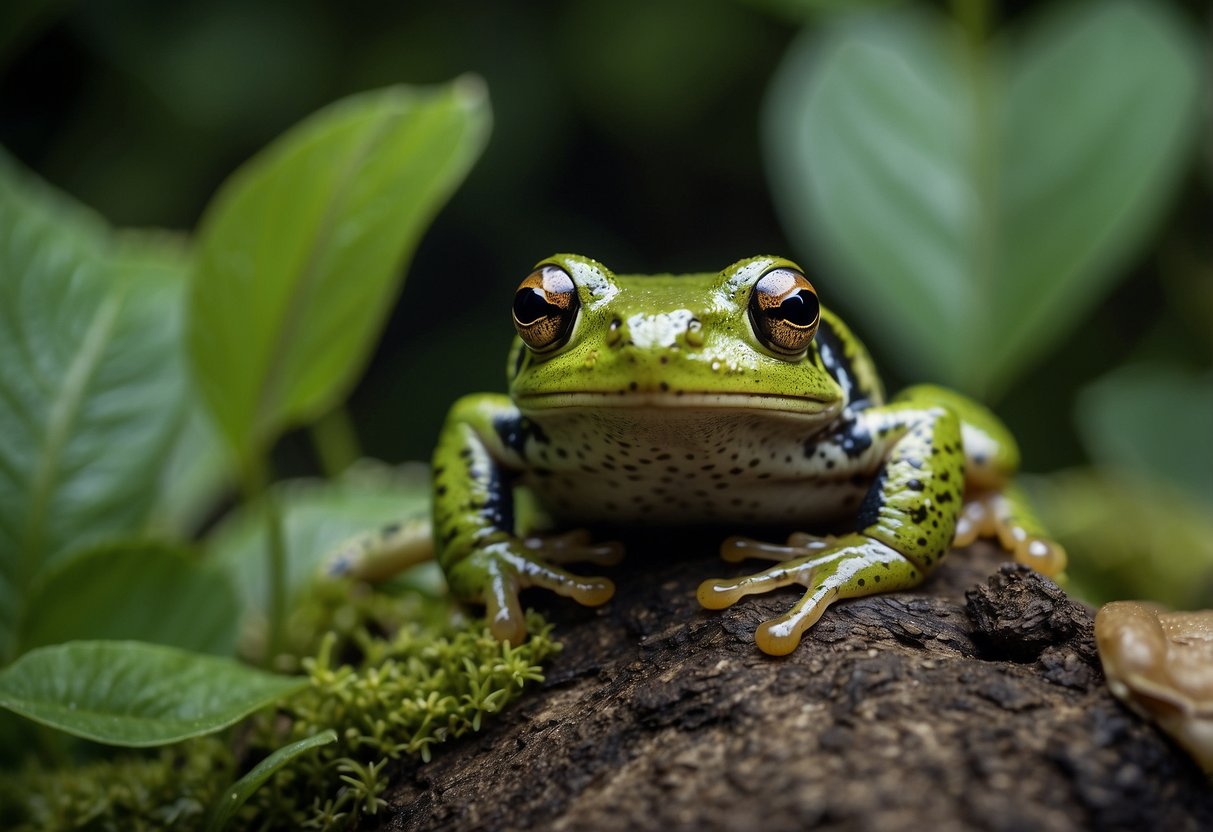
These amphibians are also important bioindicators, meaning their presence or absence can signal the health of the environment.
Their permeable skin allows them to absorb water and toxins from their surroundings, making them particularly sensitive to changes in their habitat due to pollution, climate change, or habitat destruction.
This sensitivity can provide early warnings of environmental issues that might not yet be obvious.
Moreover, frogs and toads have complex reproductive cycles that often depend on specific environmental conditions.
They lay their eggs in water, and both their eggs and tadpoles are vulnerable to pollutants and changes in water quality.
Protecting their habitats is crucial not just for their survival, but also for the broader health of our ecosystems.
Key Takeaways
- Frogs and toads control insect populations, maintaining ecological balance.
- Amphibians serve as bioindicators, reflecting environmental health.
- Protecting their habitats supports overall ecosystem integrity.
Ecological Significance Of Amphibians
Amphibians, including frogs and toads, are crucial to ecosystems.
They serve both as predators and prey, ensuring balance in the food web.
As predators, they consume insects, which helps control pest populations. This benefits both natural habitats and agricultural areas.
For instance, frogs eat mosquitoes, reducing the spread of diseases.
Amphibians are also an important food source for many animals.
Birds, snakes, and larger mammals rely on frogs and toads as a vital part of their diet. This makes amphibians a key link in the transfer of energy within ecosystems.
They contribute to nutrient cycling as well.
Through their life cycle stages—from aquatic tadpoles to land-dwelling adults—amphibians move nutrients between water and land. This movement helps maintain the health of both environments.
Amphibians also have sensitive skins that can absorb chemicals, making them excellent indicators of environmental health.
Benefits of Amphibians:
- Control insect populations
- Serve as food for other animals
- Aid in nutrient cycling
- Indicate environmental health
These roles highlight why amphibians are vital for maintaining ecological balance. For more details, you can read about their critical role in ecosystems.
Diversity Of Frogs And Toads
Frogs and toads exhibit remarkable diversity in species and habitats. This section highlights the variety of species and their wide-ranging habitats.
Species Variety
Frogs and toads belong to the order Anura, with over 7,400 described species.
Species vary in size, color, and physical traits.
For example, the red-eyed treefrog is known for its bright red eyes and vibrant green body.
Toads, like the marine toad, have warty skin and can secrete toxins as self-defense.
These amphibians display a wide range of adaptations allowing them to thrive in diverse environments. The vast variety is a testament to their evolutionary success and their importance within ecosystems.
Habitat Distribution
Frogs and toads can be found in virtually all types of habitats.
They live in tropical rainforests, deserts, temperate forests, and even urban areas.
Frogs, such as the ones with smooth skin, often thrive near water bodies like ponds, rivers, and lakes.
Toads are more adapted to drier conditions and have bumpy, dry skin to prevent dehydration.
They can be found in gardens, woodlands, and grasslands.
The wide distribution of these amphibians helps maintain ecological balance and supports biodiversity.
Roles In Ecosystems
Frogs and toads play important roles in maintaining the balance of their ecosystems. They help control insect populations and serve as both prey and predators.
Insect Population Control
Frogs and toads are great at controlling insect populations. One reason is their diet.
They eat a lot of insects like mosquitoes, flies, and beetles. This helps keep these pests from becoming too many.
This control is especially important in farming areas. Fewer insects mean fewer crops get damaged.
Another reason is that frogs and toads are always looking for food.
They are active at night and during the day, which means they eat insects around the clock.
By eating so many insects, they help prevent the spread of diseases.
For example, fewer mosquitoes mean less chance of spreading malaria and other diseases.
Prey And Predator Dynamics
Frogs and toads are not just hunters; they are also prey. Many animals eat them, like snakes and birds.
This makes them a central part of the food chain.
For instance, a great blue heron often eats frogs. These amphibians provide a rich source of protein for larger animals.
In my experience studying ecosystems, I noticed that when frog populations decline, it affects other animals as well.
Predators that rely on them for food must find other food sources, which might not be as nutritious. This can weaken those predators over time.
These amphibians also add to the predator-prey balance by hunting small creatures like worms and spiders. This helps maintain the diversity of the ecosystem.
Their presence can even indicate the health of the environment. If frogs and toads are thriving, it often means the ecosystem is in good shape.
Frogs And Toads As Bioindicators
Frogs and toads play a vital role in indicating the health of their environments. They are sensitive to changes in ecosystems due to their permeable skin and lifecycle.
Indicator Species
Frogs and toads are often called indicator species.
Their presence or absence in an area can signal the state of the ecosystem.
These amphibians are particularly sensitive to pollutants like chemicals and pesticides.
For example, they might develop deformities or experience mass die-offs if exposed to harmful substances.
Because they absorb toxins through their skin, they accurately reflect the chemical composition of their habitats.
This makes them excellent subjects for monitoring ecosystem changes.
Scientists can observe these species to detect early signs of environmental stress or contamination.
Environmental Health Monitoring
Frogs and toads are crucial for environmental health monitoring.
Their reactions to ecological shifts provide important data for researchers.
Amphibians respond to even subtle changes in water quality, temperature, and habitat conditions.
This sensitivity allows researchers to use them in ecotoxicological studies.
Habitually used as bioindicators, these amphibians can alert us to issues like habitat destruction and climate change.
For instance, a decline in frog populations often indicates a broader environmental problem.
They serve as an early warning system, prompting further investigation and possible remediation actions.
Reproduction And Lifecycle
Frogs and toads go through unique reproductive behaviors and distinct developmental stages. Their lifecycle includes a fascinating process from egg to adult.
Breeding Behaviors
Frogs and toads have intriguing breeding behaviors.
Many species gather in large groups during mating season.
Males often call out to attract females using vocal sacs, producing a distinct sound that varies by species.
Females choose mates based on these calls. Once paired, the male climbs onto the female’s back in a position called amplexus.
This helps ensure successful fertilization, as the female lays eggs in water or moist environments.
Female frogs can lay hundreds or even thousands of eggs at once, while toads tend to lay eggs in long ribbons.
The specific breeding behaviors can vary greatly among species.
For instance, some frogs prefer still waters like ponds, while others may reproduce in fast-moving streams.
Development Stages
The life cycle of frogs and toads includes four main stages: egg, tadpole, froglet, and adult.
Eggs: Frogs lay egg masses, while toads lay eggs in strings. Eggs hatch in a few days to a few weeks, depending on the species.
Tadpoles: After hatching, tadpoles emerge. They have gills, a tail, and mouthparts suitable for filter-feeding. During this stage, they live entirely in water.
Froglets: As tadpoles grow, they develop limbs and start to lose their tails. They become froglets, in transition between aquatic tadpole and terrestrial adult.
Adult Frogs: Fully grown frogs or toads are capable of living on land and in water.
Adults are vital to the ecosystem as they control insect populations and serve as prey for larger animals.
Conservation Challenges
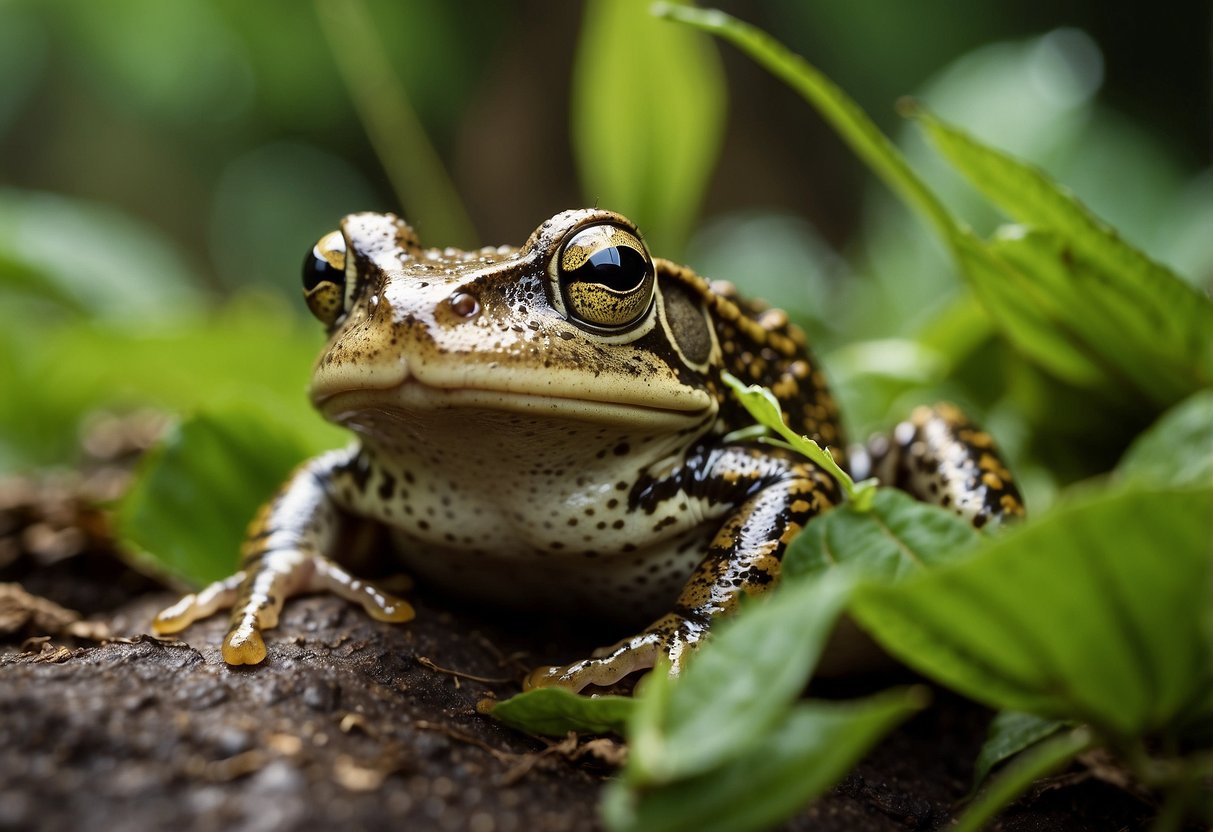
Frogs and toads face significant challenges that threaten their survival.
Critical issues include habitat loss, climate change, disease, and pollution. These factors drastically impact their populations and ecosystems.
Habitat Loss
One of the biggest challenges for frogs and toads is habitat loss.
Wetlands, forests, and streams are being destroyed by urban development and agriculture. Without these natural habitats, frogs and toads cannot reproduce or find food.
Wetlands, in particular, are critical for many amphibian species.
Draining these areas for farming or construction eliminates breeding grounds. Additionally, deforestation reduces leaf litter habitats, which many species rely on to hide from predators and find insects to eat.
Conservation efforts must focus on protecting and restoring these vital habitats.
Encouraging policies that preserve wetlands and forests can help safeguard frog populations.
Climate Change Effects
Climate change is another major threat to frogs and toads, altering their habitats and disrupting their life cycles.
Rising temperatures can dry out wetlands, which are crucial for breeding. Unpredictable weather patterns make it difficult for amphibians to adjust to their changing environments.
Some species are sensitive to temperature changes and cannot survive if their habitats become too warm.
Scientists have observed shifts in breeding seasons due to climate fluctuations, which can impact development stages and the availability of food.
Mitigating climate change effects requires global efforts to reduce greenhouse gas emissions and protect critical ecosystems.
Supporting conservation programs can help buffer the impacts of a changing climate on amphibians.
Disease and Pollution
Frogs and toads are also highly vulnerable to diseases and pollution.
The Chytrid fungus has devastated populations worldwide, causing skin infections that lead to death. This disease spreads rapidly and can wipe out entire species.
Pollution from pesticides, herbicides, and industrial waste contaminates water sources, harming amphibians.
These chemicals can cause deformities, impair reproduction, and weaken immune systems, making frogs more susceptible to disease.
To combat these challenges, it’s essential to monitor and control pollution levels in habitats.
Also, promoting the use of environmentally friendly agricultural practices and researching disease prevention methods are crucial.
Increasing public awareness about these threats can also play a key role in conservation efforts.
Restoration And Protection Strategies
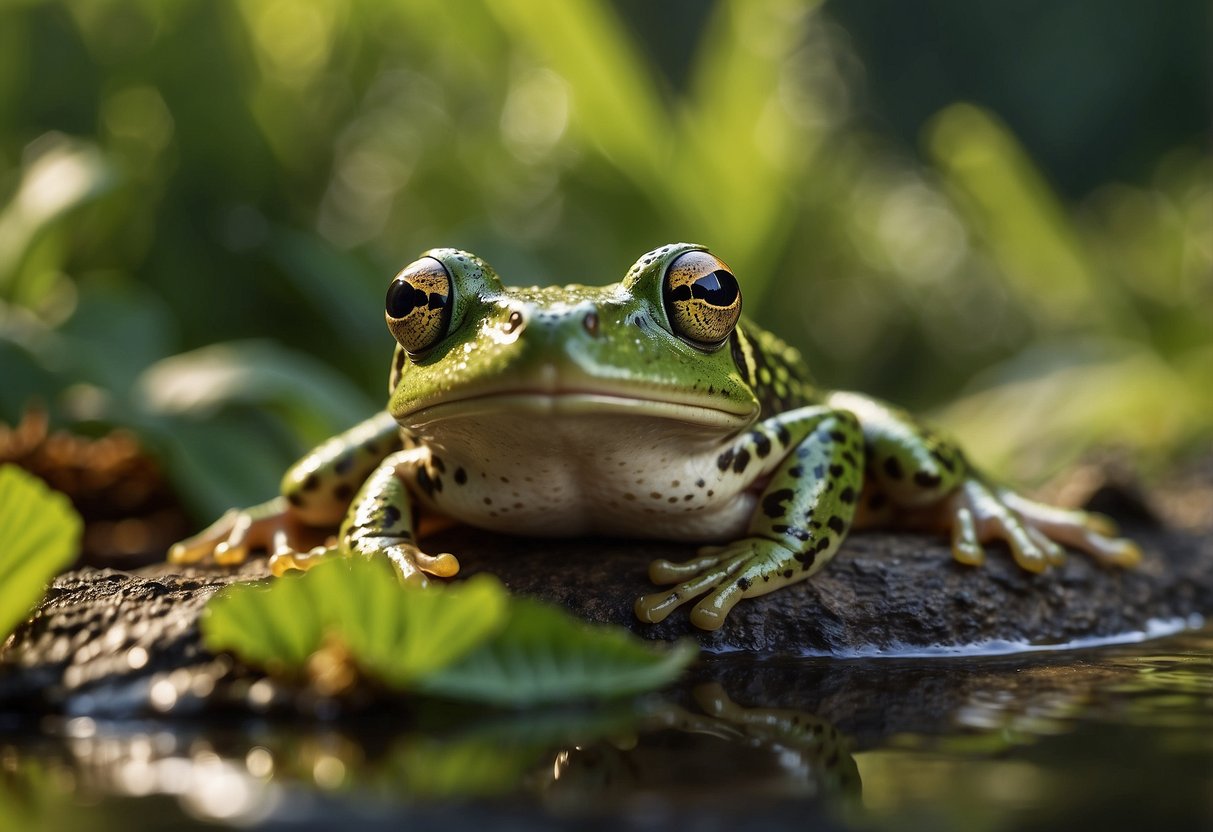
Restoring and protecting frog and toad populations involves various strategies such as conservation programs, creating protected habitats, and engaging community involvement. Each approach plays a vital role in ensuring the survival of these important amphibians.
Conservation Programs
Conservation programs are essential to safeguard frog and toad populations.
These initiatives often include habitat restoration projects and breeding programs. The goal is to increase population numbers and genetic diversity.
Several organizations work to reintroduce endangered species back into the wild.
For instance, Coloma’s organization is focused on breeding jambato toads in captivity with plans for future reintroduction.
These programs are critical as they also monitor and research amphibian health, which can provide early warning signs of broader environmental issues.
Protected Habitats
Creating and maintaining protected habitats is crucial for the survival of frogs and toads.
These habitats offer a safe space free from pollution, invasive species, and human interference.
Protected areas may include wetlands, forests, and other natural environments where amphibians thrive.
In Australia, more than 240 species of native frog rely on well-maintained habitats for their survival.
Efforts often involve managing water quality and ensuring a supply of clean, unpolluted water which frogs need at various stages of their life cycle.
Community Involvement
Active community involvement helps to raise awareness and gather vital data on frog populations.
Citizen science projects, such as FrogID Week, encourage volunteers to record frog calls and submit them via a free app.
This allows scientists to identify and map native frog species across regions, which aids in conservation efforts.
Engaging the community also helps foster a sense of responsibility and stewardship towards local ecosystems.
Such efforts demonstrate that protecting frogs and toads is a collective responsibility, and every individual can contribute to their preservation.
Future Research Directions
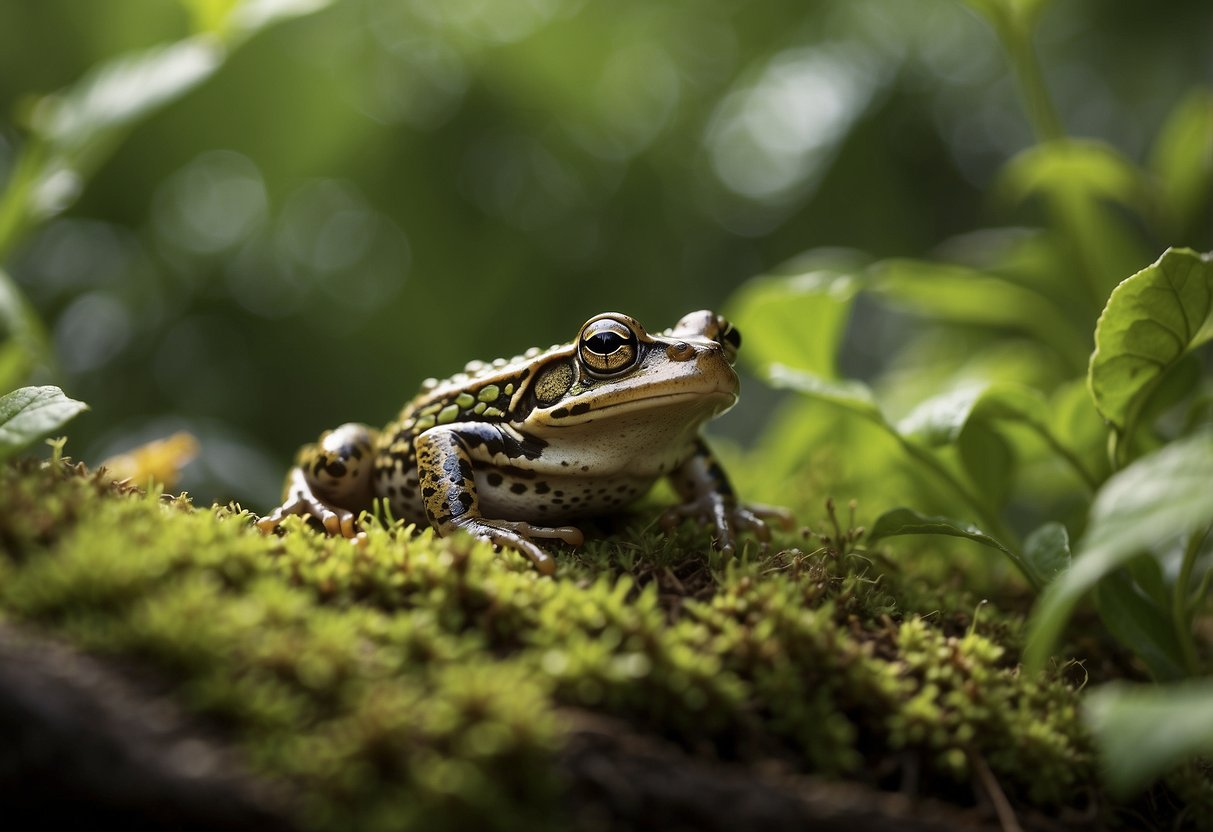
One key area for future research is understanding how frogs and toads adapt to rapidly changing climates.
Many species are already showing changes in breeding patterns and habitat use. Studying these adaptations can help predict future trends and inform conservation efforts.
Another important research direction is exploring the impact of habitat loss and degradation on frog and toad populations.
Wetlands and vernal pools are critical breeding sites, and their loss could have significant effects on these species. Investigating how different types of habitat loss affect frog and toad populations can guide habitat restoration projects.
Disease resistance in frogs is also a critical research area.
For example, researching the thermal refugia that help frogs resist chytridiomycosis, a deadly fungal disease, could identify new ways to protect vulnerable species. Hotspot shelters have been shown to stimulate resistance to this disease, potentially offering a model for other conservation efforts.
Pollution detection using frogs and toads is another promising field.
These amphibians are good biological indicators due to their sensitivity to environmental changes.
Studies focusing on how these species respond to different types of pollutants can provide valuable data for monitoring ecosystem health.
I also recommend research into the genetic diversity of frogs and toads.
Understanding genetic variation within and between populations can help in developing targeted conservation strategies.
This can be crucial for maintaining healthy populations, especially in fragmented habitats.
Interdisciplinary studies involving ecology, genetics, and climate science can offer comprehensive insights into the factors affecting frog and toad populations.
Combining data from multiple fields can lead to more effective conservation strategies and a deeper understanding of these vital species’ role in ecosystems.
Conclusion
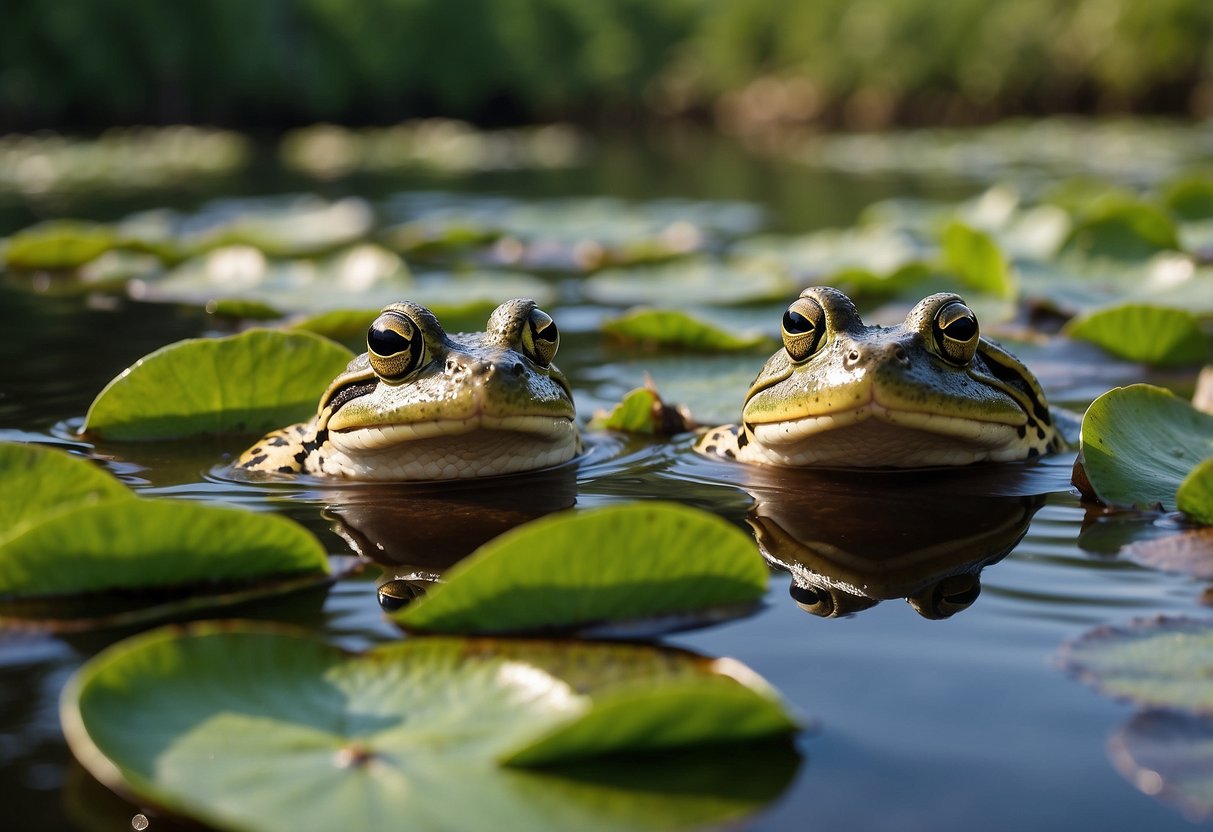
In ecosystems, frogs and toads hold significant roles. They act as both predators and prey, helping to maintain balance.
Frogs control insect populations, reducing pest numbers. They eat mosquitoes, flies, and other bugs that can spread disease. This has a direct positive impact on human health.
Predators like birds, snakes, and fish rely on frogs and toads as a food source. If these amphibians were to disappear, it could disrupt food chains, causing serious ecological issues.
Frogs also contribute to soil health.
When they burrow, they aerate the soil, which helps plants to grow. Healthy soil promotes better plant health, affecting the entire ecosystem.
Amphibians are sensitive to environmental changes, acting as bioindicators. Their health reflects the state of their environment, providing early warnings about pollution or climate change.
By protecting frogs and toads, we also safeguard water quality.
They often live in wetlands, which filter and purify water, benefiting many species, including humans.
Frequently Asked Questions
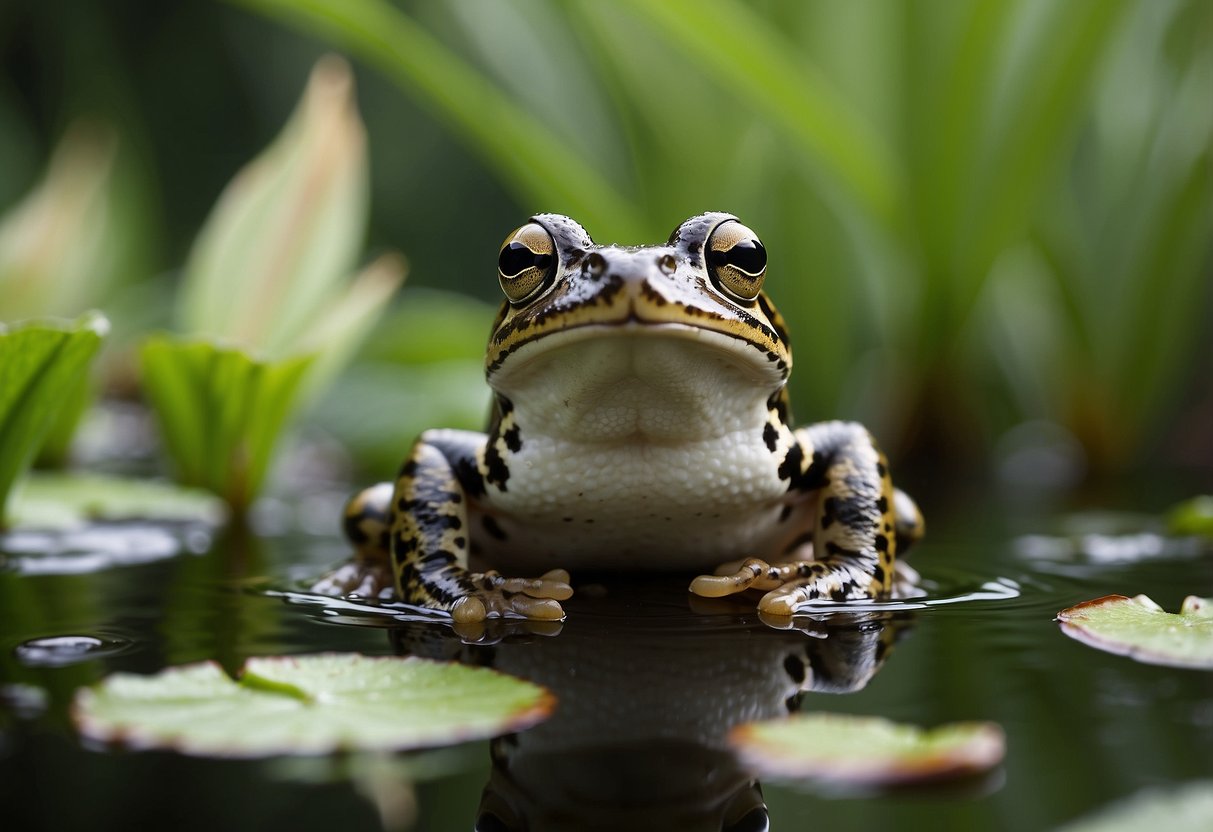
Frogs and toads are crucial for ecosystems. They provide benefits such as pest control, nutrient cycling, and serving as indicators of environmental health.
Why are frogs important to the environment?
Frogs play a vital role in controlling insect populations. They eat mosquitoes, flies, and other pests. This helps reduce the spread of diseases. Their presence also supports the food web, as they are prey for birds, fish, and snakes.
What ecological functions do toads serve in their habitats?
Toads help keep insect populations in check by eating ants, beetles, and other small creatures. They also aerate the soil while burrowing, which improves plant growth. Toads are an essential part of maintaining balanced and healthy ecosystems.
How do amphibians like frogs and toads contribute to human well-being?
Frogs and toads help control pests that can damage crops, aiding agriculture. Some species produce bioactive compounds used in medical research. These compounds have potential for developing new medications. Their role in limiting disease-carrying insects indirectly benefits human health.
What would be the impact on ecosystems if frog populations declined?
A decline in frog populations could lead to an increase in insect pests. This can disrupt food webs and harm other animal populations. Loss of frogs would also impact animals that rely on them as a food source, potentially leading to ecological imbalances.
In what ways do frogs and toads support biodiversity?
Frogs and toads contribute to biodiversity by serving as both predator and prey. They support various species within their ecosystems. High amphibian diversity often indicates a healthy environment. Diverse amphibian populations help maintain stable and resilient ecosystems.
Can the presence of frogs and toads in an area indicate environmental health?
Yes, frogs and toads are often considered indicator species. Their health can reflect the state of the environment.
Changes in their populations can signal pollution or habitat destruction. Healthy amphibian populations usually suggest clean water and a stable ecosystem.