Understanding Frog and Toad Behavior for Better Photos: Key Tips for Wildlife Photographers
Frogs and toads are fascinating subjects for photography. Their unique behaviors and habitats offer endless opportunities for captivating images.
To capture these amphibians effectively, it’s crucial to understand their habits and preferences.
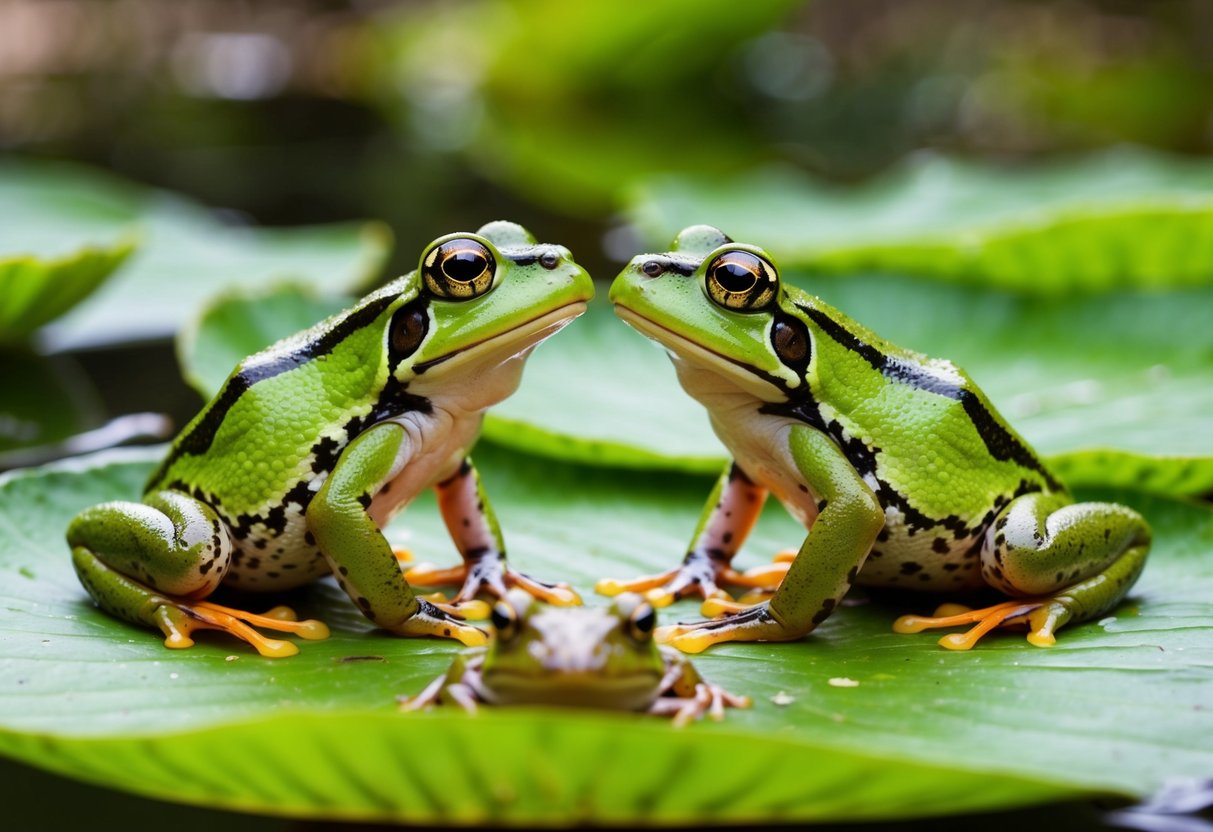
Learning about frog and toad behavior can significantly improve your chances of getting great photos. Frogs and toads have different characteristics that affect how they move, where they live, and when they’re most active.
For example, frogs typically have smooth, moist skin and long legs for jumping, while toads have dry, bumpy skin and shorter legs for walking.
Knowing when and where to find these amphibians is key. Frogs are often found near water bodies, while toads can venture further onto land.
Understanding their daily and seasonal patterns will help photographers plan shoots and capture unique moments, from breeding rituals to hunting behaviors.
Key Takeaways
- Understanding amphibian behavior enhances photo opportunities
- Timing and location are crucial for successful frog and toad photography
- Ethical considerations are important when photographing these sensitive creatures
Understanding Frog and Toad Fundamentals
Frogs and toads have unique physical features and behaviors that influence their habitats and lifestyles. Knowing these basics helps photographers capture better images of these amphibians in their natural settings.
Anatomy and Physiology
Frogs and toads share many similarities but have key differences. Frogs typically have smooth, moist skin that helps them stay hydrated. Toads have dry, bumpy skin that protects them from water loss.
Frogs have long, powerful hind legs for jumping. Toads have shorter legs better suited for walking. Both have large eyes to spot prey and predators.
Their body shapes differ too. Frogs are usually sleek and streamlined. Toads tend to be wider and rounder. These shapes affect how they move and where they live.
Frogs and toads can change color to blend in with their surroundings. This ability helps them hide from danger and sneak up on food. Photographers can use this knowledge to find well-camouflaged subjects.
Species and Habitat Diversity
There are over 7,000 known species of frogs and toads worldwide. They live in many different habitats, from rainforests to deserts.
The smallest frog is the Brazilian Gold Frog at just 9.8 mm long. The largest is the Goliath Frog, reaching up to 32 cm. This size range affects where species live and how they behave.
Habitat types include:
- Ponds and lakes
- Streams and rivers
- Trees and bushes
- Underground burrows
Some frogs, like tree frogs, have special toe pads for climbing. Others, like burrowing frogs, have strong front legs for digging. These adaptations help them thrive in specific environments.
Knowing where different species live helps photographers find and photograph them. It also aids in understanding their behaviors and daily routines.
Behavioral Patterns of Frogs and Toads
Frogs and toads display distinct behaviors that affect their activities and interactions. These patterns shape their breeding, feeding, and survival strategies in various habitats.
Breeding and Lifecycle
Frogs and toads have unique breeding rituals. Most frogs are active at night, which helps them find mates and avoid predators. During mating season, male frogs produce loud calls to attract females.
Toads follow a similar lifecycle to frogs. They lay eggs in water, but in a different way. Toads deposit their eggs in long strings attached to plants in shallow areas. Frog eggs, on the other hand, form clusters.
Both frog and toad eggs hatch into tadpoles. These tadpoles live in water and breathe through gills. As they grow, they develop legs and lungs. This process is called metamorphosis.
Diet and Foraging
Frogs and toads are carnivores. They eat insects, spiders, and small invertebrates. Some larger species may even eat small fish or mammals.
These amphibians have unique hunting methods:
- Long, sticky tongues to catch prey
- Quick reflexes to grab moving insects
- Excellent eyesight to spot food
Frogs often hunt near water sources. Toads, however, prefer drier environments and may venture further from water to find food.
Predator Evasion Techniques
Frogs and toads have developed various ways to avoid becoming prey. Their methods include:
- Camouflage: Many species can blend into their surroundings.
- Toxins: Some frogs and toads produce poisonous skin secretions.
- Jumping: Frogs use their long legs to leap away from danger quickly.
Toads often rely on their dry, warty skin for protection. This texture makes them less appealing to predators. It also helps them retain moisture in dry conditions.
When threatened, some frogs inflate their bodies to appear larger. Others may play dead to fool predators. These behaviors increase their chances of survival in the wild.
Photography Basics for Capturing Amphibians
Taking great photos of frogs and toads requires the right gear and an understanding of lighting. The equipment you choose and when you shoot can make a big difference in your amphibian images.
Camera Equipment Essentials
A good macro lens is key for photographing frogs and other amphibians. A 100mm macro lens works well for most situations. It lets you get close-up shots while keeping a safe distance from shy subjects.
For sharp images, use a tripod to keep the camera steady. This is especially important in low light. A remote shutter release also helps avoid camera shake.
To light up small details, invest in a macro flash or ring light. These provide even lighting for close-ups. Pack extra batteries and memory cards too.
Lighting and Time of Day
Early morning and late afternoon offer the best natural light for frog photos. The soft, warm light at these times brings out colors and textures.
Overcast days work well too. They create soft, even lighting without harsh shadows. Avoid bright midday sun, which can cause glare and washed-out colors.
For night shots, use a flash to freeze motion. Set a slow shutter speed of 5 seconds or more to capture ambient light too. This creates a glowing effect.
Consider using off-camera flash for more control. It helps highlight textures and create depth in your images.
Advanced Photography Techniques
Getting great frog and toad photos requires skill and technique. These tips will help you capture stunning images of amphibians in their natural habitats.
Understanding Behavior for Better Shots
Frogs and toads have unique behaviors that photographers can use to their advantage. Knowing when and where to find frogs is key. Early morning and evening are often the best times, as many species are more active then.
Look for areas with water and vegetation. Ponds, streams, and marshy areas are good spots to search. Listen for calls to locate frogs.
Pay attention to frog posture and movement. A frog preparing to jump will crouch down first. This lets you anticipate action shots. Some frogs remain very still when approached, allowing for close-up portraits.
Use a slow, quiet approach to avoid startling your subjects. Patience is important. Wait for natural behaviors like calling, eating, or interacting with other frogs.
Macro Photography Tips and Tricks
Macro lenses are ideal for capturing small details of frogs. A 100mm macro lens works well for most species. Use a wide aperture like f/2.8 to blur the background and make the frog stand out.
Good lighting is crucial. Use a diffused flash or reflector to illuminate the frog without harsh shadows. Natural light can work well in open areas.
For underwater shots, try using a low ISO of 200-400 with flash. This keeps the image sharp and colorful.
Focus on the frog’s eyes for engaging portraits. Use manual focus for precise control. A tripod helps keep the camera steady for sharp images.
Experiment with different angles. Get down to eye level with the frog for an intimate perspective. Try shooting through vegetation for a natural framed effect.
Optimal Seasons and Conditions for Frog/Toad Photography
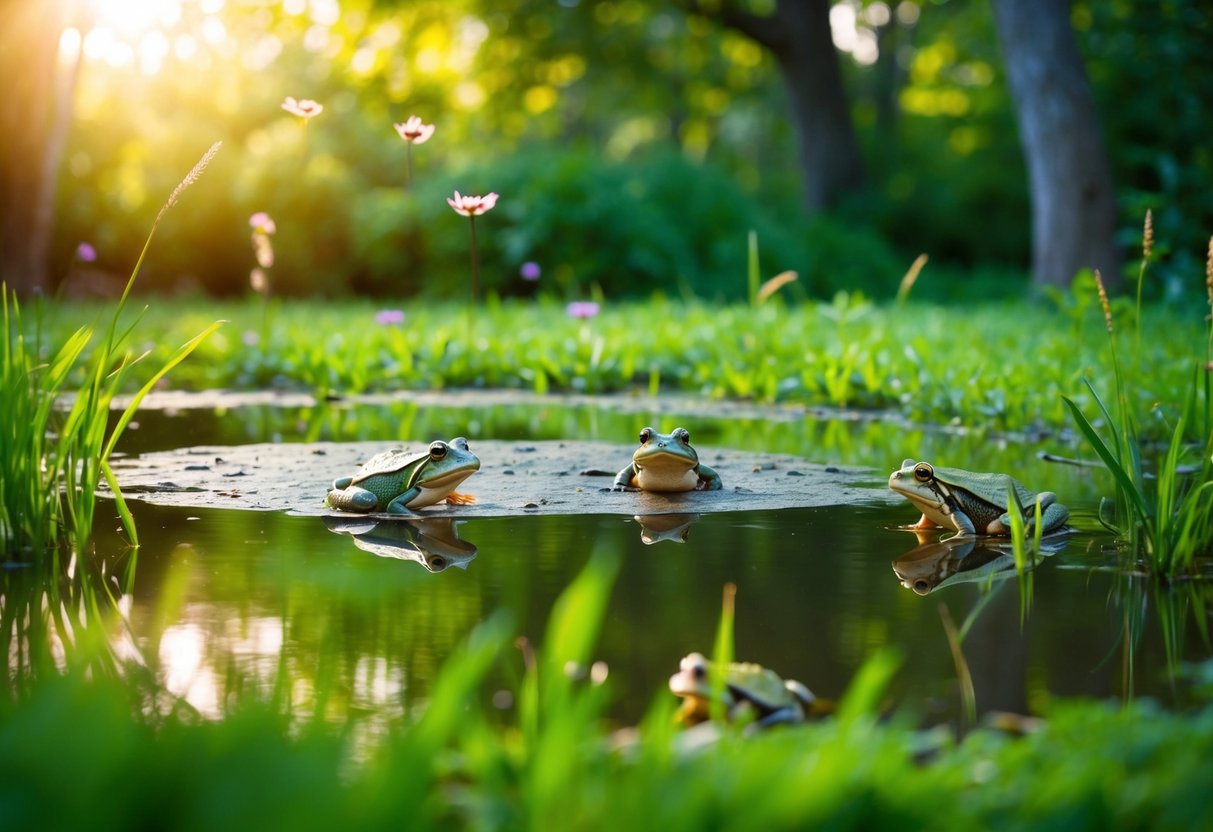
Spring is prime time for frog and toad photography. This is when many species emerge from hibernation to breed. Photographers can capture amazing shots of mating frogs and toads during this season.
Rainy days and nights are ideal for finding active amphibians. Frogs and toads love moisture and often come out in full force after rainfall. Cloudy, overcast conditions can also be great for photography.
Early morning and evening are typically the best times of day. Many species are more active during these cooler periods. Nighttime can yield exciting photo opportunities too, especially for nocturnal species.
Warm, humid weather tends to increase amphibian activity. Temperatures between 60-80°F (15-27°C) are often perfect. However, different species have varying temperature preferences.
Here are some key conditions to look for:
- Recent rainfall
- Overcast skies
- Temperatures above 60°F (15°C)
- High humidity
- Near water sources
Photographers should seek out shallow wetlands and ponds where frogs gather to breed. Slow-moving streams, marshes, and even temporary puddles can be hotspots for amphibian activity.
Patience is crucial. Sometimes waiting quietly by a promising location will yield the best photo opportunities as frogs and toads emerge.
Ethical Considerations and Habitat Preservation
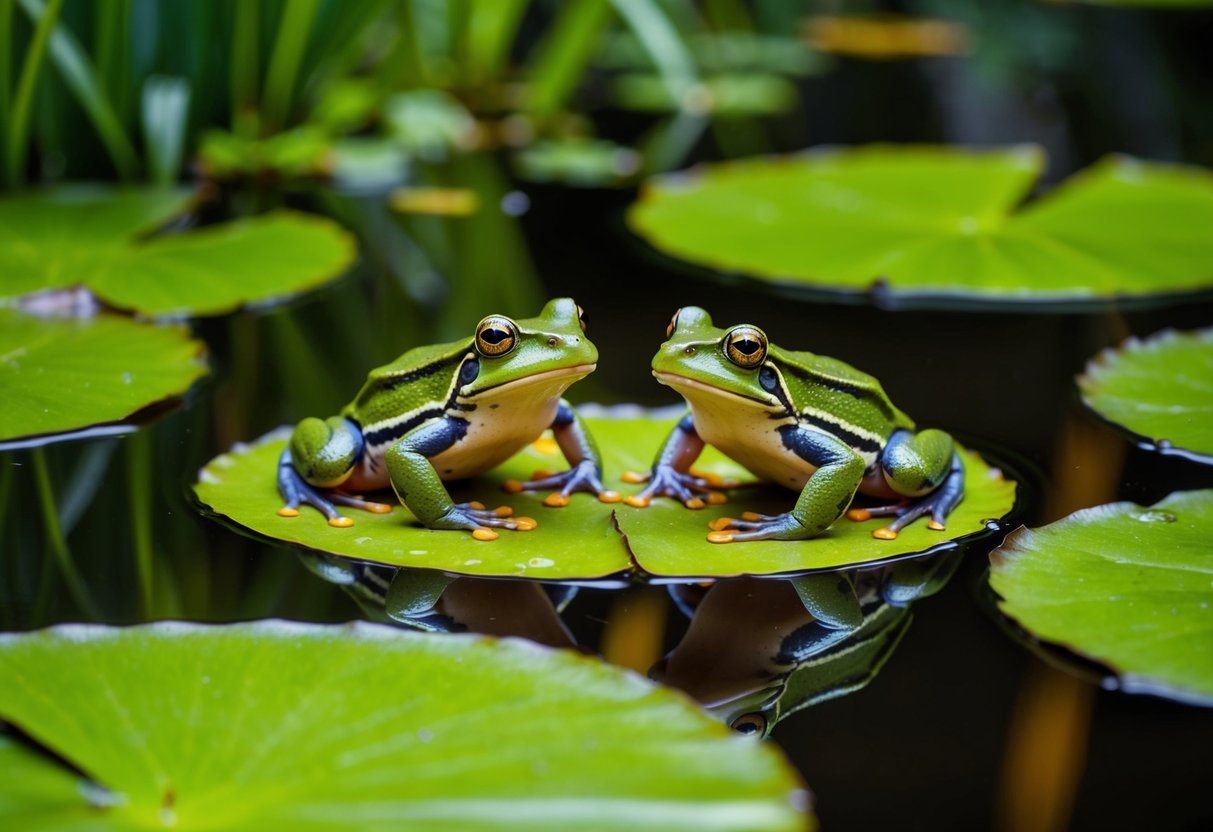
Taking photos of frogs and toads requires care and respect for their habitats. Photographers must avoid disturbing these animals or damaging their environments.
Some key ethical guidelines include:
- Never move frogs or toads from their natural spots
- Don’t use flash photography, which can stress amphibians
- Stay on marked trails to avoid trampling habitat
- Limit time spent near breeding areas
Animal dissections in schools have raised ethical concerns. Similarly, wildlife photography must balance getting good shots with protecting animals.
Habitat preservation is crucial for frog and toad survival. Photographers can help by:
• Reporting habitat destruction to local authorities • Joining conservation groups • Educating others about amphibian protection
Climate change and pollution threaten many frog and toad species. Expanding human activities put pressure on their habitats.
Responsible photography supports conservation efforts. Beautiful images can inspire people to care about frogs and toads. This can lead to more support for protecting these amazing creatures.
Editing and Presenting Your Photos
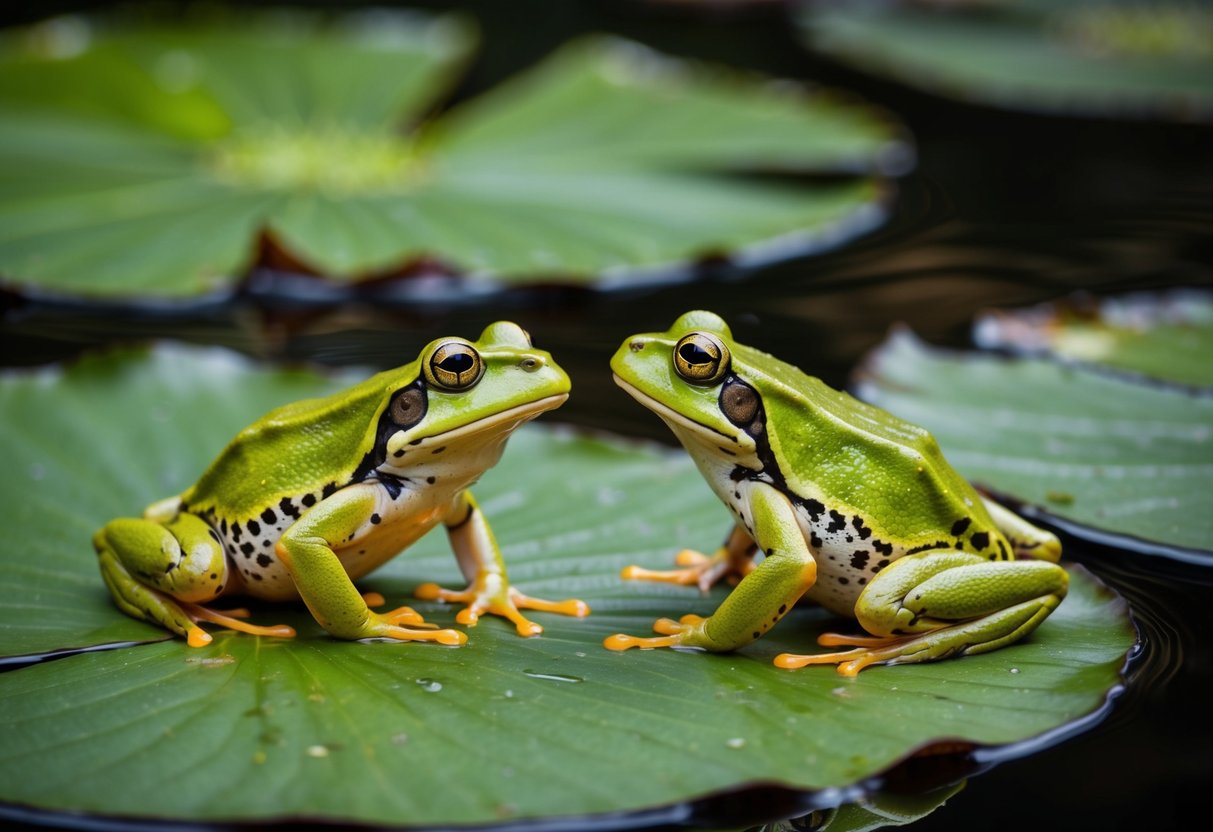
After capturing great shots of frogs and toads, editing can enhance their visual impact. Start by adjusting basic settings like exposure, contrast, and color balance to make the subjects pop.
Crop images carefully to draw focus to the amphibian’s key features. Smooth or slimy skin textures in frogs and dry, bumpy skin in toads can be accentuated with careful sharpening.
Consider these editing techniques:
- Increase saturation to bring out vibrant colors
- Use selective brightening to highlight eyes
- Apply noise reduction for cleaner backgrounds
- Adjust white balance to capture accurate skin tones
When presenting frog and toad photos, group similar images together. Create collections based on species, habitats, or behaviors. This helps viewers appreciate the diversity of these amphibians.
Online galleries and social media are great platforms for sharing edited photos. Include informative captions with species names and interesting facts about the subjects.
For print displays, matte finishes often work well for nature photography. They reduce glare and complement the organic textures of frogs and toads.
Frequently Asked Questions
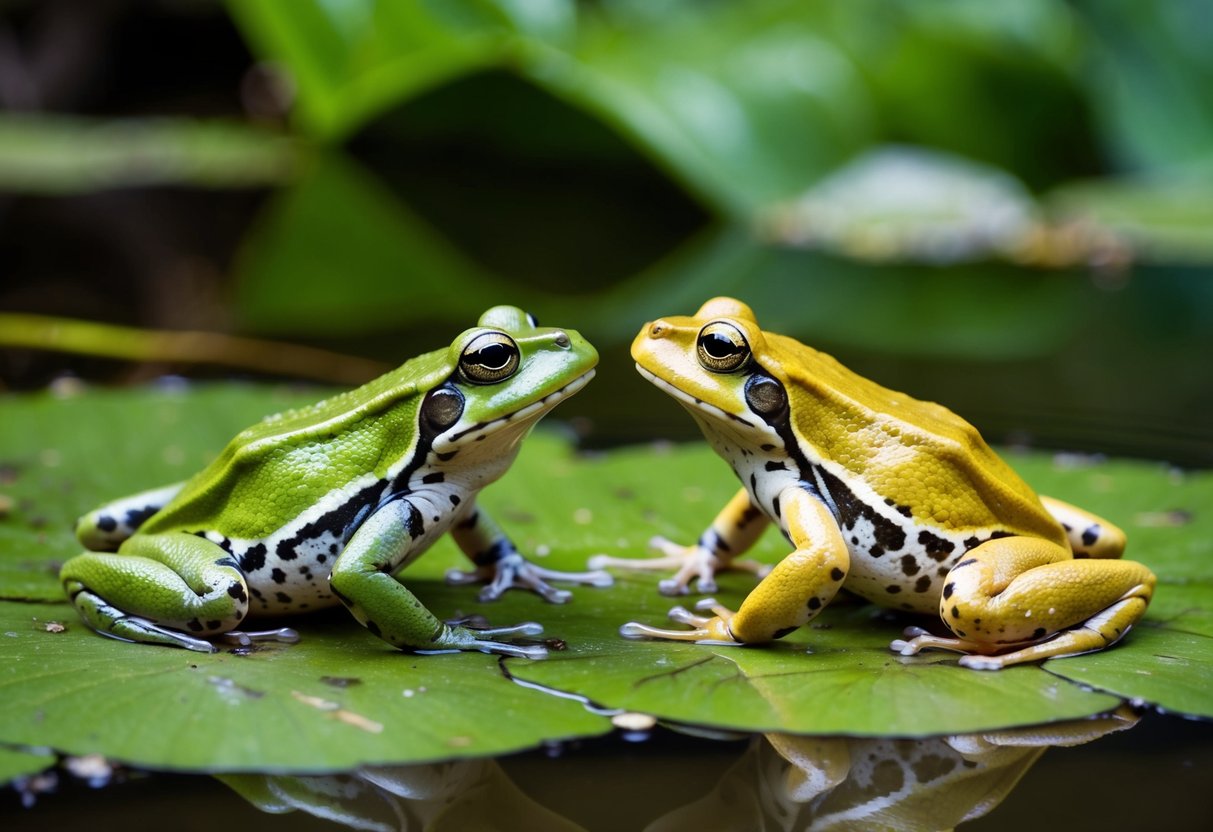
Photographers can enhance their amphibian images by understanding frog and toad behavior. Key aspects include recognizing visual differences, habitat preferences, life cycles, and safety considerations.
What behavioral cues indicate the best moment to photograph frogs and toads?
Frogs and toads are most active during breeding seasons. Males often call to attract mates, making this an ideal time for photos. Dawn and dusk are prime periods for amphibian activity.
Look for frogs near water sources, especially on rainy days. Toads may be more visible after rainfall when they emerge to feed and breed.
How do habitat differences between frogs and toads affect their behavior?
Frogs typically prefer moist environments near water bodies. They spend more time in or around ponds, streams, and marshes. This affects their behavior and where photographers can find them.
Toads are more terrestrial and can be found in drier areas. They often hide under logs or in leaf litter during the day. At night, they become more active, offering opportunities for nighttime photography.
What are the key visual differences between frogs and toads that photographers should recognize?
Frogs usually have smooth, moist skin and longer legs for jumping. Their bodies are sleeker and more streamlined. These features can be highlighted in close-up shots.
Toads have drier, bumpier skin and shorter legs. They move by crawling or taking short hops. Photographers can capture their unique textures and stockier build.
How can understanding the life cycle of amphibians enhance photography?
Knowledge of amphibian life cycles helps photographers capture different stages. Tadpoles and metamorphosing young offer unique photo opportunities.
Timing shoots during breeding seasons can result in images of mating behaviors, egg-laying, and large gatherings of frogs or toads.
In what ways can knowledge of frog and toad behavior improve wildlife photography techniques?
Understanding feeding habits helps photographers predict when and where to find active subjects. Frogs and toads are often more visible when hunting insects.
Knowing calling behaviors can guide photographers to vocal males during breeding season, leading to dynamic action shots.
Which safety measures should photographers take when approaching frogs and toads?
Photographers should avoid handling amphibians. Oils and chemicals on human skin can harm them. Use a zoom lens to maintain a safe distance.
Clean and disinfect equipment between shoots to prevent spreading diseases among amphibian populations. This protects both the subjects and their ecosystems.