African Dwarf Frogs are small, aquatic creatures that might just be the perfect choice for beginner pet owners. Originating from the rivers and ponds of Central Africa, these guys have adapted well to life in home aquariums. Their ability to thrive in a contained environment makes them an exciting addition to any household.
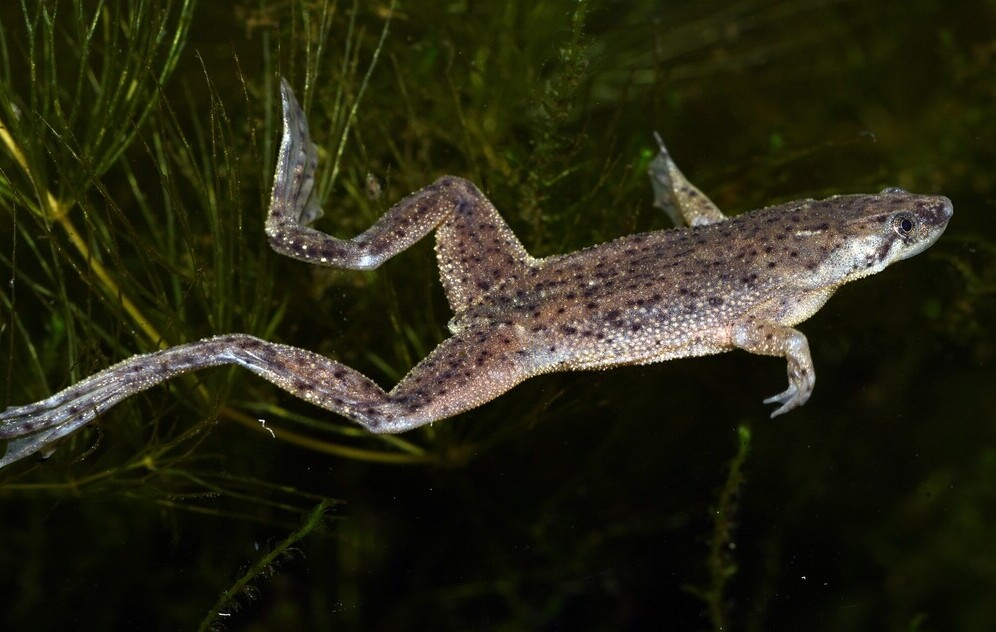
One thing you’ll quickly notice about African Dwarf Frogs is their unique looks. They’ve got webbed feet, smooth skin, and no visible ears – giving them quite an unusual, but lovable appearance. They usually grow up to about 2.5 inches, which makes them ideal for smaller tanks.
When it comes to keeping pets, beginners often worry about the level of care required. This is why African Dwarf Frogs are such a great option. They are relatively low-maintenance compared to other aquatic pets. Plus, they bring a lot of charm and quirkiness into your home without demanding too much work.
Another reason to consider African Dwarf Frogs is their intriguing behavior. They’re quite active, swimming around and even performing the occasional underwater ‘froggy dance’. Observing their actions can be oddly relaxing and plenty of fun.
So, if you’re looking for a pet that’s easy to care for, enjoyable to watch, and unique in appearance, African Dwarf Frogs might just be your new best buddies. They bring a slice of aquatic life right into your living room without the stress. With the right setup and care, these little frogs can bring you joy for years to come.
Setting Up Your African Dwarf Frog Habitat
Getting the habitat right is crucial for the well-being of your African Dwarf Frogs. First things first, the tank. These frogs are quite small, so you don’t need a massive aquarium. A 10-gallon tank is a good starting point. While they do fine in smaller spaces, it’s essential to stick to the rule of thumb—about one gallon of water per frog. This provides them with enough room to move around comfortably.
Water quality is key. These frogs thrive in clean water with stable conditions. Aim for a water temperature between 72 to 82 degrees Fahrenheit. A good quality water heater can help maintain consistent temperatures. For water pH, you’ll want to keep it neutral, around 6.5 to 7.5. Make sure to dechlorinate tap water before adding it to the tank; chemicals in untreated water can harm your frogs.
Filtration systems are a must, but you don’t need anything too powerful. A gentle filter that keeps the water clean without creating strong currents works best. African Dwarf Frogs aren’t strong swimmers, so gentle water movement prevents unnecessary stress.
Decorations and hiding spots make your tank comfortable and engaging for your frogs. Live plants like Java Ferns and Anubias work great and add a natural feel. Include shady, cozy spots where your frogs can relax. They love to hide, so things like small caves, PVC pipes, and dense foliage are perfect.
Don’t forget the tank lid. These frogs can jump, and you don’t want them escaping. A tight-fitting lid keeps them safe and secure. A well-set-up habitat will not only keep your frogs healthy but also make them more active and fun to watch.
With the right environment, your African Dwarf Frogs will thrive and become lively members of your household. Setting up the tank properly will save you from potential issues down the road and keep your pet-happy and healthy from day one.
Feeding and Nutrition
A proper diet keeps African Dwarf Frogs healthy and vibrant. They are carnivorous, which means their diet needs to be protein-rich. In the wild, they munch on small fish, insects, and worms. In an aquarium, a varied diet ensures they get all necessary nutrients.
Commercially available frog pellets are a solid foundation. These are specially formulated to meet their nutritional needs. Supplement these with treats like bloodworms, brine shrimp, and daphnia. Frozen or live versions work, but if using live food, make sure it’s safe and parasite-free.
Feed your frogs once daily, but only give them what they can eat in about 2 to 3 minutes. Overfeeding can lead to poor water quality and health issues. If you notice leftover food after this time, reduce the amount next time.
A common mistake is feeding them while the tank light is on. These frogs are nocturnal by nature, so they’re more comfortable eating in dim light or during the evening. Turning off the light helps simulate their natural environment and encourages better eating habits.
Ensure variety in their diet to avoid nutritional deficiencies. Just like us, they need a mix of foods to stay in top shape. Rotating between pellets, worms, and shrimp keeps their diet interesting and balanced. If you’re using frozen food, always thaw it first to make digestion easier for your frogs.
Keep an eye on their weight and behavior. If they start looking too plump or lethargic, it might be time to reassess their feeding routine. Healthy African Dwarf Frogs are active and have a nice, rounded belly without appearing bloated. Proper feeding not only keeps them healthy but also increases their lifespan and overall happiness.
Health and Wellness
A healthy African Dwarf Frog is an active and engaging pet. Recognizing the signs of good health early helps maintain this. Look for clear eyes, smooth skin, and proper use of all limbs. They should swim actively and come up for air periodically.
Keeping their habitat clean is essential. Regular water changes—about 20-30% of the tank’s water every week—help maintain water quality. This prevents the build-up of harmful ammonia and nitrates, which can make frogs sick. Always treat new water to remove chlorine and harmful substances before adding it to the tank.
Common health issues include fungal infections, red leg syndrome, and dropsy. Fungal infections usually appear as white, cotton-like patches on their skin. Red leg syndrome is noticeable through red, inflamed legs, while dropsy causes bloating. Early detection and treatment are key. Quarantine sick frogs to prevent illnesses from spreading and consult a vet familiar with amphibians for proper medication.
Maintaining a stress-free environment goes a long way in ensuring their health. Keep the tank in a quiet area away from direct sunlight and loud noises. Sudden changes in water temperature or quality should be avoided, as these can stress your frogs.
Regular observation is crucial. Spend a few minutes each day watching your frogs to ensure they exhibit normal behavior. Sudden inactivity, refusal to eat, or odd swimming patterns can be early signs of health issues. Addressing these promptly can prevent more serious problems down the line.
Good health isn’t just about treatment; it’s about prevention. Ensuring a balanced diet, clean habitat, and stress-free environment all contribute to the overall wellness of your African Dwarf Frogs.
Behavior and Interaction
Understanding the behavior of African Dwarf Frogs can help you interact with them better. These frogs are most active during twilight hours. Don’t be alarmed if they’re hidden during the day; they prefer to stay low-key when it’s bright out.
You might notice your frogs swimming to the surface frequently. This isn’t just for fun—they’re getting their oxygen. Unlike fish, they don’t have gills and need to breathe atmospheric air. If they’re making frequent trips to the top, that’s perfectly normal.
Handling African Dwarf Frogs isn’t advisable. They have sensitive skin that can absorb oils and chemicals from your hands. If you must move them, use a water-filled container to gently scoop them up. This minimizes stress and keeps their skin safe.
Creating a stimulating environment helps keep your frogs active and mentally engaged. Adding new decorations or rearranging their habitat occasionally can provide new experiences and keep them from getting bored. Just be sure any new items are safe and clean before adding them to the tank.
Observe your frogs regularly to understand their normal patterns. This helps you notice if something is off. Changes in behavior can signal stress or illness, so being a keen observer pays off.
Interacting with your frogs is more about observation than direct contact. Enjoy watching their antics and unique behaviors from outside the tank. They might not snuggle up like a cat or dog, but their lively personalities can be just as entertaining.
Breeding African Dwarf Frogs
Breeding African Dwarf Frogs can be a rewarding experience, but it requires some preparation. First, setting up a breeding tank is essential. Use a separate, smaller tank with gentle filtration and stable, warm water—around 78 degrees Fahrenheit works well. This helps mimic their natural breeding conditions.
Introduce a well-fed male and female into the breeding tank. Males are generally smaller and have a white or pinkish bump behind their front legs during breeding season, known as a nuptial pad. Females tend to be larger and more robust.
Watch carefully for their unique breeding behavior. The male will grasp the female around the waist in a position called amplexus. This can last several hours, and the female will release eggs into the water. The male then fertilizes them externally.
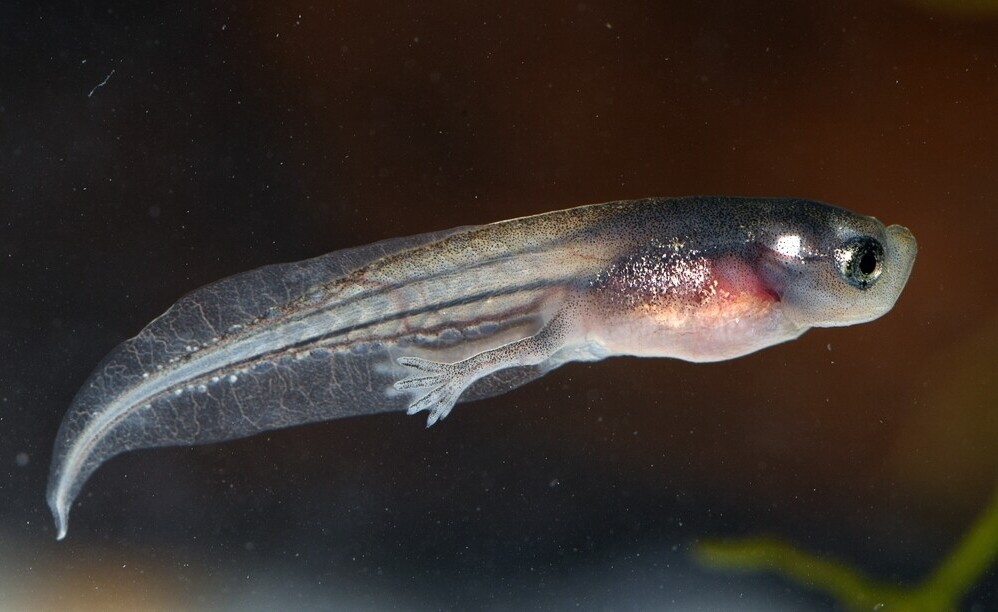
Once eggs are laid, remove the adult frogs to prevent them from eating the eggs. Fertilized eggs will hatch within a few days, turning into tadpoles. These tadpoles will need their own special care, including a diet of finely crushed fish food or commercial tadpole food.
As the tadpoles grow, they’ll develop legs and eventually absorb their tails, becoming miniature versions of their parents. During this transformation, ensure the water quality remains high and gradually transition their diet to include more protein-rich foods similar to what adult frogs eat.
Breeding African Dwarf Frogs requires patience and attention to detail, but seeing those tiny tadpoles grow into adult frogs is truly rewarding. Properly preparing the breeding tank and monitoring the process closely can lead to a successful breeding experience.