
Biodiversity Conservation
The Importance Of Frogs in Biodiversity And How Frog Friendly Gardens Can Help
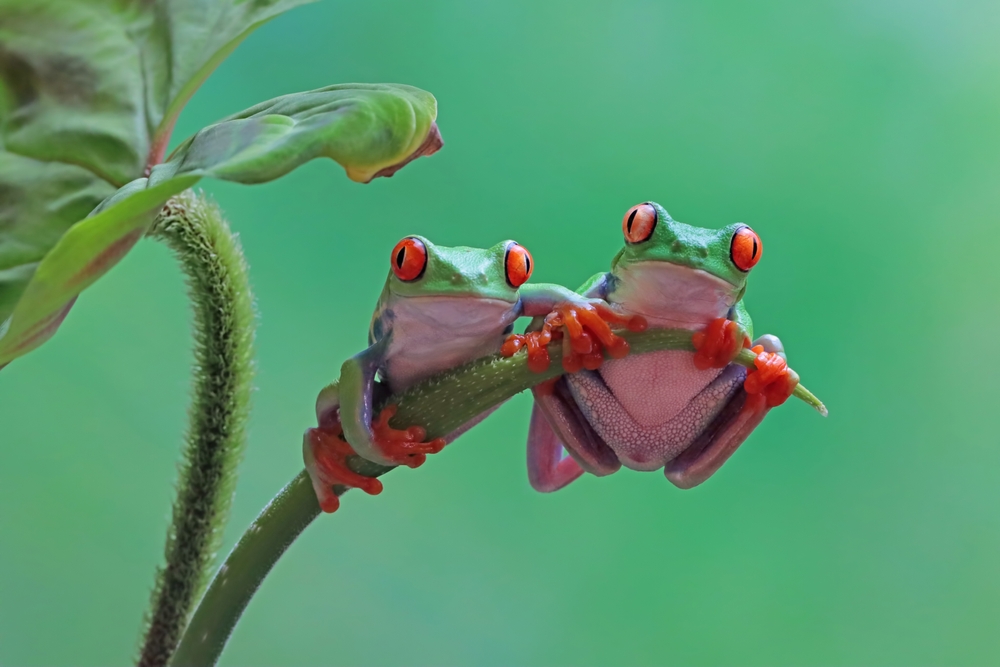
I’ve always been fascinated with toads and frogs. But when I learned the importance of frogs in biodiversity conservation, I developed an admiration, as well.
Frogs play a critical role in maintaining biodiversity by serving as both predators and prey in their ecosystems. Understanding the importance of frogs can help us appreciate their contribution to a balanced and healthy environment. These remarkable amphibians not only control insect populations, but also indicate the overall health of their habitats.
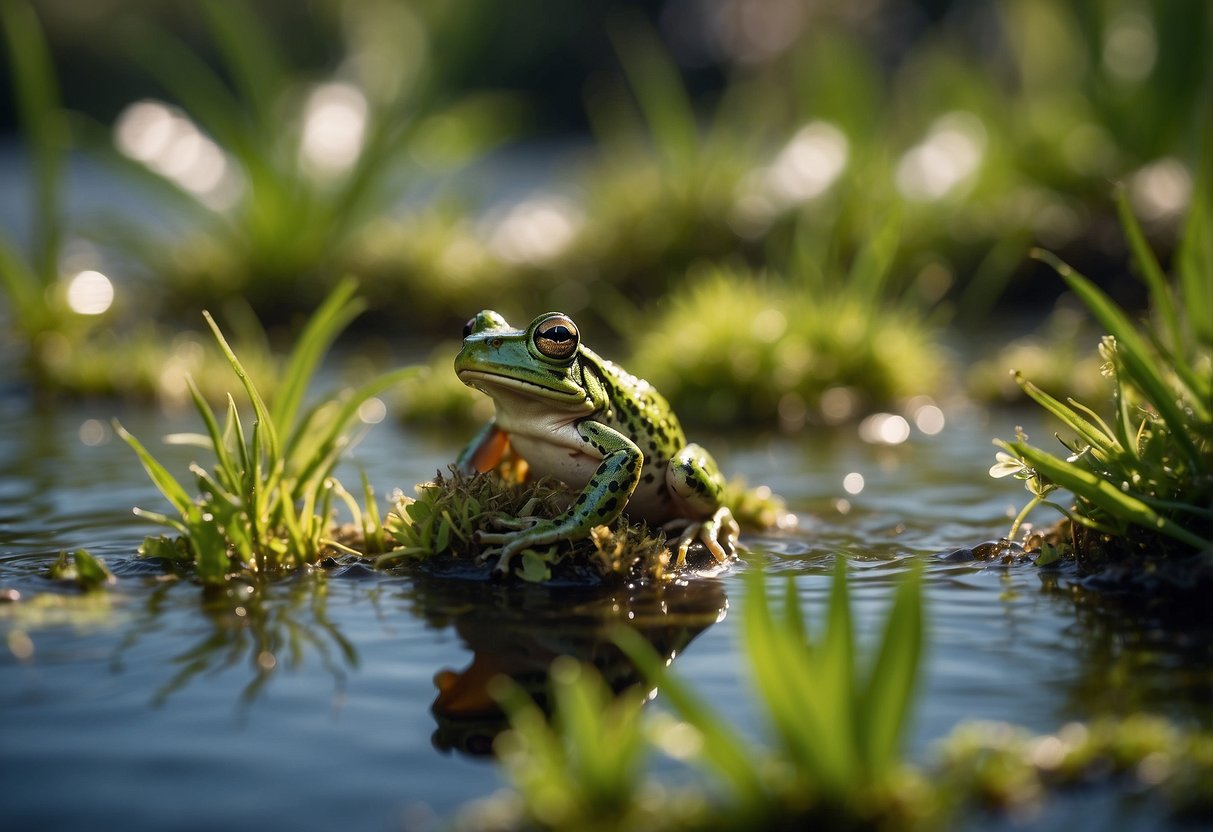
Unfortunately, frog populations are experiencing significant declines due to habitat loss, climate change, and pollution. This has led to concerns about the cascading effects on biodiversity. By creating frog-friendly gardens, I can contribute to conservation efforts and support local frog populations.
Including water features, native plants, and hiding spots can transform my garden into a sanctuary for frogs. This simple act helps foster a thriving ecosystem right in my backyard, ensuring that these vital creatures continue to thrive.
Key Takeaways
- Frogs are essential for maintaining biodiversity.
- Frog populations are declining due to environmental threats.
- Gardens can support and help conserve frog populations.
The Role of Frogs in Biodiversity
Frogs play a key role in ecosystems. They serve as indicators of environmental health, are crucial in food webs, and show significant genetic variation that supports biodiversity.
Frogs as Bioindicators
Frogs are important bioindicators. Their presence and health can tell scientists a lot about the state of the environment. They can reveal issues in water and air quality because they live both in water and on land.
These amphibians absorb toxins through their skin, making them vulnerable to pollutants. Changes in frog populations can signal problems like pollution, climate change, or habitat destruction.
Dr. Rowley highlights that frogs help assess ecosystems’ health. If frog numbers drop, it often points to larger environmental problems. This makes frogs important for monitoring the health of natural habitats.
Frogs in Food Webs
Frogs play vital roles in food webs. They serve as both predators and prey, influencing various species. Frogs eat insects, which helps control pest populations. This benefits agriculture and reduces the need for pesticides.
As prey, frogs provide food for birds, fish, and other animals. Their tadpoles often serve as food for aquatic creatures. This makes frogs key in transferring energy through the food web.
Their role is crucial because changes in frog populations can disrupt these food webs. A decline in frogs can lead to increased insect populations and a lack of food for their predators, harming the ecosystem balance.
Genetic Diversity Among Frog Populations
Genetic diversity in frogs is vital for their survival. This diversity helps them adapt to environmental changes. Different genes can make some frogs more resistant to diseases or able to survive in changing climates.
Research shows that genetic variation is the foundation of biodiversity. Standing genetic variation in frog populations ensures they can evolve in response to new threats. This is particularly important amid climate change.
Studies suggest that regions with high amphibian diversity, like the Southeastern United States, may offer better chances for these species to adapt. Frogs in these areas potentially have broader genetic pools, keeping biodiversity robust.
Threats to Frog Populations
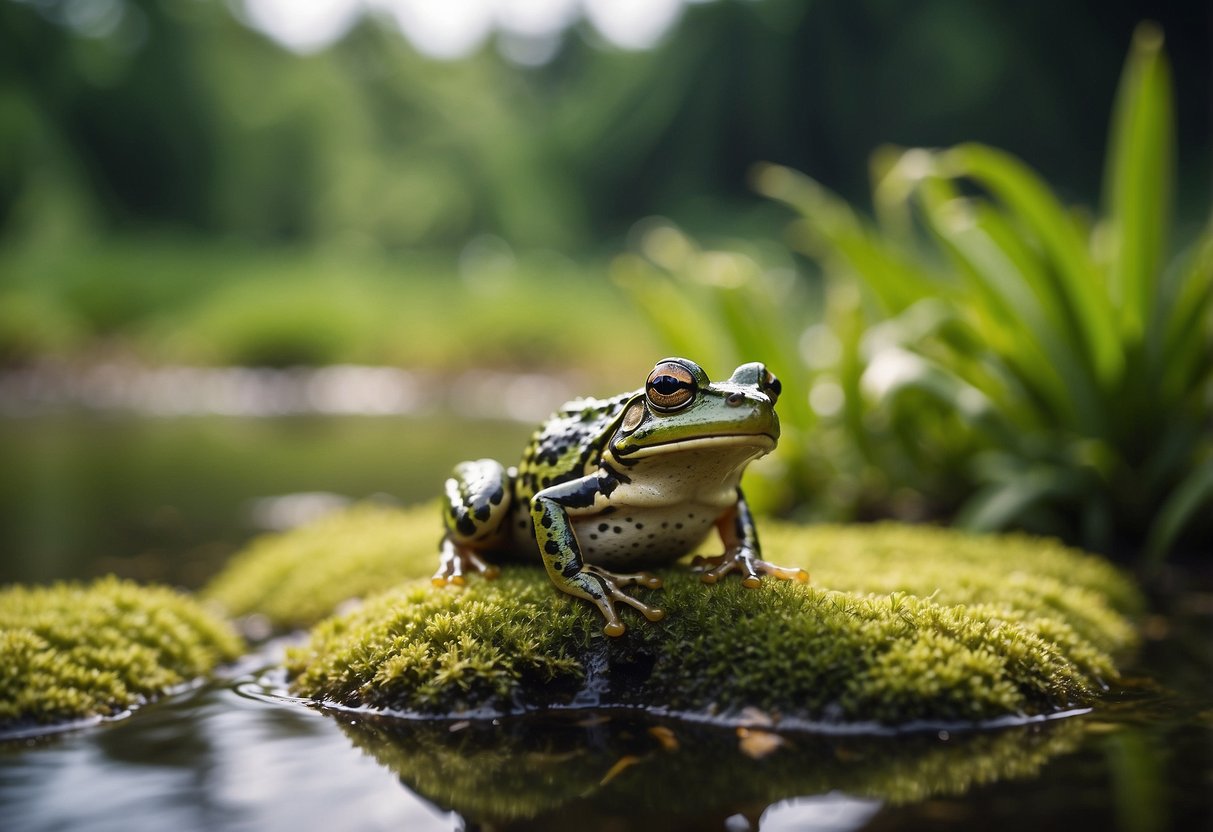
Frogs face multiple threats that impact their ability to thrive in their natural habitats. Key dangers include habitat loss, pollution, climate change, and infectious diseases.
Habitat Loss and Fragmentation
The destruction of natural environments is a major threat to frogs. As forests and wetlands are cleared for agriculture or urban development, frogs lose crucial breeding and feeding grounds. Fragmentation of habitats also isolates frog populations, making it harder for them to find mates and survive. This isolation prevents gene flow and limits genetic diversity, leading to weaker populations over time. Fragmentation creates obstacles that can block their movement, further stressing these sensitive creatures.
Pollution and Pesticides
Pollutants like heavy metals, plastics, and chemicals contaminate water bodies where frogs live. These pollutants can damage frogs’ permeable skin and disrupt their reproductive systems. Pesticides, widely used in agriculture, can severely affect frog populations. When pesticides wash into nearby streams and ponds, they poison frogs and their food sources. This leads to lower survival rates and decreased reproductive success. Frogs in polluted environments often suffer from abnormal growth and developmental issues, making them more susceptible to predators and environmental changes.
Climate Change Effects
Climate change poses a severe threat to frog populations. Increasing temperatures can alter breeding cycles and reduce suitable habitats. Many frog species rely on specific temperatures and humidity levels for their survival. Changes in precipitation patterns can lead to droughts that dry up breeding sites, while unpredictable weather can impact food availability. During warmer conditions, frogs may also face increased predation and competition. These climate-induced changes disrupt the delicate balance needed for their reproductive success.
Spread of Infectious Diseases
Diseases like chytridiomycosis, caused by chytrid fungus, have devastated frog populations worldwide. The fungus infects frogs’ skin, interfering with their ability to absorb water and electrolytes. This often leads to death. Frog populations with low genetic diversity are more vulnerable to outbreaks. Disease spread is accelerated by global trade, which moves infected frogs into new areas. The rapid spread of diseases has caused significant declines in populations, making it difficult for frogs to recover in affected regions.
Conservation Strategies
To support frog populations and maintain biodiversity, it’s essential to focus on protected areas, breeding programs, and habitat restoration. These strategies require coordinated efforts and involvement from various stakeholders.
Protected Areas and Legal Frameworks
Establishing protected areas is crucial for preserving frog habitats. These areas can include national parks, wildlife reserves, and other legally protected lands. In these zones, human activities like logging, farming, and urban development are restricted.
By preserving natural habitats, we can help maintain the environmental conditions frogs need to survive. Legal frameworks and regulations also play a significant role. Laws that prohibit the exploitation and destruction of wetlands and forests are vital. This legal protection ensures that critical frog habitats are preserved for future generations. You can find more about the importance of protected habitats here.
Captive Breeding and Reintroduction Programs
Captive breeding programs aim to raise frogs in controlled environments. These programs are essential for endangered or threatened frog species. Scientists and conservationists can closely monitor and control breeding conditions to ensure high survival rates.
Once a stable population is raised, reintroduction efforts begin. Frogs are released into their natural habitats to bolster declining populations. Reintroduction programs focus on areas where frog numbers have decreased due to habitat loss, pollution, or disease. This method has successfully brought back some species from the brink of extinction. More details on these efforts can be found here.
Habitat Restoration Initiatives
Restoring natural habitats is another effective strategy. This process involves rehabilitating damaged ecosystems. Actions include cleaning up polluted water bodies, replanting native vegetation, and removing invasive species that threaten frogs.
Community involvement is crucial in these initiatives. Local residents can help by monitoring frog populations and reporting changes in their habitats. Educational programs can also raise awareness about the importance of frogs in maintaining biodiversity. Habitat restoration not only benefits frogs but also supports other wildlife. For more information, visit this link.
Frogs and Gardens
Frogs can thrive in gardens that provide shelter, food, and suitable breeding environments. By designing gardens with specific plants and water features, we can create ideal habitats for them.
Designing Frog-Friendly Gardens –
Creating gardens that showcase the Importance Of Frogs in Biodiversity
Creating a frog-friendly garden involves setting up specific areas that serve as shelters. I ensure there are plenty of shaded spots using logs, rocks, and dense foliage. These spots protect frogs from predators and extreme weather.
Adding compost or rotting wood piles also helps. These not only offer safety but become breeding grounds for insects, providing food. Tiny ponds or rain gardens enhance the landscape and offer amphibians crucial water sources for hydration and breeding.
Plants That Attract and Support Frogs
Choosing the right plants is essential for supporting frog populations. I opt for native plants because they typically require less maintenance and attract local insects for frogs to feed on. Ferns, groundcovers, and shrubs are particularly beneficial.
I also plant a mix of flowering plants to draw in pollinators, which frogs will hunt. Dense, layered vegetation creates safe pathways for frogs to move around the garden. Keeping some areas slightly overgrown provides additional cover and hunting grounds.
Water Features for Frog Habitats
Water features are vital for creating suitable frog habitats. I install small ponds or water basins, ensuring they’re shallow enough for easy frog access. Adding aquatic plants like water lilies and duckweed helps maintain water quality and offers hiding spots.
A small fountain or bubbler keeps the water moving, preventing mosquito breeding without disturbing the frogs. Including pebbles and sloping edges allows frogs to enter and exit the water easily. Regular maintenance ensures the water remains clean and attractive to amphibians.
Community Involvement and Education
To support frog populations and biodiversity, engaging the community and providing education are key elements. This includes citizen science activities, educational programs, and collaborative conservation efforts.
Citizen Science and Monitoring
Involving the community in citizen science projects can greatly benefit frog conservation. By encouraging people to monitor frog populations in their local areas, we can gather valuable data on frog health and habitat.
Participants can record sightings, breeding calls, and habitat conditions using mobile apps. This information helps scientists track changes in frog populations and identify areas needing protection or restoration. Community members become more invested in local conservation efforts through their direct involvement.
Regular workshops and training sessions can teach citizens how to accurately collect and report data. By providing the tools and knowledge needed, we can ensure reliable and useful information is gathered. This method also fosters a sense of stewardship and personal connection to the local environment.
Educational Programs for Public Awareness
Educational programs are essential to raise public awareness about the importance of frogs in maintaining biodiversity. Schools, community centers, and local organizations can host talks, workshops, and exhibits focused on frog conservation.
Interactive activities, such as frog-spotting hikes or habitat creation projects, can be especially engaging. These activities help people understand the ecological roles frogs play, such as controlling insect populations and indicating environmental health.
Creating educational materials like brochures, posters, and online resources can further spread awareness. By explaining the threats frogs face, including habitat loss and pollution, we can encourage more people to take part in conservation efforts. It’s important to tailor these materials to different age groups to maximize their impact.
Collaborative Conservation Efforts
Collaborative conservation efforts bring together various stakeholders like local governments, NGOs, scientists, and the public. These partnerships can lead to more effective conservation strategies and resource sharing.
Gardening clubs, for instance, can work with wildlife organizations to create frog-friendly gardens in urban areas. This involves planting native vegetation, creating water features, and ensuring safe environments free from pesticides.
Collaboration also includes organizing community cleanup events to reduce pollution in local waterways where frogs live.
By working together, communities can create and maintain habitats that support healthy frog populations. Partnerships can also help secure funding and resources needed for larger conservation initiatives.
Research and Monitoring
Research and monitoring play a crucial role in understanding frog populations and ensuring their conservation.
Recent advancements in amphibian research and long-term ecological monitoring help scientists keep track of frog species and their habitats.
Advancements in Amphibian Research
Understanding the Importance Of Frogs in Biodiversity
In recent years, there have been many advancements in amphibian research that have greatly improved our knowledge of frog populations.
New genetic tools allow researchers to study the DNA of various frog species, helping to understand their evolution and how they adapt to changing environments.
Technology has also improved the ways we can track frogs.
Radio telemetry and GPS tracking help scientists follow the movements and behaviors of frogs in the wild. This information is critical for developing strategies to protect their habitats.
Innovative lab techniques enable the study of frogs’ responses to environmental stressors, such as pollutants and climate change.
These studies provide insights into how frogs might cope with future changes in their habitats and what can be done to help them survive.
Long-Term Ecological Monitoring
Long-term ecological monitoring (LTEM) is essential for tracking frog populations.
Frogs are indicators of environmental health, so monitoring them can give us early warnings of ecological issues.
Data from LTEM projects help identify population trends and potential threats.
Protected areas play a key role in this monitoring.
These areas serve as sanctuaries where frogs can thrive and where scientists can collect consistent data over time. The information gathered from these sites is crucial for conservation efforts.
Regularly collected data allows scientists to see patterns and make informed decisions about conservation strategies.
For instance, monitoring can reveal the impacts of habitat loss and pollution, guiding policies and actions to mitigate these threats.
Future Perspectives and the Importance Of Frogs in Biodiversity
Looking ahead, advancements in technology and new policy measures could play pivotal roles in the conservation of frog populations and biodiversity.
Emerging Technologies in Conservation
New technologies are transforming the ways we can protect frog populations.
For instance, genetic tools now enable us to monitor and maintain genetic diversity more effectively. This is crucial for the evolution and adaptability of frogs, as outlined here.
Additionally, remote sensing and drone technology allow us to monitor frog habitats with greater precision.
This helps us track environmental changes that affect frog populations, providing timely data for conservation actions.
Another promising technology is the use of acoustic monitoring.
By recording and analyzing frog calls, we can better understand population sizes and distributions without intrusive methods.
These innovations not only offer more accurate data but also reduce stress on frog populations.
Policy Implications and Global Agreements
Strong policies and international agreements are essential for effective frog conservation.
National governments must integrate conservation policies that protect not only the frogs but also their habitats.
Effective policies should address issues like pesticide use, habitat destruction, and climate change.
Global agreements, like those resulting from the Convention on Biological Diversity (CBD), are crucial.
These agreements encourage countries to commit to biodiversity targets, including amphibian conservation.
Specific policies should also target wetland protection, as wetlands are vital for many frog species.
Studies on wetland biodiversity inform these policy decisions, showcasing the importance of habitats supporting waterbird and frog diversity (read more).
Finally, public education and community involvement are key to policy success.
When the public is informed about the importance of frog conservation, it creates a supportive environment for implementing and sustaining these crucial policies.
Frequently Asked Questions:
Importance Of Frogs in Biodiversity
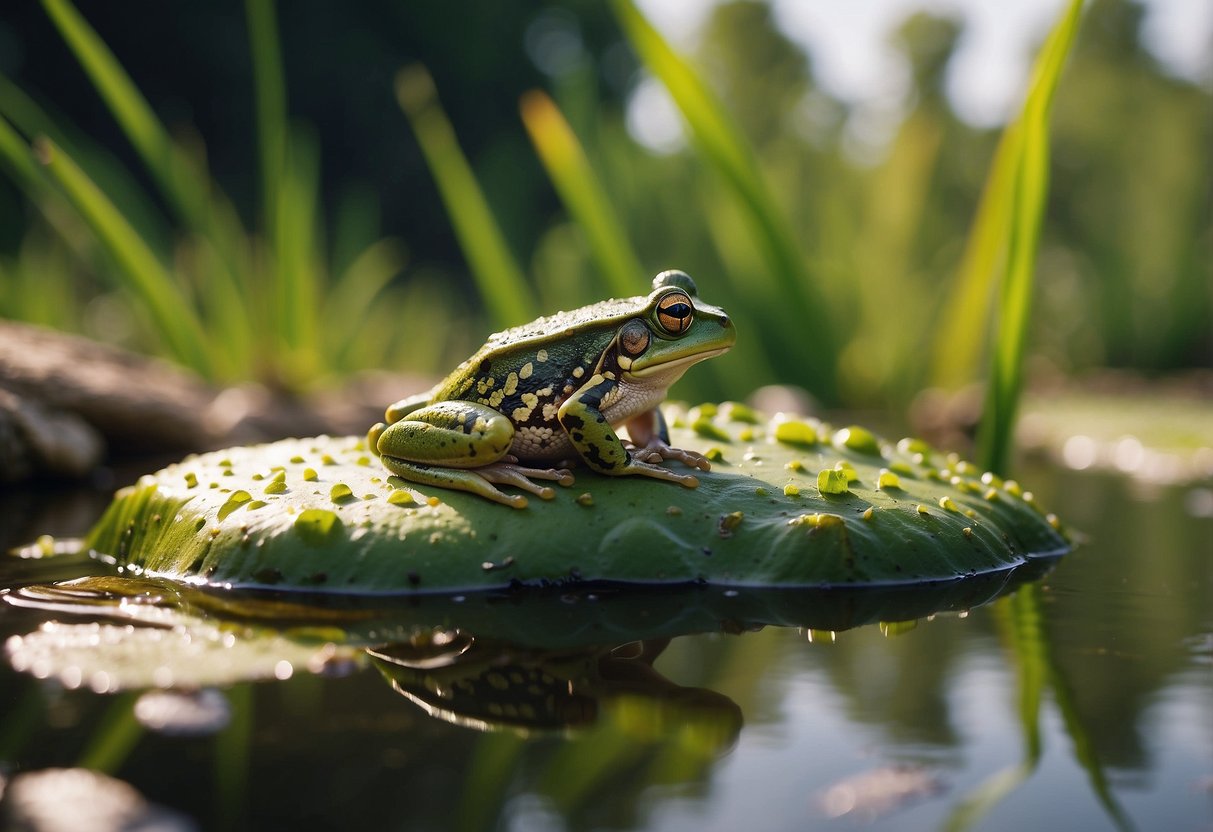
Frogs are vital to the health of ecosystems, impact human well-being, and indicate environmental changes. Their survival depends on specific adaptations and the support from garden environments.
What role do frogs play in ecosystems and how does this impact human well-being?
Frogs help control insect populations, reducing pests that can harm crops and spread disease.
They also act as prey for many animals, keeping food webs balanced. By consuming insects, frogs indirectly support agriculture and human health.
How do frog populations serve as indicators of environmental health?
Frogs are sensitive to environmental changes because they have permeable skin and complex life cycles.
When frog populations decline, it can signal harmful changes in the ecosystem, like pollution or habitat loss.
What are the ecological consequences of declining frog populations on global biodiversity?
The decline of frog populations can lead to insect overpopulation, which negatively impacts crops and spreads diseases.
Predators that rely on frogs for food may also suffer, disrupting the balance of ecosystems globally.
What specific adaptations allow frogs to thrive in their habitats and contribute to ecosystem balance?
Frogs have unique features like permeable skin to absorb water and breathe, sticky tongues for catching prey, and strong legs for jumping.
Their reproductive strategies and varied diets help them adapt to different environments.
In what ways can garden environments be structured to support the conservation of frog species?
To support frogs, gardens can include ponds or water features, native plants for shelter, and avoid using pesticides.
Providing a mix of aquatic and terrestrial habitats helps create a suitable environment for frogs to thrive.
How do frogs influence the sustainability of other species, particularly those within garden ecosystems?
Frogs help control pest populations, benefiting plants and other garden inhabitants. Their presence can also attract predators, like birds, creating a more diverse and resilient ecosystem.
By maintaining balanced ecosystems, frogs enhance garden sustainability.