Building A Portfolio Of Frog And Toad Images: Essential Tips For Nature Photographers
Frogs and toads are fascinating creatures that make great subjects for photography. Building a portfolio of frog and toad images can be a rewarding project for nature lovers and photographers alike.
A strong collection of amphibian photos can showcase your skills, help you stand out in the photography world, and contribute to wildlife conservation efforts.
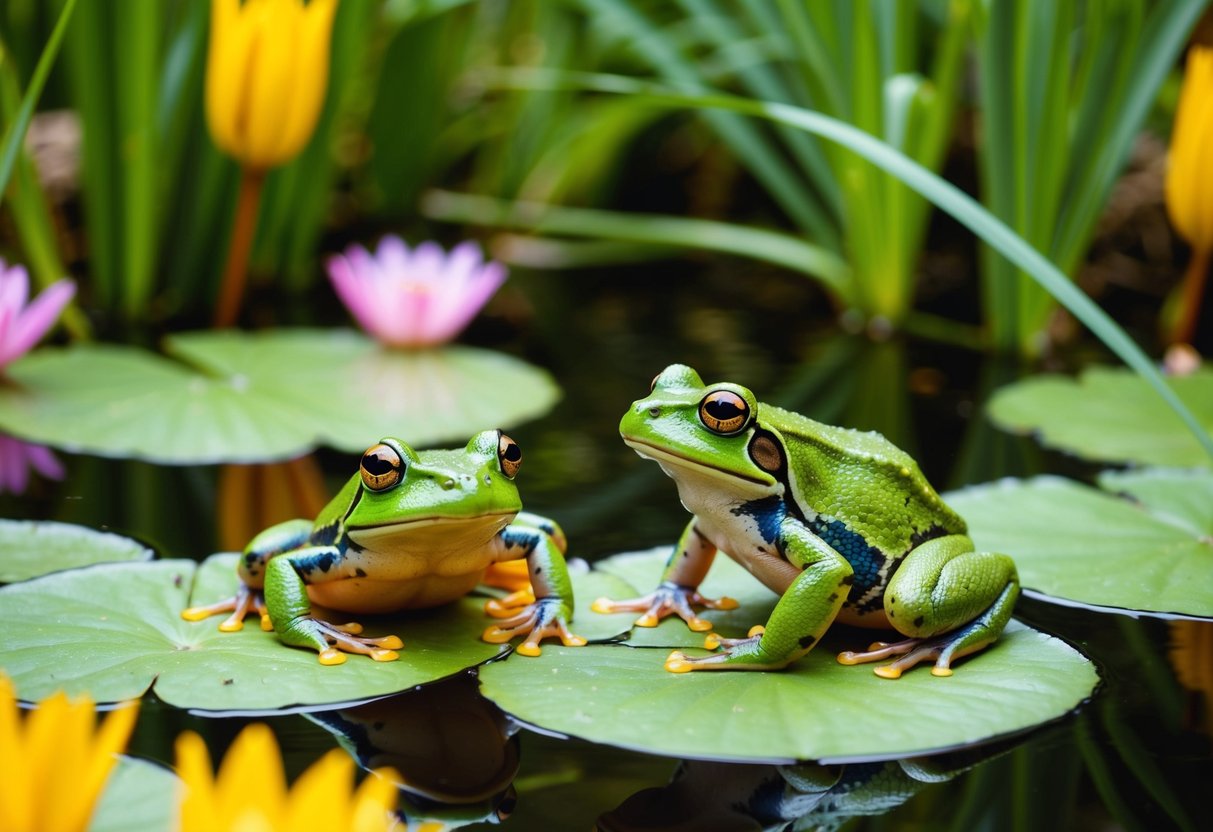
Creating a diverse portfolio requires patience, technical know-how, and a deep appreciation for these unique animals.
You’ll need to learn about different frog and toad species, their habitats, and behaviors to capture compelling images. Pixabay offers over 1,000 free frog and toad images that can serve as inspiration for your own work.
As you build your portfolio, consider including a variety of shots. Close-ups of vibrant tree frogs, wide-angle scenes of toads in their natural habitats, and action shots of frogs leaping can all add depth to your collection.
Remember to always prioritize the well-being of your subjects and follow ethical wildlife photography practices.
Key Takeaways
- A strong frog and toad portfolio showcases photographic skills and supports conservation
- Successful amphibian photography requires knowledge of species, habitats, and behaviors
- Diverse images, from close-ups to action shots, create a well-rounded portfolio
Understanding Amphibian Photography
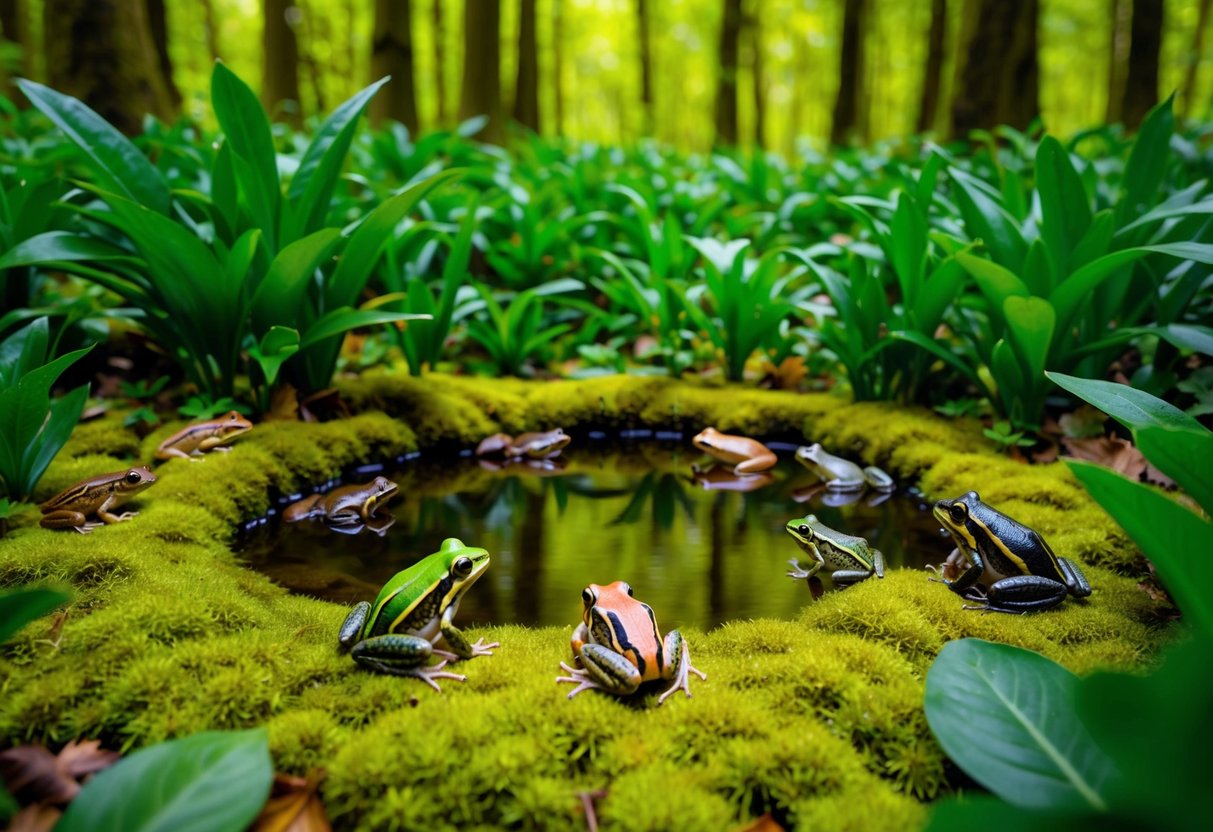
Capturing stunning images of frogs and toads requires specific equipment, techniques, and ethical practices. Proper gear selection, field skills, and respect for these delicate creatures are key to successful amphibian photography.
Equipment Essentials
A macro lens is crucial for close-up shots of frogs and toads. A 100mm macro lens works well for most situations.
A sturdy tripod helps keep the camera steady in low light.
Flash is often needed to illuminate small subjects. A ring flash or dual flash setup provides even lighting. Diffusers soften harsh light.
Waterproof gear protects equipment in damp environments. Knee pads and waders keep photographers comfortable when kneeling or wading.
A small spray bottle can refresh a frog’s skin between shots. Exquisite frog photos often show glistening skin.
Best Practices for Capturing Frogs and Toads
Patience is vital when photographing amphibians. Move slowly to avoid startling subjects. Get down to eye level for the most impactful shots.
Focus on the eyes to create engaging images. Use a small aperture (high f-number) for greater depth of field.
Backgrounds are crucial in amphibian photography. Look for clean, uncluttered settings that don’t distract from the subject.
Experiment with different angles and compositions. Side views show unique textures and patterns.
Timing matters. Many species are most active at night or after rain. Dawn and dusk offer great opportunities for dramatic lighting.
Ethical Considerations
Minimize disturbance to frogs and toads. Observe from a respectful distance when possible.
Never move amphibians from their natural habitat. Handling can stress animals and spread diseases.
Avoid using flash excessively, as it may disorient nocturnal species. Limit session length to reduce stress on the animals.
Clean equipment between shoots to prevent spreading pathogens between populations. This helps protect vulnerable amphibian species.
Be aware of local regulations. Some areas restrict photography of rare or endangered species. Always put the well-being of the animals first.
Developing a Thematic Focus
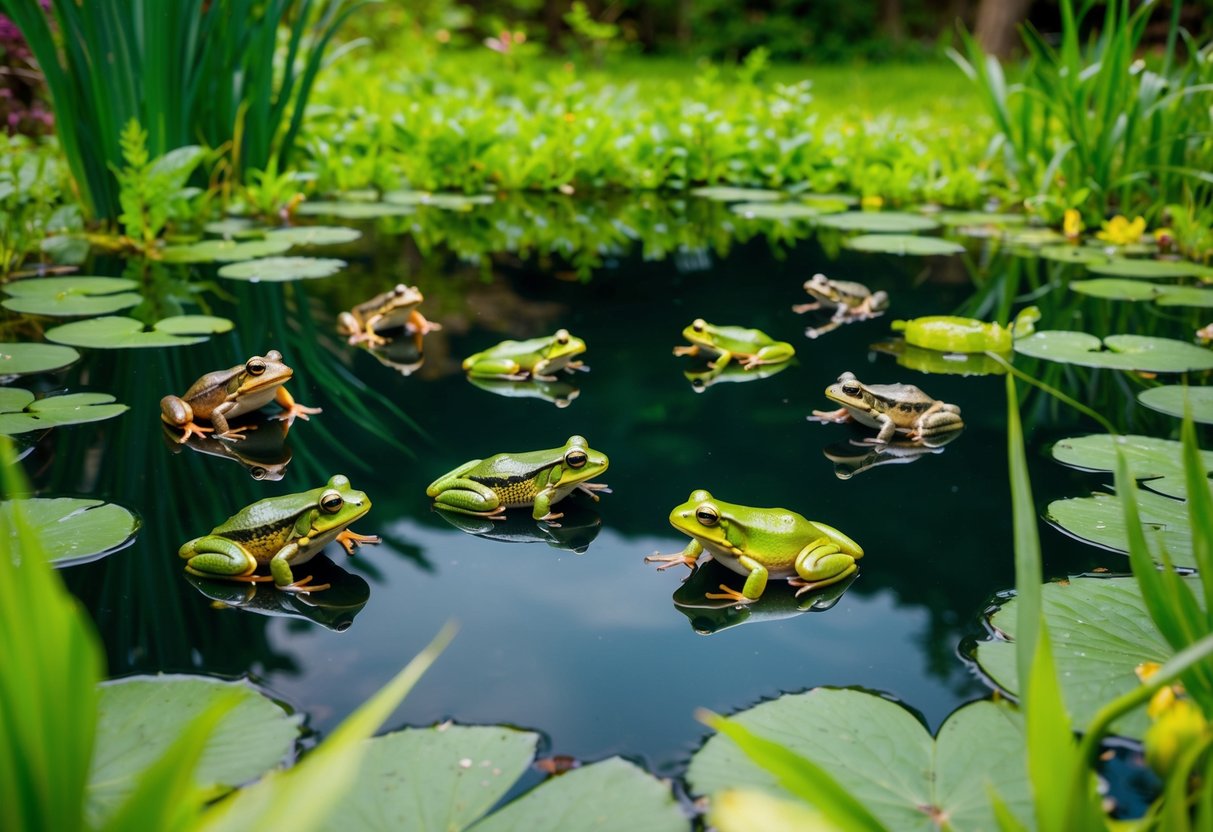
A strong thematic focus helps create a cohesive and impactful frog and toad image portfolio. It allows photographers to showcase their unique vision and style while telling a compelling visual story.
Species Variety
Focusing on different frog and toad species can create a diverse and interesting portfolio. Photographers can aim to capture:
- Common species like the American bullfrog or European green toad
- Rare or endangered species such as the golden poison frog
- Species with unique features like the glass frog or horned frog
This approach lets viewers compare and contrast various frog and toad types. It also highlights the amazing biodiversity within these amphibians.
Habitat and Environment
Frogs and toads live in many different habitats. A thematic focus on their environments can showcase:
- Tropical rainforest settings with colorful frogs on leaves
- Desert toads in arid landscapes
- Pond scenes with frogs perched on lily pads
- Urban environments where amphibians adapt to human presence
Capturing these varied habitats tells a story about frog and toad adaptations. It also creates visually diverse images within the portfolio.
Behavioral Aspects
Focusing on frog and toad behavior can lead to dynamic and engaging images. Photographers might capture:
- Feeding behaviors like a frog’s tongue catching prey
- Mating rituals and amplexus
- Defensive postures or camouflage techniques
- Swimming or jumping actions
This theme allows for action shots and close-ups of interesting behaviors. It gives viewers insight into the daily lives of frogs and toads, making the portfolio both educational and visually appealing.
Crafting a Visual Narrative
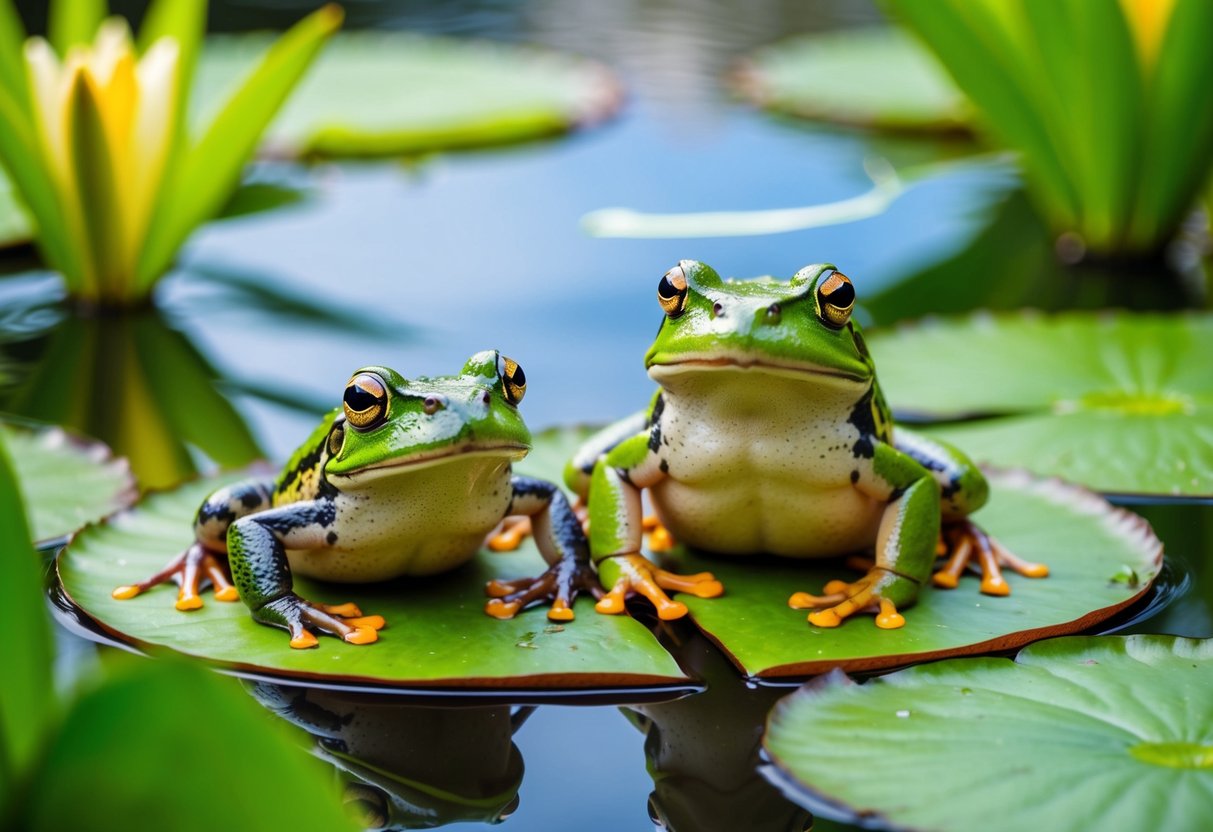
A strong visual narrative in frog and toad photography brings images to life. It captures the essence of these amphibians and tells their story through thoughtful composition, lighting, and image sequencing.
Composition Techniques
Effective composition draws viewers into frog and toad images. The rule of thirds places subjects off-center for visual interest. Leading lines guide the eye through the frame.
Framing uses natural elements to highlight the subject. A frog peeking out from behind a leaf creates intrigue.
Negative space lets the subject breathe. A lone toad on a blank background commands attention.
Perspective matters too. Get low to shoot at eye level with these small creatures. This creates a more intimate view of their world.
Balance is key. Arrange visual elements carefully. A frog on one side can be balanced by a reflection or plant on the other.
Utilizing Lighting
Lighting shapes the mood and highlights details in frog and toad photos. Soft, diffused light works well for portraits. It reveals textures without harsh shadows.
Backlighting creates a magical glow around amphibians. It highlights their translucent skin.
Side lighting adds depth and dimension. It brings out the contours of a toad’s bumpy skin.
Natural light often works best. Early morning or late afternoon provide warm, flattering light. Overcast days offer even illumination.
For night shots, use a flashlight or camera flash. This mimics how frogs’ eyes shine in the dark.
Storytelling Through Images
A series of images can tell a compelling story about frogs and toads. Start with a wide shot to set the scene. Then move in closer to show details.
Capture different behaviors. A frog catching prey or a toad burrowing into soil adds action.
Show the animal’s life cycle. Photos of eggs, tadpoles, and adults create a narrative arc.
Include habitat in some shots. This gives context to where these creatures live.
Use visual elements to guide viewers through the story. A consistent color palette or theme ties images together.
Arrange photos thoughtfully. Place them in an order that makes sense and flows well.
Technical Skills Enhancement
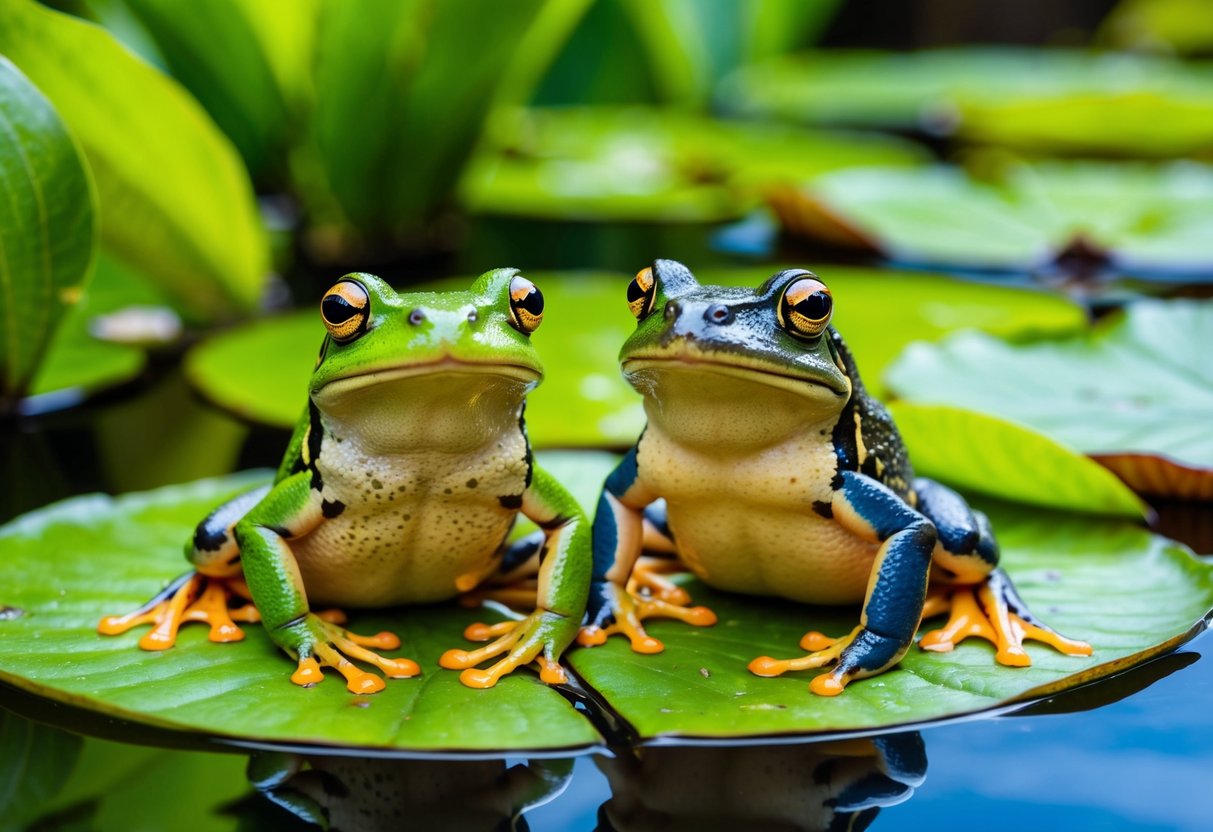
Taking great frog and toad photos requires specific technical abilities. These skills help capture stunning images and enhance them after shooting.
Macro Photography Mastery
Macro photography is key for close-up shots of frogs and toads. Use a macro lens with a focal length of 90-105mm for ideal working distance. Set a small aperture like f/11 or f/16 to increase depth of field. This keeps more of the subject in focus.
Proper lighting is crucial. Use a ring flash or diffused external flash to avoid harsh shadows. For natural light, a reflector can fill in dark areas.
Practice focus stacking to get the entire frog or toad sharp. Take multiple shots at different focus points. Combine them later in editing software.
Post-Processing and Editing
Post-processing brings out the best in frog and toad images. Start by adjusting exposure and contrast. Boost vibrance to make colors pop without over-saturating.
Use selective sharpening to enhance textures. Focus on eyes and skin details. Avoid over-sharpening, which can look unnatural.
Remove distracting elements with the clone stamp or healing brush tools. This keeps attention on the subject.
Try noise reduction for low-light shots. Be careful not to lose important details.
Color Correction Fundamentals
Color correction ensures frog and toad photos look true to life. Start by setting the white balance. Use the eyedropper tool on a neutral gray area in the image.
Adjust individual color channels to fix color casts. For example, reduce yellow if the image looks too warm.
Use selective color adjustments to fine-tune specific hues. This helps capture the unique colors of different frog and toad species.
Create a custom color profile for consistent results across your portfolio. This maintains color accuracy between different cameras and lighting conditions.
Building an Online Presence
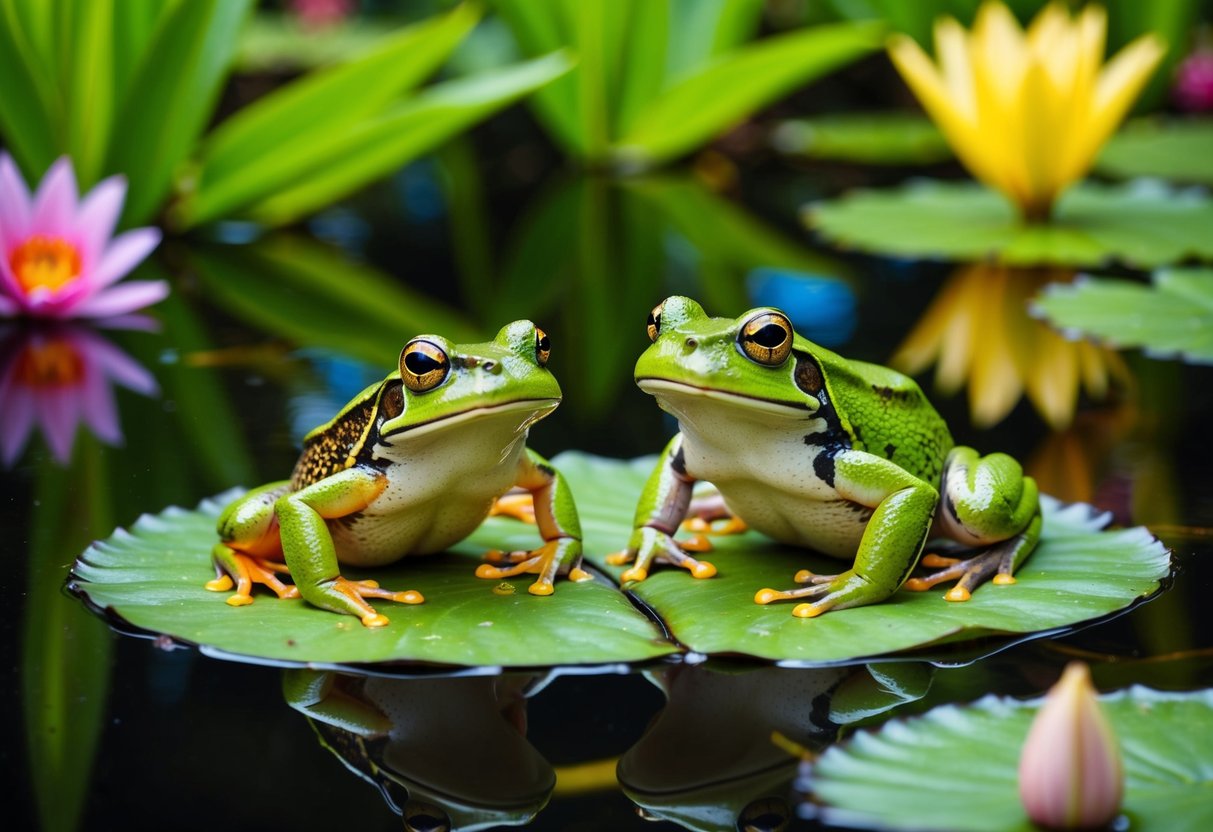
Creating a strong online presence is key for frog and toad photographers. It helps showcase your work, connect with others, and grow your career. A good online strategy includes a professional website, active social media accounts, and involvement in photography communities.
Website Creation and Management
Start by building a portfolio website to display your frog and toad images. Choose a clean, simple design that puts your photos front and center. Use high-quality images and organize them into galleries by species or habitat.
Add an “About” page to share your passion for amphibian photography. Include a contact form so potential clients can reach you easily.
Update your site regularly with new photos and blog posts about your experiences photographing frogs and toads. This keeps visitors coming back and improves your search engine rankings.
Social Media Strategies
Use social media platforms to share your frog and toad photos with a wider audience. Instagram and Facebook are great for visual content. Post consistently, using relevant hashtags like #FrogPhotography or #ToadTuesday.
Engage with your followers by responding to comments and asking questions. Share behind-the-scenes content of your photo shoots to give followers a glimpse into your process.
Consider creating short videos or reels showing frogs and toads in action. This can help your content stand out in crowded social media feeds.
Engaging with the Photography Community
Join online forums and groups focused on wildlife or macro photography. Share your work, ask for feedback, and offer advice to others. This helps you improve your skills and build connections.
Participate in photo challenges or contests centered around amphibians or nature photography. These events can increase your visibility and provide motivation to create new work.
Collaborate with other photographers or naturalists on projects related to frogs and toads. This can lead to new opportunities and help you reach different audiences.
Legal Aspects and Copyright
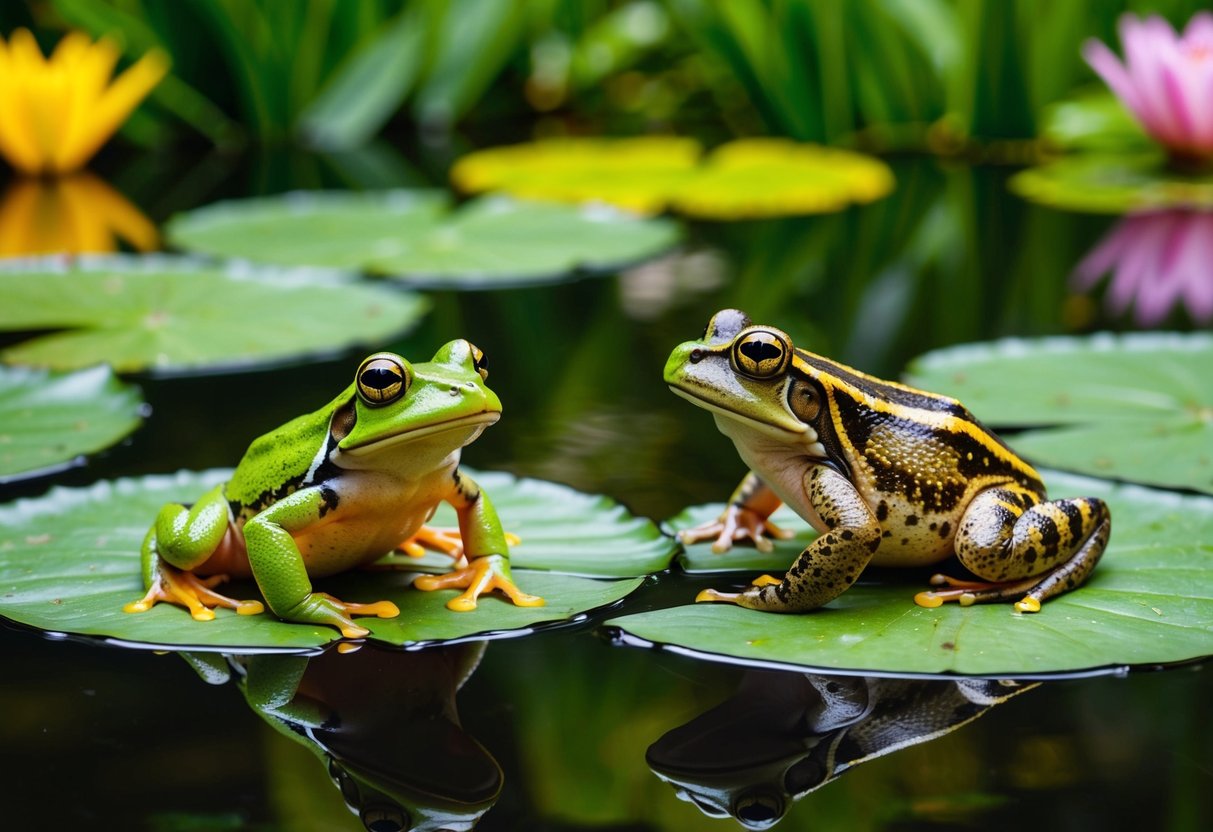
Building a portfolio of frog and toad images requires careful attention to legal matters. Copyright laws, model releases, and licensing are key considerations for photographers.
Navigating Copyright Laws
Copyright laws protect photographers’ work. When taking pictures of frogs and toads, the photographer owns the copyright to those images. This gives them control over how their photos are used and shared.
Some things to keep in mind:
- Copyright exists as soon as the photo is taken
- Registering copyright provides extra legal protections
- Using others’ frog photos requires permission
- Public domain images are free to use
National parks and nature reserves may have rules about commercial photography. Check local regulations before taking frog photos for your portfolio in protected areas.
Obtaining Model Releases
While frogs can’t sign model releases, property owners can. If photographing frogs on private land:
- Get written permission from the landowner
- Explain how you plan to use the images
- Offer to credit the location if allowed
For zoos or wildlife centers:
- Ask about their photo policies
- See if they require fees for commercial use
- Get staff approval before photographing exhibits
Having proper releases helps avoid legal issues when using or selling frog portfolio images later.
Licensing and Image Sales
Selling frog and toad photos can be a great way to earn money from your portfolio. Understanding licensing is crucial.
Common license types:
- Rights-managed: one-time, specific use
- Royalty-free: multiple uses after initial payment
- Creative Commons: free use with certain conditions
When selling frog images:
- Set clear terms for how buyers can use photos
- Decide if you’ll offer exclusive rights
- Consider fair use for educational or non-profit purposes
Stock photo sites can help market your frog portfolio. Research their terms to ensure they align with your goals for image use and pricing.
Long-Term Project Planning
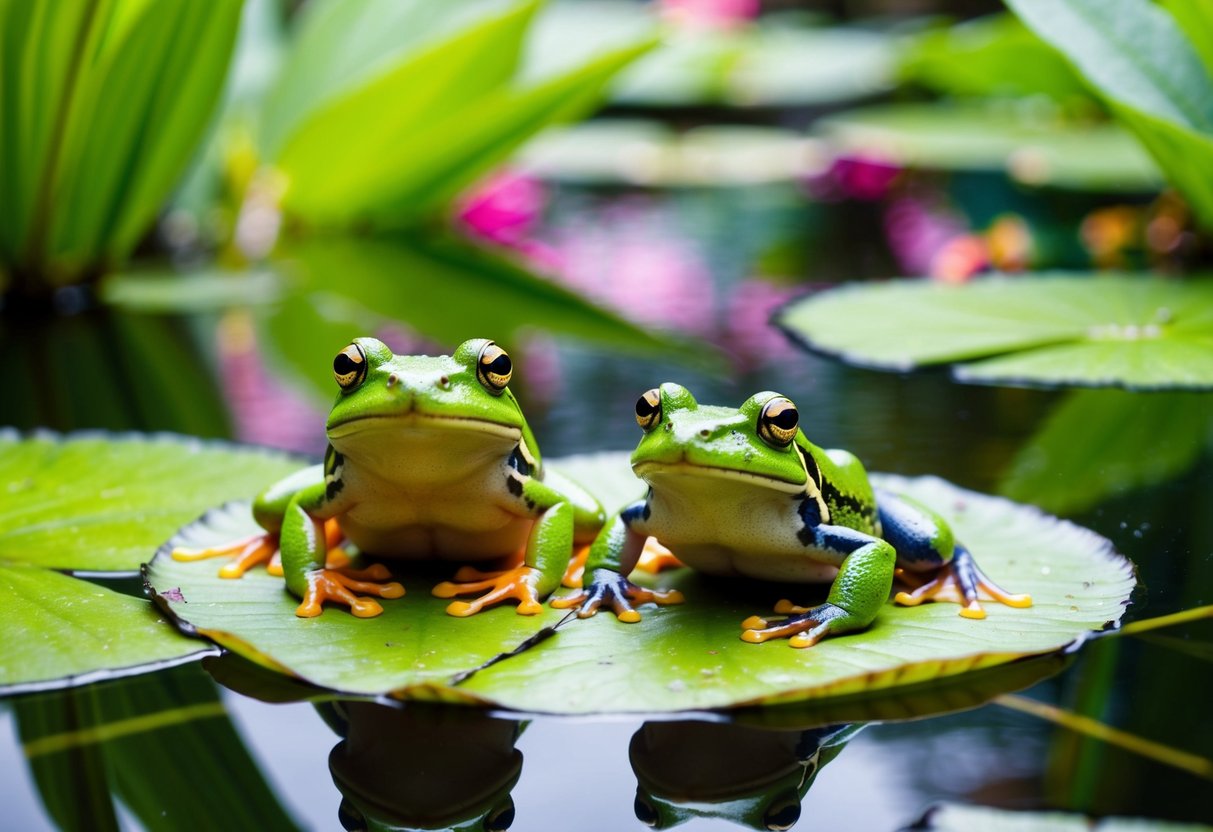
Building a portfolio of frog and toad images requires careful planning and organization. A well-structured approach ensures success and helps photographers stay on track.
Setting Achievable Goals
Set clear, specific goals for your frog and toad image portfolio. Aim to capture a certain number of species or focus on specific habitats. For example, target photographing 20 different frog species in a year.
Break larger goals into smaller, manageable tasks. This might include researching locations, learning about frog behavior, or improving macro photography skills.
Keep goals realistic and flexible. Factors like weather and seasonal changes can affect frog activity, so be prepared to adjust your plans as needed.
Project Timeline and Milestones
Create a timeline for your project, considering frog and toad activity patterns. Many species are more active during spring and summer, making these ideal times for photography.
Set milestones to track progress. These could include:
- Month 1-2: Research and plan locations
- Month 3-4: Photograph common species
- Month 5-6: Focus on rare or nocturnal species
Review and adjust your timeline regularly. Celebrate achievements and learn from challenges to keep motivation high.
Budgeting and Funding
Estimate costs for your project, including:
- Camera equipment (macro lens, flash, etc.)
- Travel expenses
- Habitat construction materials (if creating a backyard habitat)
Look for funding opportunities to support your project. Consider applying for wildlife photography grants or partnering with conservation organizations.
Save money by renting equipment or joining local photography groups to share resources. This can help reduce costs while expanding your network.
Presentation and Exhibition
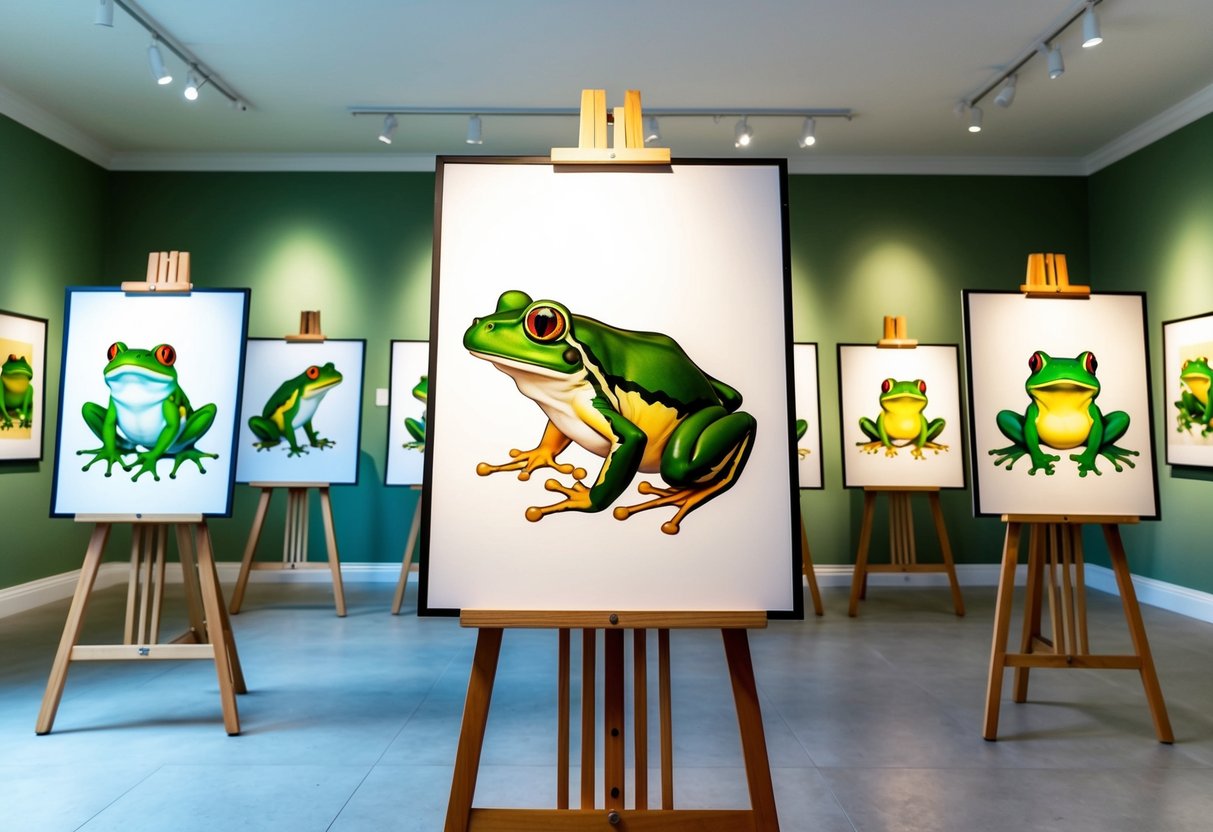
Showcasing Frog and Toad images requires careful planning and attention to detail. The right presentation can make your artwork stand out and appeal to viewers.
Curating a Portfolio
Choose your best Frog and Toad images for your portfolio. Pick pieces that show your skills and style. Include a mix of close-ups, action shots, and habitat scenes.
Group similar images together to create a cohesive look. This helps tell a story with your work. Consider the order of your images carefully.
Use high-quality digital files or prints for your portfolio. Make sure all images are sharp and well-lit. Remove any blurry or poorly exposed photos.
Exhibition Spaces and Opportunities
Look for places to show your Frog and Toad images. Local libraries often have display areas for artwork. Nature centers and wildlife organizations may welcome frog-themed exhibits.
Art galleries sometimes host wildlife photography shows. Check if any are planned in your area. Online galleries can also be a good option to reach a wider audience.
Enter photography contests focused on nature or amphibians. These can provide exposure and feedback on your work. Some contests offer prizes or publication opportunities.
Printing and Framing Best Practices
Choose high-quality paper for printing your Frog and Toad images. Matte or semi-gloss finishes often work well for nature photos. Test different papers to see what looks best.
Select frames that complement your images without overpowering them. Simple, clean frames usually work well. Make sure the frame color doesn’t clash with the photo.
Use acid-free mats to protect your prints. Choose mat colors that enhance the image. White or off-white mats are classic choices that work with most photos.
Consider having your best images printed on canvas for a modern look. Metal prints can also create a striking effect for vibrant frog photos.
Reflection and Growth
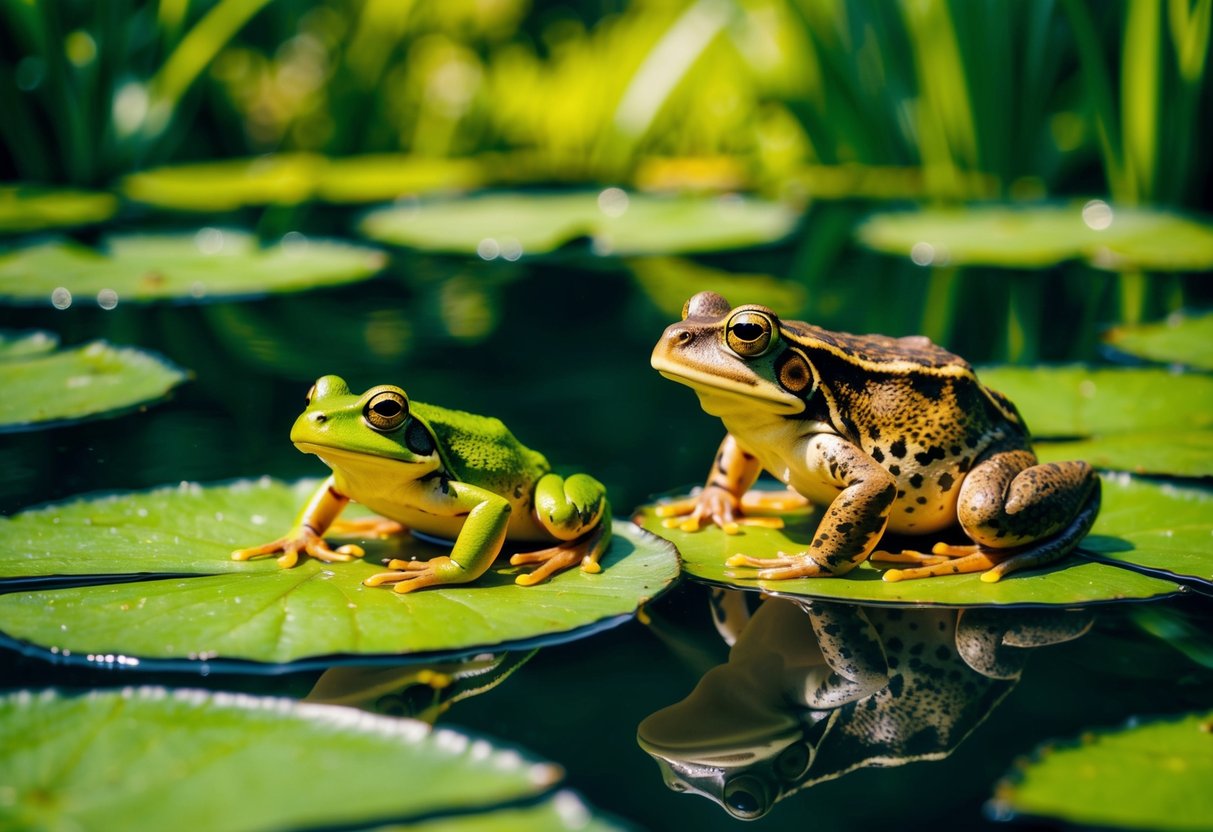
Building a portfolio of frog and toad images requires ongoing self-assessment and adaptation. Photographers must review their work, expand their skills, and stay current with industry trends.
Reviewing and Critiquing Your Work
Regular evaluation of your frog and toad photos is crucial. Set aside time each month to review your recent shots. Look for strengths and areas that need improvement.
Pay attention to composition, lighting, and subject focus. Ask yourself if the images capture the unique features of the amphibians.
Seek feedback from fellow photographers or nature enthusiasts. Their fresh perspective can highlight aspects you might have missed. Consider joining online forums or local photography groups for constructive criticism.
Keep a photo journal to track your progress. Note successful techniques and challenging situations. This record helps identify patterns in your work and guides future improvements.
Continual Learning and Skill Development
Improve your frog and toad photography skills through various methods. Attend workshops focused on wildlife or macro photography. These events often provide hands-on experience with expert guidance.
Read books and articles about amphibian behavior and habitats. This knowledge helps you anticipate their movements and capture better shots.
Experiment with different camera settings and equipment. Try new lenses or lighting techniques to expand your creative options. Practice in various environments to broaden your skillset.
Consider learning photo editing software. Proper post-processing can enhance the colors and details of your frog and toad images.
Adapting to Photographic Trends
Stay informed about current trends in wildlife and nature photography. Follow popular photographers and magazines in this niche. Social media platforms like Instagram can showcase emerging styles.
Explore new techniques like focus stacking or high-speed flash photography. These methods can add depth to your portfolio and attract viewer interest.
Be open to incorporating conservation themes in your work. Highlighting endangered species or habitats can give your images more impact.
Adapt to changing technology. Explore mirrorless cameras or smartphone photography if they suit your style. These tools can offer new perspectives on familiar subjects.
Frequently Asked Questions
Building a frog and toad image portfolio involves legal, ethical, and practical considerations. Here are answers to common questions about sourcing, attributing, and organizing amphibian images for various uses.
How can I legally obtain free images of frogs and toads for my portfolio?
Many websites offer free frog and toad images for personal and educational use. Photographers often share their work on platforms like Flickr or Unsplash under Creative Commons licenses.
Wildlife conservation organizations sometimes provide free images to raise awareness. Always check the license terms before using any image.
What are the best practices for attributing artists when using their frog and toad images?
Proper attribution includes the artist’s name, the image title, and a link to the original source. Some licenses require specific wording.
It’s polite to place the attribution near the image. For online use, linking back to the artist’s website or profile is appreciated.
Where can I find high-quality cartoon images of toads for commercial use?
Stock image websites like Shutterstock or Adobe Stock offer cartoon toad images for purchase. These come with commercial licenses.
Some illustrators on platforms like DeviantArt create toad cartoons available for licensing. Contacting them directly can lead to custom work.
What resources are there for finding cute frog photographs for a thematic image collection?
Nature photography websites often feature adorable frog photos. Instagram hashtags like #cuteFrogs can reveal talented photographers.
Wildlife magazines and their online galleries are great sources for professional-quality cute frog images. Many allow reprints for a fee.
How can I effectively organize my amphibian image portfolio to showcase a variety of species?
Grouping images by species, habitat, or color can create visual interest. Including a mix of close-ups and wider shots adds variety.
Using metadata tags helps with quick searches. Creating separate folders for different frog and toad species keeps the portfolio organized.
Are there platforms that offer royalty-free drawings and illustrations of toads for educational purposes?
Websites like Pixabay and Pexels offer royalty-free toad illustrations. These are often suitable for educational materials.
Some scientific journals provide free access to toad diagrams and drawings. These can be valuable for accurate educational content.