How can I create a frog- and toad-friendly environment in my yard?
Simple steps for a thriving amphibian habitat
Frogs and toads can be great additions to any backyard. They eat pests and add a natural charm to your garden.
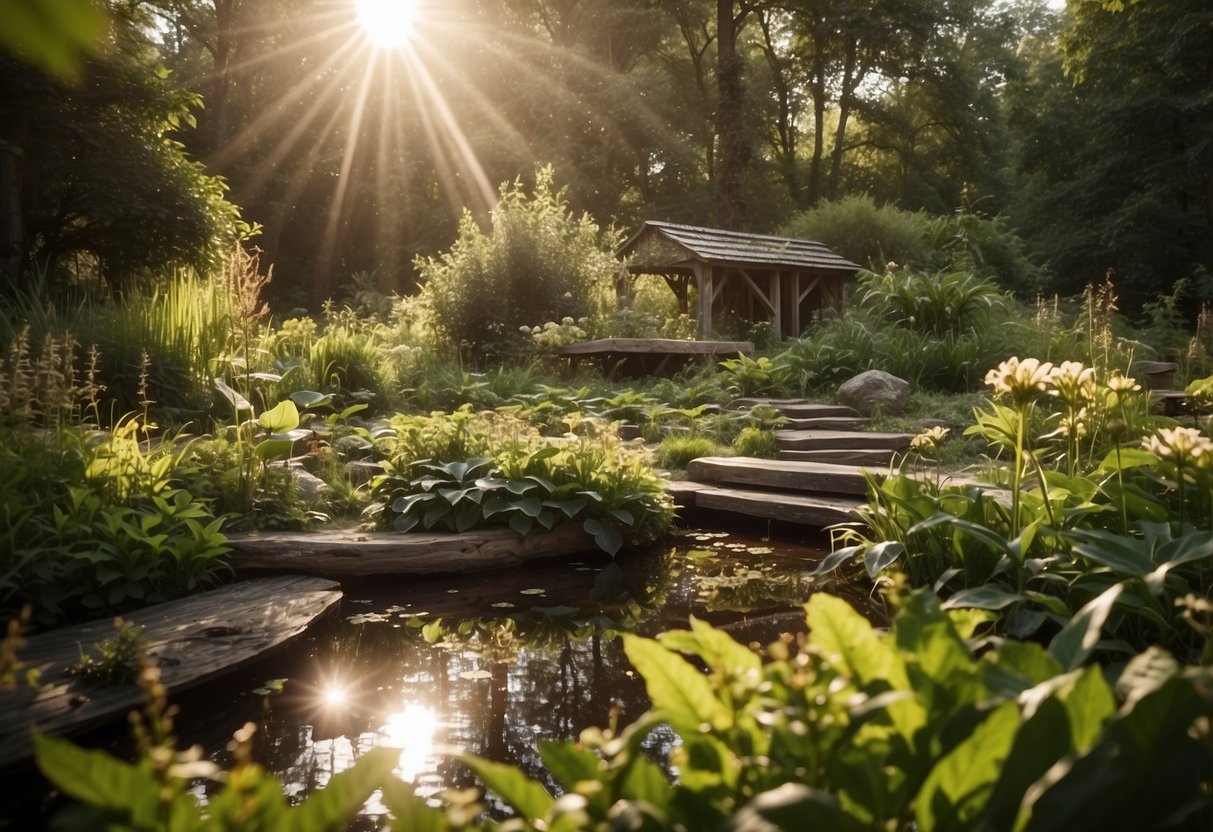
To make your yard welcoming for frogs and toads, add water features, plants for shelter, and avoid using chemicals. A small pond or even a birdbath placed at ground level can provide a perfect breeding spot.
I like to include logs, rocks, and native plants to give these amphibians places to hide and stay moist.
Creating a frog habitat can be as simple or complex as you want. I’ve seen great results with just a few changes to my garden.
It’s rewarding to watch these helpful creatures thrive in a space I’ve made for them.
Key Takeaways
- Add water sources and shelter to attract frogs and toads
- Use native plants and avoid chemicals in your yard
- Enjoy the benefits of natural pest control and garden charm
Understanding Frogs and Toads
Frogs and toads are fascinating amphibians with unique needs. I’ll explore their habitat preferences, dietary requirements, and lifecycle to help you create a welcoming environment for them.
Habitat Preferences
Frogs and toads need a mix of water and land in their habitat. I’ve found that creating a frog-friendly pond is key. They like shallow, still water with gently sloping edges.
Toads prefer damp areas on land. I make sure to include:
- Logs and rocks for hiding
- Leaf litter for shelter
- Shaded spots to stay cool
Both frogs and toads need a chemical-free environment, so I avoid using pesticides or fertilizers in my yard. This keeps them safe and healthy.
Dietary Needs
Frogs and toads are natural pest controllers. They eat:
- Insects (flies, moths, beetles)
- Slugs and snails
- Small spiders
I’ve noticed they’re most active at night. Adding solar lights to my garden attracts moths, which in turn attracts frogs and toads.
Compost piles are great for attracting insects. I keep mine near the garden to provide a steady food source for my amphibian friends.
Breeding and Lifecycle
Frogs and toads return to water to breed. In spring, I hear male frogs calling to attract mates. They lay eggs in water, which hatch into tadpoles.
Tadpoles live in water until they develop legs and lungs. Then they move to land. I make sure my pond has:
- Submerged plants for egg-laying
- Shallow areas for tadpoles
Toads often breed in temporary pools. I create small depressions that fill with rainwater to give them breeding spots.
Adult frogs and toads need land habitats near water. I provide toad houses in my garden for shelter. These simple structures give them a safe place to rest during the day.
Designing Your Garden for Amphibians
Creating a frog- and toad-friendly garden involves three key elements: water, shelter, and plants. These features will attract amphibians and provide them with a safe habitat to thrive in your yard.
Water Features
Adding a small pond is the best way to invite frogs and toads into your garden. I recommend building a pond that’s about 20 inches deep at the center.
Choose a spot that’s mostly shady but still gets some sunlight. This balance helps keep the water at a comfortable temperature for amphibians.
If you can’t add a pond, don’t worry. Even a shallow container filled with water can work. Just make sure to change the water regularly to keep it fresh.
I suggest adding some aquatic plants to your water feature. They provide oxygen and hiding spots for frogs and tadpoles.
Shelter and Hiding Spots
Frogs and toads need places to hide from predators and harsh weather. I can help you create perfect hiding spots with simple materials.
Here’s what you can use:
- Rocks and stones
- Logs and branches
- Clay pots turned upside down
- Leaf litter
Place these items near the water’s edge for easy access. Stack rocks to create crevices, or partially bury a clay pot on its side.
Leave some areas of your garden a bit wild. Tall grass and leaf piles make great natural shelters for amphibians.
Plant Selection
Choosing the right plants is crucial for a frog-friendly garden. I recommend focusing on native species that attract insects, which frogs eat.
Some good options include:
- Ferns
- Hostas
- Native grasses
- Wildflowers
Plant these in groups to create dense areas of vegetation. This provides more hiding spots and hunting grounds for frogs and toads.
Avoid using chemicals and pesticides in your garden. These can harm amphibians and reduce their food sources. Instead, embrace organic gardening practices to keep your amphibian friends safe and healthy.
Safe and Healthy Environment
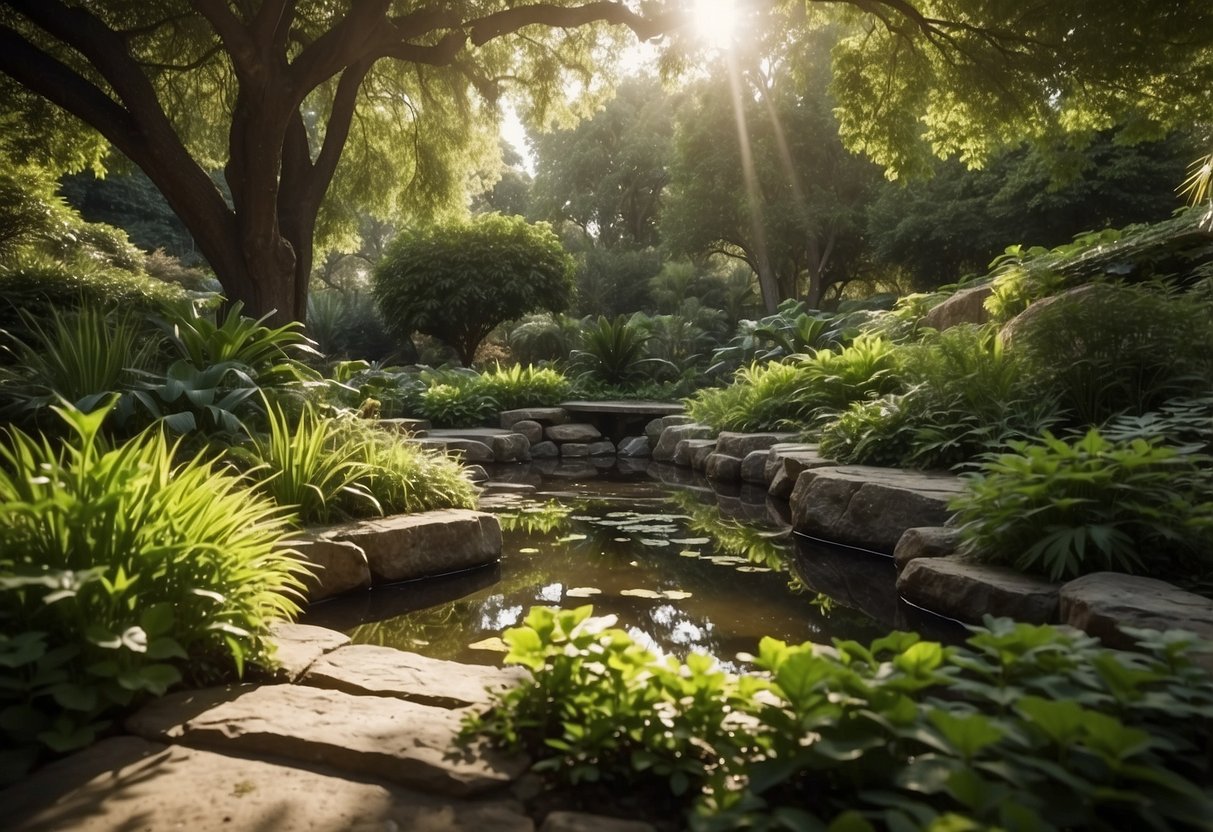
Creating a safe space for frogs and toads means avoiding harmful chemicals and protecting them from predators. I’ll share some key practices to make your yard a healthy habitat for these amphibians year-round.
Pesticide-Free Practices
I recommend avoiding all chemical pesticides in your yard. These can harm or kill frogs and toads through direct contact or by poisoning their food sources. Instead, I use natural pest control methods.
Companion planting helps deter pests without chemicals. I plant marigolds near my vegetables to repel aphids and other bugs.
Handpicking pests is time-consuming but effective. I remove caterpillars and slugs by hand in the early morning or evening when they’re most active.
Attracting beneficial insects like ladybugs and lacewings helps control pest populations naturally. I plant flowers they like, such as daisies and yarrow.
Natural Predator Deterrents
To protect frogs and toads from predators, I create plenty of hiding spots. I use rocks, logs, and dense plants to give them cover.
I make sure my yard has different levels. Toads prefer ground-level shelters, while tree frogs like higher spots. I use a mix of:
- Low bushes
- Tall grasses
- Shrubs
- Trees
Water features with sloped sides let frogs escape quickly if threatened. I keep the area around my pond clear of tall grass where predators could hide.
Motion-activated lights can scare away nighttime predators like raccoons. I place these strategically around my yard.
Seasonal Considerations
In spring, I create shallow, temporary pools for breeding. These mimic natural vernal pools that many frogs prefer.
During hot summer days, I provide cool, damp areas. I use:
- Overturned flower pots
- Hollow logs
- Rock piles
In fall, I leave some leaves on the ground. This gives frogs and toads places to hibernate.
For winter, I create frost-free zones. I pile mulch or compost in sheltered areas of my yard. This gives them safe places to overwinter.
I adjust my pond care seasonally. In winter, I keep a small area ice-free to allow gas exchange.
Maintenance and Upkeep
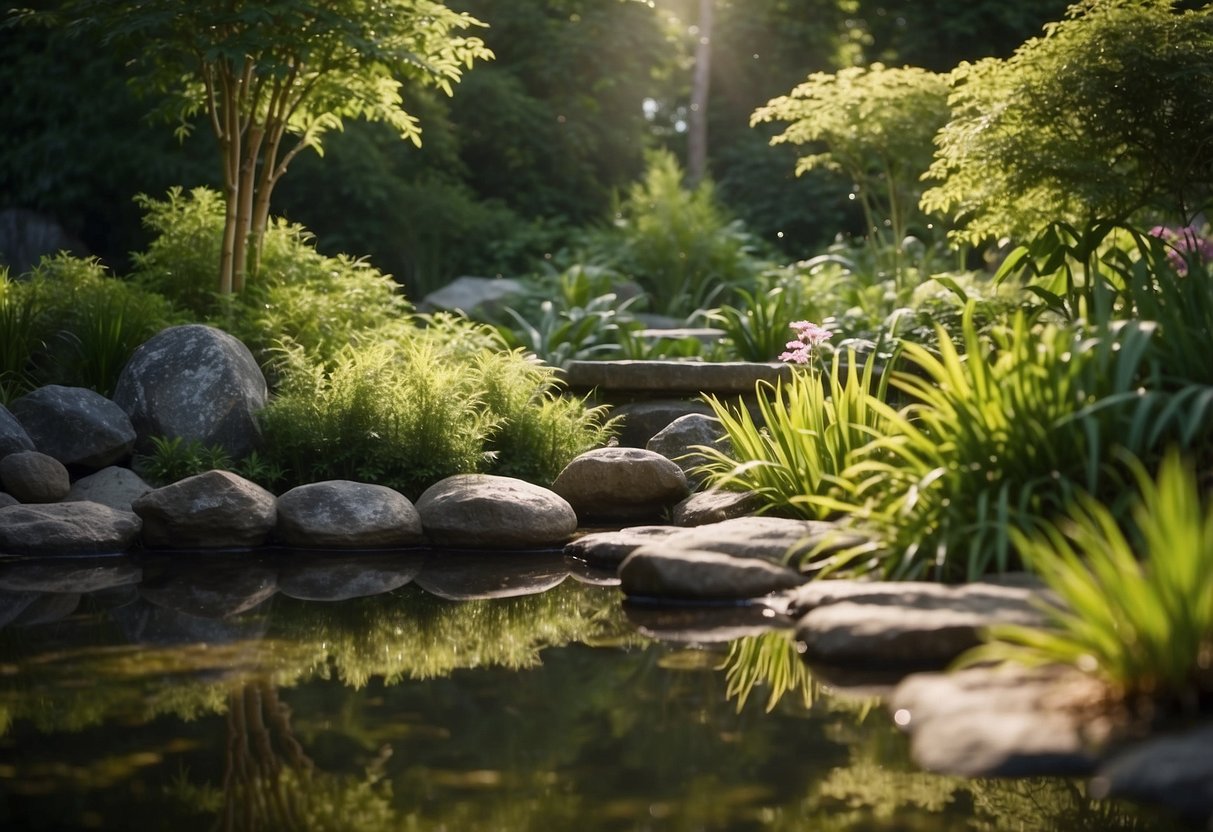
Creating a frog- and toad-friendly environment requires ongoing care. I’ll cover the key tasks to keep your habitat thriving.
Regular Monitoring
I check my frog habitat weekly. I look for signs of health issues in frogs and toads. Spotting problems early helps me act fast. I count the number of frogs I see to track population changes.
I inspect the habitat for damage. Strong winds or animals can disturb hiding spots. I fix any issues I find right away. This keeps the area safe for my amphibian friends.
I also watch for new frog species. Sometimes, new frogs move in if the habitat is good. I note these changes in a simple log.
Water Quality Management
Clean water is vital for frogs. I test the water quality monthly. Here’s what I check:
- pH levels (aim for 6.5-7.5)
- Ammonia (should be 0 ppm)
- Nitrates (less than 40 ppm)
I use a basic water testing kit from a pet store. If levels are off, I do a partial water change. I never use tap water directly. I let it sit for 24 hours to remove chlorine.
I clean debris from the water weekly. Leaves and sticks can rot and harm water quality. I use a net to remove them gently.
Vegetation Control
Plants are key in frog habitats. I trim plants near the water monthly. This stops overgrowth that can crowd frogs. I remove any invasive plants I spot.
I add new native plants yearly. This keeps insects coming for frogs to eat. I choose plants that grow well in my area.
I avoid using chemicals in my yard. Pesticides and fertilizers can harm frogs. Instead, I use natural methods to control pests and feed plants.
I refresh mulch in hiding spots annually. This keeps the ground moist and comfy for frogs. I use natural, untreated mulch to avoid chemicals.
Community Involvement
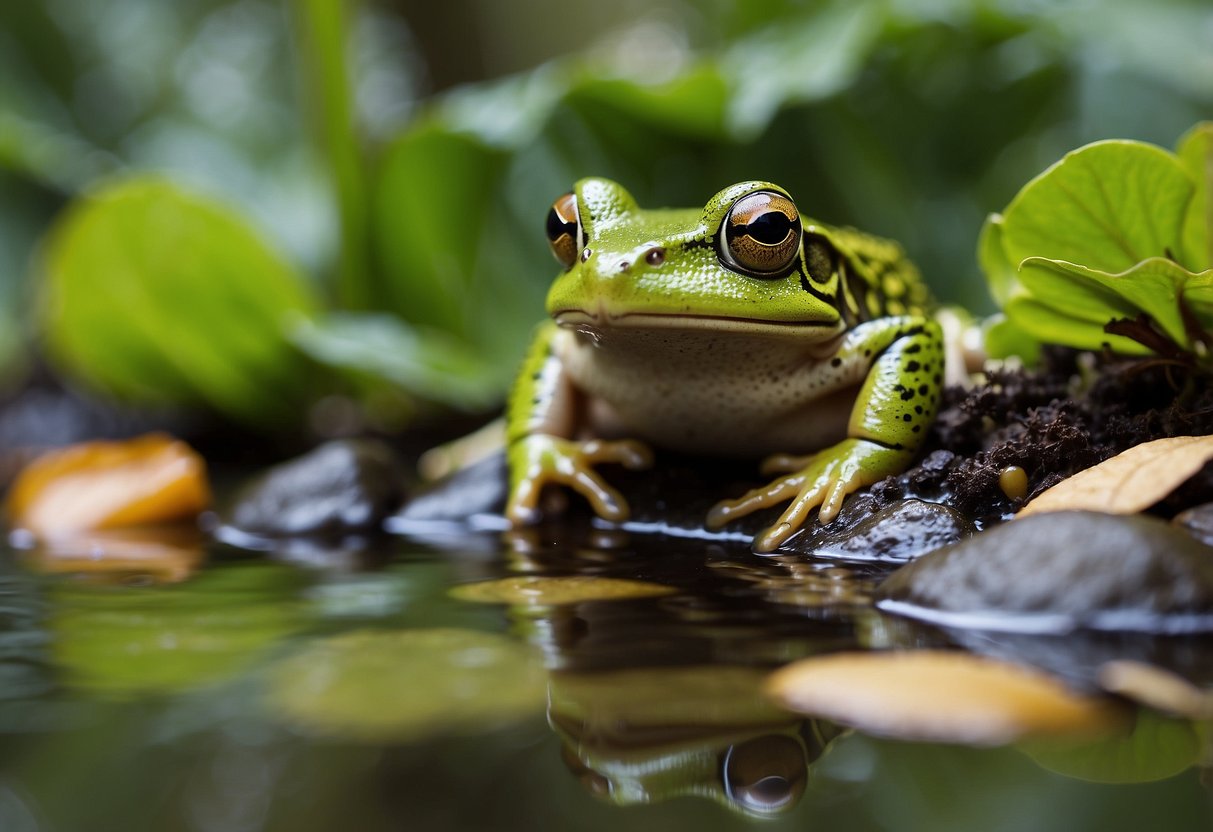
Getting others involved can make a big difference for frogs and toads. I’ll share ways to educate people and connect habitats in your area.
Educational Outreach
I recommend splitting the text up into at most two sentences per paragraph. Organizing nature walks is a great way to teach others about local amphibians. I can lead groups through parks or nature centers to spot frogs and toads. This helps people learn to identify different species.
I also suggest giving talks at schools or community centers. I can explain why frogs and toads are important and how to protect them. Hands-on activities work great for kids. They could make toad houses or design frog-friendly garden plans.
Setting up an information booth at local events is another good idea. I can hand out flyers about creating backyard habitats. Bringing preserved frog specimens or recordings of frog calls can spark interest too.
Creating Connected Habitats
I think working with neighbors is key to building wildlife corridors. We can plan connected frog-friendly yards along our street. This gives frogs more space to move and find food.
I suggest mapping out existing water sources and green spaces in the neighborhood. Then we can figure out where to add new ponds or native plants to fill gaps.
Starting a community garden is another great project. We can include a pond and lots of frog-friendly features. This gives people a chance to learn hands-on about creating habitats.
I also recommend working with local parks to improve frog habitats. We might help plant native species or build small ponds in public spaces.
Frequently Asked Questions
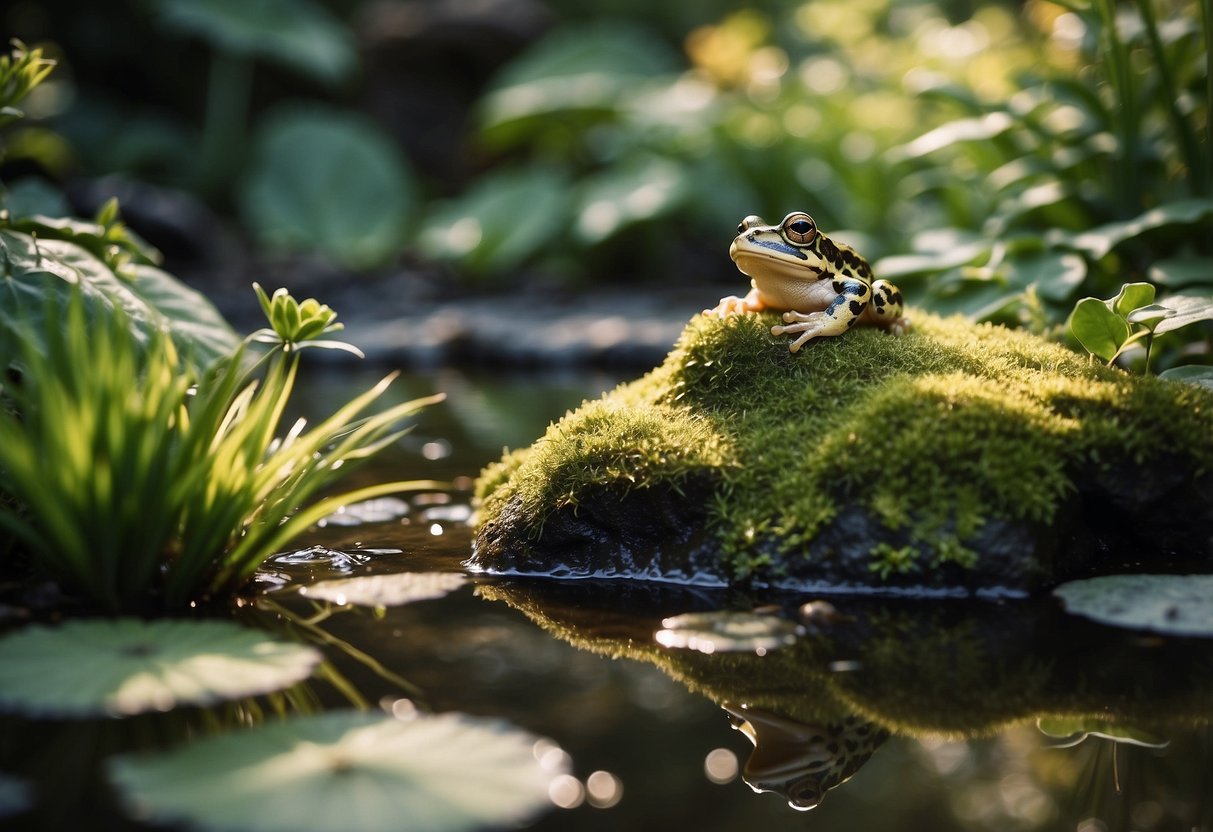
Creating a frog- and toad-friendly environment in your yard involves several key practices. I’ll address common questions about habitat creation, attraction methods, and the benefits of having these amphibians in your garden.
What are the best practices for creating a habitat friendly to frogs and toads in a garden?
To make a frog- and toad-friendly garden, I recommend creating a small pond or water feature. This can be as simple as a shallow dish filled with clean, non-chlorinated water.
I also suggest adding hiding spots using rocks, logs, or overturned pots. Native plants attract insects, which frogs eat.
Avoid using chemicals, pesticides, and fertilizers in your garden, as these can harm frogs and toads.
How can I attract frogs to my garden if I don’t have a pond?
Even without a pond, I can attract frogs to my garden. I might place a birdbath on the ground or use a shallow dish filled with water.
I can create damp areas by using mulch or leaving piles of leaves in shady spots. These moist environments appeal to frogs and toads.
What should I do if I find a frog in my garden?
If I find a frog in my garden, I should leave it alone. Frogs are sensitive creatures and handling them can cause stress.
I can observe the frog from a distance and enjoy its presence. If it’s in danger, I might gently move it to a safer spot using gloves.
Are there benefits to having frogs in my garden, and if so, what are they?
Frogs in my garden offer several benefits. They eat insects, including mosquitoes and other pests, helping to control these populations naturally.
Frogs also serve as indicators of environmental health. Their presence suggests a balanced ecosystem in my garden.
What elements attract frogs and toads to a yard or garden area?
Frogs and toads are attracted to areas with water, shelter, and food. I can add a small pond or water feature to my yard.
Plants that provide shade and shelter are important. I might include native vegetation to attract insects for frogs to eat.
How can I ensure the safety of frogs and toads in my garden from predators and other hazards?
To protect frogs and toads, I can create hiding spots using rocks, logs, or DIY toad houses. These provide shelter from predators and harsh weather.
I should avoid using chemicals in my garden, as these can harm frogs. Keeping cats indoors or supervised can also help protect these amphibians.