Pacman frogs, also called Ceratophrys, are known for their wide mouths and voracious appetites. These little amphibians are often described as looking like they hopped straight out of a cartoon with their big, round bodies and tiny legs. But there’s more to them than their quirky looks.
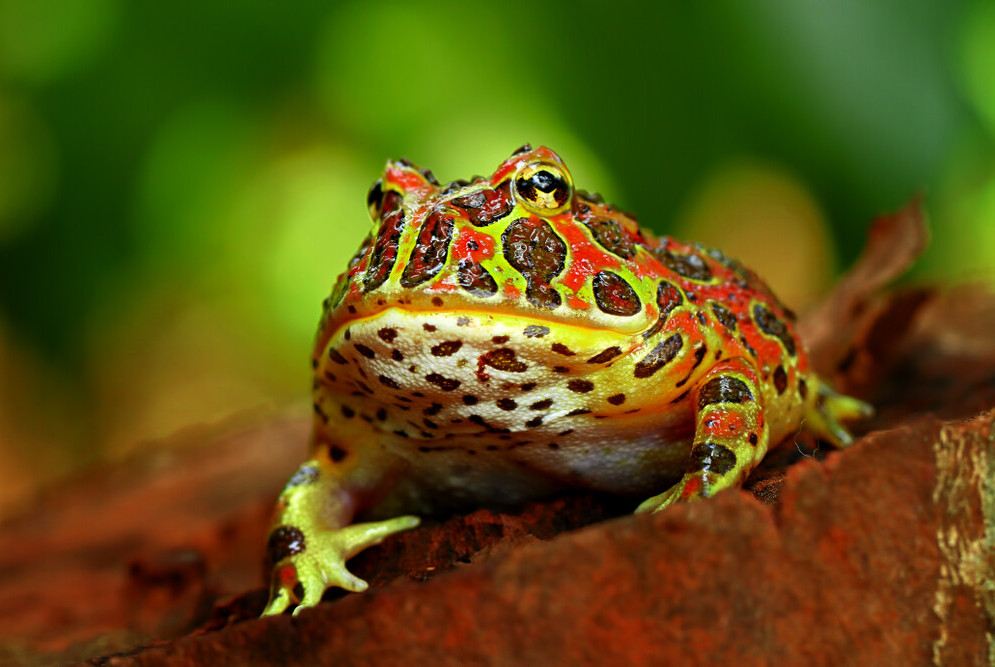
In the wild, Pacman frogs are primarily found in South America, especially in countries like Argentina, Brazil, and Paraguay. They love humid environments and can often be found hiding under leaf litter on the forest floor, waiting to ambush their prey.
Pacman frogs come in several varieties. Some of the popular species include the Argentine Horned Frog, Cranwell’s Horned Frog, and the Surinam Horned Frog. Each species has its own unique markings and color patterns, making them all appealing in their own way.
These frogs are known for their distinctive ‘Pacman’ shape—round with a huge mouth that takes up most of their face. Their bodies can be quite colorful, ranging from bright greens and yellows to browns and even reds. This unique appearance isn’t just for show; it helps them camouflage in their natural habitat.
When talking about their personality, Pacman frogs are pretty laid-back but can be quite the characters. They’re known for being relatively sedentary and prefer to stay hidden most of the time, waiting for food to come their way.
Whether you’re a seasoned herpetologist or just getting started in the world of amphibians, understanding the basics of Pacman frogs helps set the foundation for a successful and rewarding experience keeping these fascinating creatures.
Setting Up the Ideal Habitat for Your Pacman Frog
Creating a perfect home for your Pacman frog is more than just putting it in a glass tank. Their habitat is crucial for their health and happiness.
First, choosing the right enclosure is a big deal. Pacman frogs may not move much, but they still need enough space to be comfortable. A 10 to 20-gallon tank is generally sufficient for one frog. Make sure the enclosure is secure—Pacman frogs are surprisingly good at escaping.
Selecting the right substrate is another important step. These frogs love to burrow, so a substrate that mimics their natural environment is essential. Coconut fiber or a mix of peat moss and soil works great. Avoid using gravel or sand as they can be ingested and cause health problems.
Decor and shelter are vital. Include some plants (real or fake) and hiding spots like small caves or pieces of bark. These elements make your frog feel secure and give them places to retreat. Make sure everything is non-toxic and safe for amphibians.
Maintaining the right temperature and humidity levels is crucial for your frog’s well-being. Aim for a temperature between 75-85°F during the day and slightly cooler at night. Humidity should be kept between 60-80%. Misting the tank daily can help maintain these levels.
Don’t forget to keep the tank clean. Regularly remove any uneaten food and spot clean the substrate. Every few weeks, do a more thorough clean to keep the environment healthy for your frog.
Feeding Your Pacman Frog: Nutrition and Diet
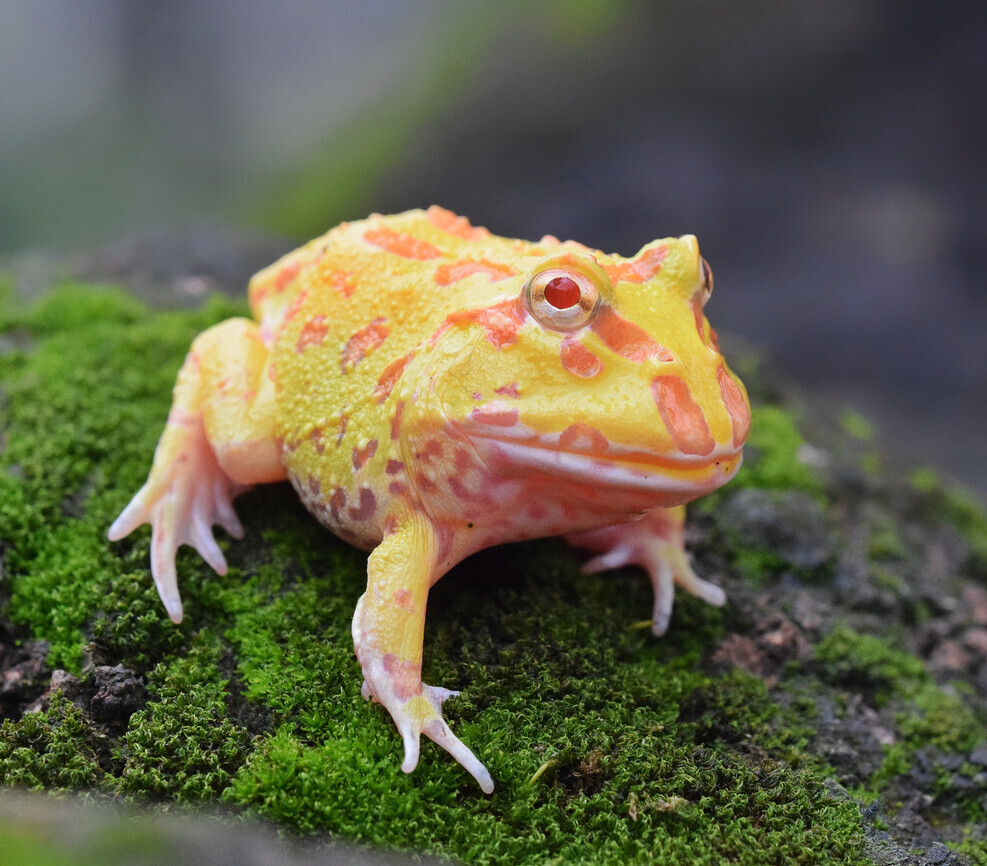
Pacman frogs have a carnivorous diet, which means they love their meat. Feeding these guys can be fascinating because they have such strong hunting instincts. Watching them snap up their prey is exciting and a bit like watching nature’s best hunters in action.
When it comes to what they eat, variety is the key. Pacman frogs can chow down on insects like crickets, mealworms, and dubia roaches. For more substantial meals, you can offer them small rodents like pinky mice, especially for adult frogs. Just make sure whatever you feed them is an appropriate size – too big and they might struggle to eat it.
Juvenile Pacman frogs need to eat more frequently than adults. As a rule of thumb, feed juveniles daily or every other day, while adults can be fed every 3-4 days. Always remove any uneaten food after a couple of hours to keep the enclosure clean and prevent any potential health issues.
A balanced diet is crucial for their health. Occasionally dusting their food with calcium powder helps prevent nutritional deficiencies. Vitamin supplements can also be beneficial, but it’s a good idea to consult a vet for specific recommendations.
Watch for signs of over or underfeeding. A healthy Pacman frog has a rounded but not bloated appearance. If you notice your frog refusing food or looking lethargic, it might be time for a check-up with a herpetologist.
Proper nutrition isn’t just about feeding the right things, but also feeding correctly. Keep an eye on feeding schedules and make sure your Pacman frog is getting a balanced diet to ensure a long, healthy life.
Health and Wellness: Common Issues and Prevention
Keeping Pacman frogs healthy is a top priority for any owner. These little guys can be prone to certain health problems, so being proactive is key.
One common issue is mouth rot, which often shows up as redness or swelling around the mouth. It can be caused by bacteria or poor living conditions. Make sure to keep their habitat clean and consult a vet if you notice any symptoms.
Another thing to watch out for is skin infections. Symptoms can include discolored patches or shedding problems. Keeping the humidity levels correct and ensuring the tank is clean can help prevent these issues.
Parasites are another concern. Regularly check for signs like weight loss or lethargy. If you suspect parasites, a vet visit is necessary. Fecal exams can help identify any internal parasites that might be affecting your frog.
Respiratory infections can also occur if the temperature or humidity are off. Signs include wheezing or bubbles from the nose. Keeping conditions stable and clean helps minimize this risk.
Preventative care is essential. Make sure to regularly clean the tank, monitor the temperature and humidity, and provide a balanced diet. Routine health checks are a great way to stay on top of any potential issues before they become serious.
When in doubt, consult a herpetologist. Vets specialized in reptiles and amphibians can offer the best advice for keeping your Pacman frog in top health.
Breeding Pacman Frogs: A Guide for Enthusiasts
Breeding Pacman frogs is an exciting venture for those who want to expand their collection or simply enjoy the fascinating world of frog reproduction. Understanding the breeding cycle is the starting point. Pacman frogs typically breed during the wet season in their natural habitats. Mimicking these conditions in captivity increases your chances of success.
Creating a breeding tank is essential. A separate tank with higher humidity and slightly cooler temperatures than their regular habitat works best. Providing ample hiding spots and a small water feature can also create a conducive environment for breeding.
Maintaining the right conditions isn’t the only challenge. Pacman frogs need to be conditioned before breeding. Gradually lowering the temperature and increasing the humidity mimics the rainy season. Feeding high-quality, nutrient-rich foods can also help prepare them for breeding.
Once the frogs mate and the female lays eggs, caring for the eggs and tadpoles becomes the focus. Keep the water clean and maintain a consistent temperature. Tadpoles are aquatic, so make sure they have enough water depth to swim comfortably. They will gradually transform into froglets, a process that requires careful monitoring and gradual changes to their environment.
Recognizing and addressing breeding challenges is part of the journey. Eggs might not always hatch, or tadpoles might face developmental issues. Patience and persistence are crucial. Documenting what works and what doesn’t can help refine the process over time. Consulting with more experienced breeders can also provide valuable insights.
Breeding Pacman frogs can be a rewarding experience, filled with learning opportunities and the joy of new life. It requires attention to detail, time, and a bit of patience, but the results are well worth the effort.
Pacman Frogs as Pets: Pros, Cons, and Considerations
Keeping Pacman frogs as pets has its own set of rewards and challenges. One of the major benefits is their relatively low maintenance compared to other pets. These frogs don’t need constant attention, making them ideal for busy individuals or those new to amphibian care.
Pacman frogs can be surprisingly interactive, especially during feeding time. Their voracious appetite and unique hunting behaviors provide endless amusement. Plus, their quirky appearance and vibrant colors make them a visually appealing addition to any home.
However, potential owners should be aware of the challenges. Maintaining the proper enclosure setup is crucial, requiring specific temperature and humidity levels. Their diets also need to be carefully managed to ensure they get the necessary nutrients without overfeeding.
Legal considerations are another aspect to keep in mind. Make sure to check local regulations regarding the ownership of exotic amphibians. Some areas might require special permits or have restrictions on certain species.
It’s essential to understand the long-term commitment involved. Pacman frogs can live up to 10-15 years, so you’re in it for the long haul. Regular monitoring of their health and habitat, along with occasional vet visits, can add to the responsibility.
Weighing the pros and cons helps in making an informed decision. Pacman frogs can be incredible pets for the right person, offering a unique and fascinating experience.