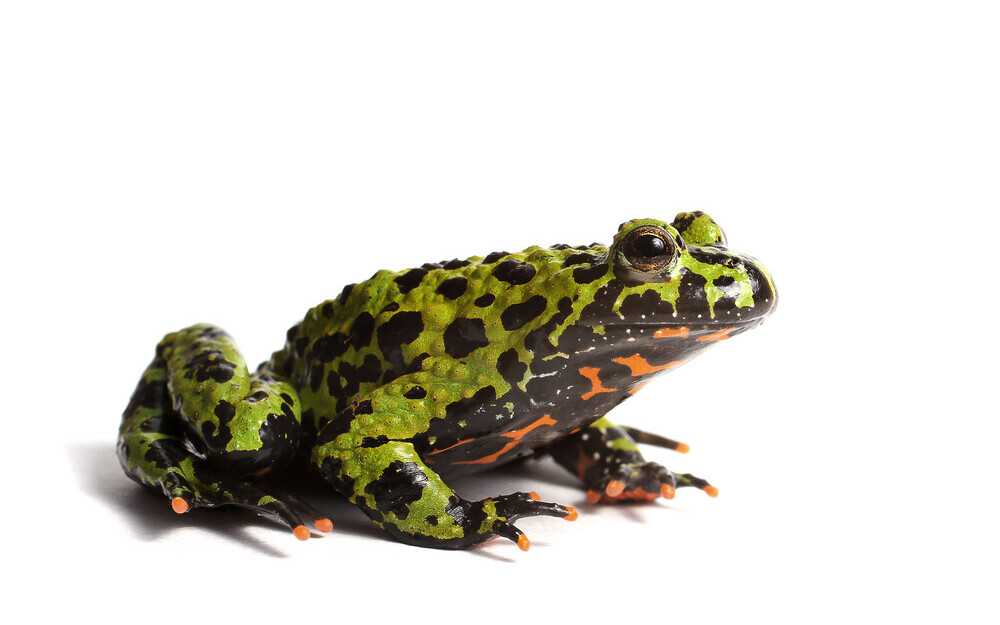
Fire-Bellied Toads are fascinating amphibians known for their vivid coloration and unique behaviors. These small toads, often sporting bright green or yellow along with their distinctive fiery undersides, are a sight to behold. They belong to the genus Bombina, which encompasses several species, each with its particular charm.
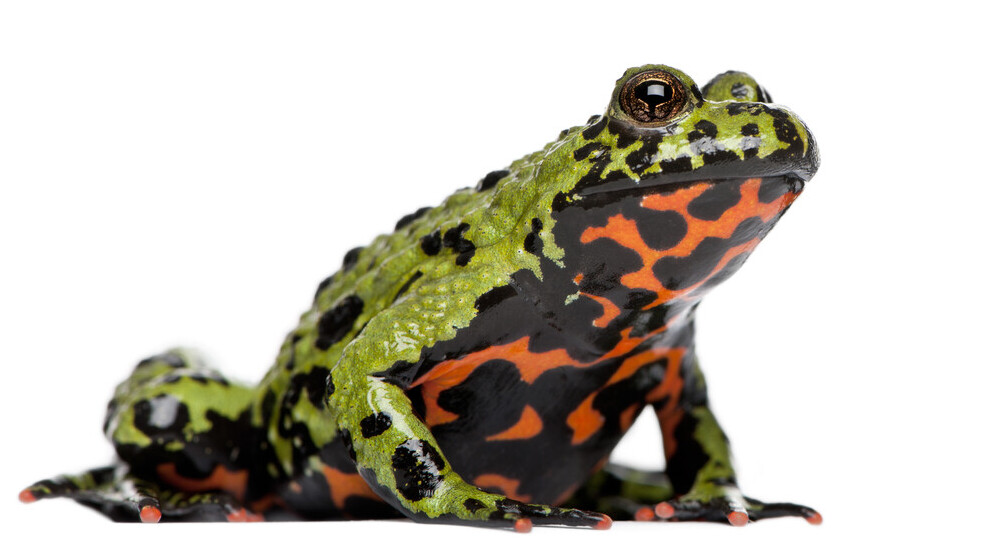
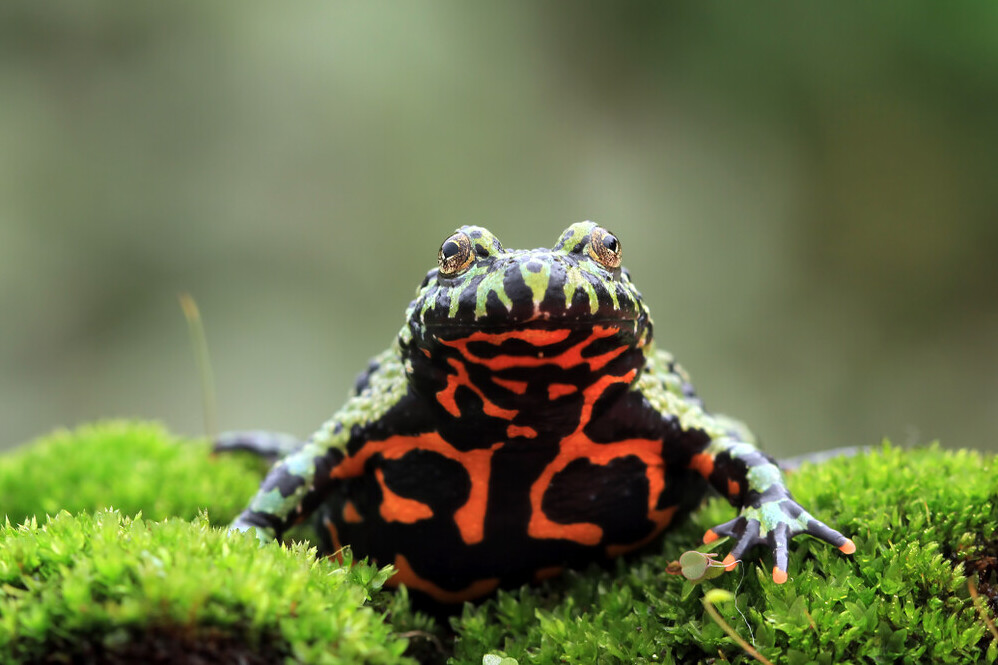
In terms of appearance, Fire-Bellied Toads are hard to miss. Their belly usually showcases a bright red or orange hue with black mottling, a natural warning sign to potential predators about their toxicity. Yes, they might be small, but these colorful patches mean business!
Moving on to their natural habitat, these toads prefer cool, damp environments. You can find them in the wild across parts of Asia, including China, Korea, and Russia. They love slow-moving streams, ponds, and marshes abundant with vegetation. This kind of habitat not only offers plenty of hiding spots but also teems with insects and small invertebrates – their favorite snacks.
Now, why are they called Fire-Bellied Toads? Besides the obvious belly blaze, these amphibians are tricky little actors. When threatened, they exhibit a behavior called the Unken reflex, where they arch their back and flash their bright underside. It’s their way of saying, ‘Back off, I’m toxic!’ Pretty cool, right?
Understanding Their Natural History
Fire-Bellied Toads have a rich history dating back millions of years. These amphibians have adapted and evolved with some fascinating traits. Their evolution can often be traced by examining their physical and behavioral traits, which link them to ancient relatives in the amphibian world.
In the wild, these toads are quite the explorers. They’re often found clambering over rocks, wading through shallow waters, and hiding under thick foliage. Being semi-aquatic, they split their time between land and water. Their natural behaviors, like frequent soaking and burrowing, are vital for survival.
Fire-Bellied Toads play a crucial role in their ecosystems. As both predators and prey, they help keep insect populations in check while also being a food source for larger animals. Their striking colors aren’t just for show—they’re an important part of the local food chain and have a specific function in their environment.
Socially, Fire-Bellied Toads are known for their distinctive, melodic calls, especially during the breeding season. These calls are essential for attracting mates and communicating with other toads. Despite their small size, they have strong voices that can be heard over considerable distances, making them unique among the amphibians in their habitats.
Setting Up the Perfect Habitat
Creating a suitable living environment for your Fire-Bellied Toad can be both fun and rewarding. The first step is choosing the right enclosure. A glass aquarium or a spacious terrarium will do the trick. Make sure it has a secure lid—these little guys are quite the escape artists!
The ideal setup should include both land and water areas, mimicking their natural environment. You can create a shallow water zone with a small filter to keep things clean and a dry land area with plenty of hiding spaces. Adding live plants can make the habitat more natural and provide extra cover.
Temperature and humidity are two critical factors for a healthy toad. Aim for a temperature between 72-78°F (22-25°C) during the day, with a slight drop at night. Humidity should be around 50-70%. Use a hygrometer and a thermometer to monitor these conditions regularly. A misting system or regular spraying can help maintain the right moisture levels.
Substrate choices are important too. A mix of coconut fiber, peat moss, and soil can create a comfortable and safe ground cover. Avoid anything too abrasive or that might cause impaction. Also, include smooth rocks and driftwood to give the toads some climbing and basking options.
Proper lighting is another key element. While Fire-Bellied Toads don’t need UVB light as some reptiles do, providing a natural day and night cycle will help them thrive. Using a low-wattage bulb to simulate daylight and a dimmer setup for the night can replicate their natural conditions.
Lastly, ensure regular maintenance of the habitat. Clean the water area weekly and change part of the water regularly to prevent any build-up of harmful bacteria. Check for any signs of wear and tear in the setup—like broken plants or damaged substrate—and fix them promptly. Keeping their home clean and well-maintained will keep your toads happy and healthy.
Feeding Your Fire-Bellied Toad
Feeding your Fire-Bellied Toad is a straightforward but crucial part of their care. These little amphibians have a big appetite for live prey. The good news is they’re not too picky—they’ll happily munch on a variety of insects.
Crickets are a popular choice and can be found at most pet stores. It’s best to gut-load them first, which means feeding the crickets nutritious food before giving them to your toad. This way, your toad gets extra vitamins and minerals with every bite. Mealworms, waxworms, and small roaches can also be great additions to their diet, providing some variety.
Make sure you feed them the right amount. Younger toads will eat daily, while adults usually need feeding every other day. A good rule of thumb is to provide enough food that can be eaten within 15 minutes. Remove any uneaten prey to prevent it from causing stress or dirtying the tank.
Supplements can be beneficial too. Dusting the prey with a calcium powder a couple of times a week ensures your toad gets essential nutrients. This is particularly important for growing juveniles and breeding females. A vitamin supplement can be used once a week to promote overall health.
Watch out for common feeding problems. If your toad isn’t eating, check the tank conditions first. Sometimes poor appetite can be a sign of stress or illness. Make sure the habitat is clean and conditions are optimal. If you notice persistent issues, consulting a veterinarian experienced with amphibians is always a good idea.
In summary, a varied diet of properly prepared insects, regular feeding, and occasional supplements will keep your Fire-Bellied Toad healthy and thriving. It can be fascinating to watch them stalk and capture their prey, providing both nutrition and enrichment for these vibrant amphibians.
Health and Wellness
Keeping your Fire-Bellied Toad healthy involves regular monitoring and understanding potential health issues. These toads, though generally hardy, can face several common problems.
Skin infections are a primary concern. If you notice any unusual spots, redness, or a cottony appearance on their skin, it could be a sign of infection. Dirty water or a poorly maintained habitat often leads to such conditions. Regular cleaning and maintaining optimal water quality will go a long way in prevention.
Another common issue is obesity. Yes, even toads can get a bit chunky if overfed. While it’s natural to want to spoil your pet, maintain a balanced feeding schedule. An overweight toad might have difficulty moving, so keep an eye on their body shape and adjust food portions as needed.
Parasites can also be a concern. Watch for signs like loss of appetite, irregular stools, or lethargy. If you suspect an infestation, consult a vet for appropriate treatments. Routine fecal checks can help catch any unwanted guests early on.
Regular health checks are a good habit. Observe your toad’s behavior and appearance daily. Active and alert toads with bright eyes and smooth skin are usually healthy. If something seems off—like unusual hiding, poor coordination, or erratic swimming—take it seriously and seek professional advice.
Vet visits aren’t just for emergencies. An annual checkup can give you peace of mind and catch potential issues before they become serious. Choose a vet experienced with amphibians for the best care and tailored advice.
Breeding Fire-Bellied Toads
Breeding Fire-Bellied Toads can be an enriching experience, but it does require some know-how. Start by ensuring both your male and female toads are healthy. Feeding them a nutritious diet and maintaining a clean habitat sets a solid foundation for breeding success.
Next, you’ll need to simulate their natural breeding conditions. Seasonal changes often trigger breeding, so slightly lower the temperature for a few weeks before gradually increasing it back to the norm. This mimics the natural cooling period followed by the rain season that they would experience in the wild.
Creating a separate breeding tank can also help. Fill it with shallow water and plenty of hiding spots. Make sure the water is clean and well-oxygenated. Adding live plants can provide both cover and laying surfaces for eggs.
Once the conditions are right, you might hear the males start their mating calls. These melodic calls are their way of wooing the females. If all goes well, the female will lay eggs in clusters, usually attaching them to plants or other substrates in the water.
The eggs will hatch in a week or so, and voila, you have tadpoles! At this stage, move the parents back to their original tank to prevent them from eating the young. Tadpoles require clean water and a special diet, beginning with finely crushed fish food or commercially available tadpole food.
As they grow, their diet will shift to include small insects. Gradually transition them to the feeding habits of adult toads. Monitor their development closely, ensuring they’re in good health and the environment stays clean.