Folklore and Legends Surrounding Frogs and Toads: Ancient Tales and Modern Myths
Frogs and toads have hopped their way into human culture for centuries. These amphibians play big roles in myths, stories, and beliefs around the world.
People have long been fascinated by their unique features and habits.
In many places, frogs and toads are linked to magic and the weather. Some think they can predict rain or bring good luck. Others see them as symbols of change or rebirth.
Frogs and toads appear in tales from ancient Egypt to modern fairy stories, showing how they capture our imaginations.
These creatures also show up in art, literature, and even modern movies and TV shows. Their meaning can change based on the culture and time period. Sometimes they’re seen as helpful, other times as scary or gross. But they always seem to leave a lasting mark on human thoughts and creativity.
Key Takeaways
- Frogs and toads have deep roots in folklore and myths worldwide
- These amphibians often symbolize luck, change, and magic in stories
- Frog and toad imagery appears in many forms of art and media throughout history
Historical Significance of Frogs and Toads
Frogs and toads have played important roles in human culture for thousands of years. These amphibians have been featured in myths, religious practices, and scientific studies across many civilizations.
Ancient Civilizations
In Ancient Egypt, frogs were linked to fertility and new life. The goddess Heqet, who had a frog’s head, was associated with childbirth. Egyptians saw frogs as good omens due to their appearance after the Nile’s annual flooding.
Ancient Greeks and Romans also connected frogs to fertility. They viewed these creatures as symbols of harmony and sometimes licentiousness. In Mesopotamian cultures, frogs held similar importance.
In China, frogs were seen as lucky. People believed they brought wealth and good fortune. This idea spread to other parts of Asia, where frogs became common symbols in art and literature.
Medieval Lore
During the Middle Ages, views on frogs and toads became more complex. In some areas, they were seen as helpful creatures. People thought frogs could predict weather or bring rain during droughts.
However, negative beliefs also arose. Witches were said to use toads in spells and potions. This led to fear and superstition around these animals. Some believed witches could transform into toads.
In folk medicine, both good and bad uses for frogs and toads emerged. Their body parts were used in remedies, while some feared their “poison.”
Renaissance to Enlightenment Perspectives
As scientific understanding grew, views on frogs and toads changed. Scientists began to study their biology and behavior more closely. This led to new discoveries about their life cycles and habitats.
In art and literature, frogs and toads continued to appear. They were often used as symbols or characters in stories. Famous tales like “The Frog Prince” became popular during this time.
The use of frogs in early scientific experiments also began. This included studies on electricity and anatomy. These studies helped advance human knowledge in biology and medicine.
Cultural Beliefs and Superstitions
Frogs and toads have special meaning in many cultures around the world. People see these small animals as lucky or unlucky. Some think frogs can change the weather or cure sickness.
Asia
In China, frogs are lucky. People think frogs bring money. The Chinese word for frog sounds like the word for “to return”. This makes frogs a sign of good things coming back.
In Japan, frogs mean good fortune too. There are frog statues at temples. People pray to these for help in business.
Some Asian cultures believe frogs can make it rain. Farmers may put frogs in jars during dry times. They think this will bring rain for their crops.
Africa
Many African folktales have frogs as wise characters. Frogs often outsmart bigger animals in stories.
Some groups see frogs as signs of fertility. A frog in the house might mean a baby is coming soon.
In parts of Africa, people think killing a frog will make it rain. But they also fear some frogs can curse them.
Europe
Old European stories often show frogs as magic creatures. The most famous is “The Frog Prince” tale.
In Britain, some thought frogs could cure throat problems. People would put a live frog in their mouth!
Witches in stories used frogs in spells. Frog parts went into magic potions. This gave frogs a dark image in some places.
Americas
Native American tribes saw frogs as rain bringers too. Some made frog dances to ask for rain.
In parts of South America, people think licking certain frogs causes visions. This is very dangerous and should never be done.
Some groups in the Americas believed frogs had healing powers. They used frog skin to treat burns and cuts.
Folklore in Literature and Arts
Frogs and toads have hopped their way into many stories and artworks over time. Their odd looks and habits have sparked people’s imaginations for ages.
Fairy Tales and Mythology
Frogs play key roles in famous fairy tales. The Brothers Grimm story “The Frog Prince” is a prime example. In this tale, a frog turns into a prince when kissed by a princess.
Ancient myths also feature frogs. In Egypt, frogs were linked to birth and new life. The frog goddess Heqet helped women during childbirth.
Greek myths tell of frogs too. One story explains how frogs got their croak. Zeus turned mean villagers into frogs as punishment. Their croaks are cries for forgiveness.
Modern Narratives
Today, frogs still pop up in books, movies, and TV shows. Children’s stories often use friendly frog characters. “Frog and Toad” by Arnold Lobel is a beloved series about two amphibian friends.
In pop culture, frogs appear in many forms. Kermit the Frog from “The Muppets” is known worldwide. He shows frogs can be smart, kind, and funny.
Some stories use frogs in darker ways. Horror tales might have evil toads or mutant frogs. These stories play on old fears about these slimy creatures.
Symbolic Meanings of Frogs and Toads
Frogs and toads hold deep symbolic meaning across many cultures. They represent important concepts like new life, personal growth, and good fortune.
Fertility and Rebirth
Frogs symbolize fertility and rebirth in many societies. Their life cycle, from egg to tadpole to adult, mirrors the cycle of life and renewal.
In ancient Egypt, the frog goddess Heqet helped women during childbirth. She was often shown with a frog’s head to represent her connection to new life.
Some Native American tribes see frogs as a sign of spring and new beginnings. Their appearance after winter signals the start of the growing season.
Transformation and Change
The frog’s metamorphosis from tadpole to adult makes it a powerful symbol of change. This process represents personal growth and transformation.
In fairy tales, a frog turning into a prince shows the potential for dramatic change. This story teaches that appearances can be deceiving.
Some people see frogs as a reminder to embrace change in their own lives. The frog’s journey inspires them to grow and adapt.
Luck and Prosperity
Many cultures view frogs as lucky creatures that bring wealth and good fortune. In China, the money frog is a popular feng shui symbol.
Frogs are linked to rain in some beliefs. Their croaking is thought to call for rain, which leads to good harvests and prosperity.
In some parts of Europe, keeping a ceramic frog in your home is believed to bring luck. People place these frog figures near entrances or in living rooms to invite good fortune.
Frog and Toad Species in Mythology
Frogs and toads have played important roles in myths and legends across cultures. Some real species gained mythological status, while imaginary amphibians emerged in folklore.
Real Species with Mythological Ties
The three-legged toad features prominently in Chinese mythology. Known as Jin Chan or Money Toad, it symbolizes wealth and good fortune. People often display statues of this creature to attract prosperity.
In ancient Egypt, the goddess Heqet took the form of a frog. She was associated with fertility and childbirth. Egyptian women sometimes wore frog amulets to invoke Heqet’s protection during pregnancy.
The cane toad gained mythical status among some Australian Aboriginal groups. They believed these large amphibians could control the weather and bring rain.
Mythical Species and Creatures
Folklore worldwide includes imaginary frog and toad species with supernatural abilities. The mythical toad in European witchcraft lore could predict the weather and was used in magical potions.
In Japanese folklore, the Tsuchinoko is a snake-like creature with a toad-like head. It’s said to have magical powers and the ability to speak human languages.
Some Native American tribes tell stories of giant frogs that could swallow people whole. These massive amphibians often represented dangers in nature.
Witches’ familiars sometimes took the form of magical toads. These creatures were believed to help with spells and communicate with the spirit world.
Ritualistic Uses and Ceremonies
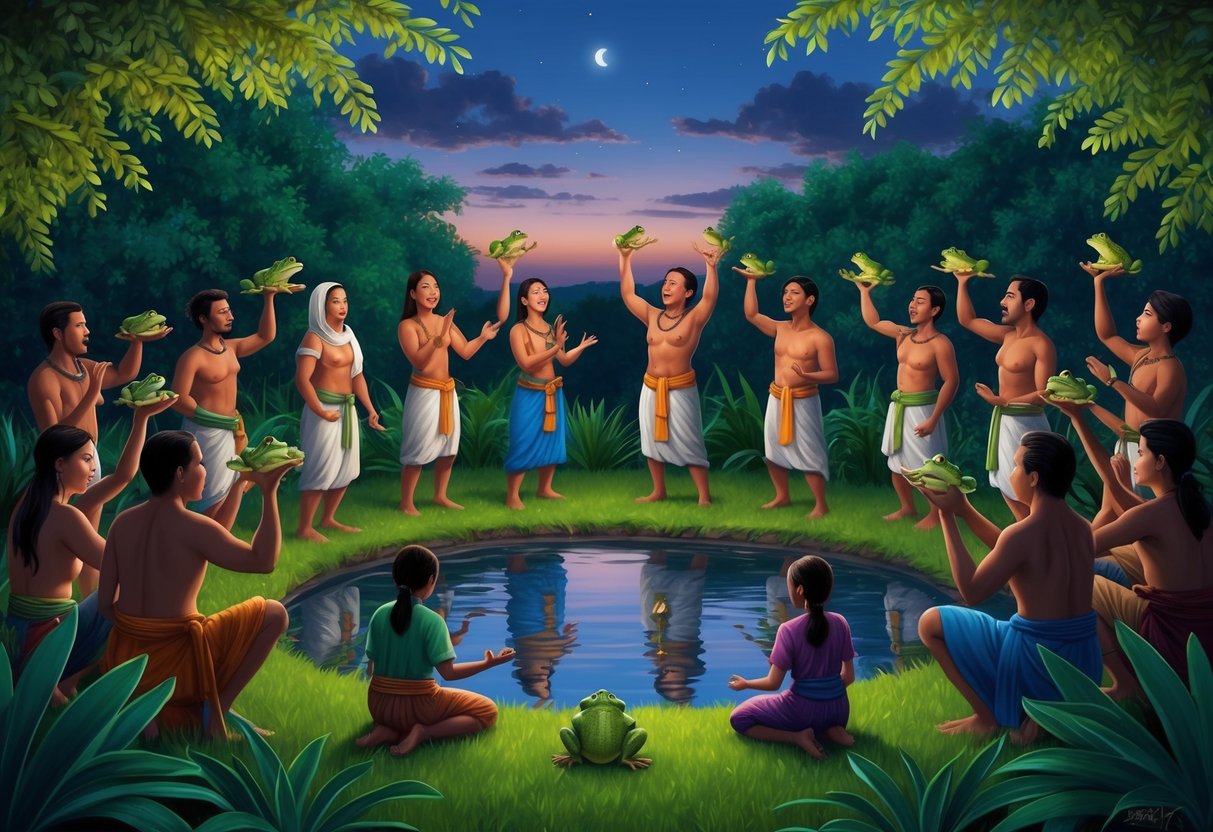
Frogs and toads play important roles in many cultures’ rituals and ceremonies. These amphibians are often seen as powerful symbols in healing practices and sacrificial rites.
Healing and Medicine
In some traditions, frogs and toads are believed to have supernatural healing powers. People use parts of these animals in folk remedies and magical cures.
Frog skin secretions are used in some cultures to treat burns and wounds. The belief is that these secretions speed up healing and prevent infection.
Some groups use toad venom in small amounts as a painkiller. However, this practice is risky and not recommended by medical professionals.
Certain Native American tribes use frog and toad imagery in healing ceremonies. Shamans may wear frog-themed items or use frog-shaped rattles during rituals.
Ritual Sacrifices
Frogs and toads sometimes feature in ritual sacrifices across different cultures. These practices often aim to bring good fortune or control natural events.
In some African traditions, people sacrifice frogs to ask for rain. The ritual involves burying frog remains in dry riverbeds.
Ancient Egyptians associated frogs with fertility. They sometimes sacrificed frogs to the goddess Heqet to ensure successful childbirth.
Some witchcraft practices reportedly use toad parts in spells. These rituals might involve brewing potions with toad ingredients to influence weather or cast curses.
Many of these practices are now considered unethical and harmful to animal populations.
Environmental and Conservation Tales
Frogs and toads play a key role in many environmental stories and conservation efforts. Their unique traits make them important symbols in tales about protecting nature and ecosystems.
Frogs and Toads as Indicator Species
Frogs and toads often feature in stories about environmental health. Their sensitive skin absorbs chemicals easily, making them good indicators of pollution. When frog populations drop, it can signal problems in an ecosystem.
Some cultures view frogs as guardians of water. In folklore, the presence or absence of frogs may foretell the purity of water sources. This ties into real ecological roles frogs play.
Conservationists use frog and toad tales to teach about habitat protection. The amphibians’ life cycles link land and water, showing how different environments connect. Stories often highlight how harming one habitat affects others.
Frog-themed environmental tales also focus on the animals’ calls. Silent nights without frog songs warn of ecosystem damage in both stories and real life.
Contemporary Interpretations and Urban Legends
Frogs and toads continue to captivate our imagination in modern times. They feature in many contemporary legends and urban myths, blending folklore with current cultural themes.
One popular urban legend claims that touching toads causes warts. This belief persists despite scientific evidence to the contrary. It likely stems from toads’ bumpy skin texture.
Another modern myth involves hallucinogenic properties of certain frogs. While some species do secrete toxins, exaggerated stories circulate about their effects.
Frogs often appear in internet memes and viral content. The “Pepe the Frog” meme became a widespread cultural phenomenon, taking on various meanings in different contexts.
Some urban legends portray frogs as environmental indicators:
- Frogs disappearing from an area signals impending disasters
- Unusual frog behavior predicts weather changes
- Mass frog deaths foretell ecological catastrophes
These beliefs reflect growing environmental concerns in society.
Fairy tale motifs get modern twists too. Stories of people kissing frogs to find true love now appear in movies, TV shows, and social media posts.
Urban explorers sometimes report encounters with giant sewer frogs. These tales mix elements of cryptozoology with fears about urban wildlife.
Frogs and Toads in Modern Media
Frogs and toads have become popular characters in movies, TV shows, and internet culture. Their unique appearances and behaviors make them versatile figures for storytelling and humor.
Film and Television
Frogs and toads often appear as magical or transformative creatures in films and TV shows. The classic fairy tale “The Frog Prince” has inspired many adaptations, including Disney’s “The Princess and the Frog” (2009).
In children’s media, frogs are frequently portrayed as friendly characters. Notable examples include Kermit the Frog from “The Muppets” and the educational show “Frog and Toad” based on Arnold Lobel’s books.
Horror films sometimes use frogs and toads to create eerie atmospheres. The 1972 movie “Frogs” features killer amphibians terrorizing humans.
Digital Media and Internet Memes
Frogs have gained significant popularity in online culture. The most famous example is Pepe the Frog, a cartoon character that became a widespread internet meme.
Frog symbolism has been adapted for social media content. Images and videos of frogs are often used to express emotions or reactions, particularly on platforms like Twitter and TikTok.
Frog-themed video games have also emerged, such as the popular “Frogger” series and indie games featuring amphibian protagonists.
Frequently Asked Questions
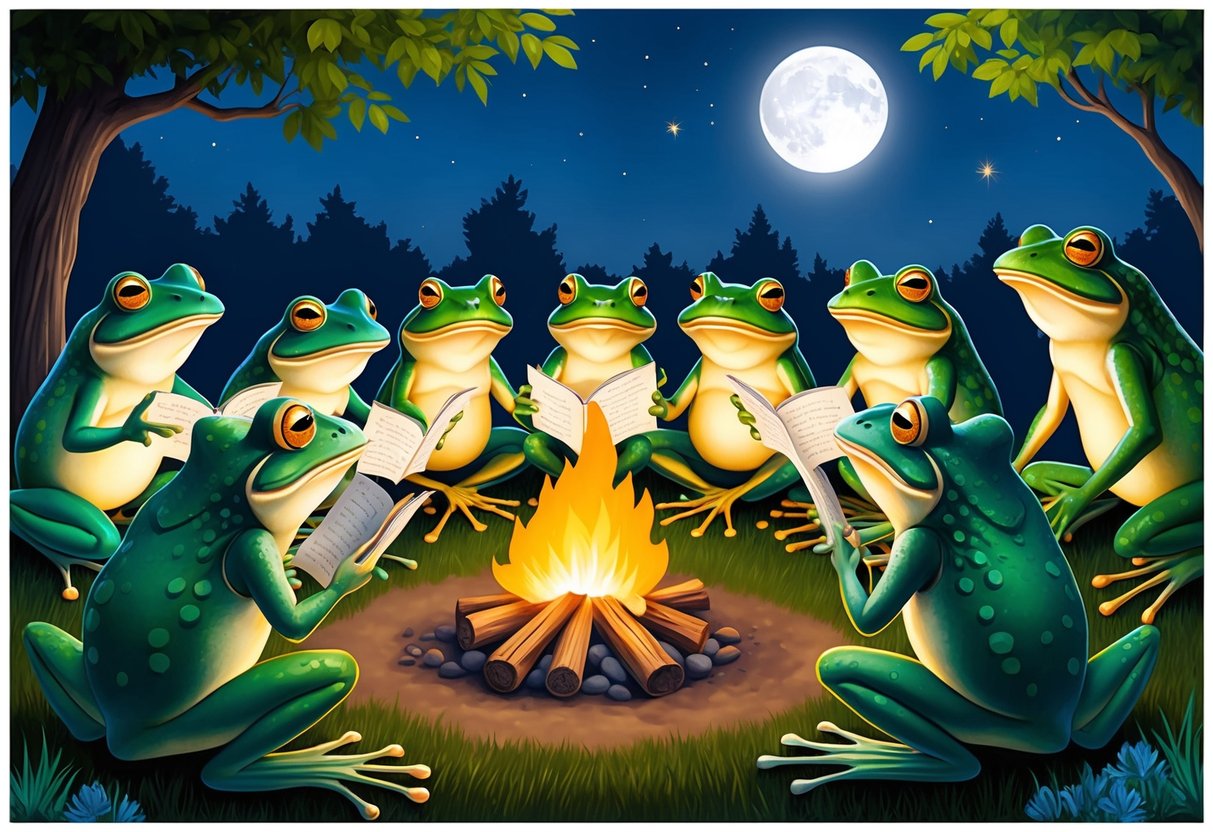
Frogs and toads play important roles in folklore and legends across many cultures. These amphibians are linked to various deities, symbolism, and superstitions around the world.
What do frogs and toads symbolize in different cultures?
Frogs and toads often represent transformation and renewal in many cultures. This symbolism stems from their ability to change from tadpoles to adult amphibians.
In Chinese culture, frogs symbolize good luck and prosperity. The Aztecs saw frogs as symbols of fertility and new beginnings.
Can you name some mythological creatures that are frogs or toads?
The Vodyanoy is a frog-like water spirit in Slavic mythology. In Japanese folklore, the Kappa is a water-dwelling creature with frog-like features.
The Tsathoggua from H.P. Lovecraft’s stories is described as a toad-like entity. Some versions of the Bunyip in Australian Aboriginal mythology depict it as a giant frog.
How are frogs and toads featured in Norse mythology?
In Norse mythology, frogs are not prominently featured. However, some stories mention Odin transforming into various animals, including frogs, to gain knowledge or escape danger.
Toads are sometimes associated with witchcraft and magic in later Norse-influenced folklore. This connection likely developed after the Viking Age.
What is Heqet’s role in Egyptian mythology?
Heqet was an Egyptian goddess of fertility and childbirth. She was depicted as a woman with a frog’s head or as a frog.
Heqet was believed to assist women during childbirth. The hieroglyph of a frog was used to represent the concept of abundance and large numbers.
Which deities are associated with toads across various mythologies?
In Mayan mythology, the rain god Chac was sometimes depicted with toad-like features. The Aztec god Tlaltecuhtli was occasionally portrayed as a toad-like earth monster.
Some versions of the Chinese moon goddess Chang’e describe her transformation into a toad as punishment for stealing the elixir of immortality.
What are common superstitions involving frogs?
Many cultures believe that killing a frog brings bad luck or causes rain. In some regions, frogs are thought to predict weather changes.
Some people believe keeping frog figurines in the home brings good fortune. In certain traditions, hearing a frog croak is considered a sign of impending rain.