Frogs Help Maintain A Healthy Organic Garden Ecosystem
Nature’s Tiny Gardeners
Looking to make your garden healthier with less work? When I discovered how frogs help maintain a healthy organic garden ecosystem, I was hooked! Frogs and their companion toads work hard to consume all those little bugs that want to eat my beloved plants. So I set out the welcome sign!
Frogs are amazing little helpers in any organic garden. They eat pests like insects and snails, so they reduce the need for harmful pesticides. This keeps your plants safe and healthy, and you get to enjoy the beauty of a thriving garden without worrying about chemicals harming the environment.

Not only do frogs help control pests, but they also indicate a healthy ecosystem. When you see frogs in your garden, it means your space is balanced and free from pollutants. This helps not just your plants, but also other wildlife that contributes to your garden’s health.
To attract frogs, you can create a frog-friendly habitat with native plants and small water features like ponds or wetlands. This makes your garden a more diverse and vibrant space, full of life and natural beauty.
Key Takeaways
- Frogs eat pests, reducing the need for pesticides.
- Frogs indicate a healthy and balanced ecosystem.
- Creating a frog-friendly habitat includes adding ponds and native plants.
The Importance of Frogs in Gardens
Frogs are essential for a thriving garden. They help control pests, indicate ecosystem health, and support plant pollination.
Natural Pest Control
Frogs are great at keeping garden pests in check. They eat insects like mosquitoes, beetles, and flies that can damage plants.
From my experience, I’ve noticed fewer pests when frogs are present. They hunt at night, covering large areas. This constant hunting keeps insect populations low. Without frogs, these pests would multiply quickly, harming both plants and soil. Relying on frogs for pest control is both eco-friendly and effective.
Biodiversity Indicators
Frogs are sensitive to changes in their environment. They are great at indicating the health of a garden’s ecosystem.
I find frogs useful for monitoring garden health. If I see many frogs, I know my garden is doing well. On the other hand, a lack of frogs might mean something is wrong. This can prompt me to adjust my gardening practices. Using frogs as indicators helps me keep my garden healthy and vibrant.
Plant Pollination Support
While not as famous as bees, frogs also play a role in plant pollination. They often feed on insects like beetles and ants that visit flowers, indirectly aiding pollination.
In my experience, fostering a habitat for frogs supports a wider range of beneficial insects. The presence of these insects helps with pollination. Additionally, frogs’ activities stir up the soil, benefiting plant roots. By keeping an environment that attracts frogs, I indirectly support my garden’s overall growth and productivity.
Creating a Frog-Friendly Environment
To make your garden a haven for frogs, you need to focus on providing water sources, creating shelter and breeding sites, and using organic gardening practices. Each of these elements plays an essential role in attracting and supporting frogs.
Providing Water Sources
Frogs need water to thrive. A small pond or container filled with water can become a perfect home for them. Even a simple birdbath can be a suitable option if space is limited.
Keep the water clean and free from chemicals. Use native aquatic plants like sedges to help maintain water quality and provide hiding spots.
You might also consider adding rocks or logs around the water source to give frogs places to rest and stay safe from predators.
Shelter and Breeding Sites
Frogs need good hiding spots and safe areas to lay their eggs. Plants, rocks, and logs offer perfect shelter options.
Planting dense foliage around a pond using plants like sedge can provide both protection and a safe place for breeding.
Old logs and leaf litter can create warm, moist hiding spots. Rocks arranged around the garden can give frogs a place to hide from predators and harsh weather.
Remember to place these shelters close to water sources to make it easier for frogs to move between them.
Organic Gardening Practices
Frogs are very sensitive to chemicals in their environment. Using pesticides or chemical fertilizers can harm them.
Stick to organic gardening practices to ensure a safe habitat. Compost rather than using synthetic fertilizers. Use natural methods like companion planting to control pests.
Native plants can attract insects that frogs eat, making your garden a sustainable ecosystem. Keep in mind that frogs are a great natural pest control themselves. They eat insects like mosquitoes and flies that might otherwise damage your garden.
Benefits of a Healthy Ecosystem
and how Frogs Help Maintain A Healthy Organic Garden Ecosystem
A healthy ecosystem in your garden brings many benefits. Two key areas are soil health and fertility, and water conservation.
Soil Health and Fertility
Soil health is crucial for plant growth. When soil is healthy, it is rich in nutrients and organic matter. This helps plants to grow strong and produce more fruit or flowers.
Healthy soil also supports a variety of microorganisms. These tiny creatures help break down organic matter, making nutrients available to plants.
By having a balanced ecosystem with frogs, insects, and other animals, the soil remains fertile. Frogs, for instance, eat pests that might otherwise harm plants. This means you don’t need to use chemicals that can damage soil health.
Another benefit is that healthy soil has better structure. This means it can hold water and air, which are vital for plant roots. Plants grow more robustly in such soil conditions. As a result, your garden becomes a thriving, vibrant space.
Water Conservation
Water conservation is another important benefit of a healthy ecosystem. In a well-balanced garden, plants and soil manage water efficiently.
Healthy soil absorbs water better, reducing runoff and erosion. This also means plants get the water they need without waste.
Frogs contribute to this balance by managing pest populations. With fewer pests, plants are less stressed and more capable of utilizing water effectively.
Maintaining natural habitats, like small ponds, can also help. Ponds provide a water source for frogs and other wildlife, creating a self-sustaining system. This minimizes the need for extra watering and helps conserve water in the long run.
Common Frog Species in Organic Gardens

In organic gardens, frogs play a crucial role in maintaining a balanced ecosystem. Let’s take a look at two common species you might encounter.
American Green Tree Frog
The American Green Tree Frog is a small and vibrant jewel of the garden. These frogs are usually bright green and have a slender body with a white or cream-colored stripe running down their sides.
They are native to the southeastern United States but can be found in many parts of the country.
These frogs thrive in humid environments and are often found near ponds, marshes, and other damp areas. They eat a variety of insects, including mosquitoes and flies, helping to keep your garden pest-free.
Because they are sensitive to changes in their environment, their presence can be an indicator of a healthy garden ecosystem.
You may spot them clinging to the leaves of plants or resting on the branches of trees. They have sticky pads on their toes, which helps them climb and move around with ease. Providing plenty of vegetation and moisture in your garden encourages these friendly helpers to take up residence.
Common European Frog
The Common European Frog, also known as the Common Frog, is widespread across Europe. They are usually green or brown with dark spots, and they have a smooth texture to their skin.
These frogs prefer cooler and wetter climates, making them a frequent sight in gardens in temperate regions.
They are excellent at controlling garden pests. The Common European Frog consumes a variety of insects, such as beetles, flies, and slugs. This natural pest control reduces the need for chemical pesticides, making them perfect for organic gardening.
You’ll often find them near ponds or in damp, shady spots in your garden. They need a steady source of water for breeding and tend to stay close to these areas. Ensuring your garden has a small water feature or pond will make it more inviting for these beneficial creatures.
Challenges and Solutions
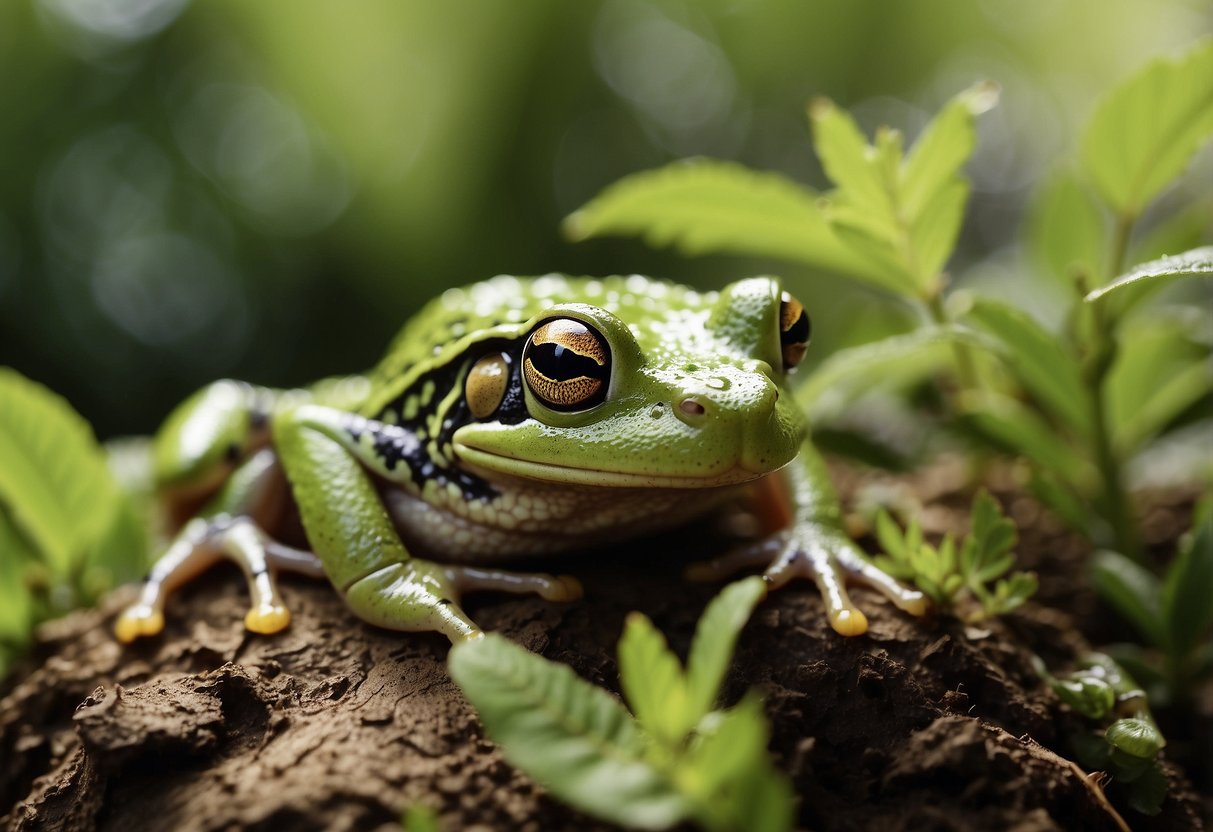
Frogs help create a balanced garden ecosystem, but they face threats from pesticides, habitat loss, climate change, and disease. Addressing these challenges can help maintain a healthy environment for frogs and plants.
Pesticides and Habitat Loss
One major challenge is the use of pesticides. These chemicals can poison frogs and the insects they eat.
To keep frogs safe, I always use organic pest control methods.
Another problem is habitat loss. Frogs need places to live, like ponds, logs, and rocks.
I create a frog-friendly garden by adding these elements, ensuring frogs have plenty of shelter and breeding spots.
Climate Change and Disease
Climate change impacts frog populations by altering their habitats and breeding seasons.
To help frogs adapt, I monitor weather changes closely and adapt my garden accordingly, adding shade or moisture when needed.
Diseases, like chytrid fungus, can also devastate frog populations.
To help scientists protect our amphibian friends, I support local conservation efforts and use the FrogID app to report and track frog sightings.
Engaging the Community
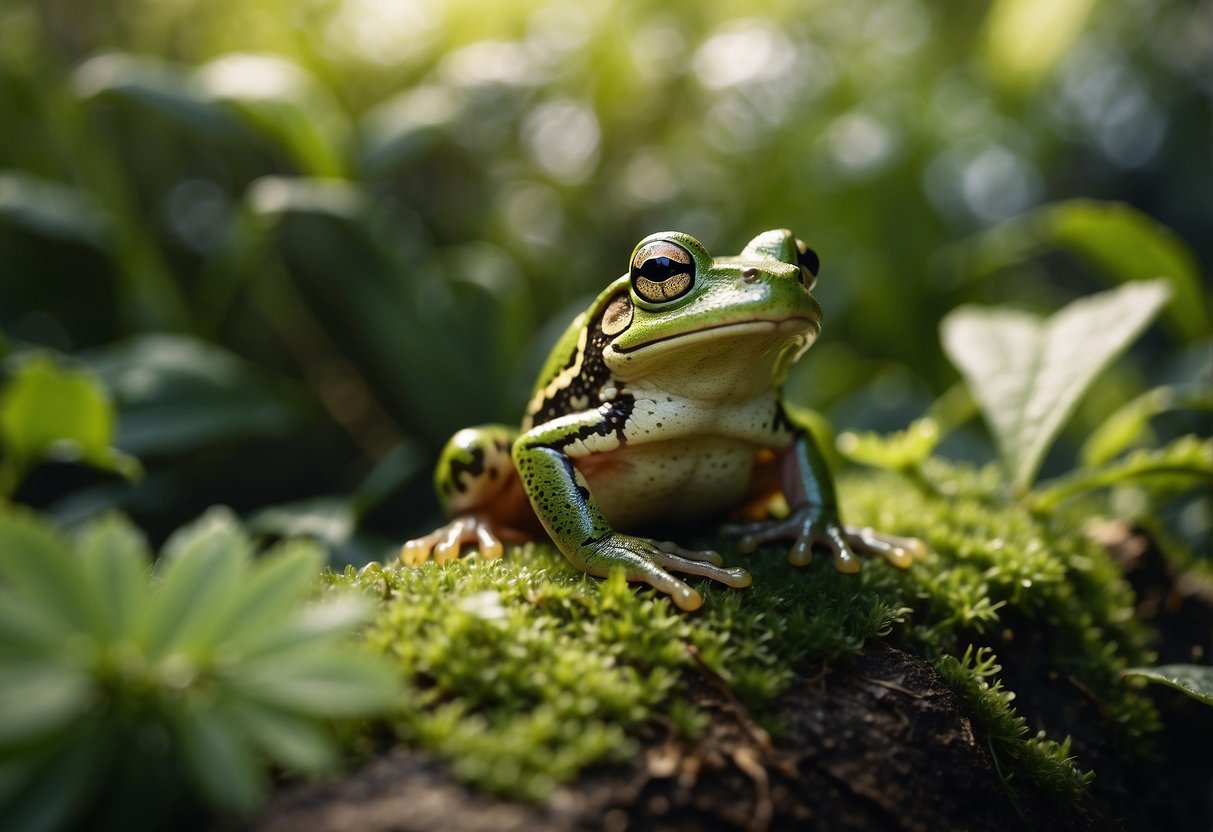
Involving the community in maintaining a healthy organic garden can provide valuable education and help gather important data for environmental conservation.
Educational Programs
I love seeing how educational programs can make a big difference in spreading the word about gardening and conservation.
Hosting workshops on the importance of frogs in our ecosystem could be a great start. In these sessions, I can teach how frogs help control pests and promote organic gardening.
Inviting local experts and biologists to speak about creating a frog-friendly garden can also be beneficial.
I find hands-on activities, like building small ponds or planting native plants, really engage everyone, especially kids. These projects show the practical side of what we’re learning.
Bringing schools into the mix adds another layer of involvement. Setting up school gardens or taking field trips can spark students’ interest in ecology.
Let’s not forget to provide resources like brochures and online guides to keep the learning going at home.
Citizen Science Projects
**help show how Frogs Help Maintain A Healthy Organic Garden Ecosystem
Citizen science projects excite me because they allow everyone to contribute to meaningful research.
One idea is to organize frog monitoring groups where volunteers can report sightings and behaviors. This helps track frog populations and their health over time.
Creating an online platform where community members can log frog data is also useful.
Sharing photos, locations, and conditions of habitats can provide vital information for scientists.
I enjoy seeing how this collaborative effort helps both our gardens and the larger ecosystem.
Collaborations with local universities or environmental organizations can provide the tools and training needed for accurate data collection.
Hosting regular meetings to review findings and share experiences keeps everyone motivated and informed.
Bringing community members together through these projects builds a sense of camaraderie and shared purpose.
Frequently Asked Questions
Frogs can play a crucial role in balancing your garden ecosystem by controlling pests and indicating a healthy environment. Here, I’ll answer some common questions about frogs in an organic garden.
How do frogs contribute to a healthy garden ecosystem?
Frogs consume a variety of insects and other invertebrates. This keeps pest populations under control.
Their presence often signals a balanced and healthy garden environment, benefiting all plants and creatures.
What are the benefits of having frogs in my garden?
Frogs help maintain the garden’s health by naturally controlling pests.
They also serve as prey for other wildlife, contributing to the food chain. Plus, having frogs is a sign of a thriving, non-polluted ecosystem.
Which plants can I grow to attract frogs to my garden habitat?
To attract frogs, grow native plants. These plants offer food and shelter.
For example, water-loving plants like water lilies or marsh marigolds create an inviting habitat for frogs.
In what ways do frogs assist with pest control in organic gardens?
Frogs eat insects such as mosquitoes, flies, and beetles. This type of pest control is natural and eco-friendly.
By reducing the need for chemical pesticides, frogs help keep your garden organic.
Can frogs have a negative impact on my garden, and how can I mitigate this?
Sometimes, frogs might overpopulate an area or cause minor damage to tender seedlings.
Providing a balanced habitat and not overpopulating your garden with artificial water sources can mitigate these issues.
What kind of shelter should I provide to support frogs in my garden?
Create shady and moist areas using rocks, logs, and dense plantings. A small pond can also offer a perfect habitat.
Ensure there are safe hiding spots to protect them from predators and harsh weather.