
Night Photography Techniques For Frogs And Toads: Capturing Amphibians After Dark
Taking photos of frogs and toads at night can be an exciting challenge for nature photographers. These amphibians are often more active after dark, providing unique opportunities to capture their behavior and beauty.
Using the right camera settings, lighting techniques, and equipment can help you get stunning images of frogs and toads in low-light conditions.
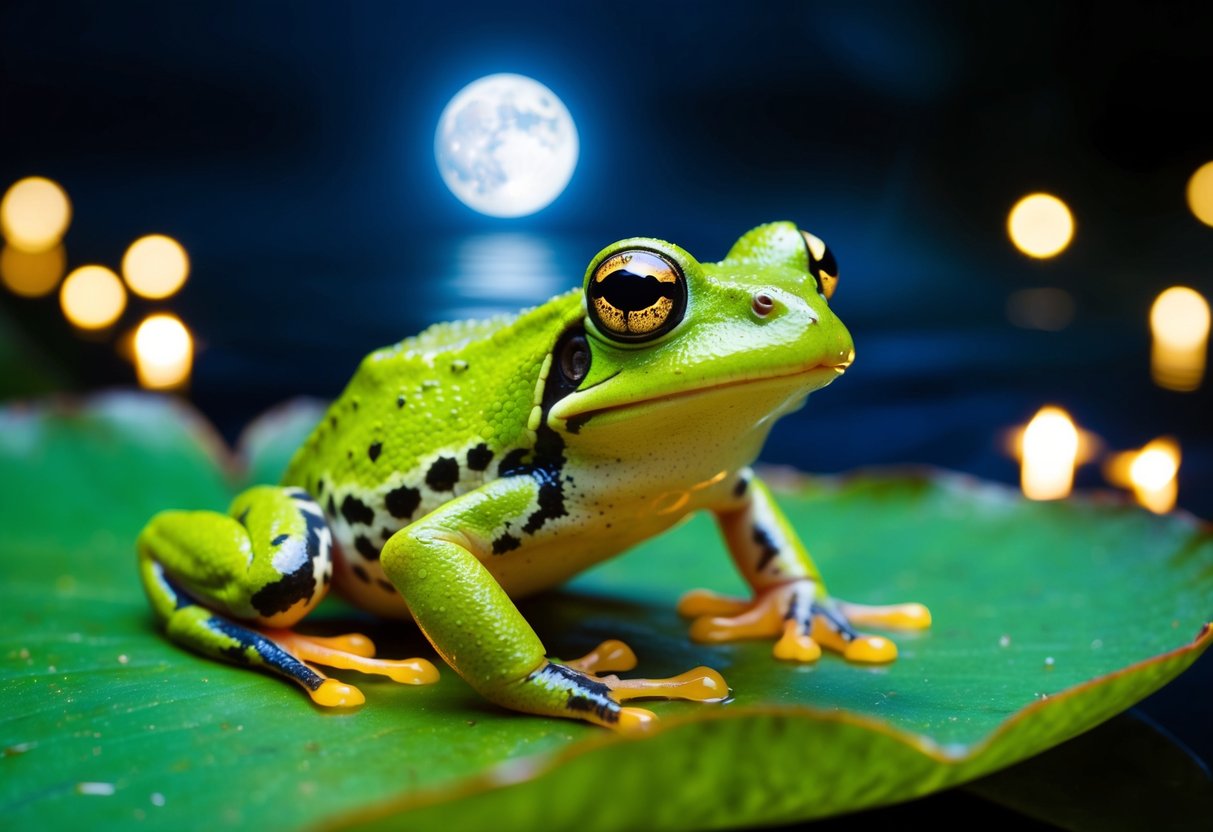
Night photography of frogs requires patience and practice. It’s important to use correct depth-of-field to ensure key features like the frog’s eyes and toes are in focus.
Slowing down your shutter speed can help capture more light, but you’ll need to be careful to avoid motion blur.
Lighting is crucial for night frog photography. Many photographers use off-camera flash or other artificial light sources to illuminate their subjects. This allows for creative control over the lighting and can help bring out the colors and textures of the frogs.
Key Takeaways
- Use wide apertures and slow shutter speeds to capture more light at night
- Focus on the frog’s eyes and key features for sharp, engaging images
- Experiment with different lighting techniques to highlight the frog’s unique characteristics
Understanding Night Photography
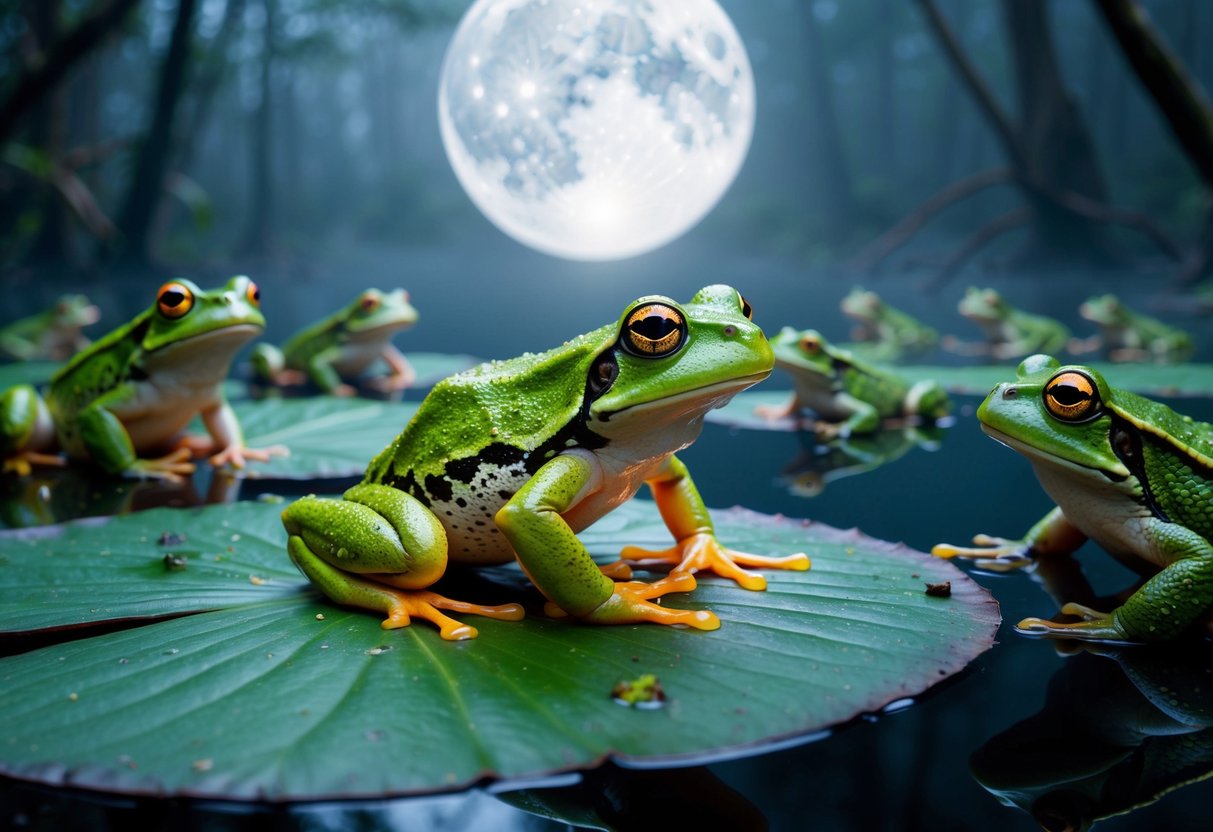
Night photography requires special techniques and equipment to capture clear images in low light. The right setup can make or break your frog and toad shots after dark.
The Basics of Low-Light Environments
Shooting at night means dealing with very little natural light. This makes it hard for cameras to focus and get enough light for a good picture.
To get around this, photographers use longer exposure times. This lets more light hit the camera sensor.
But long exposures can lead to blurry images if anything moves. For frog photos, a tripod is a must. It keeps the camera still during long exposures.
Flash can be helpful, but it needs to be used carefully. Too much flash can make frogs look unnatural. Soft, diffused light works best for amphibian portraits.
Equipment Essentials
The right gear is key for night frog photography. Here’s what you’ll need:
- A camera with good low-light performance
- A fast lens (f/2.8 or wider)
- A sturdy tripod
- A remote shutter release
- A red light headlamp
Fast lenses let in more light, which is crucial at night. The wider the aperture, the better. This lets you use faster shutter speeds to freeze motion.
A remote shutter release prevents camera shake when you press the button. This is extra important for long exposures. The red headlamp helps you see without disturbing nocturnal animals.
Preparing for the Shoot
Getting ready for night photography of frogs and toads requires careful planning. The right location, timing, and safety measures are key to a successful shoot.
Choosing the Right Location
Look for areas with known frog and toad populations. Ponds, marshes, and wetlands are good spots. Check local wildlife guides or ask nature groups for tips.
Research the habitat of the species you want to photograph. Some frogs prefer still water, while others like moving streams.
Scout locations during the day. Note safe entry points and potential hazards. Mark good spots for setting up equipment.
Weather and Timing Considerations
Plan shoots during warmer months when frogs are most active. Spring and early summer are often ideal.
Check weather forecasts. Mild, damp nights are best for frog activity. Avoid windy conditions that can disturb water surfaces.
Arrive before sunset to set up equipment. Many frogs are most vocal and active just after dark.
Consider the moon phase. A full moon can provide natural light, but may make some species less active.
Safety Precautions
Wear waterproof boots and clothing. Bring a change of dry clothes in case of accidents.
Use a red light headlamp to preserve night vision. It’s less disruptive to wildlife than white light.
Carry a fully charged phone for emergencies. Let someone know your location and expected return time.
Be aware of other nocturnal animals. Watch for snakes or other wildlife that may be active at night.
Bring insect repellent to protect against mosquitoes and other biting insects.
Camera Settings and Techniques
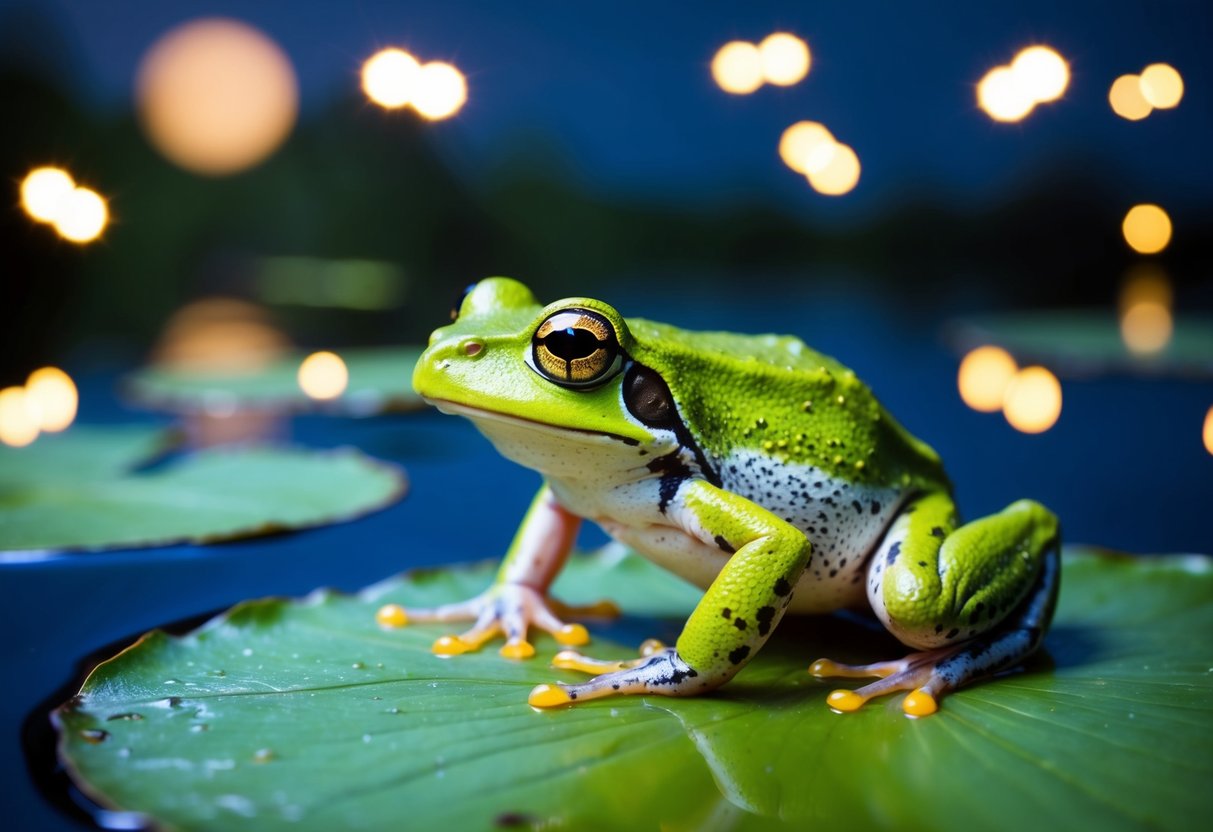
Taking great night photos of frogs and toads requires the right camera settings and techniques. Proper focus, exposure, and noise control are key to capturing these elusive amphibians in low light.
Manual Mode for Precision
Manual mode gives photographers full control over their camera settings at night. Set the aperture wide open (f/2.8 or lower) to let in more light. Use a slow shutter speed, typically 1/15 to 1/2 second, to capture enough light.
Boost the ISO to 1600-3200 or higher if needed, balancing light sensitivity with noise. A low ISO of 200-400 works well with flash.
Adjust these settings as needed based on the specific scene and lighting conditions. Take test shots and check the histogram to fine-tune exposure.
Focus Adjustments in the Dark
Focusing on small, active subjects at night is challenging. Use your camera’s live view mode to zoom in and manually focus on the frog’s eye.
If available, enable focus peaking to highlight in-focus areas.
For skittish subjects, pre-focus on a stick or leaf at the same distance as the frog. Some cameras have low-light autofocus assist beams to help lock focus.
Consider using a constant light source to help with focusing. This can also help illuminate the scene for composition.
Long Exposure Mastery
Long exposures can create stunning night frog photos. Use a tripod to keep the camera steady during exposures of several seconds or longer. Enable your camera’s self-timer or use a remote shutter release to avoid camera shake.
Try exposures of 10-30 seconds to capture ambient light and create interesting backgrounds. Use a small aperture (f/8-f/11) for greater depth of field if light allows.
Experiment with illuminating the frog with constant light during long exposures. This can create unique effects and reveal the frog’s environment.
Noise Reduction Strategies
High ISO settings often introduce digital noise in night photos. Use your camera’s built-in noise reduction feature for long exposures. This takes a second “dark frame” to map and reduce noise.
In post-processing, apply noise reduction selectively. Preserve detail in key areas like the frog’s eyes and skin texture. Slightly blur noisier background areas if needed.
Shooting in RAW format gives more flexibility for noise reduction in post-processing. It preserves more image data than JPEG, allowing for better adjustments.
Consider taking multiple exposures and stacking them in software to reduce noise while maintaining detail.
Lighting and Composition
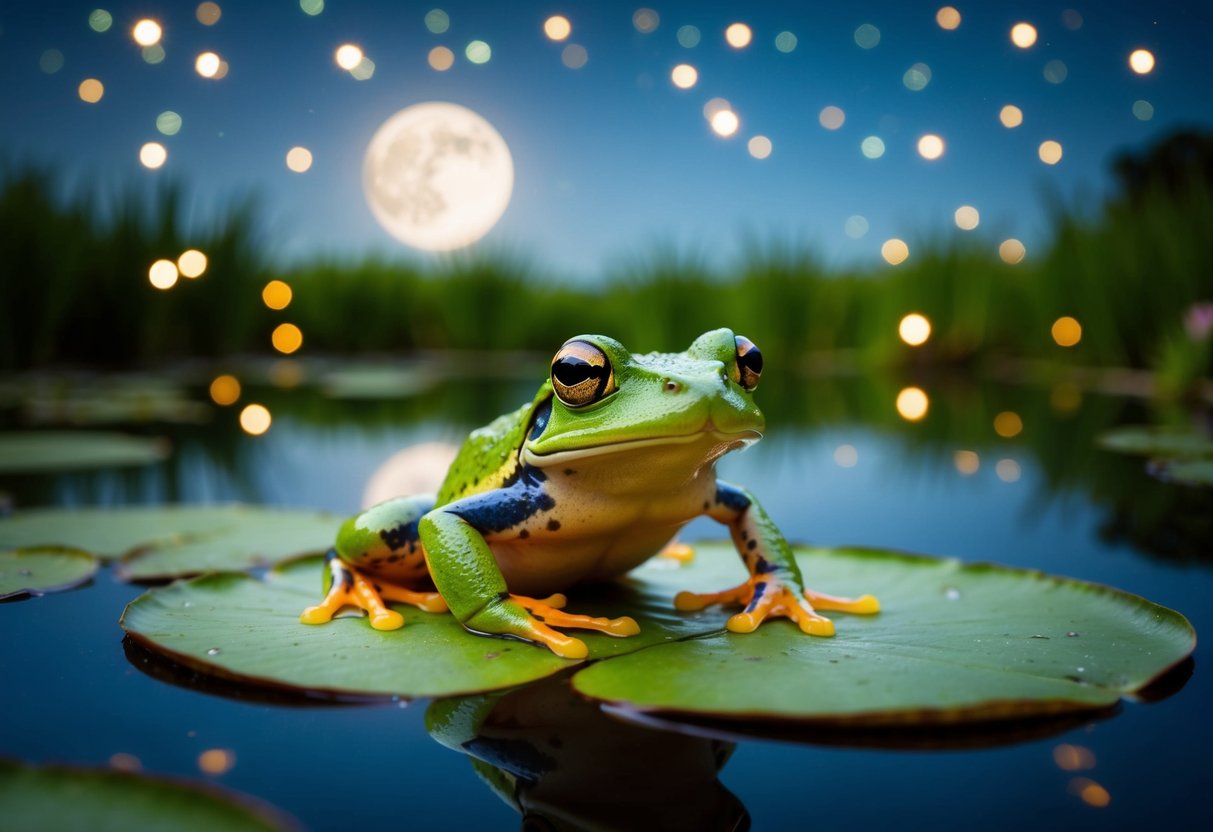
Capturing frogs and toads at night requires careful attention to lighting and composition. The right techniques can bring out the unique features and behaviors of these amphibians in low-light conditions.
Utilizing Ambient Light
Natural light sources can create moody, atmospheric shots of frogs and toads. Moonlight casts a soft glow, highlighting textures and shapes. Streetlights or distant buildings may provide subtle illumination.
For the best results, use a tripod to keep the camera steady during long exposures. This allows more light to reach the sensor without blurring.
A wide aperture lens, like f/2.8 or wider, lets in more light. This is helpful for capturing details in dark environments.
Experiment with ISO settings to balance light sensitivity and image noise. Modern cameras can often produce clean images at ISO 1600 or higher.
Creative Lighting Options
Artificial lighting opens up new possibilities for frog photography at night. Small LED panels can provide soft, even illumination without disturbing subjects.
Flash can freeze motion and bring out vivid colors. Use an off-camera flash to avoid harsh direct light. Diffusers soften the light, reducing glare on wet skin.
Try backlighting to create silhouettes or rim lighting effects. This technique highlights the frog’s outline against a dark background.
Colored gels on light sources add mood or mimic natural lighting conditions. A blue gel can suggest moonlight, while orange implies warm lamp light.
Framing Your Amphibian Subjects
Composition is key to creating impactful frog photos. Focus on the eyes to draw viewers into the image. Sharp, bright eyes convey personality and engagement.
Use the rule of thirds to place your subject off-center for a more dynamic composition. This creates visual interest and balance in the frame.
Include environmental elements to tell a story. A frog perched on a leaf or peeking out of water gives context to the scene.
Get low and close to your subject for an intimate perspective. Wide-angle lenses can create dramatic close-ups with blurred backgrounds.
Experiment with negative space. A small frog in a large, dark area can create a sense of mystery or isolation.
Post-Processing Tips
Night photos of frogs and toads often need some work after the shoot. Good editing can make colors pop and details stand out. It can also fix lighting issues common in night shots.
Editing for Clarity and Detail
Start by adjusting the exposure and contrast. This can bring out hidden details in dark areas. Use the shadows slider to lift dark parts without washing out the image.
Noise reduction is key for night shots. Apply it carefully to keep a natural look. Sharpen the image, focusing on the frog’s eyes and texture.
Try using masks to edit different parts of the image separately. This lets you brighten the frog without affecting the background.
Color Correction in Low Light
Night photos often have odd color casts. Use white balance tools to fix this. Adjust the temperature slider to remove blue or orange tints.
Boost saturation slightly to make colors more vivid. Be careful not to overdo it. Frogs and toads can have subtle colors that look best with gentle editing.
Consider using selective color adjustments. This can enhance greens in frog skin or blues in water reflections.
Cropping and Resizing for Impact
Crop the image to improve composition. Remove distracting elements and focus on the frog. Try different aspect ratios to see what works best.
When resizing, keep the original proportions. This prevents distortion. For web use, resize to about 1200 pixels on the long edge.
If printing, maintain a high resolution. At least 300 DPI is best for sharp prints. Large prints may need even higher resolution files.
Ethical Considerations
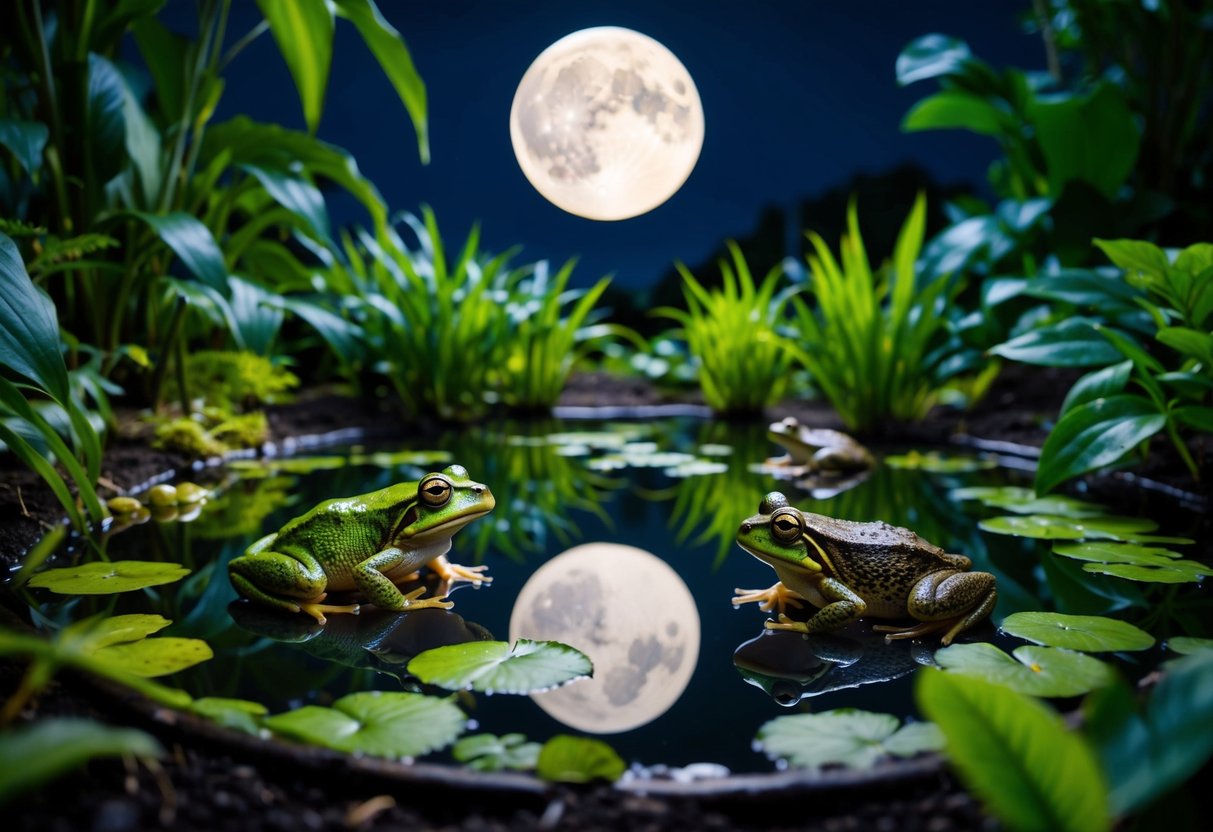
Night photography of frogs and toads requires careful planning to protect these sensitive creatures. Photographers must prioritize the well-being of wildlife and their habitats above getting the perfect shot.
Minimizing Disturbance to Wildlife
Using subtle flash techniques is key for frog photography. Too much light can stress or disorient the animals. Set flash power low and diffuse the light to create softer illumination.
Keep a safe distance from subjects. Use telephoto lenses to capture close-up shots without getting too near. Avoid handling frogs or moving them for photos.
Limit time spent photographing each individual. Extended sessions may disrupt natural behaviors or feeding patterns. Move on after a few minutes to reduce stress on the animal.
Respecting Natural Habitats
Never alter the environment to get a shot. Don’t move plants, logs, or other objects frogs use for shelter. Trampling vegetation can damage critical microhabitats.
Stay on designated paths in protected areas. Venturing off-trail risks harming hidden frog eggs or tadpoles. Be extra cautious around wetlands and ponds.
Avoid using playback sounds to attract frogs. This can unnecessarily stress animals and disrupt mating calls. Instead, quietly observe natural behaviors.
Clean and disinfect gear between locations to prevent spreading diseases that harm amphibian populations. Small precautions make a big difference in protecting these fragile ecosystems.
Sharing and Publishing Your Work
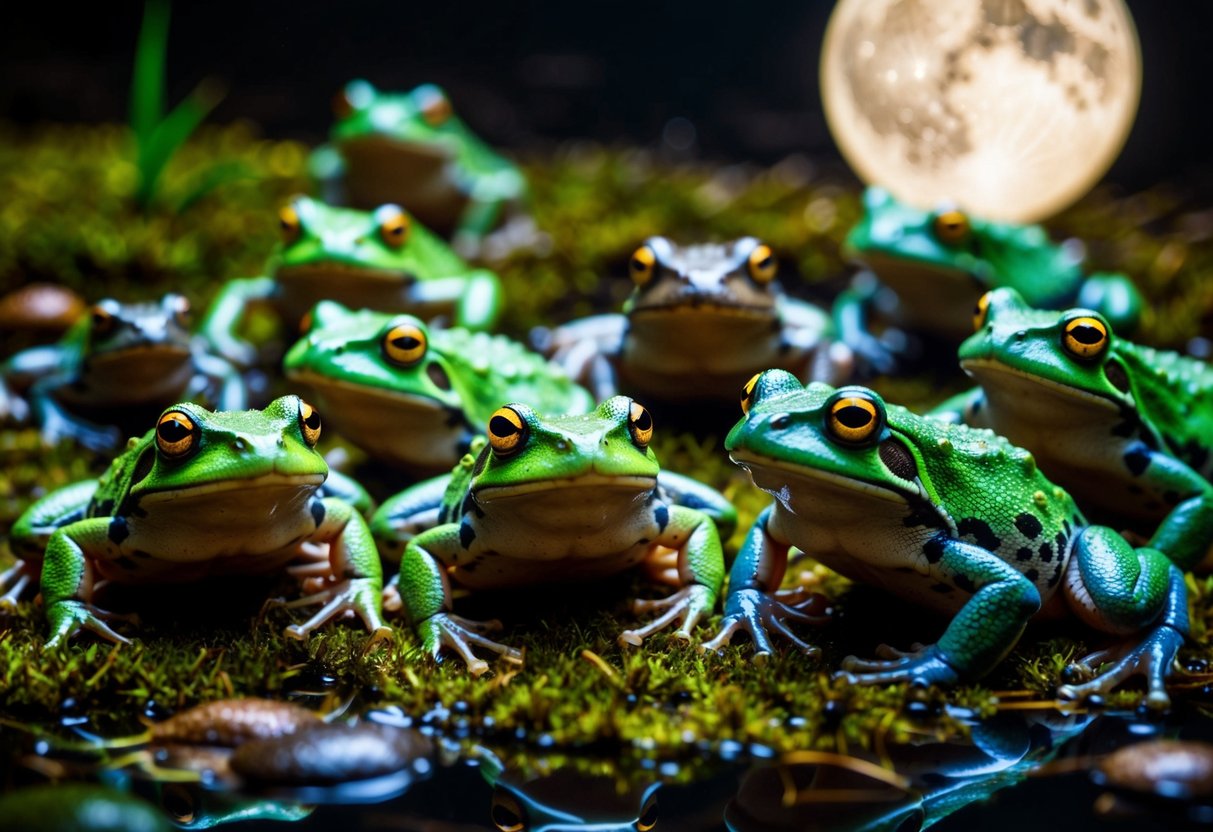
After capturing amazing frog and toad photos at night, it’s time to share them with the world. Social media platforms like Instagram and Flickr are great for showcasing your work. Use relevant hashtags to reach a wider audience interested in nature photography.
Consider submitting your best shots to wildlife photography contests. Many organizations hold annual competitions that can provide exposure and recognition for your skills.
Creating a personal website or blog allows you to display your full portfolio. It’s a professional way to present your work to potential clients or publishers.
Nature and wildlife magazines often accept photo submissions. Research publications that align with your style and follow their guidelines carefully when submitting.
Don’t forget to protect your work. Adding a watermark or copyright notice to images shared online can help prevent unauthorized use.
Printing and framing your favorite shots for local art shows or galleries is another option. This allows people to appreciate the details of your frog photography in person.
Photographing frogs at night can produce unique and captivating images. By sharing these photos, photographers help raise awareness about amphibians and their habitats.
Frequently Asked Questions
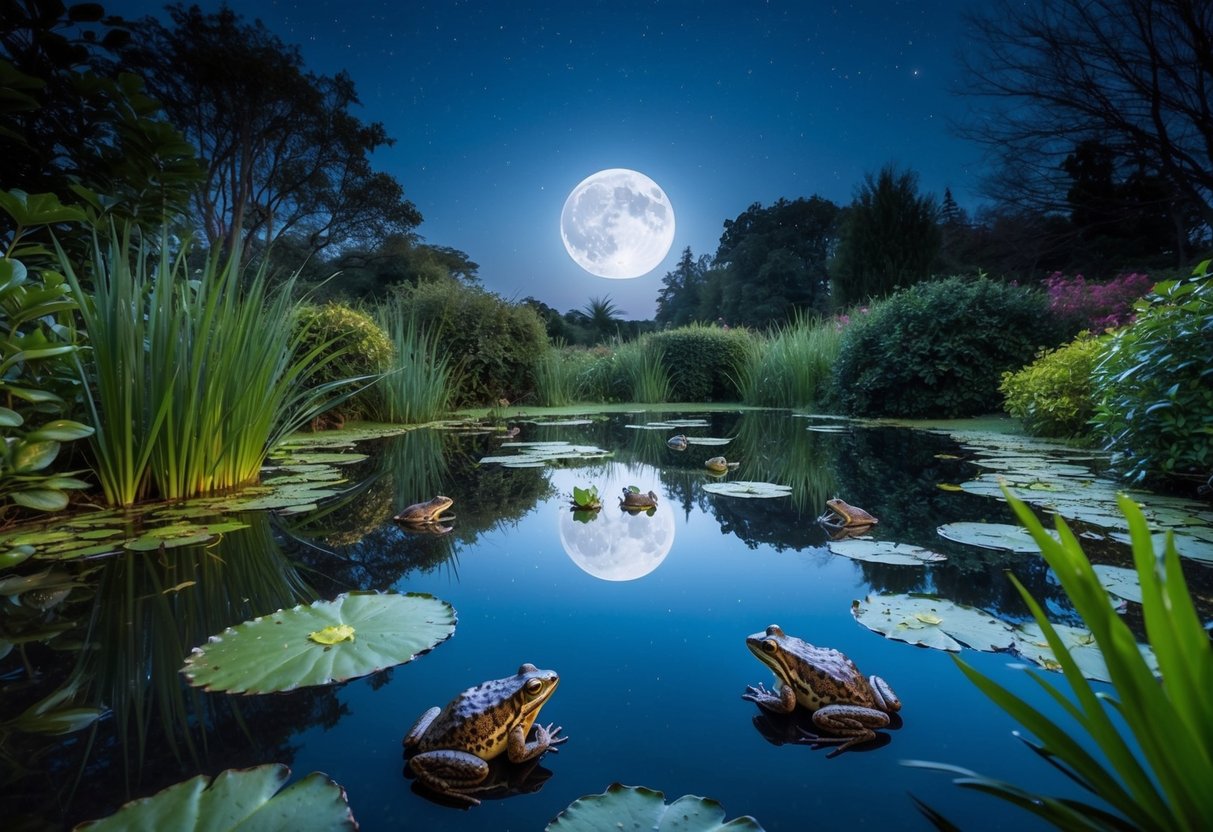
Night photography of frogs and toads requires specific techniques and equipment. Proper settings, lighting, and approach methods are crucial for capturing clear images while minimizing disturbance to these amphibians.
What are the essential tips for capturing high-quality images of frogs and toads at night?
Using a flash or external light source is key for photographing nocturnal frogs and toads. A diffuser helps soften the light and reduce harsh shadows.
Photographers should focus on the frog’s eyes to ensure sharpness. Getting low to the ground often results in more engaging compositions.
Which camera settings should be prioritized for clear and focused night photos of amphibians?
A wide aperture (low f-number) allows more light into the camera and creates a shallow depth of field. This helps isolate the subject from the background.
Fast shutter speeds freeze motion, while higher ISO settings increase light sensitivity. Balancing these settings is crucial for sharp, well-exposed images.
How can photographers safely and effectively spot and approach frogs and toads in low-light environments?
Using a headlamp with a red light setting helps locate frogs without disturbing them. Photographers should move slowly and quietly to avoid startling the amphibians.
Listening for calls can guide photographers to active areas. Checking near water sources and vegetation often yields good results.
Are there any specific lenses or equipment recommended for nighttime amphibian photography?
Macro lenses are ideal for capturing detailed close-ups of frogs and toads. A sturdy tripod helps stabilize the camera in low-light conditions.
A dedicated macro flash or ring light provides even illumination for close-up shots. Waterproof camera housings protect equipment when shooting near water.
What techniques can be used to minimize disturbance to frogs and toads while photographing them at night?
Keeping a respectful distance and using longer focal length lenses reduces stress on the animals. Limiting flash use and exposure time helps minimize disruption to their natural behavior.
Avoiding handling the amphibians and leaving the area as it was found are important conservation practices.
How important is ambient lighting in night photography of frogs and toads, and how can it be controlled?
Ambient lighting can add atmosphere to frog and toad photos. Moonlight or nearby artificial lights can create interesting effects.
Photographers can use longer exposures to capture more ambient light. Light painting techniques can selectively illuminate parts of the scene.