
The Red-Eyed Tree Frog, with its vibrant colors and iconic red eyes, is a true spectacle of nature. Found primarily in the rainforests of Central America, these amphibians are as fascinating as they are beautiful. They’re like the daredevils of the frog world, hanging out in the canopies and showing off their striking looks.
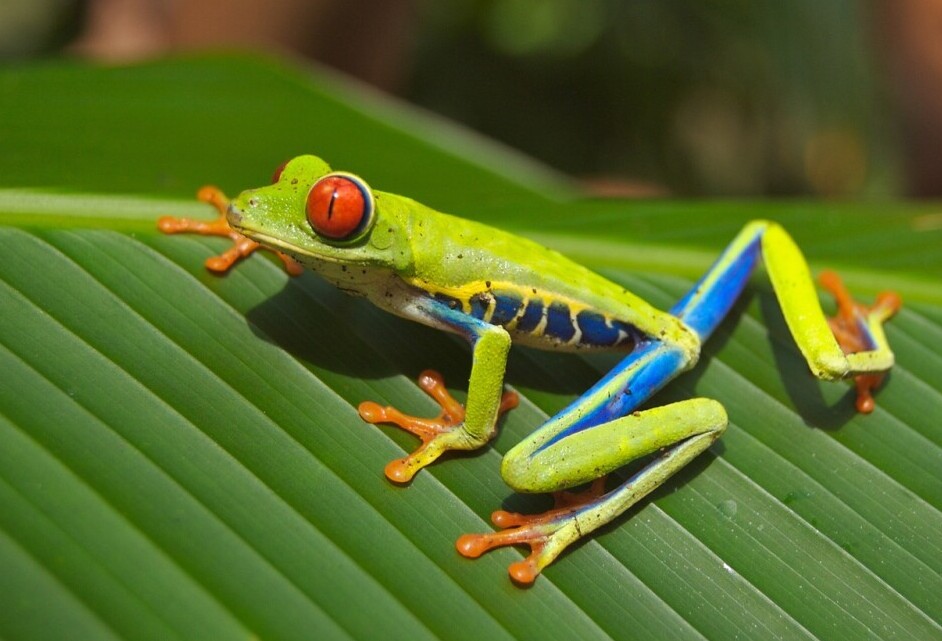
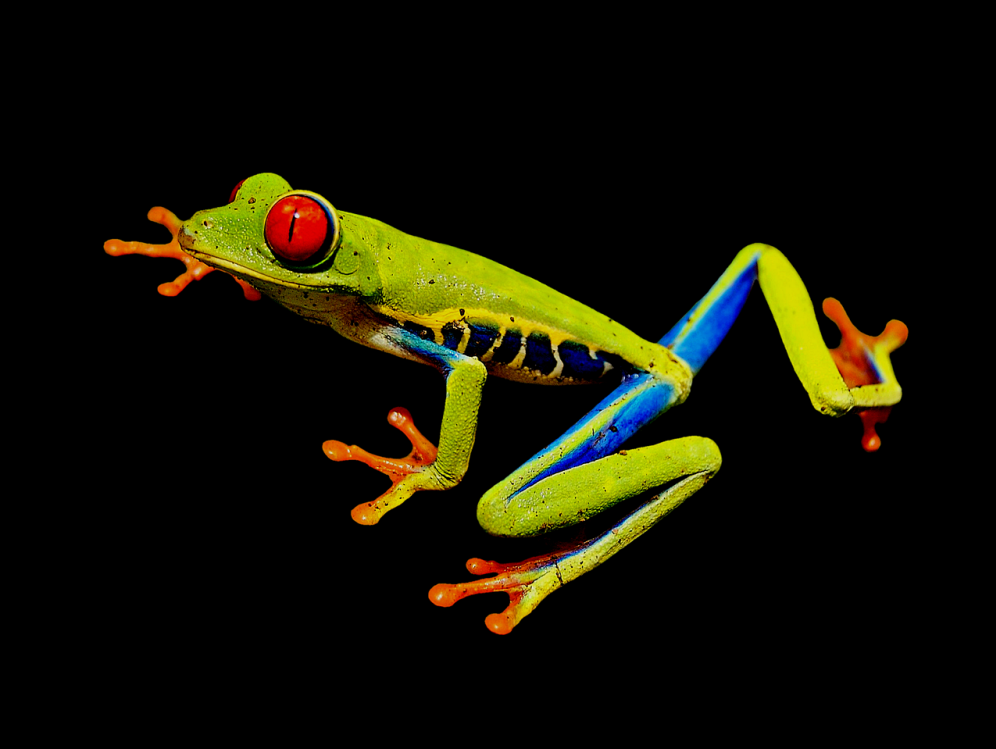
One of the first things you’ll notice about these frogs is their eye-catching (pun intended) color palette. Those bright red eyes aren’t just for show either. They serve a very practical purpose; when threatened, the frog opens its eyes wide, startling predators and giving it a moment to leap to safety. Their green bodies, with blue and yellow streaks along their sides and bright orange toes, make them look like tiny, living rainbows.
Red-Eyed Tree Frogs primarily dwell in lowland rainforests. They love the humid, wet environments of places like Costa Rica, Panama, and southern Mexico. These habitats provide plenty of places to hide during the day and ample resources for their nocturnal lifestyle.
So, what makes these frogs so special? Beyond their looks, it’s their adaptability and survival tactics. They use their colorful appearance for both camouflage and defense, showcasing nature’s clever design. Plus, their sticky toes enable them to climb trees with ease, navigating the forest like little acrobats.
Understanding the Red-Eyed Tree Frog involves diving (not literally, of course) into their unique world. From their stunning appearance to their clever survival strategies, these frogs are an excellent example of the incredible diversity in our planet’s wildlife.
Behavior and Adaptations
The Red-Eyed Tree Frog embraces the nightlife with its nocturnal habits. As dusk falls, they spring into action, hopping across the forest in search of food. Their nighttime escapades help them avoid many of their predators that are active during the day.
One of the coolest tricks up their froggy sleeves is their ability to camouflage. During the day, they tuck their colorful legs under their bodies and close their eyes, blending seamlessly with the leaves. At night, their bright colors come in handy, confusing predators with the sudden flash of those red eyes and vibrant sides.
Their diet is pretty straightforward but fascinating. These little guys are insectivores, munching on crickets, flies, and moths. They’re quick and agile hunters, using their sticky tongues to snatch prey. You’ll often see them patiently waiting before lunging at their next meal with a swift, precise movement.
When it comes to the love life of these amphibians, things get even more interesting. Red-Eyed Tree Frogs have a unique approach to reproduction. During the rainy season, males start calling out from vegetation near water sources, making a distinctive croaking sound. Females lay their eggs on leaves overhanging water, and when the tadpoles hatch, they drop into the water below. This clever method helps protect the eggs from aquatic predators.
Their survival techniques showcase the incredible adaptability and resourcefulness of the Red-Eyed Tree Frog. These behaviors and adaptations not only ensure their survival but also highlight the intricate and fascinating ways in which they interact with their environment.
The Role in Ecosystem and Conservation Status
Red-Eyed Tree Frogs play a crucial role in their ecosystem. Being both predator and prey, they help maintain the balance of insect populations while providing sustenance for other animals. Their presence is a good indicator of a healthy environment, as they thrive in pristine habitats. When you spot them, it’s a sure sign that the ecosystem is in great shape.
However, these frogs face several threats. Deforestation is a major issue, stripping away their natural habitats. Pollution and climate change also take a toll on their populations, affecting their breeding grounds and food sources. The introduction of invasive species further complicates their survival, as these newcomers often outcompete or prey on native species.
Various conservation efforts are in place to protect these vibrant frogs. Organizations and local governments are working to safeguard their habitats through initiatives like reforestation and creating protected areas. Education and awareness campaigns play a significant role, teaching communities about the importance of preserving these frogs and their environments.
There have been some notable successes. Conservation programs in Costa Rica, for example, have seen positive outcomes with increased red-eyed tree frog populations in protected reserves. Nevertheless, the battle is ongoing. Continued support and innovative approaches are essential to tackle the challenges these frogs face in the wild.
To keep the momentum going, it’s vital to be both proactive and supportive of conservation efforts. Understanding the significance of these frogs in the ecosystem can inspire more people to get involved and take action. Every small step, from supporting conservation groups to advocating for sustainable practices, contributes to a healthier and more vibrant natural world.
Cultural Significance and Human Interaction
The Red-Eyed Tree Frog isn’t just a rainforest resident; it has hopped its way into our hearts and culture. These amphibians often find themselves showcased in media—be it nature documentaries, educational programs, or even animated movies. Their unmistakable appearance makes them a go-to symbol for vibrant and diverse wildlife.
These frogs also carry symbolic weight in local folklore. In various indigenous cultures of Central America, they are seen as symbols of good luck or indicators of seasonal changes. Their presence or specific calls can signify upcoming rains, making them important figures in agricultural communities.
Interaction between humans and Red-Eyed Tree Frogs isn’t just limited to folklore and media. Ecotourism has opened up new avenues for people to encounter these fascinating creatures in their natural habitat. Guided night tours often highlight these frogs as star attractions, and spotting one is always a thrilling experience for visitors. However, it’s important that such interactions are respectful of the frogs and their environment to avoid causing them stress or harm.
On the flip side, capturing these frogs for the pet trade or harming them for economic gains poses serious threats. It’s crucial to educate potential pet owners and tourists on the ethical considerations when dealing with wildlife. Advocating for awareness can help reduce the demand for illegal trade and protect these amphibians.
These cultural and human interactions offer a unique window into why the Red-Eyed Tree Frog captivates us so much. Understanding its role in human life can enhance our appreciation and drive more meaningful conservation efforts.
How to Support Red-Eyed Tree Frog Conservation
There are plenty of ways to get behind the conservation of Red-Eyed Tree Frogs. One of the best ways is supporting organizations dedicated to preserving their habitats. There are numerous reputable groups working tirelessly in Central America to ensure these frogs have a place to call home. Donations, volunteer work, and participating in their programs can make a significant impact.
Ethical ecotourism is another avenue for support. When planning a trip to areas where these frogs are found, choose tour operators who focus on sustainability and respect for wildlife. Responsible travel not only gives you a chance to see these frogs up close but also contributes to the local economy and conservation efforts.
Education plays a crucial role in conservation. Spreading awareness about the Red-Eyed Tree Frog’s plight and their importance in the ecosystem can inspire action. Schools, local communities, and online platforms are excellent venues to share information about these captivating creatures. Educational programs often feature activities and materials that engage people of all ages, fostering a love and respect for nature.
Individual actions can also contribute to conservation efforts. Simple choices like reducing plastic consumption, using environmentally friendly products, and supporting sustainable practices help protect the broader environment, which in turn benefits all wildlife, including these frogs.
Incorporating these steps into your daily life and travels can make a significant difference. Every little bit helps in creating a safer, more stable world for the Red-Eyed Tree Frog and countless other species. After all, our efforts in preserving these small, vibrant creatures reflect a larger commitment to protecting the incredible diversity of life on Earth.