Poison dart frogs stand out with their vibrant colors and intriguing features. Originating from the rainforests of Central and South America, these little critters pack a visual punch while playing a unique role in their ecosystems.
Among the fascinating details about poison dart frogs is their habitat. These frogs thrive in the humid environments of rainforests where they can find the moisture they need to survive. They usually stick to places where the humidity is high, and water sources are plentiful. This makes sense given how important water is to their skin and overall health.
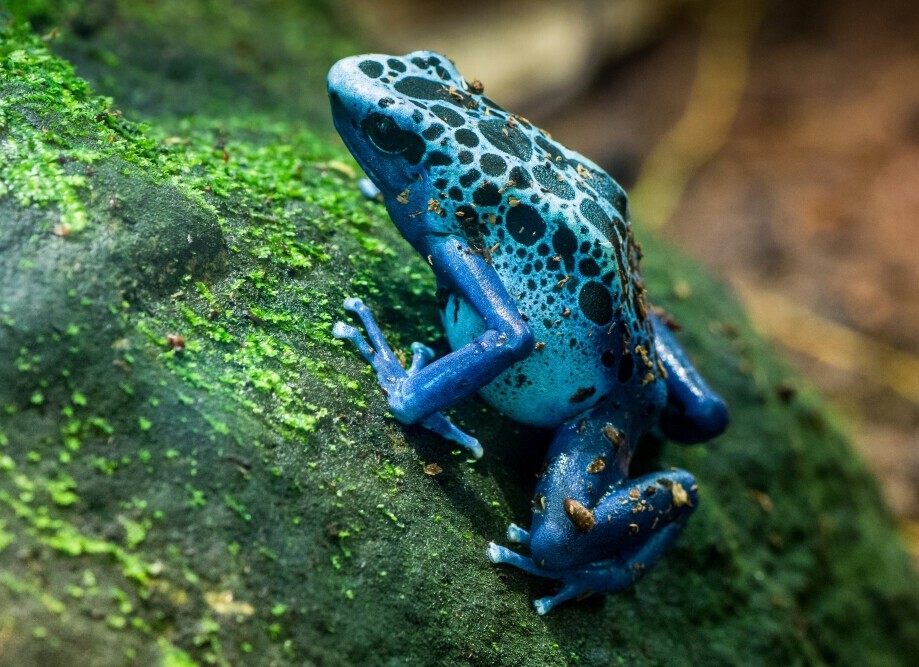
Speaking of species, there’s quite a variety out there. From the dazzling blue poison dart frog to the striking yellow-banded one, each species boasts its own unique pattern and coloration. These colors aren’t just for show – they serve as a warning to potential predators that these frogs are toxic.
Here’s the kicker: not all poison dart frogs are packing the same level of toxicity. The toxicity levels vary greatly among the species, with some being dangerous in the wild due to their diet. In captivity, though, most are harmless because their diet changes.
It’s fascinating how these little creatures have adapted to avoid predation while contributing to the biodiversity of their habitats. Their presence indicates a healthy, functioning ecosystem. Whether you’re a seasoned herpetologist or a newbie considering these frogs as pets, understanding their origins and natural habits is key to appreciating their place in the animal kingdom.
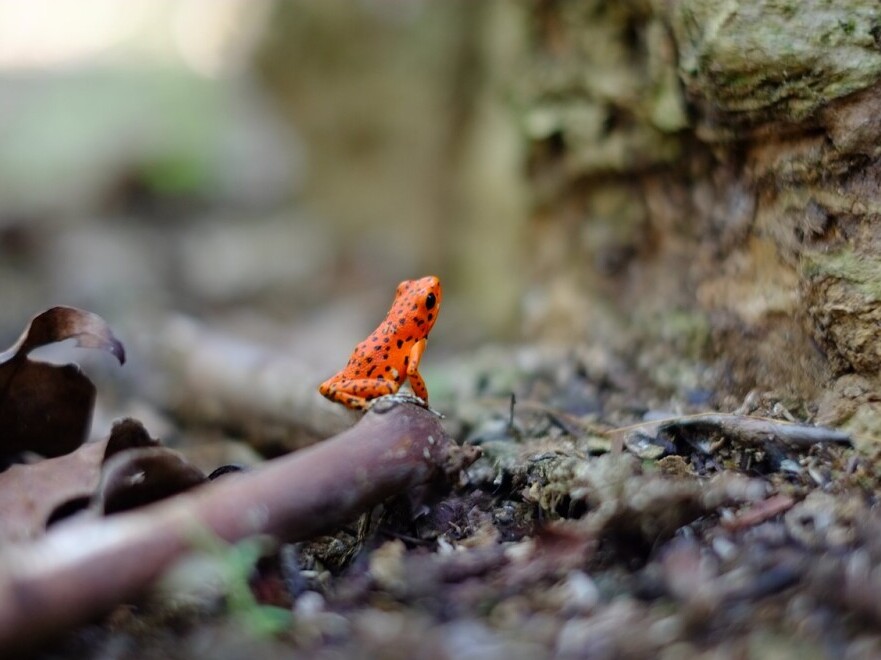
Understanding Poison Dart Frog Behavior
The day-to-day life of a poison dart frog is pretty fascinating. These amphibians are diurnal, which means they are active during the day. They spend their time foraging for food, socializing with other frogs, and exploring their living spaces. It’s not uncommon to find them hopping around, checking out their environment, and staying busy.
One of the coolest things about poison dart frogs is how they interact with their surroundings. These frogs are highly territorial and make use of vocalizations to establish their presence. Different species have unique calls, which can range from trills to peeps. This communication method helps them find mates and ward off intruders. Pretty smart for such little guys!
In addition to sound, poison dart frogs also use visual signals. Males often display their bright colors and perform specific movements to attract females and deter rival males. You might see them extending their legs or even wrestling with another frog for territory. Observing these behaviors can be quite entertaining and insightful for any frog enthusiast.
Understanding these behaviors isn’t just interesting; it’s information that can help you provide better care. For instance, knowing that they’re territorial can guide you in how many frogs to keep together and what kind of space they need. Recognizing their activity patterns can inform you about the best times to feed them and interact with them.
Getting to know their behavior also means recognizing signs of stress or discomfort. If a usually active frog becomes lethargic or starts hiding excessively, it might be a signal that something’s off in their environment. Early intervention can make all the difference in keeping your frogs healthy and happy.
Essential Care Tips for Poison Dart Frogs
Setting up a home for your poison dart frogs involves a bit of planning, but it’s well worth the effort. These frogs are happiest in a humid, well-planted terrarium. Aim for a tank that maintains high humidity, around 70-100%, which you can achieve with regular misting and live plants like bromeliads, ferns, and mosses.
Temperature control is another crucial aspect. Since these frogs are native to tropical climates, they thrive in temperatures between 72-80°F. A good quality thermometer and hygrometer will help you keep tabs on your tank’s conditions. A heat lamp or a low-wattage heating pad can be useful, especially if you live in a cooler area.
Feeding your poison dart frogs is pretty straightforward, but there are some important points to remember. These critters primarily eat small live insects like fruit flies, tiny crickets, and springtails. Make sure the prey is appropriately sized – too big, and your frogs could choke or simply ignore it. Also, it’s wise to dust the insects with a calcium and vitamin supplement to ensure your frogs get all the nutrients they need.
Monitoring their health is a key part of care. You’ll want to watch for changes in behavior or appearance. Are they eating well? Are they active and alert? Any signs of lethargy, weight loss, or skin issues could indicate a problem. A tiny frog that isn’t acting like its usual self may need a visit to a vet who specializes in exotic animals.
Maintaining cleanliness in the terrarium is essential, too. Regularly clean the tank and replace substrate to prevent mold and bacterial build-up. A clean tank means a healthy frog, so don’t skimp on this step. Keeping an eye on water quality, too, ensures your frogs don’t get exposed to harmful contaminants.
Safety Precautions and Handling Tips
Handling poison dart frogs requires caution, and it’s best to minimize direct contact. While they may not be toxic in captivity, their skin is still sensitive. Handling them with bare hands can cause stress and potential health issues for the frogs. Using gloves is a safer option. Nitrile gloves are often recommended because they don’t have the powder or toxins that might harm your frogs.
Another key point is to avoid using any lotions, perfumes, or substances on your hands before handling the frogs, even with gloves on. These substances can be harmful. Always wash your hands thoroughly before and after handling any terrarium equipment, plants, or substrate.
Preventing toxicity risks in a home setting involves maintaining a clean environment and offering a proper diet. Contaminated water, unclean tanks, or inappropriate food sources can all pose risks. Regular tank maintenance is crucial. This includes cleaning water dishes, removing uneaten food, and checking for mold or other hazards.
It’s also vital to source your poison dart frogs responsibly. Ensure you’re purchasing from reputable breeders who adhere to legal requirements and ethical standards. Wild-caught frogs can introduce diseases and parasites that threaten both captive and wild populations.
Legal considerations are important. Depending on your location, there might be specific laws or regulations regarding the ownership and sale of poison dart frogs. Being informed about these can save you from potential legal troubles and ensure you’re contributing to the species’ well-being.
Conservation Efforts and Ethical Considerations
The conservation status of poison dart frogs varies among species, with some facing significant threats in the wild. Habitat destruction, climate change, and the illegal pet trade all contribute to declining populations. Understanding these issues helps highlight the importance of responsible pet ownership.
Captive breeding programs play a crucial role in conservation. By breeding these frogs in captivity, enthusiasts and conservationists help reduce the pressure on wild populations. Many reputable breeders participate in these programs, ensuring the genetic diversity and health of the species. Supporting such initiatives by purchasing captive-bred frogs rather than wild-caught ones is a responsible choice.
Ethical considerations are central to keeping exotic pets like poison dart frogs. It’s important to research and understand the needs of the species before bringing them home. This means being prepared to invest in the right equipment, habitat setup, and care routines. Ensuring that your frogs are sourced ethically and legally contributes to the overall well-being of the species.
Education and awareness are powerful tools in conservation. Sharing knowledge about the challenges faced by poison dart frogs and the importance of ethical pet ownership can inspire others to act responsibly. Whether you’re a long-time frog enthusiast or just starting out, spreading awareness can make a big difference.
Conserving poison dart frogs is about more than just keeping them as pets; it’s about preserving their natural habitats and supporting efforts to protect their populations. Staying informed and involved in conservation initiatives, donating to reliable conservation organizations, and advocating for habitat protection are ways to contribute to the survival of these fascinating frogs.