What Should I Do If I Find Frog or Toad Eggs in My Garden?
A Guide to Safe Handling and Conservation
Finding frog or toad eggs in your garden can be exciting. These small jelly-like clusters or long strands are a sign of thriving biodiversity.
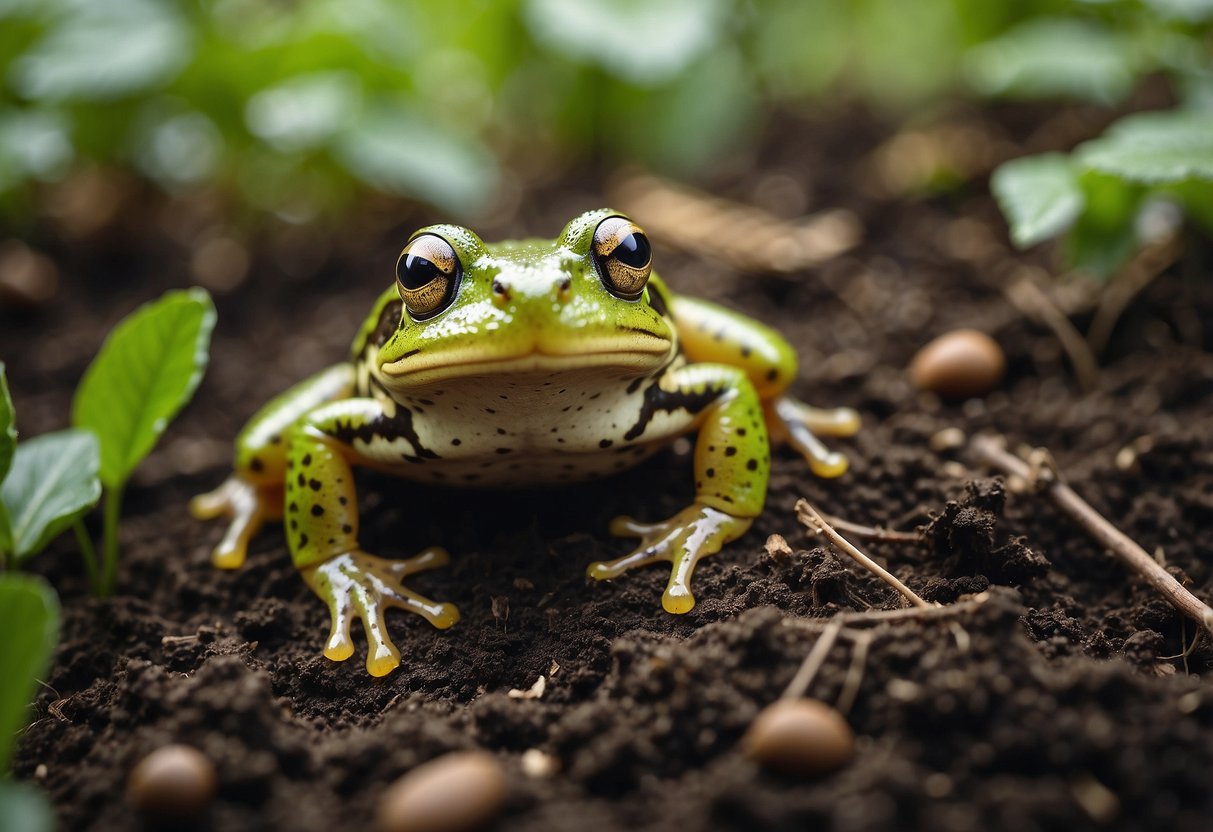
The best thing to do when you find frog or toad eggs in your garden is to leave them alone. Frogs and toads lay their eggs in water, so if you’ve found them, you likely have a pond or water feature. If the eggs are in a temporary puddle, you can gently move them to a more stable water source nearby.
I’ve seen many gardeners wonder what to do when they spot them.
I always recommend creating a wildlife-friendly garden to support these helpful amphibians. Adding a small pond or even a ground-level birdbath can provide a perfect breeding spot for frogs and toads. They eat pests and add charm to any garden.
Key Takeaways
- Leave frog and toad eggs undisturbed in their natural water habitat
- Create a wildlife-friendly garden with a water feature to support amphibians
- Enjoy the benefits of having these helpful creatures in your garden ecosystem
Understanding Frog and Toad Reproduction
Frogs and toads have unique reproductive cycles that are crucial to their survival. Their eggs play a vital role in ecosystems and are often found in gardens with water features.
Life Cycle of Amphibians
Frogs and toads reproduce through external fertilization. The male grasps the female in a position called amplexus during mating. The female then lays her eggs, which the male fertilizes.
These eggs hatch into tadpoles. Tadpoles look very different from adult frogs and toads. They have tails and gills for breathing underwater.
Over time, tadpoles go through a process called metamorphosis. They grow legs, develop lungs, and lose their tails. This transforms them into adult frogs or toads.
The number of eggs laid varies by species. Some frogs can lay up to 30,000 eggs at once! This high number helps ensure that some offspring survive to adulthood.
Importance of Eggs in the Ecosystem
Frog and toad eggs are a crucial food source for many animals. Fish, birds, and insects often eat these eggs. This makes them an important part of the food chain.
The eggs also help scientists track the health of ecosystems. Changes in egg numbers or quality can signal environmental problems.
When the eggs hatch, the tadpoles help control algae in ponds and streams. They eat algae as they grow, which helps keep water bodies clean.
Adult frogs and toads that develop from these eggs eat insects. This helps control pest populations in gardens and farms. It’s a natural way to keep ecosystems in balance.
Identification of Amphibian Eggs
Amphibian eggs come in different shapes and sizes. Knowing what to look for can help you figure out if you’ve found frog or toad eggs in your garden.
Distinguishing Frog Eggs from Toad Eggs
Frog eggs and toad eggs have some key differences. Frog eggs are usually in round or oval clusters. They look like small, clear jelly balls with dark spots inside. These spots are the developing tadpoles.
Toad eggs are different. They form long strings instead of clusters. These strings can be several feet long. Toad eggs are also smaller than frog eggs.
The place where you find the eggs can also give you clues. Frogs often lay eggs in still water like ponds. Toads prefer shallow, calm water such as puddles or the edges of ponds.
Notable Characteristics of Common Species
Different frog and toad species have unique egg traits. Wood frogs, for example, lay large egg masses. These masses can have 500 to 2000 eggs. You’ll often find them in forest ponds or vernal pools.
American toads lay long strings of eggs. A single string can have thousands of eggs. These strings often wrap around plants in the water.
Some frogs, like Spring Peepers, lay fewer eggs. They typically produce 900 to 1000 eggs once a year. The eggs are usually in small clusters attached to plants.
Remember, egg size and number can vary a lot between species. If you’re unsure, it’s best to leave the eggs alone and let nature take its course.
Legal and Ethical Considerations
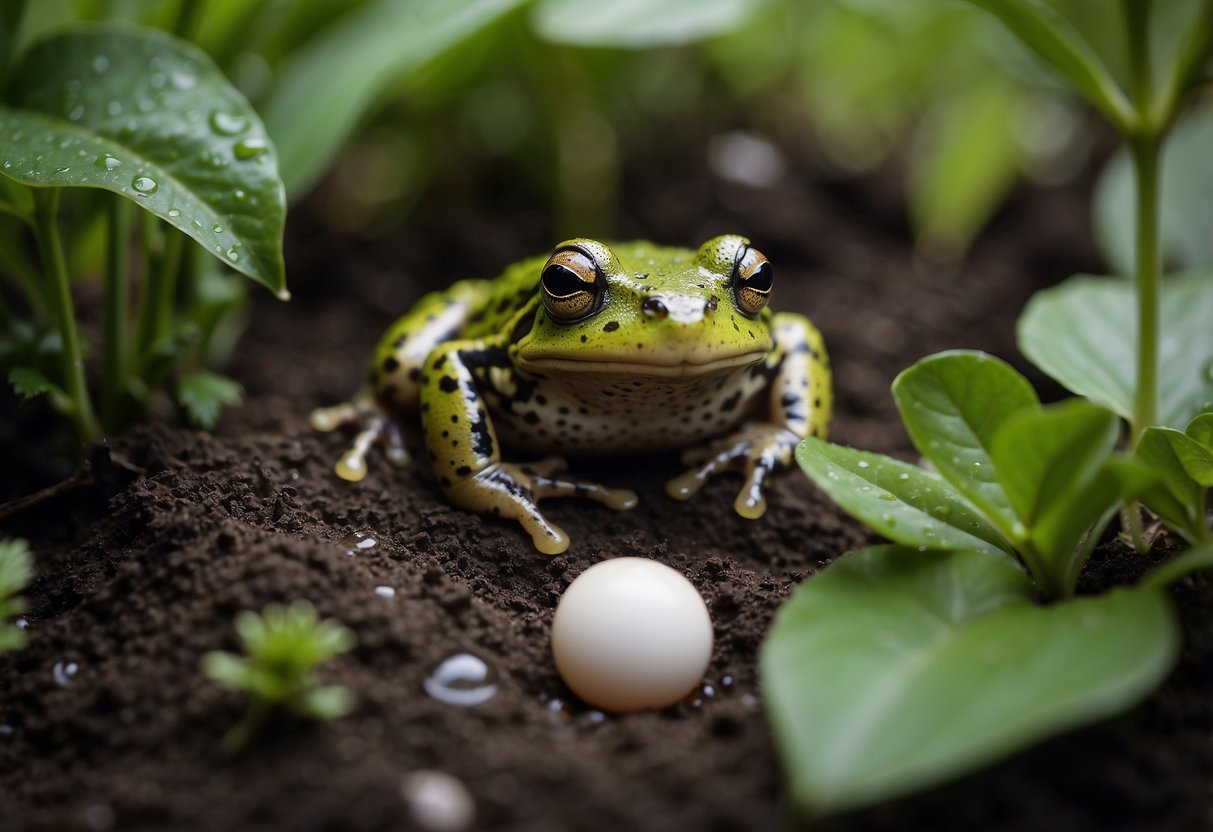
Finding frog or toad eggs in your garden brings up some important legal and ethical issues. I’ll cover the key regulations to follow and how to interact responsibly with these amphibians and their habitats.
Protected Species and Regulations
Many frog and toad species are protected by law. In the UK, it’s illegal to move or disturb certain amphibians without a license. I need to check local regulations before taking any action with frog or toad eggs.
Some areas have strict rules about interfering with wildlife habitats. Even if the species isn’t protected, I should be cautious about moving eggs or altering their environment.
If I’m unsure about the species or local laws, I can contact a wildlife expert or conservation group for guidance. They can help identify the eggs and advise on proper handling.
Responsible Interaction with Wildlife
When I find frog or toad eggs, my first instinct should be to leave them alone. These animals play important roles in the ecosystem.
I can create a frog-friendly garden by:
- Adding a small wildlife pond
- Creating log piles or compost heaps for shelter
- Avoiding pesticides
If eggs are in a dangerous spot, I should consult an expert before moving them. Improper handling can harm the eggs or introduce diseases.
I must never release non-native species into the wild. This can disrupt local ecosystems and spread diseases to native populations.
Appropriate Responses to Finding Eggs
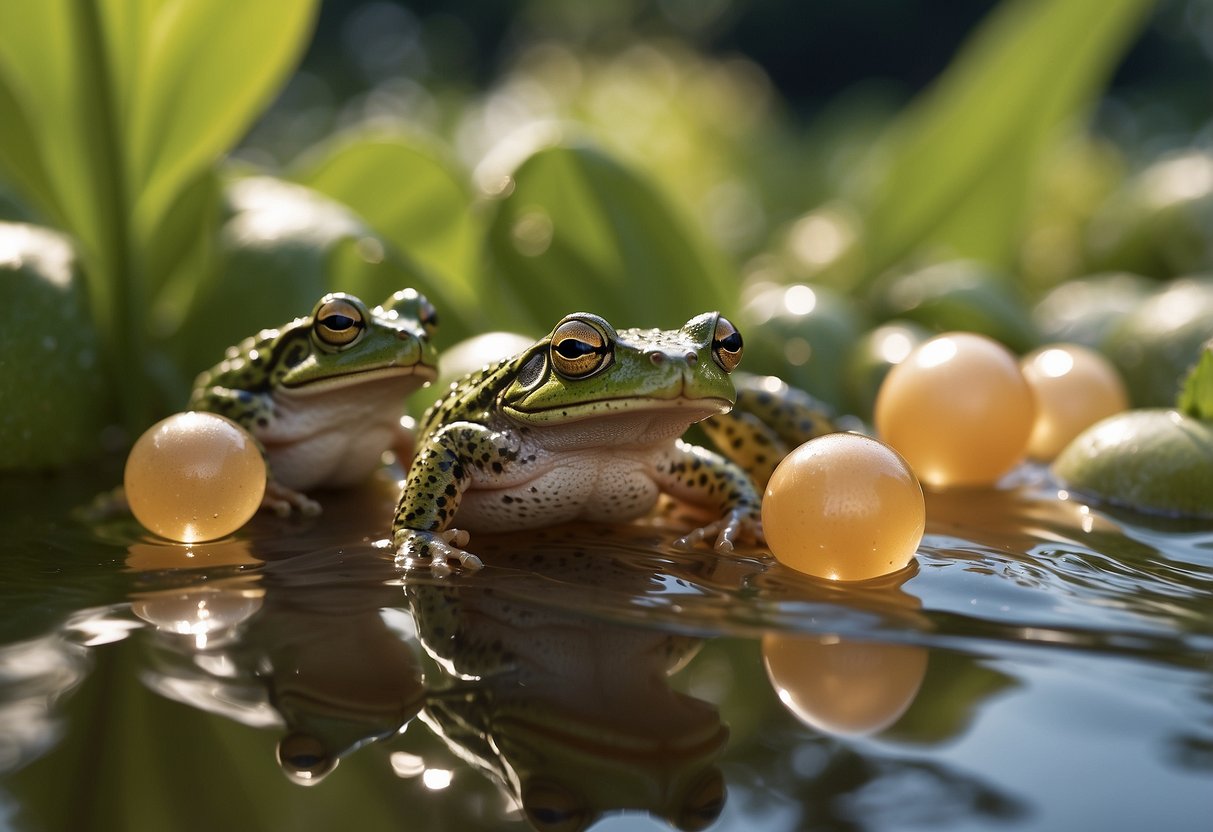
Finding frog or toad eggs in your garden can be exciting. I’ll explain when it’s best to leave them alone and when you might need to step in to help.
When to Leave the Eggs Undisturbed
Most of the time, it’s best to let nature take its course. Frog and toad eggs are adapted to survive in their natural environment. If you find eggs in a pond or wetland area, leave them be.
These eggs need specific conditions to thrive. Moving them could harm their development. Even if the water level seems low, frogs know best where to lay their eggs.
Natural predators may eat some eggs. This is normal and helps keep the ecosystem in balance. Resist the urge to “rescue” eggs from predators.
If the eggs are in a temporary puddle, don’t worry. Many frogs lay eggs in these spots on purpose. The tadpoles will develop quickly before the water dries up.
Situations Requiring Human Intervention
Sometimes, frog or toad eggs might need your help. If you find eggs in an unsafe place, like a chlorinated pool or a puddle that’s about to be filled in, you can step in.
In these cases, I recommend gently moving the eggs to a nearby natural water source. Use a clean container and pond water to transfer them. Be very careful not to break the egg mass.
If there’s no suitable habitat nearby, you might create a small pond. Make sure it has plants and shallow areas for the tadpoles.
In extreme weather, like a long dry spell, you can add water to the pond to keep the eggs submerged. Use rainwater or dechlorinated water if possible.
Creating a Supportive Habitat
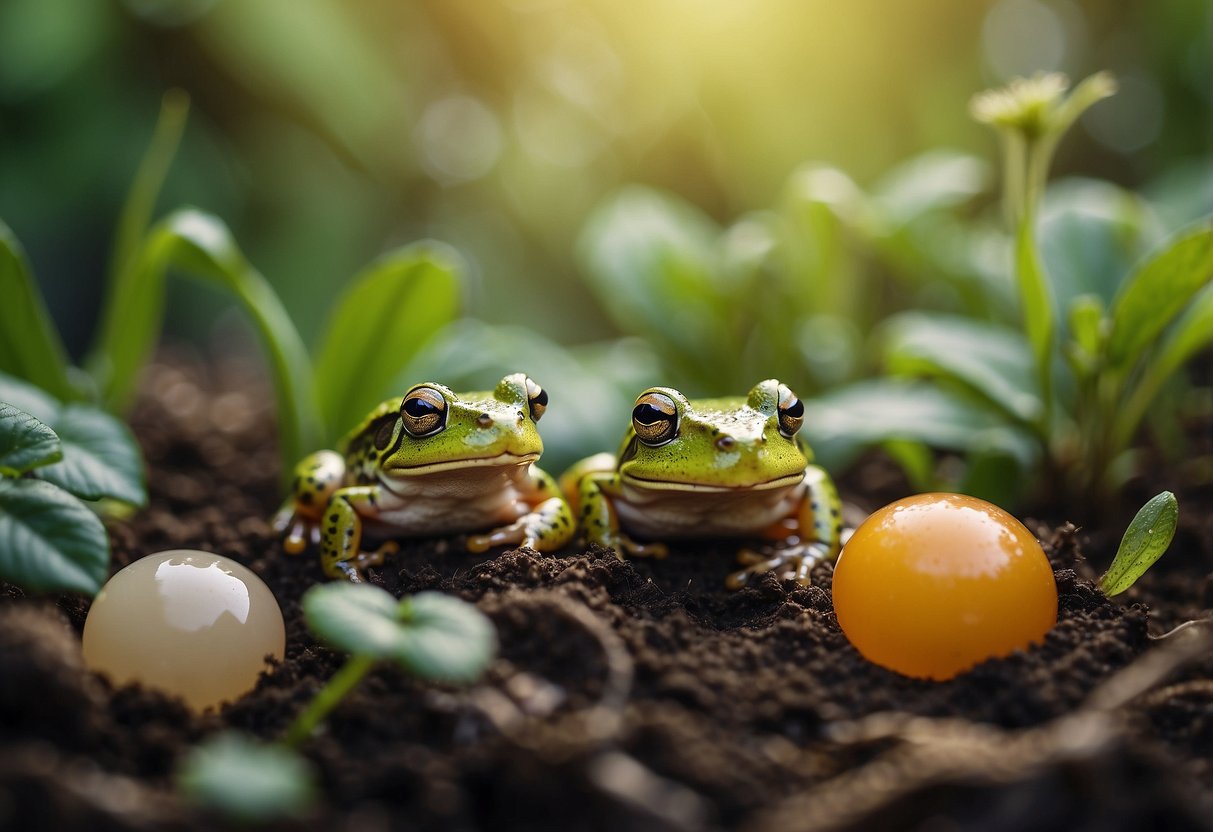
Frogs and toads need specific conditions to thrive. I’ll explain how to improve your garden and add key features to make it more amphibian-friendly.
Improving Garden Conditions for Amphibians
To create a welcoming space for frogs and toads, I recommend focusing on moisture and shelter. Add a water feature like a small pond or even a ground-level birdbath. This gives amphibians a place to stay hydrated and lay eggs.
Provide hiding spots using rocks, logs, or toad abodes. These offer protection from predators and harsh weather.
Avoid using pesticides in your garden. They can harm frogs and reduce their food supply. Instead, encourage natural pest control by attracting beneficial insects.
Create shady areas with overhanging plants or structures. This helps keep the ground cool and damp, which frogs prefer.
Plant Choices and Water Features
Choose native plants that suit your local climate. These attract insects that frogs eat and provide natural shelter.
Include a mix of ground cover, shrubs, and trees. This creates diverse layers in your garden, mimicking a frog’s natural habitat.
When adding a pond, make sure it has:
- Shallow edges for easy access
- Aquatic plants for shelter and egg-laying
- Clean, chemical-free water
If you can’t add a pond, try a shallow dish filled with rocks and water. Change the water regularly to keep it fresh.
Remember to keep out invasive species like cane toads. Monitor your water features and remove any unwanted eggs or tadpoles.
Monitoring and Long-Term Care
After finding frog or toad eggs in my garden, I need to keep a close eye on their progress and create a healthy environment for them. This involves watching the eggs develop and making sure my garden supports their growth.
Observing the Development Process
I check on the eggs every day, looking for changes. In about 2-3 weeks, I’ll see tiny tadpoles emerge. I keep track of their growth in a notebook. As weeks pass, I watch for legs to sprout and tails to shrink.
I’m careful not to disturb the water or touch the eggs and tadpoles. If I notice any issues like fungus or predators, I take gentle steps to protect them. I might add some pond plants for shelter.
It’s exciting to see the tadpoles turn into froglets or toadlets. Once they start leaving the water, I know they’re ready for land life.
Maintaining a Balanced Garden Ecosystem
To help my new amphibian friends thrive, I create a frog-friendly garden. I add shallow water areas and keep some parts of my lawn unmowed for cover. Native plants attract insects for food.
I avoid using chemicals in my garden. These can harm frogs and toads. Instead, I use natural pest control methods. I also provide hiding spots like logs or rock piles.
In dry spells, I mist areas of my garden to keep it damp. This helps frogs and toads stay moist. I’m always on the lookout for signs of healthy amphibian activity, like croaking at night or sightings in my garden.
Frequently Asked Questions
Finding frog or toad eggs in your garden can raise many questions. Here are some common concerns and helpful tips for gardeners who encounter amphibian eggs.
How can I properly care for the frog or toad eggs I’ve discovered in my garden?
I recommend leaving frog and toad eggs where you find them. Amphibians usually choose suitable spots for laying eggs. If the eggs are in a temporary puddle, I suggest gently moving them to a nearby permanent water source.
Keep the area around the eggs clean and free from chemicals. I advise against handling the eggs directly to avoid damaging them.
What are the ecological benefits or drawbacks of having frogs or toads in my garden?
Frogs and toads are great for pest control. They eat insects, slugs, and other small creatures that might damage plants.
These amphibians also serve as food for birds and other wildlife, boosting biodiversity. One drawback might be their nighttime croaking, which some people find noisy.
How can I create a suitable habitat for frogs or toads in a garden without a pond?
I suggest adding a shallow water feature like a birdbath at ground level. Frogs and toads need moisture, so a damp area with rocks or logs works well.
Plant native vegetation for shelter and food sources. Avoid using pesticides in your garden to keep it amphibian-friendly.
What should I do to safely relocate frog or toad eggs from my garden?
I don’t recommend relocating frog or toad eggs unless absolutely necessary. If you must move them, use a clean container with water from their original location.
Gently scoop the eggs into the container. Move them to a similar nearby habitat. Make sure the new spot has similar water depth and temperature.
How do I differentiate between frog eggs and toad eggs I found in my garden?
Frog eggs usually appear in clumps or masses. Toad eggs typically form long strings. Frog egg masses are often larger and more gelatinous than toad egg strings.
The eggs’ location can also be a clue. Frogs prefer still water, while toads might lay eggs in areas with slight water movement.
What could be the significance of finding a toad in my garden?
Finding a toad in your garden is often a good sign. It suggests your garden has a healthy ecosystem with food sources and suitable habitat for wildlife.
Toads can help control pest populations naturally. Their presence might indicate your garden is free from harmful chemicals and provides good shelter for animals.