Whites Tree Frogs, also known as Dumpy Tree Frogs or Litoria caerulea, are a popular choice among amphibian enthusiasts. Originating from Australia and New Guinea, these frogs are known for their docile nature and charming appearance.
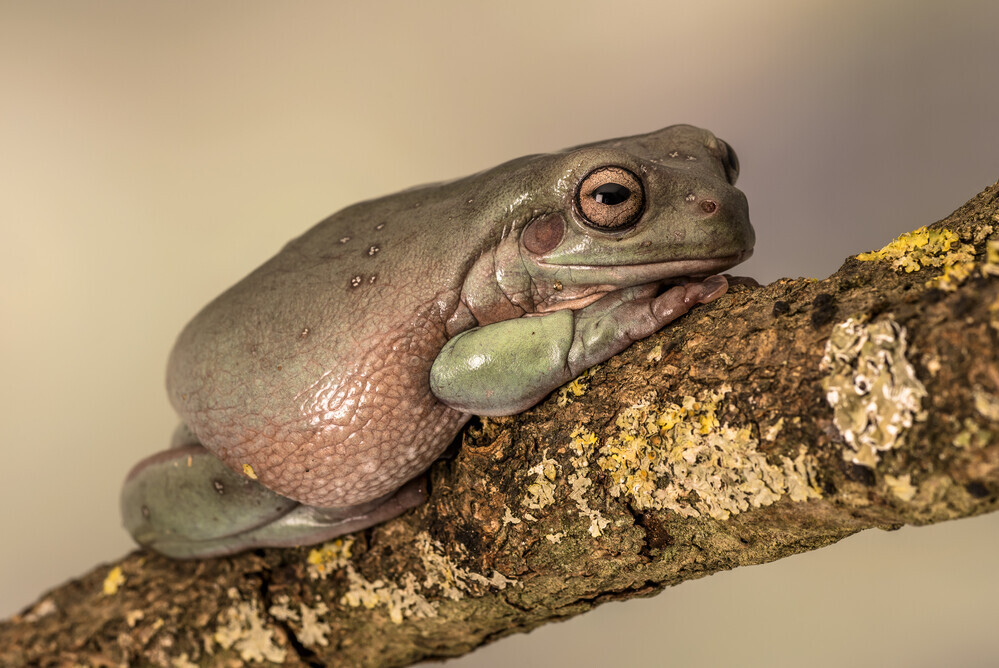
They’re typically characterized by their smooth, green skin, which can sometimes appear bluish, or even a bit brown depending on various factors like temperature and mood. Their white underbelly and prominent toe pads make them standout critters in any terrarium.
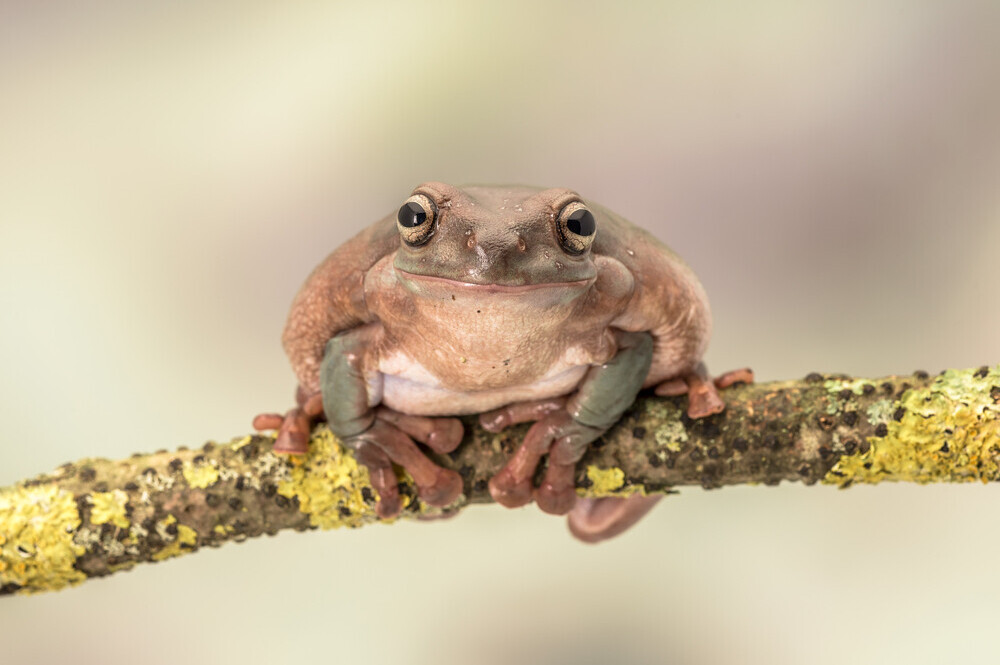
Another reason they’re a favorite is their manageable size. Growing to about 3-5 inches in length as adults, they’re big enough to be fascinating but still easy to house. Plus, their gentle demeanor makes them an excellent pet even for beginners.
The scientific name for the Whites Tree Frog is Litoria caerulea. You might also hear folks refer to them as ‘Dumpy Tree Frogs’ because of their characteristic chubby appearance. It’s kinda cute, really!
One of the best things about Whites Tree Frogs is how adaptable and hardy they are. They cope well with human interaction and can thrive in various conditions, provided their basic needs are met. This resilience makes them ideal pets for both novice frog owners and experienced herpetologists.
Their vocalizations, mainly the males, can be a delightful surprise. The males often call out with a soft, barking sound, especially in the evening. It’s one more reason these frogs are so engaging to keep around.
Setting Up the Perfect Habitat
Getting the habitat right is key for a happy and healthy Whites Tree Frog. A standard 20-gallon tank usually does the trick, but remember, bigger is always better if you have the space. Vertical space is more crucial than floor space because these frogs love to climb.
The tank’s temperature should stay between 75-85°F during the day, with a slight drop at night. A heat lamp or a ceramic heat emitter works wonders for keeping things toasty. Humidity is another biggie. Aim for 50-70% humidity, which you can achieve with regular misting and a water dish in the enclosure.
Lighting is pretty straightforward. These frogs aren’t too demanding but do best with a UVB light source. It helps mimic natural daylight and keeps their internal clocks ticking right.
Creating an enriching environment is all about variety. Incorporate a mix of climbing branches, live or artificial plants, and plenty of hiding spots. Safe options include cork bark, PVC pipes, or even commercially available frog hides. The goal is to replicate their natural habitat as closely as possible to keep them stimulated.
When it comes to substrate, avoid anything small that could be swallowed. Coconut fiber, sphagnum moss, or a mix of soil and bark chips work well. And don’t forget a shallow water dish for soaking! It’s essential for their hydration and aids in shedding dead skin.
Regular maintenance of the enclosure keeps your frog’s habitat clean and reduces the risk of infections. Spot clean daily and do a more thorough cleaning weekly. A clean home makes for a happy frog!
Dietary Needs and Feeding Schedule
Whites Tree Frogs primarily thrive on a diet of insects. Crickets are their go-to, but mix things up with mealworms, roaches, and the occasional waxworm for a treat. These little guys aren’t picky eaters, but variety is key to ensuring they get all the nutrients they need.
When prepping their meals, be sure to dust the insects with a calcium and vitamin supplement every other feeding. This extra boost helps prevent nutritional deficiencies and keeps those froggy bones strong.
Not all bugs are safe, though. Steer clear of wild-caught insects, which might carry diseases or pesticides. Stick to store-bought options to be on the safe side.
Feeding frequency varies with age. Young frogs (aka froglets) need to eat daily, while adults are good with meals every two to three days. Watch their waistlines—they have a tendency to overeat! A well-fed frog has a slightly rounded belly, but you don’t want an outright pudgy amphibian.
Hydration is just as important as food. Aside from their water dish, mist their enclosure regularly. This helps with hydration and maintains the humidity levels they need to thrive.
Always pay attention during feeding time. It’s a good opportunity to check your frog’s behavior and health. A lethargic or disinterested frog might be a sign something’s wrong and a vet visit could be necessary.
Daily Care and Health Monitoring
Keeping your Whites Tree Frog in tip-top shape goes beyond just feeding and housing them. Maintaining their environment and monitoring their health are crucial.
A clean habitat is a healthy habitat. Spot clean the enclosure daily—remove uneaten food and waste. Once a week, do a deeper clean: replace the substrate, clean the water dish, and wipe down the tank walls. Make sure everything is thoroughly rinsed and free of soap residues, as chemicals can be harmful to your frog.
Stay on the lookout for common health issues like parasites, fungal infections, and respiratory problems. Warning signs include lethargy, lack of appetite, weight loss, and abnormal skin conditions. If you notice any of these signs, it’s time to consult a vet with experience in amphibians.
Healthy Whites Tree Frogs are active and have clear, bright eyes and smooth skin. A healthy frog also has a consistent appetite and regular bowel movements. Observing these indicators ensures you catch any potential health problems early.
Regular vet check-ups are important. Even if your frog seems healthy, an annual visit can help detect hidden issues and provide peace of mind. Your vet can also guide you on the best practices for care and nutrition tailored specifically to your pet.
Consistent and gentle handling reduces stress and promotes a good relationship with your frog, but always wash your hands thoroughly before and after handling to avoid transferring oils or harmful substances to your pet.
Handling and Interacting with Your Frog
Proper handling is essential when it comes to Whites Tree Frogs. Always make sure your hands are clean and moist before picking up your frog. Dry hands can damage their sensitive skin, while unwashed hands might transfer harmful chemicals.
Gently scoop them up from underneath rather than grabbing them. Support their body to keep them comfortable. Overhandling can stress them out, so keep it to a minimum. Short, infrequent interactions are best to build trust gradually without overwhelming them.
Building trust with your frog takes time and patience. Spend time near their enclosure and talk softly. They might not understand you, but your voice can become a familiar and calming presence.
Interactive activities help keep your frog engaged. Rearrange their enclosure occasionally or introduce safe climbing toys. Provide mealworms or crickets to hunt around their habitat. This mimics natural behaviors and keeps them mentally and physically active.
Understanding their behavior is crucial. Whites Tree Frogs are nocturnal, meaning they’re more active at night. Don’t be surprised if they hide during the day and become lively after dusk. Knowing when they’re most comfortable helps in planning interactions.
Breeding and Lifespan Considerations
Breeding Whites Tree Frogs can be a rewarding experience but requires some know-how. Start by ensuring you have a healthy pair, ideally a male and female of breeding age. Distinguishing between sexes can be tricky, but males are usually smaller and may call out to attract females.
Setting up a breeding environment involves mimicking their natural seasonal changes. Increase humidity and provide a rain chamber if possible. This triggers breeding behaviors. Once eggs are laid, carefully transfer them to a separate container to protect them from adults. Expect anywhere from a few dozen to a few hundred eggs.
Caring for the eggs and tadpoles requires attention to detail. Keep the water clean and maintain a stable temperature between 75-80°F. Once they hatch, feed tadpoles a diet of commercially available tadpole food or finely crushed fish flakes. Tadpoles will start developing legs within a few weeks and will turn into froglets in about 6-8 weeks.
Whites Tree Frogs can be long-term companions, living up to 15 years with proper care. Factors like diet, habitat quality, and regular vet visits can impact their longevity. Always aim to provide the best care possible to extend their lifespan.
Their conservation status is currently listed as least concern, but it’s still crucial to source frogs responsibly. Captive-bred frogs are always the best choice to reduce impact on wild populations. Supporting ethical breeders also ensures healthier frogs, as these breeders follow best practices.