
Creating Stunning Frog and Toad Portraits: Expert Tips for Captivating Amphibian Photography
Frogs and toads are fascinating subjects for nature photography. Their unique features and habitats offer endless opportunities for captivating portraits.
From colorful tree frogs to warty toads, these amphibians can make for stunning images when captured skillfully.
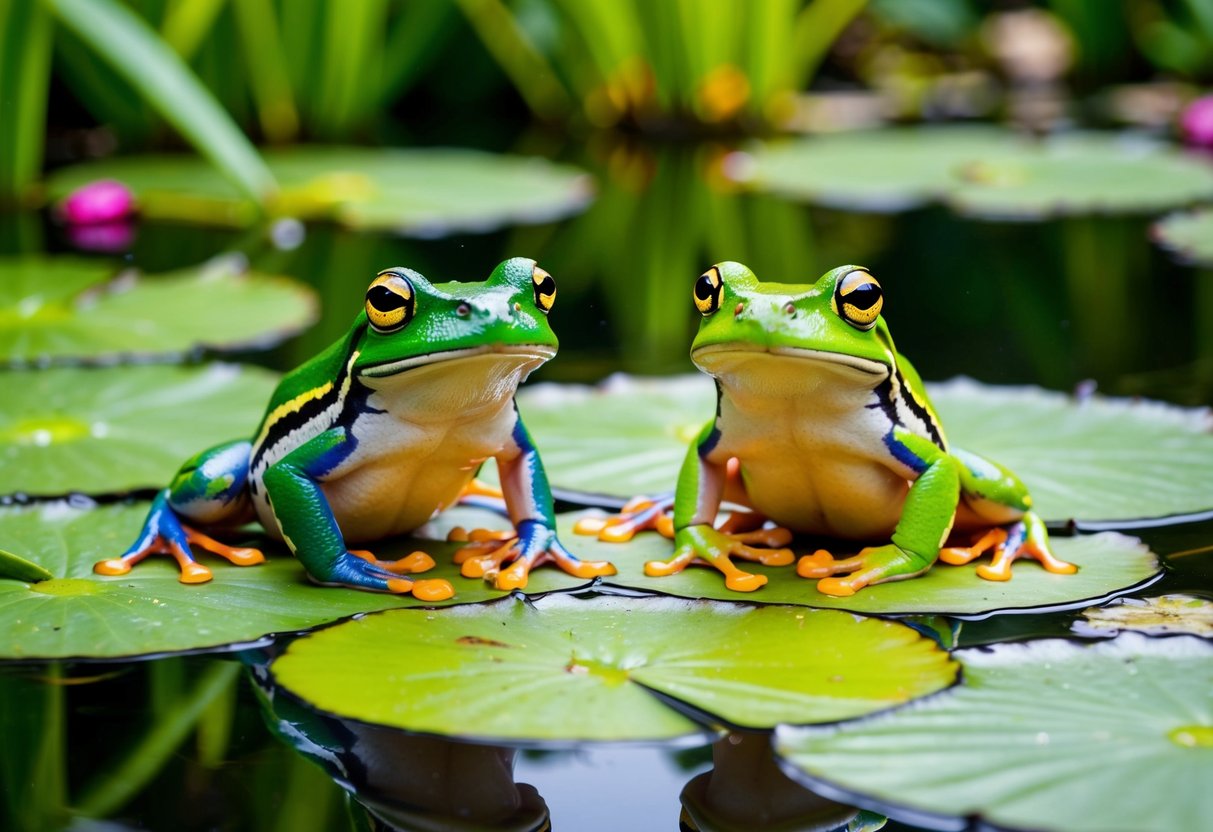
Creating eye-catching frog and toad portraits requires patience, preparation, and the right techniques.
Photographers need to understand their subjects’ behavior and natural environments. This knowledge helps in finding and approaching these creatures without disturbing them.
Good equipment is important, but even entry-level cameras can produce award-winning shots.
The key is to focus on composition, lighting, and timing. A macro lens or close-up filter can help capture fine details, while a flash or reflector can enhance colors and textures.
Key Takeaways
- Understanding frog and toad behavior is crucial for capturing natural portraits
- Proper equipment and techniques enhance image quality and composition
- Patience and respect for wildlife are essential for successful amphibian photography
Essentials of Frog and Toad Photography
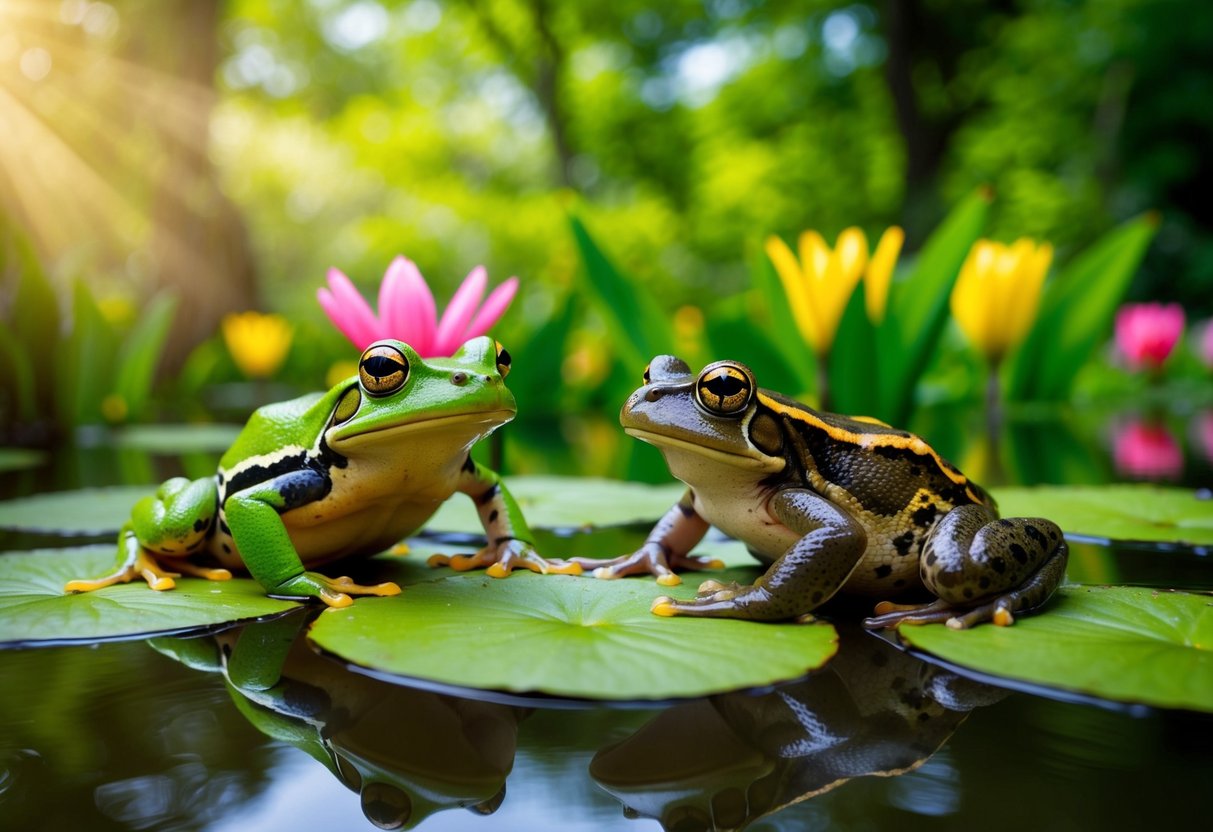
Capturing amazing frog and toad portraits requires skill, patience, and the right approach. Knowing your subjects, using proper equipment, and optimizing camera settings are key to success.
Understanding Your Subject
Frogs and toads have unique behaviors that affect photography. They’re most active at night or after rain. Learning their habits helps predict good photo opportunities.
Frogs often sit still for long periods, making them great subjects. Toads may be more active but can also pose nicely.
It’s important to respect these animals and their habitats. Don’t disturb or harm them while taking photos. Keep a safe distance and use a zoom lens when needed.
Observing frogs and toads in their natural settings helps photographers capture authentic moments. Look for them near water sources or in damp areas.
Choosing the Right Equipment
A macro lens is ideal for close-up frog and toad portraits. It allows for sharp details of eyes and skin texture.
A sturdy tripod helps keep the camera steady for crisp shots. This is crucial in low light conditions.
External flash units can enhance lighting. They’re useful for nighttime photography or filling in shadows.
Waterproof gear is helpful when working near ponds or in rainy conditions. It protects equipment from damage.
A kneeling pad or waterproof clothing keeps the photographer dry and comfortable while working low to the ground.
Optimal Camera Settings
Use a wide aperture (low f-number) to blur the background and make the subject stand out. F/2.8 to f/5.6 often works well.
Set a fast shutter speed to freeze motion. 1/125 second or faster is usually suitable.
Keep ISO low (100-400) for clean, noise-free images. Raise it if needed in darker conditions.
Manual focus often works better than autofocus for precise control. Focus on the frog’s eye for a sharp, engaging portrait.
Use burst mode to capture a series of shots. This increases chances of getting the perfect pose or expression.
Composition Techniques
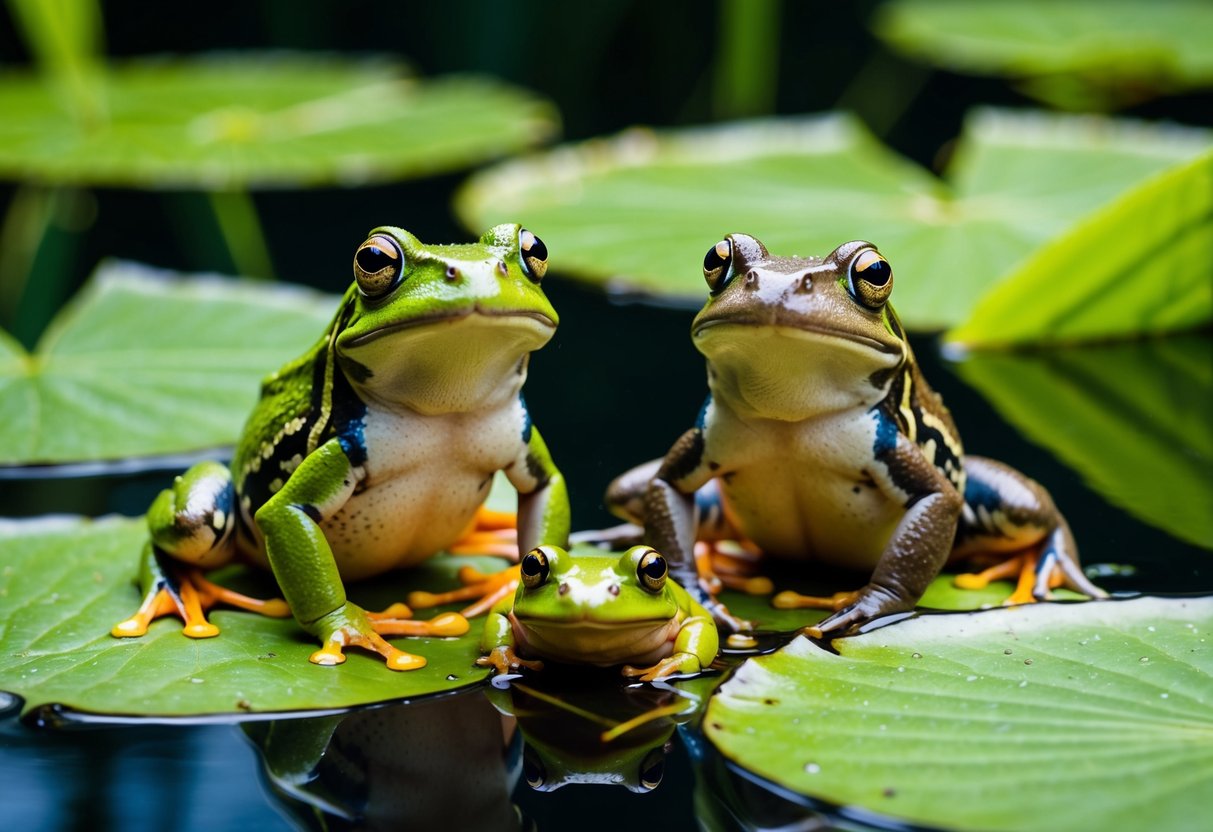
Good composition is key to creating captivating frog and toad portraits. These techniques will help you frame your amphibian subjects in visually appealing ways.
Rule of Thirds in Portraiture
The rule of thirds is a fundamental composition technique in photography. Imagine dividing your frame into a 3×3 grid. Place your frog or toad subject along these lines or at their intersections.
This placement creates a more dynamic and interesting image than centering the subject. It gives the amphibian room to “look” into the frame, creating a sense of balance.
For close-up portraits, try positioning the frog’s eye at one of the intersections. This draws the viewer’s attention to the most expressive part of the animal.
Using Natural Light to Your Advantage
Natural light can greatly enhance frog and toad portraits. Soft, diffused light is often best for bringing out textures and colors without harsh shadows.
Early morning or late afternoon light provides a warm, golden glow. This can beautifully highlight the frog’s skin and eyes.
Overcast days offer even, soft light that’s perfect for capturing details. It reduces glare and allows the frog’s true colors to shine through.
When shooting in brighter conditions, use shadows to create depth. Position your subject so that light falls across its face at an angle, revealing texture and form.
Creating a Focal Point
A clear focal point is crucial in frog and toad portraits. It gives the viewer’s eye a place to rest and helps convey the image’s main message.
The eyes are often the most compelling focal point for amphibian portraits. Their large, expressive eyes can create an instant connection with viewers.
Use shallow depth of field to make your subject stand out. A wide aperture blurs the background, drawing attention to the frog or toad.
Leading lines can guide the viewer’s eye to your subject. Use elements in the environment, like leaves or branches, to create natural paths to your focal point.
Portrait Environments
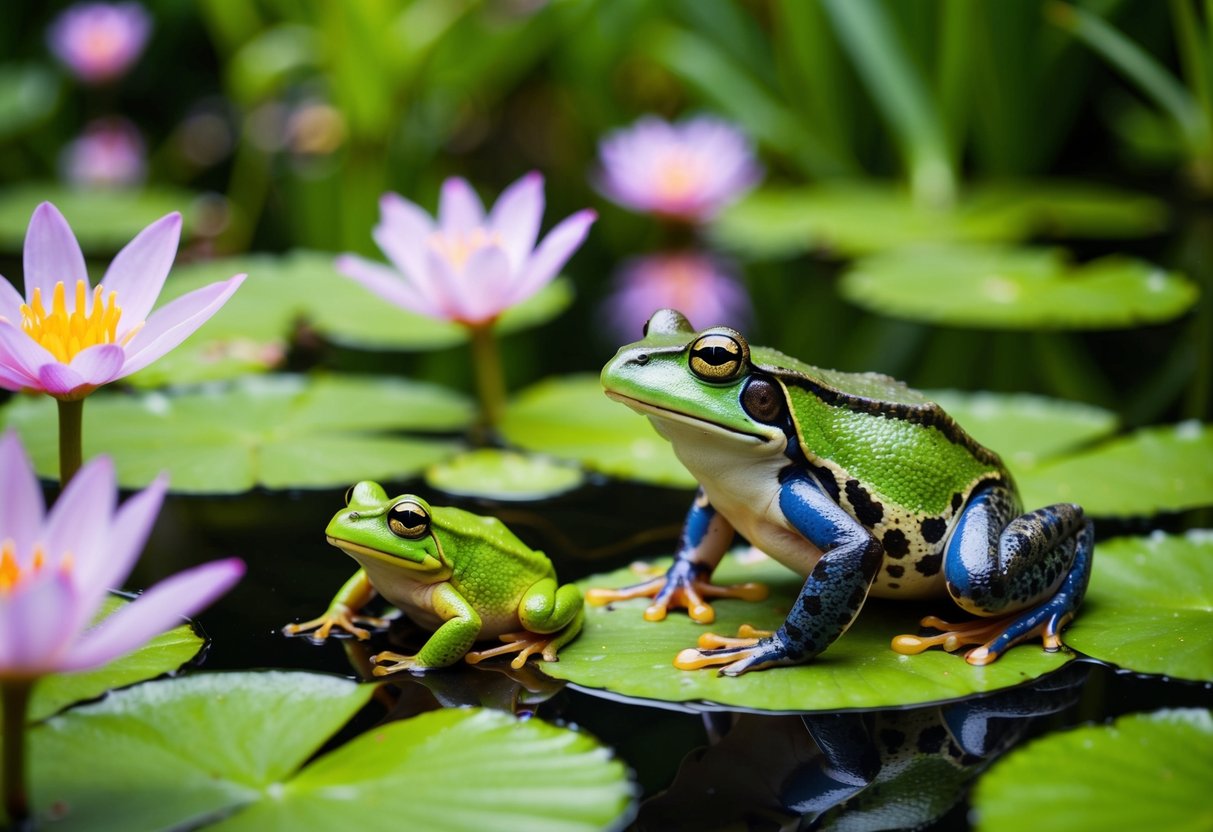
The environment plays a crucial role in creating stunning frog and toad portraits. It sets the mood and provides context for the amphibian subjects. Carefully choosing or creating the right backdrop enhances the overall impact of the images.
Natural Habitats for Authenticity
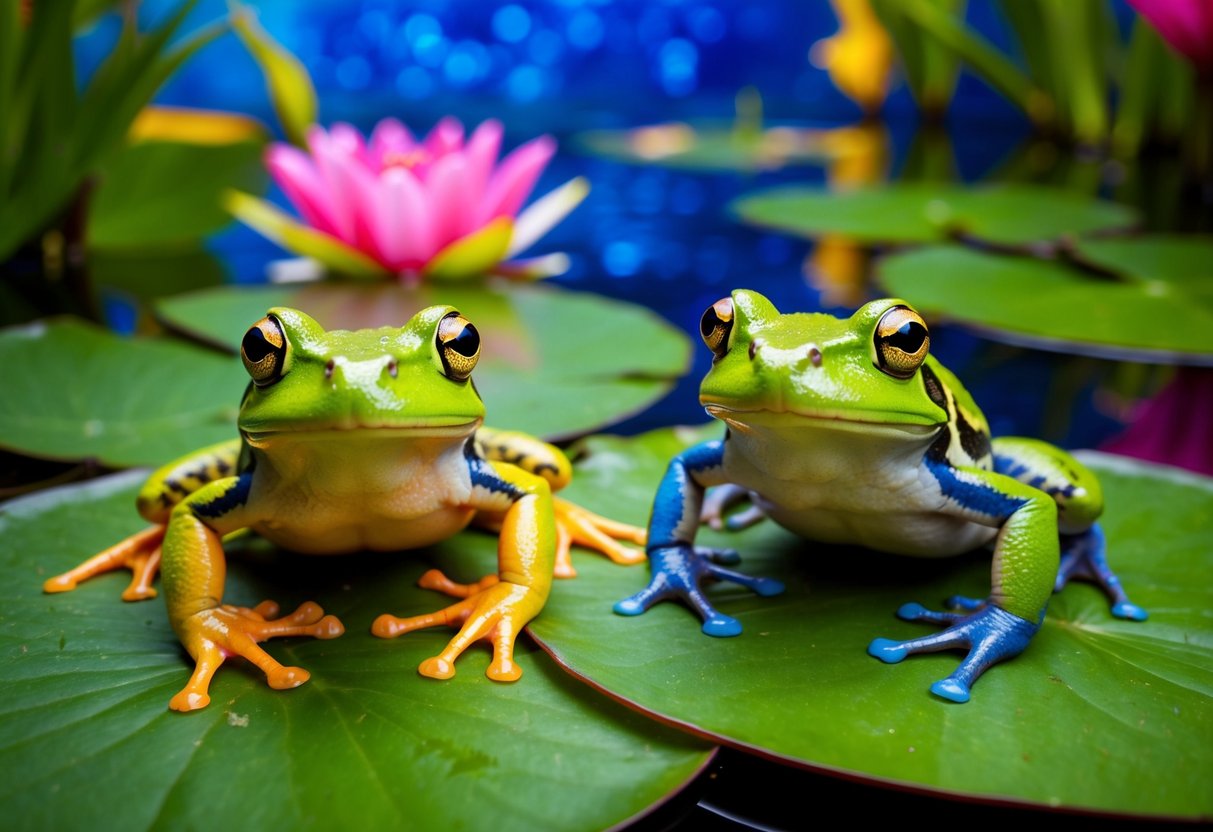
Environmental portraits of frogs and toads in their natural habitats offer authenticity and context. Photographers should seek out ponds, streams, and forested areas where these amphibians naturally live. Look for interesting elements like moss-covered logs, water lilies, or colorful leaves to frame the subject.
Timing is key when shooting in natural settings. Early morning or late afternoon often provide the best lighting conditions. Be patient and observe the frogs’ behavior to capture them in natural poses.
Using a wide aperture can help blur the background while keeping the subject in focus. This technique draws attention to the frog while still showing its environment.
Staging Backgrounds and Props
For more controlled frog portraits, photographers can create staged environments. This approach allows for precise composition and lighting control. Use terrarium setups or small dioramas to mimic natural habitats.
Choose props that complement the frog’s colors and textures. Smooth river stones, vibrant flowers, or miniature mushrooms can add visual interest. Ensure all materials are safe for the amphibians and won’t cause stress.
Lighting is critical in staged setups. Soft, diffused light often works best to highlight the frog’s features without harsh shadows. Experiment with different angles and intensities to achieve the desired mood.
Always prioritize the frog’s well-being during staged shoots. Limit session duration and provide a comfortable, stress-free environment for the amphibian subject.
Behavior and Interaction
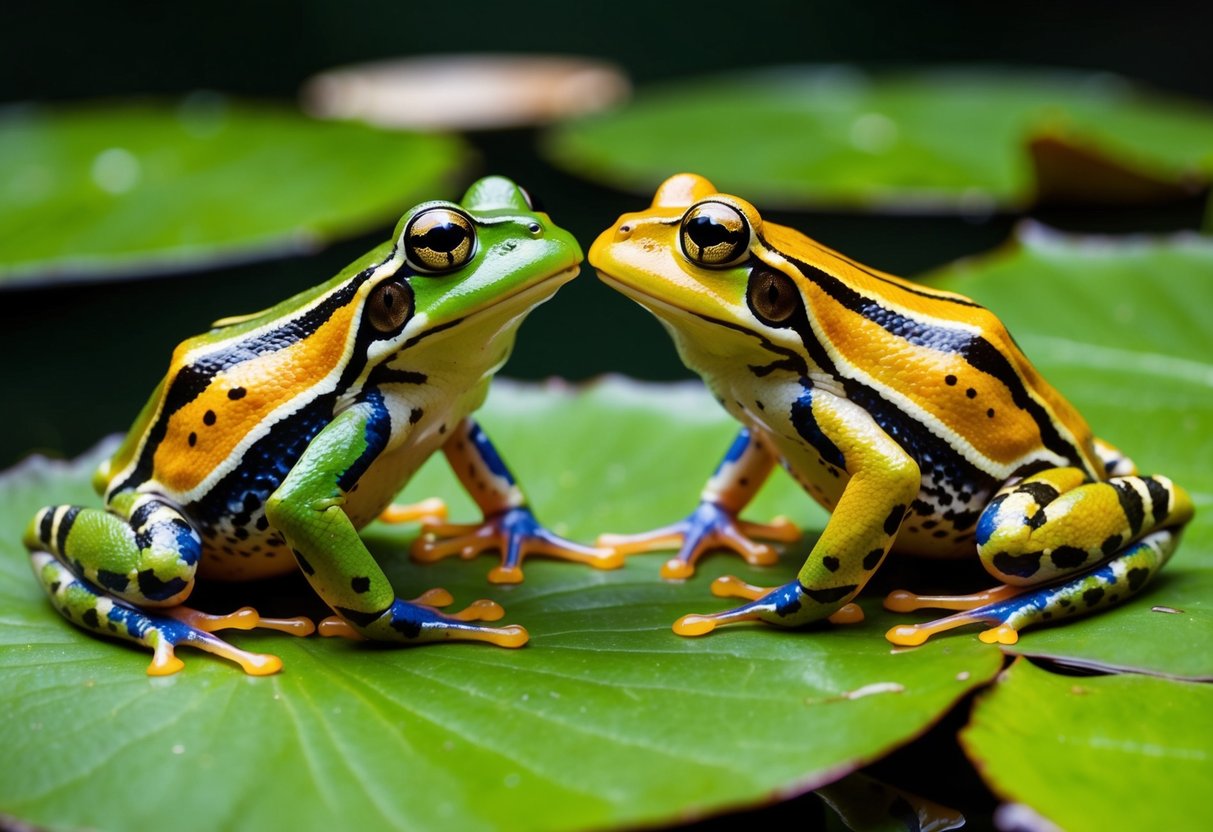
Frogs and toads display fascinating behaviors that can be captured in stunning portraits. Their interactions with their environment offer unique opportunities for photographers.
Capturing Unique Behaviors
Frogs and toads exhibit diverse behaviors that make for captivating photographs. Toads often move by crawling and using short hops, while frogs can leap impressive distances. Capturing these movements requires patience and quick reflexes.
Feeding time presents another chance for dynamic shots. Many species use their long, sticky tongues to catch prey. Photographers can capture this rapid action with high-speed settings.
Vocalization is another interesting behavior. Male frogs and toads call to attract mates. Close-up shots of their expanding vocal sacs can create striking images.
Frog and Toad Interaction with Environment
Frogs and toads interact closely with their surroundings, offering photographers ample creative opportunities. Many species use camouflage to blend in with their habitat. Capturing this natural camouflage can result in intriguing, subtle portraits.
Water is often a key element in frog and toad habitats. Shots of these amphibians partially submerged or reflected in water can be visually appealing. Some frogs have specialized toe pads that allow them to climb vertical surfaces. Photographing them on leaves or tree trunks can showcase this unique adaptation.
Seasonal behaviors, such as breeding or hibernation, also provide interesting subjects. Capturing frogs or toads during these times can tell a story about their life cycle.
Post-Processing Techniques
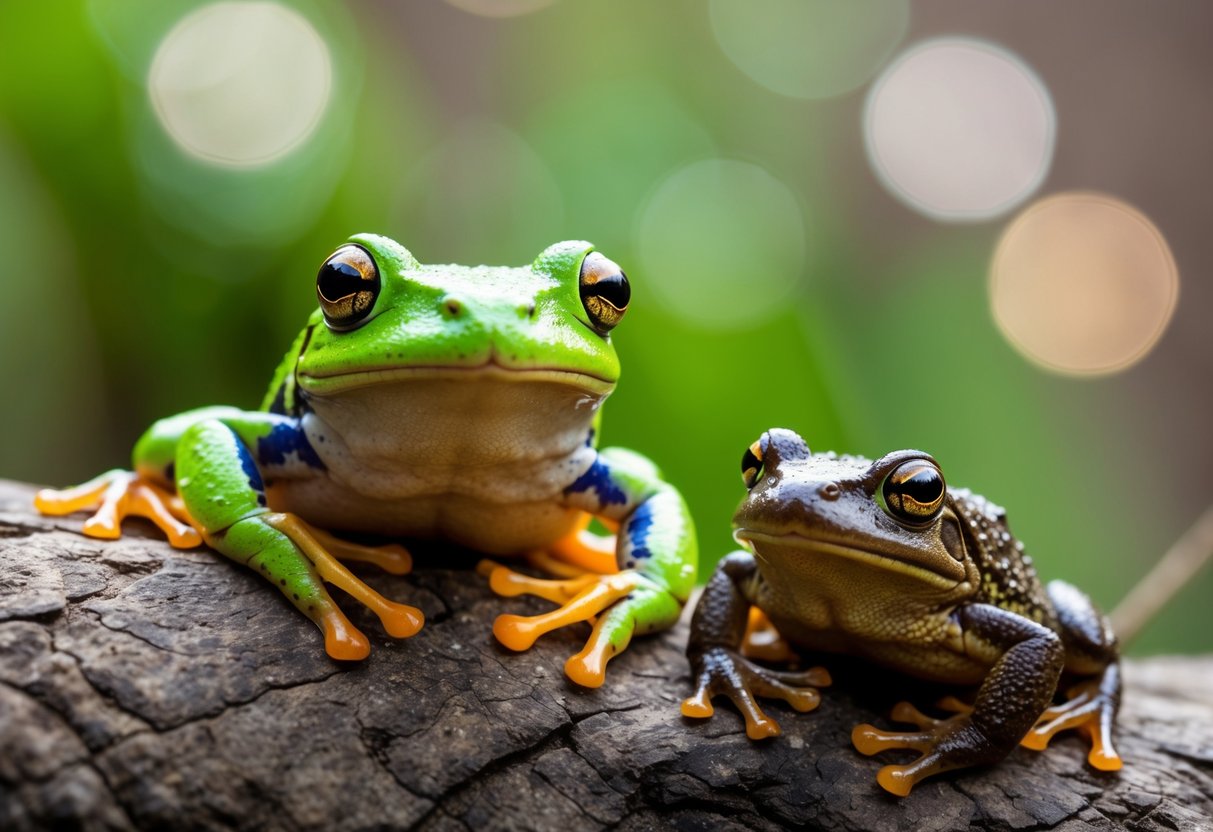
Post-processing plays a crucial role in creating stunning frog and toad portraits. It enhances image quality and brings out the unique features of these amphibians.
Editing Basics for Clarity and Color
Color correction is key for frog and toad portraits. Adjust white balance to capture the true colors of their skin. Increase contrast to make textures pop. Boost saturation slightly to enhance vibrant hues.
Use noise reduction to smooth out grainy areas, especially in low-light shots. Sharpen eyes and skin patterns to draw attention to these important features.
Exposure adjustments can rescue underexposed or overexposed images. Lift shadows to reveal hidden details. Tone down highlights to prevent loss of texture in bright areas.
Retouching Details
Focus on the frog or toad’s eyes. Brighten and sharpen them to create a captivating gaze. Remove any distracting elements like debris or water droplets that detract from the subject.
Enhance textures on skin and patterns to showcase the unique characteristics of each species. Use local adjustments to bring out the intricate details of webbed feet or warts.
Correct any lens distortions that may warp the amphibian’s shape. This ensures an accurate representation of the subject’s proportions and features.
Cropping for Impact
Crop the image to improve composition and focus attention on the frog or toad. Follow the rule of thirds for a balanced layout. Place the subject’s eye at an intersection point for maximum impact.
Consider different aspect ratios to suit the subject’s pose. A square crop can work well for a compact, symmetrical frog. A wider crop might better showcase an elongated toad.
Remove distracting background elements through cropping. This simplifies the image and puts all the attention on the amphibian subject.
Photography Ethics and Conservation
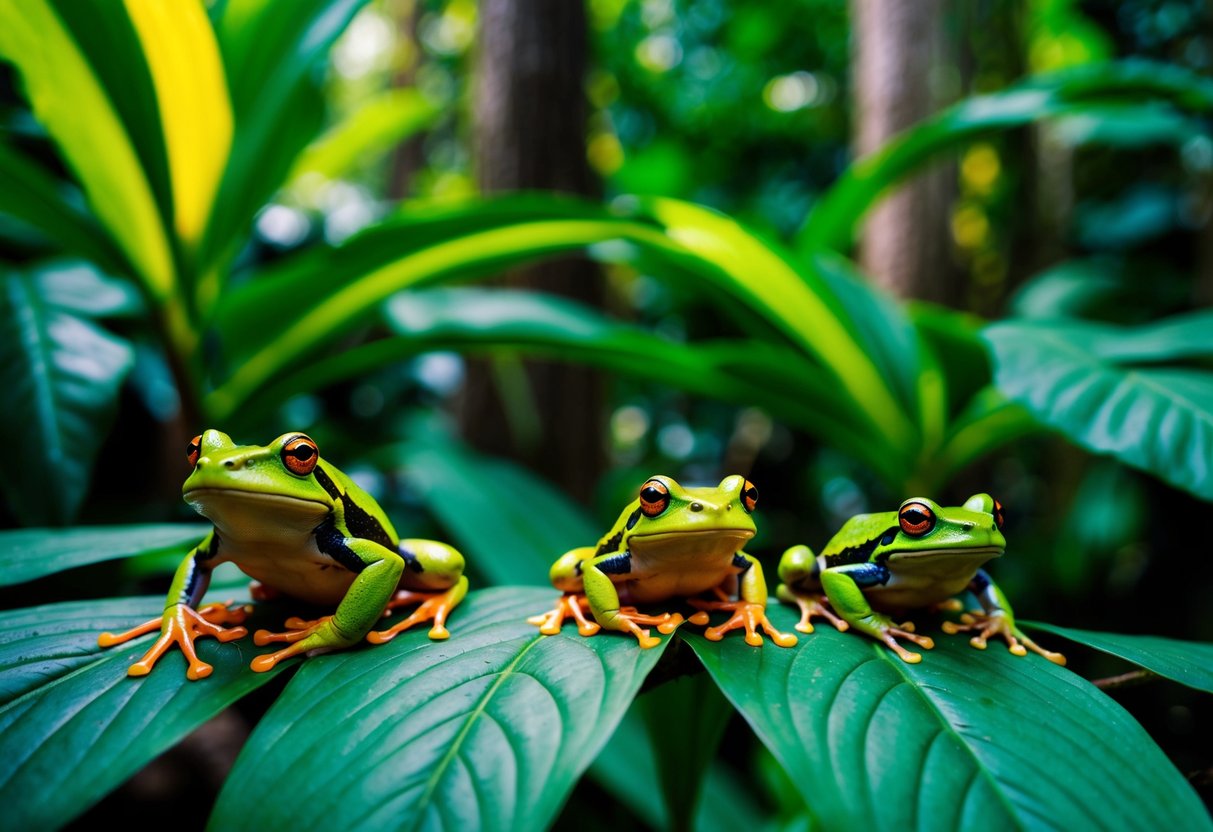
Ethical practices and conservation awareness are vital when photographing frogs and toads. Photographers must balance their creative goals with the wellbeing of their subjects and the surrounding ecosystem.
Respect for Wildlife
Wildlife photography ethics prioritize animal welfare. Never handle or disturb frogs and toads for a photo.
Keep a safe distance to avoid causing stress. Use long lenses to capture close-up shots without getting too near.
Observe the frog’s behavior. If it shows signs of distress, like trying to flee, stop shooting and move away.
Avoid using flash photography, especially at night. Bright lights can disorient nocturnal species. Instead, use natural light or low-intensity continuous lighting.
Don’t remove frogs from their habitat. Capturing authentic behavior in their natural environment creates more compelling images.
Minimizing Environmental Impact
Tread lightly in frog habitats. Stick to established trails to avoid damaging fragile ecosystems. Be especially careful around wetlands and streams.
Clean and disinfect your gear between shooting locations. This prevents the spread of harmful pathogens that can devastate frog populations.
Avoid disturbing vegetation or moving natural objects to set up a shot. Work with the environment as you find it.
Properly dispose of any waste. Never leave behind equipment, food wrappers, or other items that could harm wildlife.
Educate yourself about local conservation efforts. Use your photos to raise awareness about frog species and their habitats.
Sharing Your Work
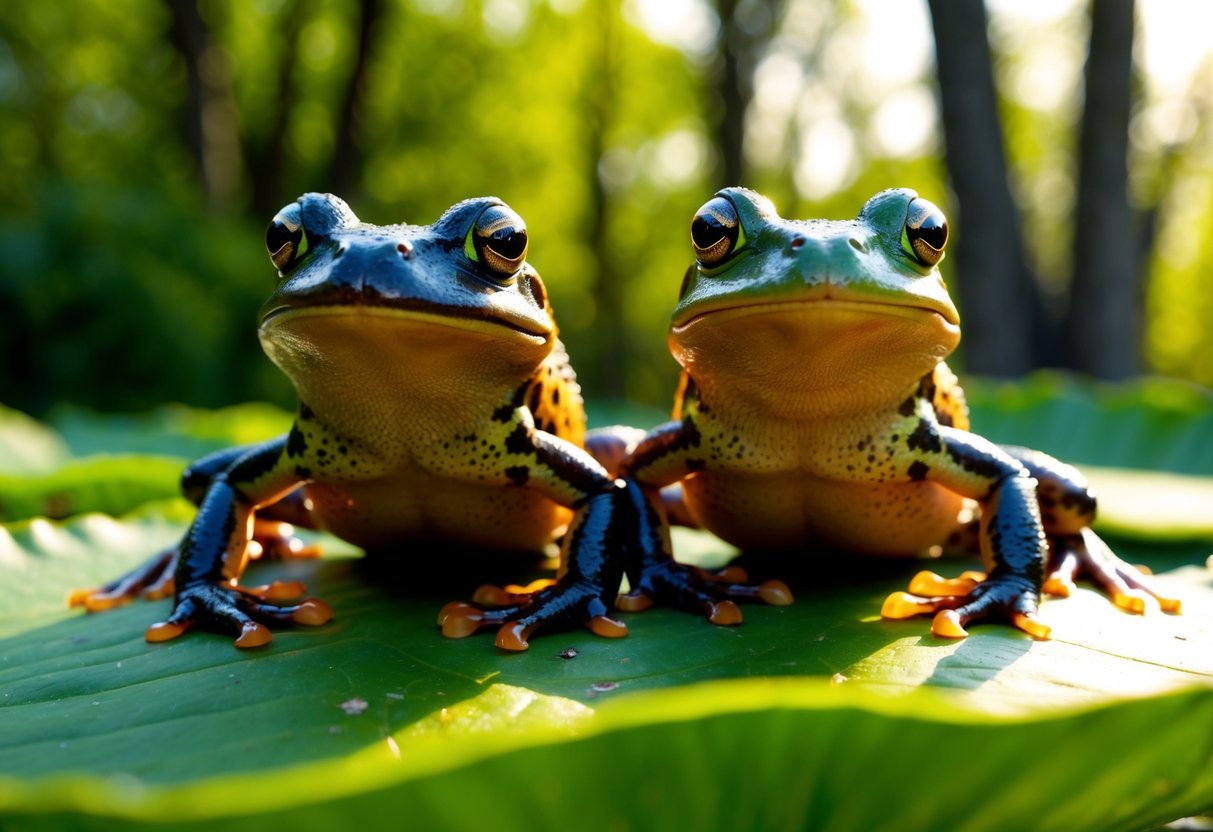
Showcasing your frog and toad portraits can help you gain recognition and connect with other nature photographers. A strong online presence and active community engagement are key to sharing your work effectively.
Building an Online Portfolio
Create a dedicated website to display your best frog and toad photos. Choose a clean, simple design that puts your images front and center.
Group your photos into categories like species, habitats, or techniques. Add brief captions to provide context for each image.
Include details about the species, location, and any interesting facts about the photo shoot. Consider using a platform like Squarespace or Wix for easy setup and maintenance.
These sites offer professional-looking templates tailored for photographers. Make sure your portfolio is mobile-friendly, as many people browse on smartphones.
Include a contact form so potential clients or collaborators can reach you easily.
Social Media and Community Engagement
Use Instagram to share your frog and toad portraits regularly. Post high-quality images with informative captions about the species and photography techniques used.
Join Facebook groups dedicated to nature photography or herpetology. Share your work and engage with other members by commenting on their posts and offering constructive feedback.
Participate in online photography challenges or contests focused on wildlife or macro photography. This can help you gain exposure and improve your skills.
Consider starting a YouTube channel to share behind-the-scenes footage of your photo shoots or tutorials on frog and toad photography techniques.
This can help build your reputation as an expert in the field. Engage with your followers by responding to comments and messages promptly.
Share interesting facts about frogs and toads to educate your audience and spark discussions.
Frequently Asked Questions
Taking great frog and toad portraits requires skill and knowledge. These questions cover key aspects of amphibian photography, from camera settings to lighting and ethical considerations.
What are the optimal camera settings for amphibian photography?
For frog and toad portraits, use a fast shutter speed of at least 1/250 second. This helps freeze any sudden movements.
Set your aperture between f/8 and f/11 for a good depth of field. Choose an ISO that balances image quality with proper exposure.
In low light, you may need to increase ISO to 800 or higher.
How do you manage lighting when taking portraits of frogs and toads?
Natural light works well for amphibian portraits. Shoot on overcast days for soft, even lighting.
In bright sunlight, use a diffuser to soften harsh shadows. For more control, use off-camera flash.
Set the flash to low power and bounce it off a reflector for a natural look.
What is the best time of day for capturing vibrant frog and toad photos?
The golden hours just after sunrise and before sunset offer warm, flattering light. Many frogs and toads are more active during these times.
Some species are nocturnal. For these, night photography with a flash can yield striking results.
What techniques ensure sharp focus in amphibian portrait photography?
Use single-point autofocus and aim for the subject’s eye. A tripod helps reduce camera shake.
If shooting handheld, use image stabilization and a fast shutter speed.
How can you encourage natural behavior in frogs and toads while photographing them?
Patience is key. Observe the animals without disturbing them.
Wait for natural moments, like a toad sitting on frogspawn. Avoid handling the animals.
If you must move debris, do so gently to minimize disturbance.
What are the important ethical considerations when photographing wildlife, specifically frogs and toads?
Always prioritize the animal’s well-being. Don’t disturb habitats or move animals for a photo.
Be aware of endangered species. Some locations may restrict photography to protect vulnerable populations.
Clean your gear between shoots to prevent spreading diseases among amphibian populations.