
Famous Frog And Toad Tales From Literature: Timeless Amphibian Adventures in Classic Stories
Frogs and toads have hopped their way into many beloved stories. These amphibious characters appear in folk tales, children’s books, and even adult literature.
From fairy tales to modern picture books, frogs and toads capture our imagination.
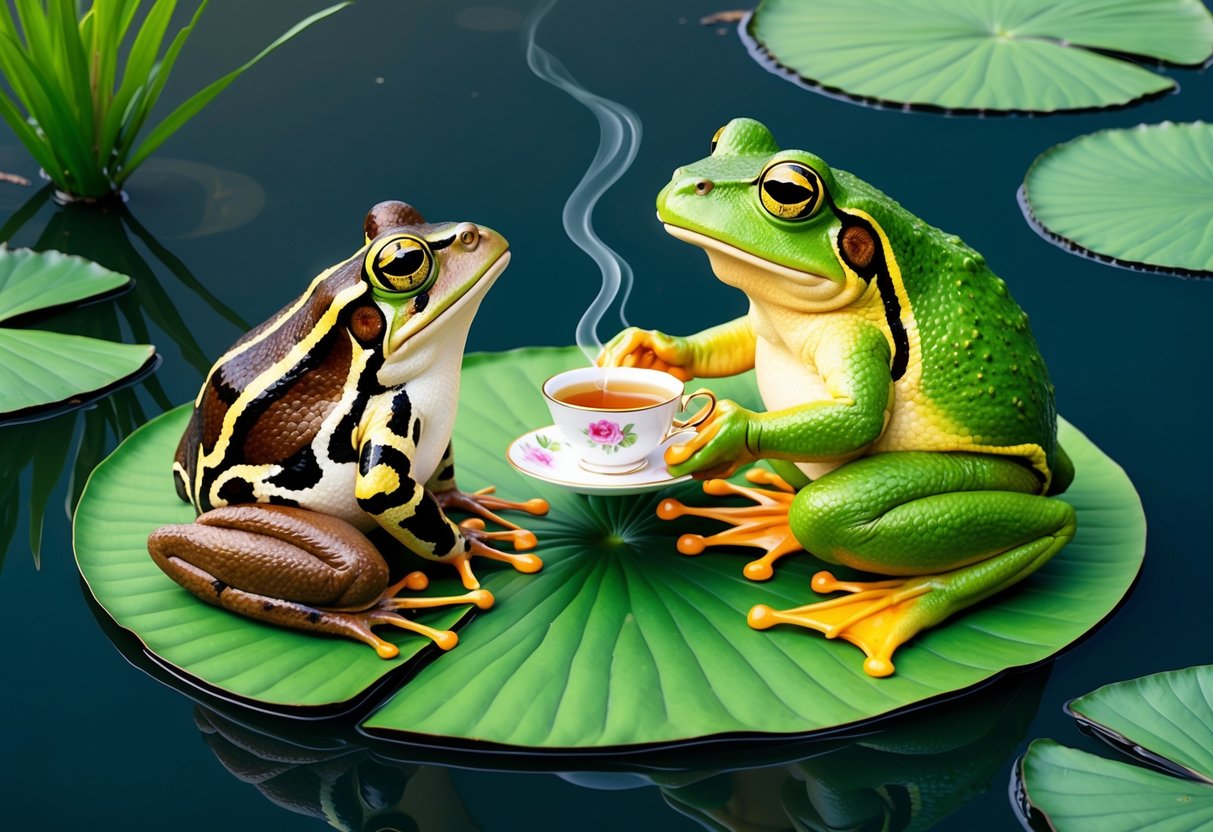
Frog and toad characters in fiction often teach important life lessons through their adventures. In Arnold Lobel’s popular series, Frog and Toad are best friends who help each other grow.
Their stories show kids how to be good friends and face challenges. Other famous frog tales include “The Frog Prince” and “The Wind in the Willows.”
These tales do more than entertain. They help kids learn to read and think about friendship, courage, and kindness. Frog and toad stories have been loved for generations and continue to delight readers young and old.
Key Takeaways
- Frogs and toads are common characters in folk tales, fairy tales, and children’s literature
- Many frog and toad stories teach important lessons about friendship and personal growth
- These tales help children develop reading skills while exploring themes like kindness and bravery
Historical Origins of Frog and Toad Tales
Frogs and toads have played important roles in stories for centuries. These amphibians appear in many fairy tales and folklore from different cultures around the world.
One famous example is the story of “The Frog Prince.” In this tale, a frog helps a princess and is transformed into a handsome prince. This story has many versions across Europe.
Ancient myths also feature frogs and toads. In Egyptian mythology, the goddess Heqet had the head of a frog. She was associated with fertility and childbirth.
Aesop’s Fables, from ancient Greece, include stories about frogs. These short tales often taught moral lessons using animal characters.
In medieval European folklore, toads were sometimes linked to witchcraft. This gave them a more sinister reputation in some stories from that time.
Native American cultures have their own frog and toad tales. These stories often present frogs as helpful creatures or as symbols of transformation.
Modern children’s literature continues this tradition. The Frog and Toad series by Arnold Lobel, published in the 1970s, became a beloved set of stories for young readers.
These varied origins show how frogs and toads have captured human imagination throughout history. Their ability to live on both land and water makes them fascinating subjects for tales of magic and transformation.
Iconic Characters in Literature
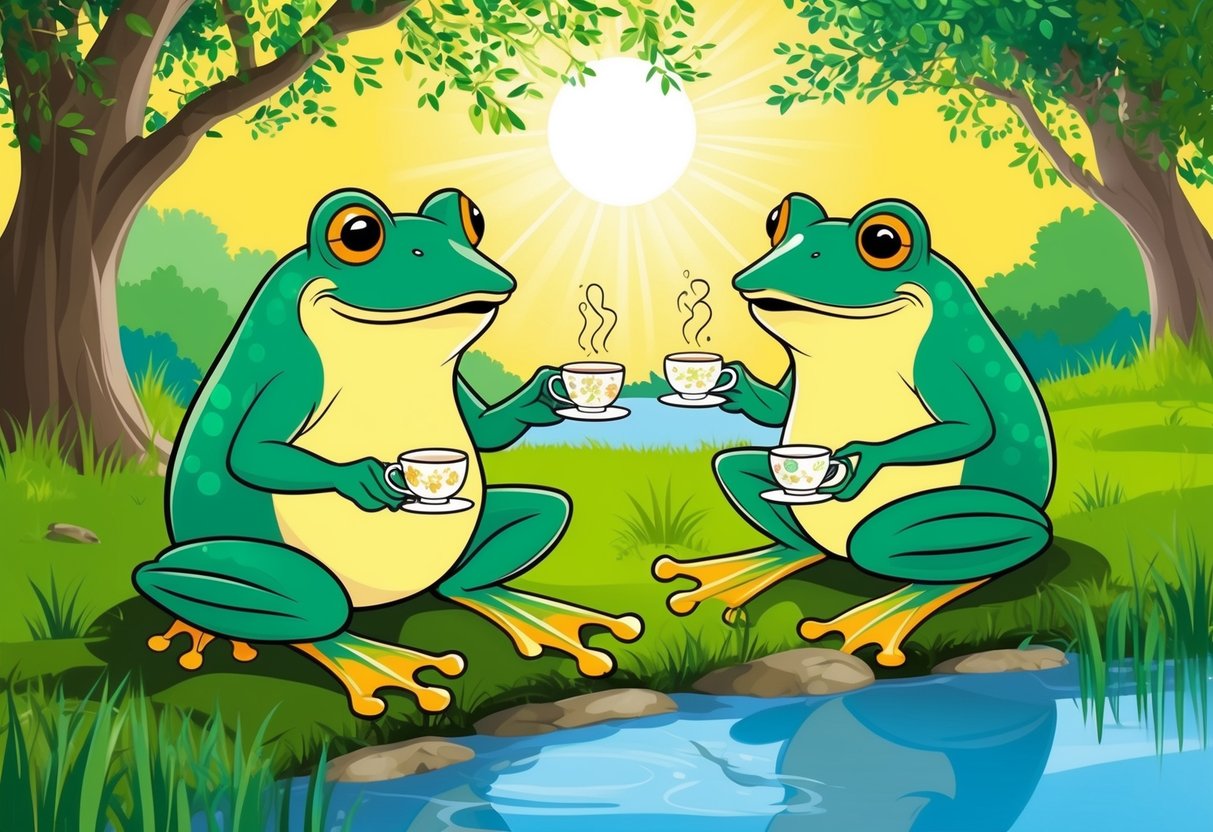
Frogs and toads have left an indelible mark on children’s literature. These amphibious characters charm readers with their quirky personalities and memorable adventures.
Frog and Toad by Arnold Lobel
Frog and Toad, created by Arnold Lobel, are beloved characters in children’s literature. These two friends star in a series of easy-to-read books that explore themes of friendship and personal growth.
Frog is the optimistic and energetic one. He often encourages Toad to try new things. Toad, on the other hand, is more cautious and set in his ways.
Their contrasting personalities create amusing situations and heartwarming moments.
The stories tackle everyday challenges in simple, relatable ways. From flying kites to baking cookies, Frog and Toad’s adventures teach valuable lessons about patience, bravery, and compromise.
Mr. Toad from The Wind in the Willows
Mr. Toad, from Kenneth Grahame’s “The Wind in the Willows,” is a lively and impulsive character. He lives in Toad Hall and is known for his love of adventure and fast cars.
Mr. Toad’s reckless behavior often lands him in trouble. His friends Mole, Ratty, and Badger frequently try to keep him out of mischief.
Despite his flaws, Mr. Toad’s charisma and zest for life make him an endearing character.
The book explores themes of friendship, loyalty, and the consequences of unchecked desires. Mr. Toad’s journey from self-centered troublemaker to a more considerate friend resonates with readers of all ages.
Jeremy Fisher by Beatrix Potter
Jeremy Fisher is a gentlemanly frog created by Beatrix Potter. He appears in “The Tale of Mr. Jeremy Fisher,” published in 1906. Jeremy is a well-dressed frog who lives in a damp little house by a pond.
The story follows Jeremy’s fishing expedition to catch minnows for his dinner party. He encounters several misadventures, including a close call with a trout. Despite his troubles, Jeremy maintains his polite demeanor throughout.
Potter’s detailed illustrations bring Jeremy and his world to life. The tale teaches perseverance and the importance of maintaining a positive attitude in the face of setbacks.
Cultural Significance
Frogs and toads have played important roles in folklore and mythology across many cultures. These amphibians often represent transformation, luck, and spiritual symbolism in stories and beliefs around the world.
Frogs and Toads in Folklore
Frogs and toads appear in many famous fairy tales. The story of The Frog Prince is one of the best-known examples. In this tale, a frog turns into a handsome prince when kissed by a princess.
This story belongs to a group of similar tales about animal grooms. These stories often teach lessons about keeping promises and looking beyond appearances.
In some Native American traditions, frogs are seen as rain-bringers. They’re linked to water and cleansing. Their croaking is thought to call for rain in dry times.
Symbolism and Mythology
Frogs and toads carry deep symbolic meanings in many cultures. In ancient Egypt, the frog goddess Heqet was tied to fertility and birth. She was often shown with a frog’s head.
In Hinduism, frogs symbolize transformation. This links to their life cycle, changing from tadpole to adult. They’re also seen as protectors in some Hindu beliefs.
Chinese culture views toads as lucky. The mythical three-legged toad is said to bring wealth and good fortune. It often appears in art and decorations for this reason.
In some Native American beliefs, frogs are totem animals. They represent change and new beginnings. Dreaming of a frog is thought to be a sign of good luck in these traditions.
Adaptations and Influence
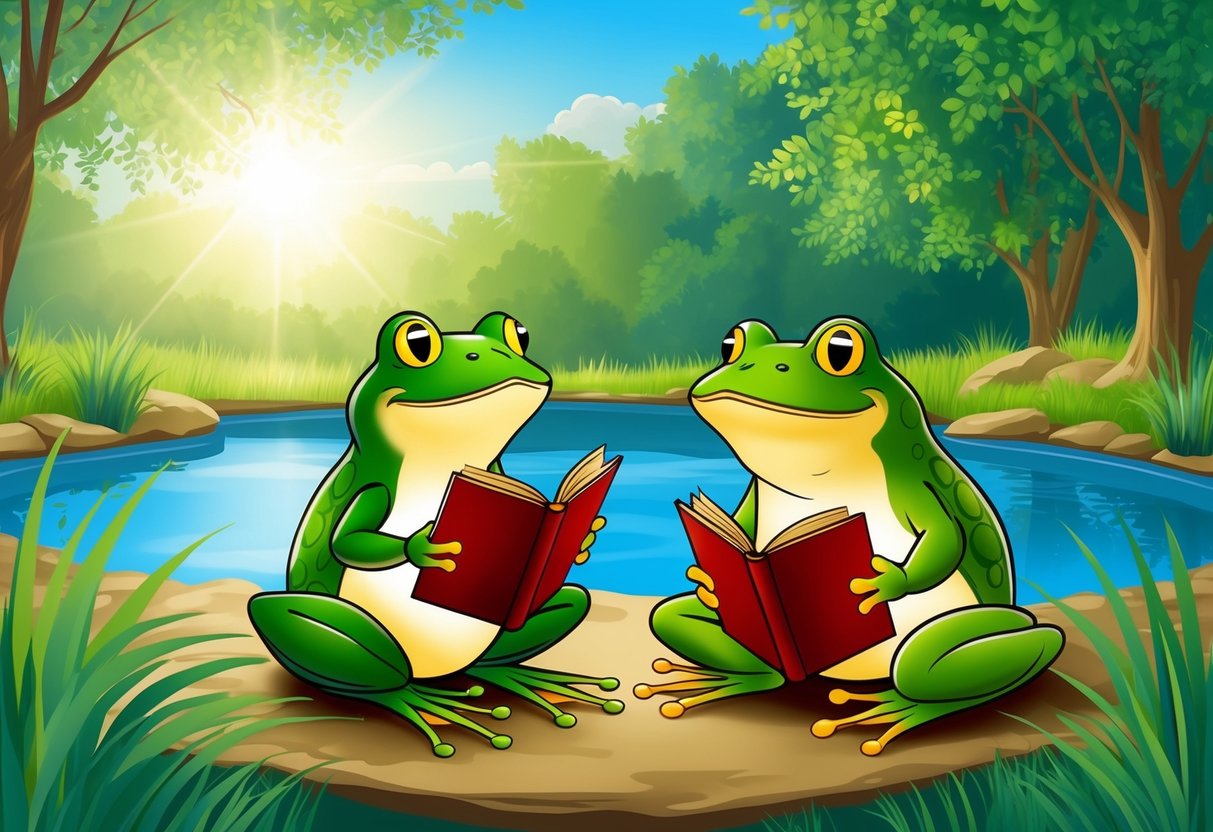
Frog and Toad stories have made their way to new mediums and inspired other works. These beloved characters continue to charm audiences beyond the pages of books.
Stage and Screen Adaptations
Frog and Toad hopped from page to stage in 2002. “A Year with Frog and Toad” debuted as a musical on Broadway. The show brought Arnold Lobel’s characters to life with songs and dance.
In 2008, Frog and Toad appeared on TV. An animated series aired on PBS Kids. It stayed true to the books’ gentle humor and friendship themes.
A stop-motion animated film is in the works. This new adaptation promises to bring Frog and Toad to a fresh generation of viewers.
Literary Influence
Frog and Toad’s impact on children’s literature is significant. Their friendship set a model for many future character duos in kids’ books.
The series showed that simple stories could tackle big themes. It paved the way for more nuanced children’s literature. Many authors cite Frog and Toad as an inspiration for their work.
The books’ artwork also influenced illustrators. Lobel’s warm, detailed style became a touchstone in the field. His approach to visual storytelling continues to inspire new artists.
Educational Impact
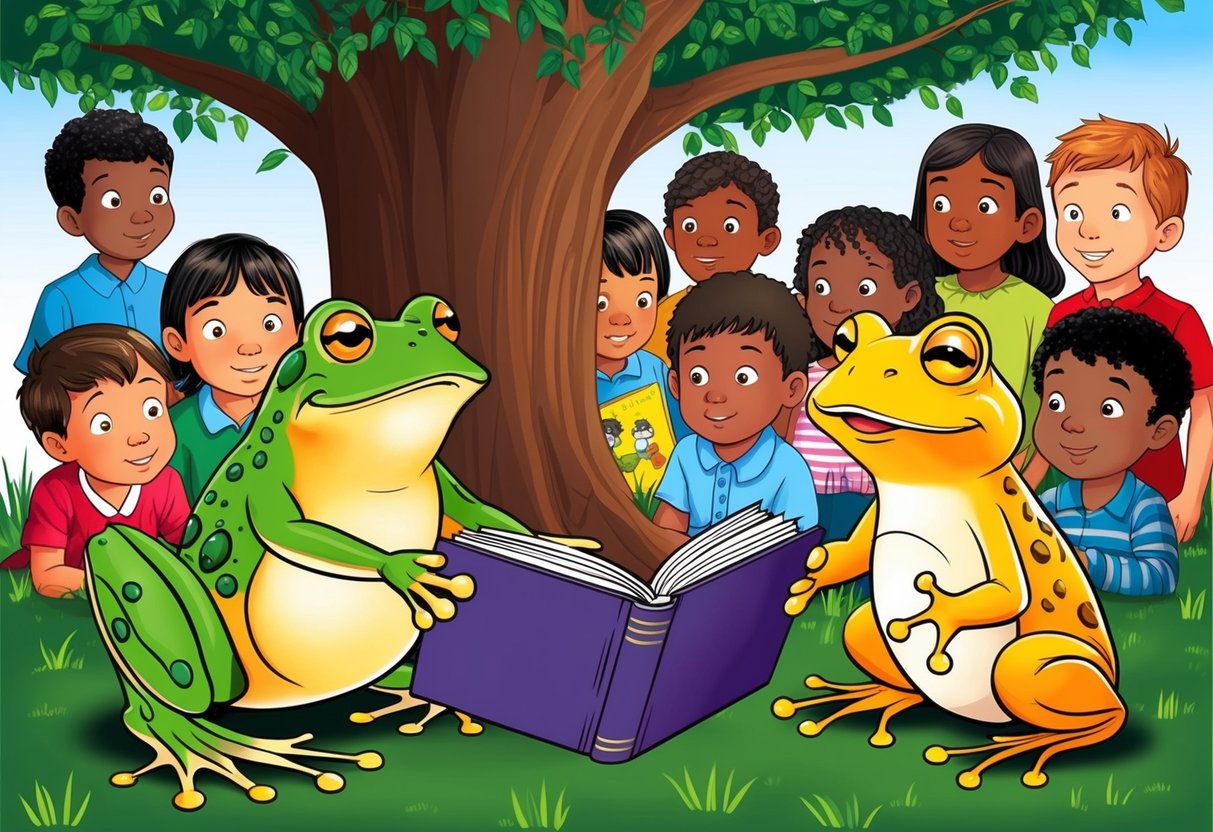
Frog and Toad stories have made a big mark in schools. Teachers use these tales to help kids learn important skills.
The books are great for teaching reading. Kids can practice with simple words and sentences. This helps them become better readers.
Friendship and social skills are also taught using Frog and Toad. The characters show how to be good friends. Kids learn about being kind and helping others.
Some teachers even use the stories for math lessons. They might count objects in the pictures or solve simple problems based on the tales.
The books teach life lessons too. Frog and Toad face challenges and learn from them. This helps kids understand how to deal with their own problems.
Many lesson plans use Frog and Toad stories. These plans cover different subjects and skills. They make learning fun for young students.
Themes and Motifs
Frog and Toad stories explore key themes that resonate with readers young and old. These tales weave important life lessons into charming adventures.
Friendship and Adventure
The bond between Frog and Toad forms the heart of their stories. These amphibian pals support each other through ups and downs. Their friendship stays strong as they face new challenges.
Frog often encourages the more anxious Toad to try new things. Together, they go on small but meaningful adventures. These may include flying kites, searching for lost buttons, or baking cookies.
Their escapades teach kids about loyalty, trust, and having fun with friends.
Growth and Learning
Frog and Toad’s tales often focus on personal growth and learning life skills. Toad struggles with self-doubt and impatience. Frog helps him overcome these issues with kindness and wisdom.
The stories tackle topics like willpower, bravery, and trying new things. For example, Toad learns to wait patiently for his seeds to grow. In another tale, he faces his fear of the dark.
These lessons help young readers understand emotions and build character. The simple plots make big ideas easy for kids to grasp. Frog and Toad’s growth inspires children to learn and improve themselves too.
Frog and Toad Species in Popular Tales
Frogs and toads have hopped their way into many beloved stories. Different species often represent unique traits or themes in literature.
Tree Frogs in Storytelling
Tree frogs are known for their bright colors and ability to climb. In stories, they often symbolize agility and cheerfulness.
The main character of “The Wind in the Willows,” Mr. Toad, is a lively and adventurous frog who loves fast cars.
Tree frogs also appear in fairy tales. They’re sometimes portrayed as magical beings that can grant wishes or transform into princes.
Their small size and quick movements make them perfect for tales of trickery and clever escapes.
In children’s books, tree frogs often teach lessons about friendship and bravery. Their ability to stick to surfaces and leap long distances inspires stories of overcoming obstacles.
Common Toads in Narratives
Common toads play important roles in many stories too. They’re often depicted as wise, patient creatures.
In the “Frog and Toad” series by Arnold Lobel, Toad is a loyal friend who balances Frog’s more adventurous nature.
Toads in literature sometimes represent transformation. The famous story “The Frog Prince” features a toad-like creature that turns into a handsome prince.
This tale explores themes of kindness and looking beyond appearances.
In some stories, toads are seen as mysterious or even magical. Their warty skin and tendency to live in dark, damp places have led to their association with witches and potions in folklore.
Contemporary Frog and Toad Stories
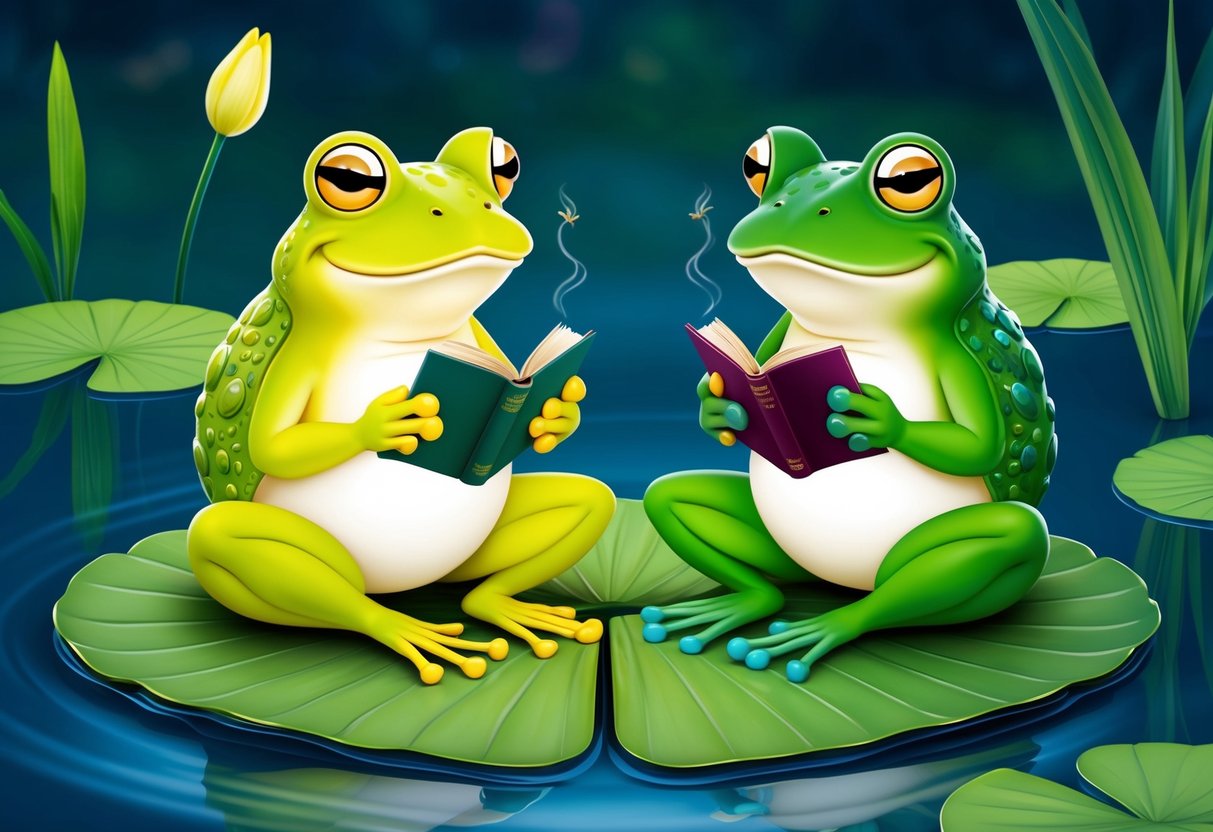
Arnold Lobel’s beloved Frog and Toad series continues to captivate readers decades after its initial publication.
The timeless tales feature two amphibian friends navigating life’s challenges together.
In recent years, these stories have experienced a resurgence in popularity. Many young adults now seek comfort in the familiar characters and their simple adventures.
Some favorite Frog and Toad stories include:
- “A Swim” – Toad’s amusing bathing suit steals the show
- “The Hat” – A heartwarming tale of friendship and gift-giving
- “Cookies” – A humorous look at willpower and temptation
These stories often blend humor with deeper themes. They explore friendship, personal growth, and everyday challenges in accessible ways.
The enduring appeal of Frog and Toad lies in their relatable experiences and genuine bond. Their adventures continue to resonate with readers of all ages.
Frequently Asked Questions

The Frog and Toad series has captured readers’ hearts with its charming tales of friendship. These beloved books feature distinct characters and themes that have made them classics in children’s literature.
What are the main plot themes in Frog and Toad stories?
Frog and Toad stories often focus on friendship, loyalty, and everyday adventures. The tales explore personal growth and problem-solving as the characters face small challenges together.
Themes like bravery, patience, and self-acceptance are common. The stories teach valuable life lessons in a gentle, humorous way.
Can you list the Frog and Toad books in the order they were published?
The Frog and Toad series consists of four main books:
- Frog and Toad Are Friends (1970)
- Frog and Toad Together (1972)
- Frog and Toad All Year (1976)
- Days with Frog and Toad (1979)
Who are the central characters in the Frog and Toad series?
The main characters are Frog and Toad, two amphibian friends. Frog is tall and thin, while Toad is short and round.
Other characters appear occasionally, but the stories mainly focus on Frog and Toad’s friendship and adventures.
Why were the Frog and Toad books challenged or banned?
There is no widely reported information about Frog and Toad books being challenged or banned. These stories are generally considered wholesome and educational for children.
The books have been praised for their positive messages about friendship and kindness.
What unique traits define Frog’s and Toad’s personalities?
Frog is typically calm, patient, and optimistic. He often helps Toad overcome his worries and fears.
Toad tends to be more anxious and prone to outbursts. He is also shy and sometimes stubborn, but always loyal to Frog.
Their contrasting personalities create humorous situations and teach valuable lessons about friendship.
Who is the author behind the Frog and Toad series?
Arnold Lobel wrote and illustrated the Frog and Toad series. He was an American author and illustrator of children’s books.
Lobel created many beloved characters, but Frog and Toad remain his most famous. His charming illustrations and storytelling brought these amphibian friends to life.