
The Impact of Parasites on Frog Populations: A Critical Ecological Concern
Frogs face many threats in the wild. These include predators, habitat loss, and disease. One often overlooked danger comes from tiny parasites that can have big impacts on frog health and populations. These parasites range from microscopic organisms to larger worms that live inside frogs.
Parasites can harm frog populations by weakening individuals, reducing reproduction, and sometimes even causing death. Some parasites specifically target frog eggs or tadpoles, hurting the next generation before they even become adults. This can lead to fewer frogs over time in affected areas.
Environmental factors like pesticides can make things worse for frogs. Some chemicals weaken frogs’ immune systems or help parasites thrive. This makes it easier for parasites to infect frogs and cause more damage.
Scientists are studying these complex relationships to better protect frogs and their habitats.
Key Takeaways
- Parasites can weaken frogs and reduce their numbers over time
- Some pesticides make it easier for parasites to harm frogs
- Understanding parasite-frog relationships is important for frog conservation
Overview of Parasitism in Amphibians
Parasites play a significant role in amphibian ecosystems. They affect frog populations in various ways, from altering behavior to impacting survival rates. Many different types of parasites infect frogs and other amphibians.
Characteristics of Amphibian Parasites
Amphibians host a wide range of parasites, including microparasites, protists, and macroparasites. Microparasites include viruses, bacteria, and fungi. Protists can be flagellates, amoebae, sporozoans, or ciliates.
Macroparasites are larger organisms like helminths, arthropods, and leeches. These parasites can live inside or outside the frog’s body.
Some parasites are host-specific, only infecting certain frog species. Others can infect multiple amphibian species. This affects how parasites spread in frog populations.
Parasites can impact frogs in different ways. Some cause minor harm, while others can be deadly. The effects often depend on the parasite type and the frog’s health.
Prevalence of Parasitic Infections in Frogs
Parasitic infections are common in amphibian populations. The rate of infection varies by species, habitat, and environmental factors. Some frog populations have high rates of parasitism, with many individuals carrying multiple parasite species.
Certain parasites are more prevalent in specific regions or habitats. For example, water-borne parasites are more common in aquatic environments. Terrestrial frogs may have different parasites than fully aquatic species.
Climate and seasonality can affect parasite prevalence. Some parasites thrive in warmer temperatures, leading to higher infection rates during summer months.
Human activities can also influence parasite prevalence. Habitat destruction and pollution can stress frogs, making them more susceptible to parasitic infections.
Effects of Parasites on Individual Frog Health
Parasites can severely impact frog health in various ways. They affect physical well-being, change behavior, and interfere with reproduction. These impacts can be far-reaching and sometimes devastating for individual frogs.
Physiological Impacts
Parasites often cause direct damage to frog organs and tissues. Helminths in the gastrointestinal tract can lead to nutrient deficiencies and weight loss. Some parasites may cause anemia by feeding on blood.
Skin infections from fungal parasites can disrupt water balance and respiration. This is especially harmful since frogs breathe partly through their skin.
Parasitic infections can weaken the frog’s immune system. This makes them more vulnerable to other diseases and environmental stressors.
In severe cases, parasite infestations may lead to organ failure or death. The extent of damage often depends on the parasite species and infection intensity.
Behavioral Changes
Parasites can alter frog behavior in surprising ways. Infected frogs may become less active or show reduced feeding behavior. This can result from the energy drain caused by parasites.
Some parasites affect the frog’s nervous system. This can lead to unusual movements or impaired reflexes. Such changes may make frogs more vulnerable to predators.
Parasites might also influence habitat choice. Infected frogs may seek different environments to cope with parasite effects. For example, they might choose warmer areas to fight off infections.
Social behaviors can change too. Infected frogs may isolate themselves or have trouble attracting mates. These behavioral shifts can impact survival and reproduction.
Reproductive Consequences
Parasites can significantly affect frog reproduction. They often reduce the energy available for breeding activities. This can lead to fewer or lower-quality eggs being produced.
Male frogs may have decreased sperm production or altered mating calls. Female frogs might delay spawning or produce smaller clutches of eggs.
Some parasites directly damage reproductive organs. This can cause temporary or permanent infertility in severe cases.
Parasites can also be passed from parent to offspring. This vertical transmission can affect the health of the next generation. It may reduce tadpole survival rates and growth.
Host-parasite interactions during breeding seasons can be especially impactful. High stress and close contact may increase parasite spread among breeding populations.
Population-Level Consequences
Parasites can have far-reaching effects on frog populations. These impacts range from population declines to changes in genetic makeup. The consequences often extend beyond individual frogs, shaping entire ecosystems.
Population Decline and Extirpation
Parasites can cause severe population declines in frogs. In some cases, entire local populations may disappear. This process is called extirpation.
Certain parasites affect frog development. They can cause deformities that make it hard for frogs to survive. These deformed frogs often can’t escape predators or find food.
Some parasites also weaken the frogs’ immune systems. This makes them more likely to get sick from other causes. Over time, this can lead to fewer frogs in an area.
Altered Population Dynamics
Parasites change how frog populations grow and shrink over time. They can affect birth rates, death rates, and how frogs move between different areas.
Infected frogs may have trouble finding mates or laying eggs. This leads to fewer baby frogs being born each year. Parasites can also kill young frogs before they grow up.
Some parasites make frogs easier for predators to catch. This increases death rates in the population. These changes can upset the balance of the whole ecosystem.
Impact on Genetic Diversity
Parasites can affect the genes of frog populations. When many frogs die from parasites, the survivors may have less genetic variety.
Some frogs might have genes that help them resist parasites. These frogs are more likely to survive and have babies. Over time, this can change the genetic makeup of the whole population.
Less genetic diversity can be bad for frogs. It may make them less able to adapt to new threats in the future. This could make frog populations more fragile in the long run.
Ecosystem Implications
Parasites in frog populations can have far-reaching effects on ecosystem health and food web dynamics. These tiny organisms play a big role in shaping natural systems.
Changes in Ecosystem Health
Parasites can alter frog behavior and survival rates. This impacts ecosystem processes. When parasites reduce frog numbers, it can lead to changes in nutrient cycling.
Frogs eat insects and other small animals. With fewer frogs, these prey populations may grow unchecked.
Parasite-infected frogs may be easier for predators to catch. This can boost predator populations. It can also change how energy flows through the ecosystem.
Some parasites make frogs spend more time in water. This can increase nutrient input to aquatic systems.
Altered Food Web Interactions
Parasites can change how frogs interact with other species. This reshapes food webs. Infected frogs may eat less, allowing their prey to thrive. Or they may become easy meals for predators, helping those populations grow.
Some parasites have complex life cycles involving multiple hosts. This creates new links in the food web. For example, a parasite might move from snails to frogs to birds. Each step affects species interactions.
Parasites can even impact plants. If frogs eat fewer insects, plant-eating bug populations may rise. This can reduce plant growth and change the plant community.
Parasite Transmission and Life Cycles
Parasites that infect frogs have different ways of spreading and completing their life cycles. These methods affect how easily parasites can move between hosts and survive in the environment.
Direct vs. Indirect Life Cycles
Some frog parasites have direct life cycles. They spread straight from one frog to another without needing other hosts. For example, some worms lay eggs that frogs eat directly.
Other parasites have indirect life cycles. They need one or more intermediate hosts before infecting frogs. Trematode parasites often use snails as their first host. The parasite then moves to a frog when it eats the snail.
Indirect cycles can be complex. Some parasites need three or more different hosts to complete their life cycle. This makes them more vulnerable to changes in the environment.
Environmental Factors Influencing Transmission
Many things in nature affect how easily parasites spread to frogs. Temperature is very important. Warmer water often helps parasites grow and multiply faster.
Water quality also matters. Polluted water can weaken frogs’ immune systems, making them easier targets for parasites. But some pollutants might also harm the parasites themselves.
Changes in frog population size can impact parasite spread. When frogs are crowded, parasites may spread more easily. But if there are too few frogs, some parasites might die out.
Habitat changes like cutting down forests can force frogs into smaller areas. This crowding can lead to more parasite infections.
Role of Environmental Changes
Environmental changes significantly affect parasite-frog interactions. These changes can alter habitats and climate conditions, leading to shifts in parasite prevalence and frog populations.
Habitat Destruction and Parasite Spread
Habitat destruction plays a key role in parasite spread among frog populations. When natural habitats are altered, it can force frogs into smaller areas. This crowding increases contact between infected and uninfected individuals.
Deforestation and urbanization often lead to water pollution. Polluted water bodies can harbor more parasites, increasing infection rates in frogs. Some pollutants weaken frogs’ immune systems, making them more susceptible to parasitic infections.
Changes in land use can also introduce new parasite species to frog habitats. This can expose frog populations to parasites they have not evolved defenses against.
Climate Change and Parasitic Dynamics
Climate change affects the relationship between frogs and their parasites in several ways. Rising temperatures can speed up parasite life cycles, potentially leading to more infections.
Warmer conditions may allow some parasites to survive in new areas. This expands their range and puts previously unaffected frog populations at risk. Changes in rainfall patterns can also impact parasite transmission.
Extreme weather events, which are becoming more common due to climate change, can stress frog populations. Stressed frogs are often more vulnerable to parasitic infections. Climate shifts may also alter frog development rates, affecting their ability to cope with parasites.
Conservation Strategies
Protecting frog populations from parasites requires a multi-faceted approach. Two key strategies focus on preserving habitats and managing parasite levels directly.
Habitat Protection and Restoration
Habitat conservation is vital for frog survival. Efforts include:
- Creating protected areas and wildlife reserves
- Restoring wetlands and ponds
- Maintaining water quality in frog habitats
- Reducing pollution and chemical runoff
These actions help frogs stay healthy and resist parasites. Clean, natural environments allow frogs to thrive and reproduce.
Connecting fragmented habitats is also important. Wildlife corridors let frogs move between areas. This helps maintain genetic diversity and allows populations to adapt to changes.
Parasite Management and Control
Controlling parasites directly can protect frog populations. Methods include:
- Regular monitoring of parasite levels in wild frog populations
- Treating infected frogs in captivity or managed areas
- Introducing natural predators of parasites
- Developing vaccines for key parasitic diseases
Scientists are working on new ways to fight parasites. Some research looks at using helpful bacteria to boost frog immunity.
Education is crucial too. Teaching people about frog conservation helps reduce the spread of parasites. Simple steps like cleaning boots between hikes can make a big difference.
Future Research Directions
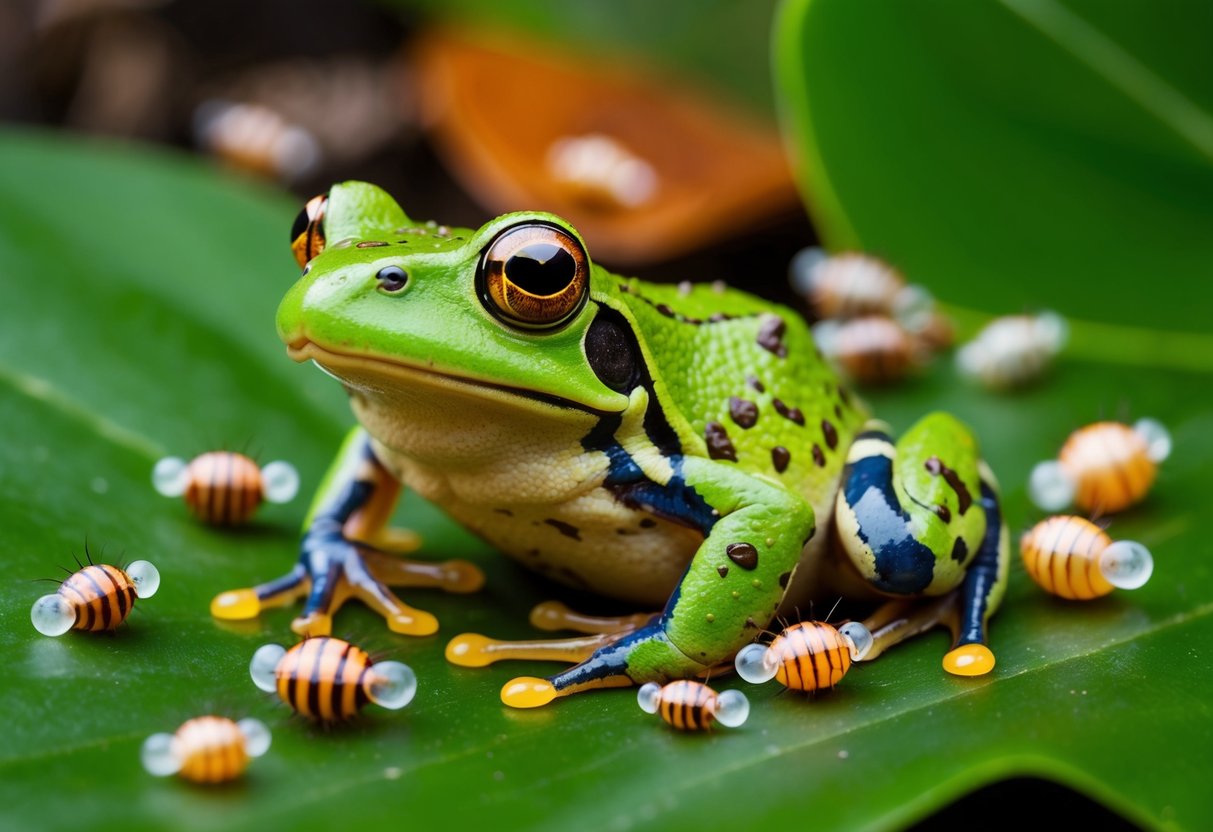
More study is needed on emerging threats and new methods to understand parasites in frogs. Better tools could help spot problems early and protect frog populations.
Emerging Parasitic Threats
Myxosporean parasites have been found in Australian frogs for over 100 years. Yet we know little about how they affect frog populations. Research should focus on finding new parasites that may harm frogs.
Climate change could bring parasites to new areas. Scientists need to track how this impacts frogs in different regions. They should also study how pollution and habitat loss make frogs more open to parasite attacks.
Researchers must look at how parasites spread between frog species. This can show which frogs are at most risk. It may also reveal how parasites jump to new hosts.
Innovations in Parasitology and Ecology
New tech can improve how we find and study frog parasites. DNA tests can spot parasites faster than old methods. This lets scientists check more frogs and catch problems early.
3D imaging could map how parasites move through frog bodies. This may show weak points where treatment could work best.
Tracking total parasite density in frog groups is key. It can reveal how parasites impact whole frog communities, not just single frogs.
Eco-friendly treatments need more study. These could kill harmful parasites without hurting frogs or their homes. Testing natural compounds from plants or other animals might lead to new cures.
Frequently Asked Questions
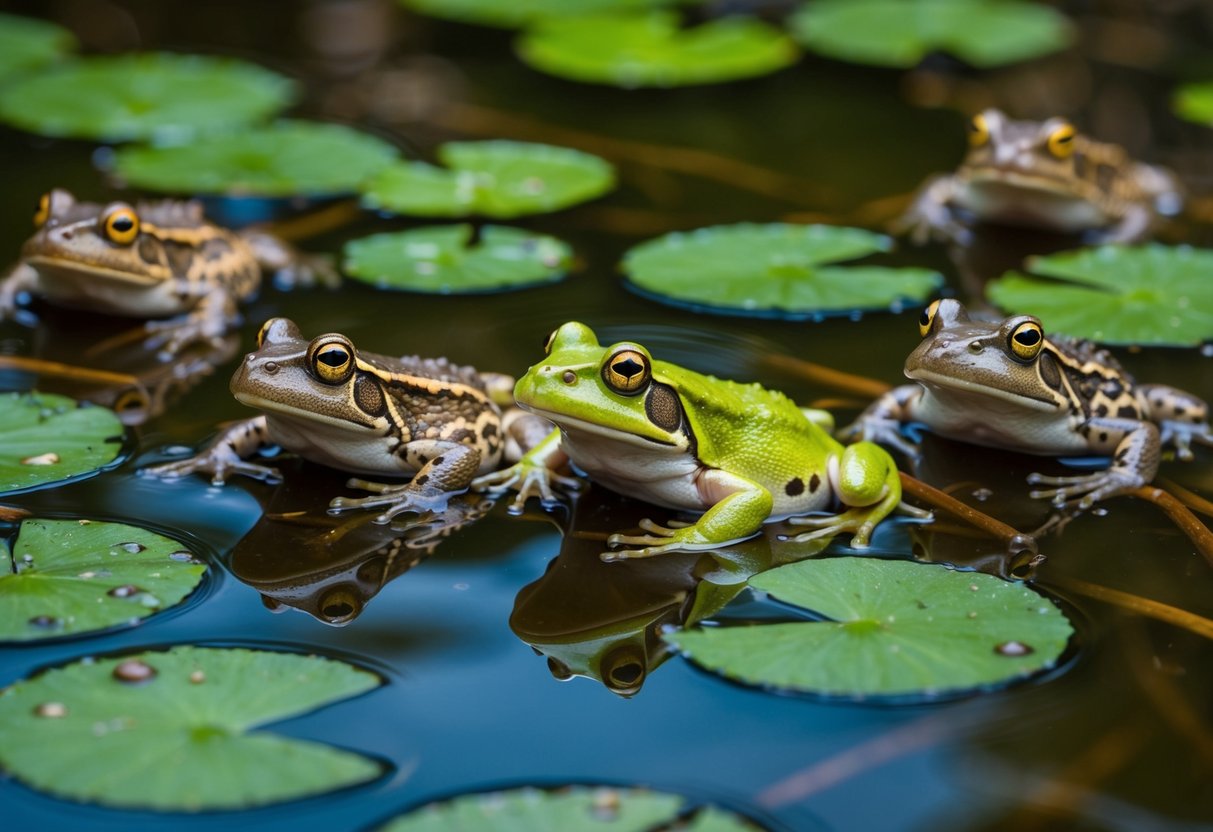
Parasites significantly impact frog populations through various mechanisms. These include effects on survival, reproduction, and immune responses. Current research explores treatment options and the broader ecological implications of frog-parasite relationships.
How do parasites influence the survival rates of frog species?
Parasites can reduce frog survival rates by weakening their hosts. They often deplete energy reserves and damage vital organs.
Some parasites make frogs more vulnerable to predators. For example, certain trematodes cause limb deformities, making it harder for frogs to escape threats.
What are the effects of parasitic infections on the reproductive success of frogs?
Parasitic infections can lower frog reproductive success. They may decrease egg production in females or sperm quality in males.
Some parasites alter frog mating behaviors. This can lead to fewer successful matings and reduced offspring.
In what ways are frog immune responses affected by parasitic invasions?
Parasites can suppress frog immune systems, making them more susceptible to other diseases. This immune suppression may be especially harmful when combined with environmental stressors.
Some frogs evolve stronger immune responses to fight parasites. But this can come at a cost, as seen in wood frogs that became more vulnerable to viruses after adapting to pesticides.
What treatments are available to manage parasitic infections in frog populations?
Antiparasitic drugs can be used to treat captive frogs. However, treating wild populations is challenging.
Habitat management can help reduce parasite loads. This includes maintaining clean water sources and controlling intermediate hosts.
How does the presence of parasites in frogs indicate broader ecological health?
Frogs are often considered indicator species. High parasite loads in frogs may signal ecosystem imbalances or pollution.
Some parasites have complex life cycles involving multiple host species. Their presence can reveal information about local biodiversity and food web structures.
What research has been conducted on the co-evolution of frogs and their parasites?
Scientists study how frogs and parasites adapt to each other over time. This research helps explain why some frog species are more resistant to certain parasites.
Recent studies have explored how environmental changes affect frog-parasite relationships. This includes the impact of invasive species on native frog-parasite dynamics.