
The Study of Amphibian Genetics: Unveiling Evolutionary Secrets
Amphibian genetics is a fascinating field that helps us understand these unique creatures better. Scientists study the DNA of frogs, salamanders, and other amphibians to learn about their evolution, biology, and conservation needs. This research is crucial for protecting amphibian species. Many of them face threats from habitat loss, disease, and climate change.

Amphibians are excellent models for studying genetics in wild populations. They live in diverse ecosystems and are easy to sample during breeding seasons.
By looking at genetic patterns, researchers can figure out how amphibian populations are connected and how they adapt to their environments.
Genetic studies also help with amphibian conservation efforts. They reveal which populations need the most protection and guide breeding programs for endangered species. As amphibians continue to decline globally, this knowledge becomes even more important for their survival.
Key Takeaways
- Amphibian genetics research aids in conservation and understanding species evolution
- Genetic tools help study population structures and adaptations in wild amphibians
- DNA analysis guides breeding programs and protection strategies for endangered amphibians
Fundamentals of Amphibian Genetics
Amphibian genetics involves the study of gene structure, variation, and inheritance patterns in frogs, salamanders, and caecilians. These unique vertebrates display diverse genetic traits that shape their evolution and adaptation.
Genome Structure and Organization
Amphibians have varying genome sizes, with some salamanders possessing the largest known vertebrate genomes. Their DNA is organized into chromosomes, which carry genes responsible for different traits.
Most amphibians have a diploid set of chromosomes, meaning they inherit one copy from each parent. The number of chromosomes varies among species. For example, many frogs have 26 chromosomes, while some salamanders have over 100.
Amphibian genomes contain both coding and non-coding DNA regions. Coding regions make up genes that produce proteins, while non-coding areas may play roles in gene regulation.
Genetic Variation and Evolution
Genetic variation in amphibians arises from mutations, recombination, and gene flow between populations. This diversity is crucial for adaptation and survival in changing environments.
Amphibians show high levels of genetic diversity within and between populations. Factors like habitat fragmentation and population size affect genetic variation.
Natural selection acts on genetic variations, leading to the evolution of new traits. For instance, some frog species have evolved resistance to deadly fungal infections.
Researchers use genetic markers to study amphibian population structure and gene flow. This information helps in conservation efforts for endangered species.
Mendelian Inheritance in Amphibians
Amphibians follow Mendelian inheritance patterns for many traits. This means certain characteristics are passed down from parents to offspring in predictable ways.
Key Mendelian concepts in amphibians include:
- Dominant and recessive alleles
- Independent assortment of genes
- Segregation of alleles during gamete formation
Some amphibian traits, like skin color in certain frog species, show simple Mendelian inheritance. Others may involve multiple genes or environmental influences.
Genetic crosses and breeding experiments help scientists understand inheritance patterns in amphibians. This knowledge is valuable for both research and conservation breeding programs.
Amphibian Model Organisms
Amphibians play a vital role in genetic research. Their unique traits make them ideal subjects for studying development and regeneration.
Xenopus for Developmental Studies
Xenopus frogs are key model organisms in developmental biology. They have large, abundant eggs that are easy to work with. Scientists can easily manipulate Xenopus embryos, which grow outside the mother’s body.
These frogs help researchers study how genes control early growth. Their eggs and embryos are clear, letting scientists watch cells divide and organs form. This makes it simple to track how changing genes affects development.
Xenopus has aided research in many fields. It has helped scientists learn about cell division, organ formation, and birth defects. The frogs have also been useful in toxicology studies, showing how chemicals affect growing embryos.
Axolotl Regeneration Research
Axolotls are salamanders known for their amazing ability to regrow body parts. They can regenerate limbs, organs, and even parts of their brain and heart. This makes them perfect for studying how animals heal and regrow tissue.
Scientists use axolotls to learn about the genes involved in regeneration. They look at which genes turn on when an axolotl regrows a limb. This research could help humans heal better from injuries or illnesses.
Axolotls also stay in a larval form their whole lives. This trait, called neoteny, lets researchers study how development and regeneration are linked. The axolotl’s ability to regrow complex structures makes it a valuable tool in genetic and medical research.
Genetic Tools and Techniques
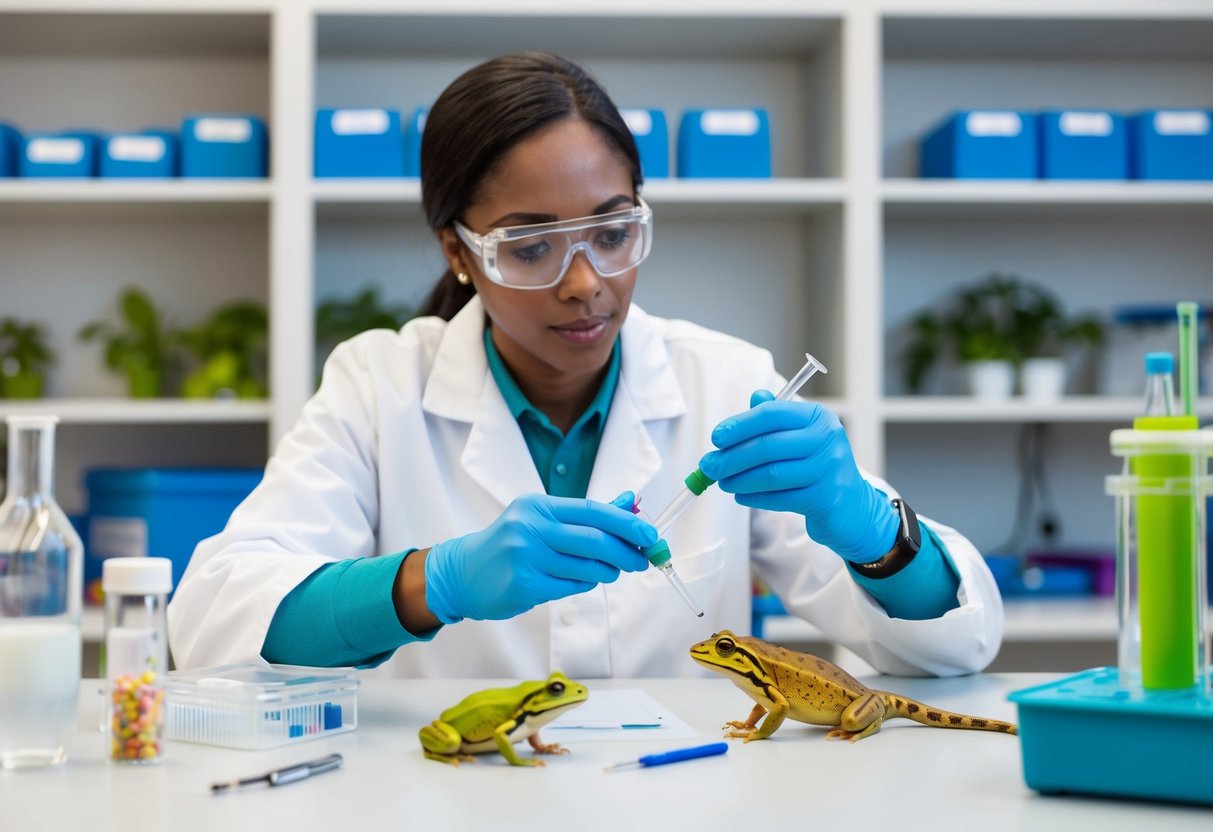
Scientists use many advanced methods to study amphibian genetics. These tools help researchers learn about DNA, modify genes, and create special animal models. Let’s explore some key techniques.
DNA Sequencing and Genotyping
DNA sequencing reveals the exact order of genetic building blocks in amphibians. This method helps identify species and study their evolution. Genotyping looks at specific DNA markers to tell animals apart.
Scientists use these tools to:
- Track rare frogs and salamanders
- Study how groups of amphibians are related
- Find out if populations are healthy or at risk
New machines can read DNA very fast. This lets researchers look at many animals quickly. They can even test water samples to find out what amphibians live nearby.
Crispr-Cas9 Genome Editing
Crispr-Cas9 is a powerful tool that can change amphibian DNA. Scientists use it to:
- Add or remove genes
- Study how genes work
- Make amphibians resistant to diseases
This method is very precise. It can target exact spots in the DNA. Researchers hope it might help save endangered species one day.
Transgenic and Knockout Models
These models are amphibians with changed genes. Transgenic animals have new genes added. Knockout models have genes turned off.
Scientists use these special amphibians to:
- Learn how bodies grow and work
- Test new medicines
- Study diseases
For example, they might make frogs with glowing skin to watch how organs form. Or they could remove a gene to see what it does.
These models help researchers understand amphibian biology better. This knowledge can lead to new ways to protect these animals in the wild.
Genetics of Amphibian Conservation
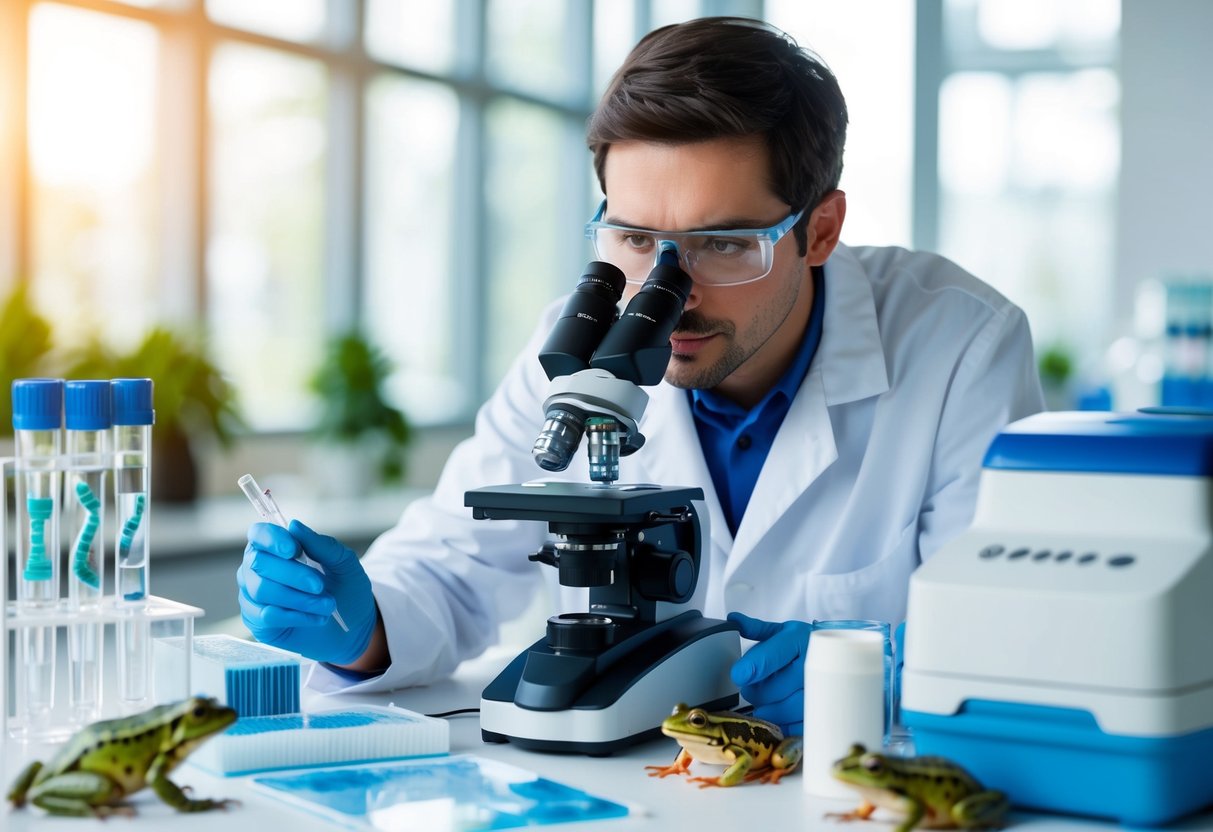
Amphibian conservation efforts rely heavily on genetic studies. These studies help scientists understand population structures and how habitat changes affect amphibian species. Genetic information guides conservation strategies to protect these vulnerable animals.
Population Genetics for Conservation Biology
Amphibians make excellent models for studying wild animal genetics. They are widespread in many ecosystems and gather in large numbers to breed. This makes it easy for researchers to collect DNA samples.
Population genetic studies reveal important details about amphibian groups. They show how closely related different populations are. They also measure genetic diversity within populations.
This information helps conservationists make smart choices. They can identify which populations need the most protection. They can also plan breeding programs to boost genetic diversity in at-risk groups.
Genetic Impact of Habitat Loss and Change
Habitat destruction is a major threat to amphibians. It can cut off different groups from each other. This stops them from breeding and sharing genes.
Landscape genetics approaches help scientists study these effects. They look at how land changes impact gene flow between amphibian populations. This shows which habitat features are most important for keeping populations connected.
Scientists use this data to design better conservation plans. They can create wildlife corridors to link isolated groups. They can also focus on protecting key areas that allow amphibians to move and breed freely.
Disease and Immunity Genetics
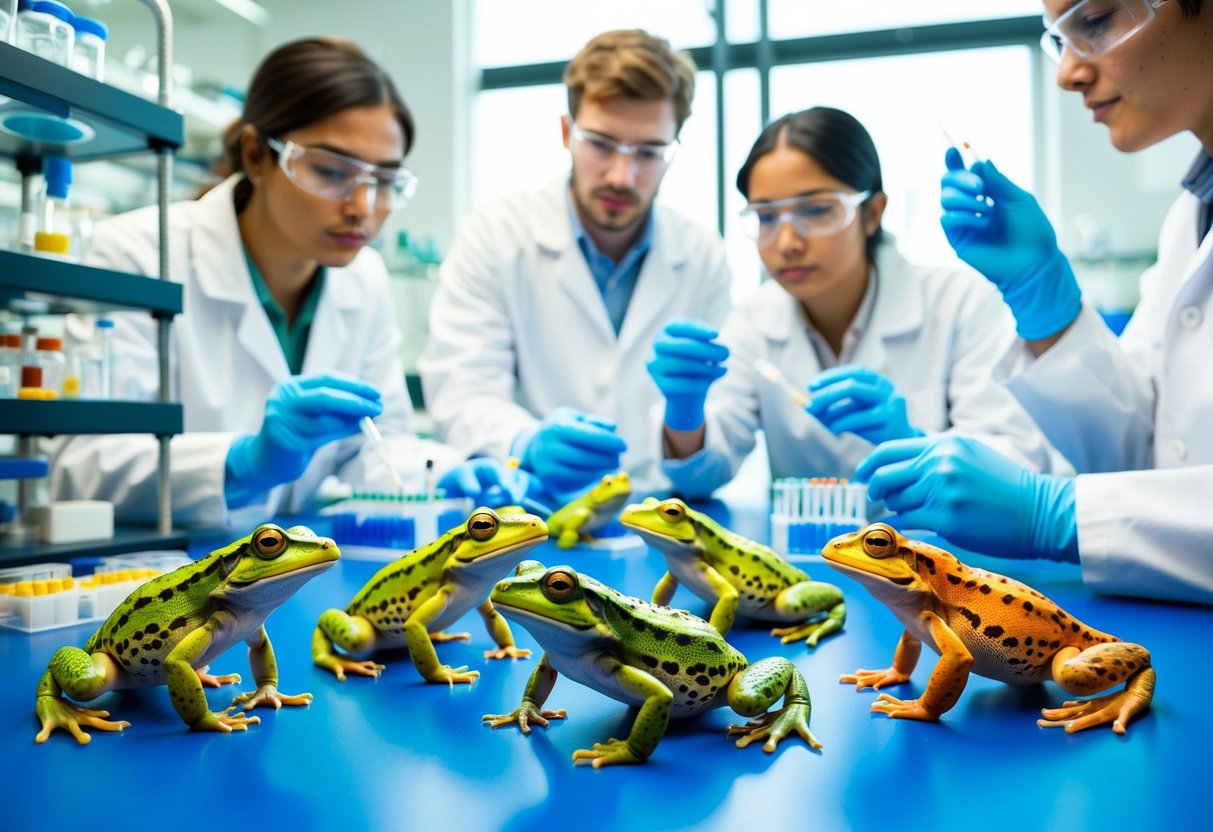
Genetic factors play a crucial role in amphibian disease resistance and immune system function. Certain genetic traits can make some amphibians more resilient to diseases, while others may increase vulnerability.
Chytridiomycosis and Genetic Resistance
Chytridiomycosis is a deadly fungal disease affecting amphibians worldwide. Some amphibian species show genetic resistance to this disease. Research has identified specific genes that contribute to this resistance.
For example, studies on the African clawed frog (Xenopus laevis) have revealed genetic markers linked to chytrid fungus resistance. These markers are associated with skin peptides that can inhibit fungal growth.
In other amphibian species, genetic variations in Major Histocompatibility Complex (MHC) genes have been linked to increased survival rates against chytridiomycosis. MHC genes play a key role in immune system function.
Immune System Genetics in Amphibians
The amphibian immune system shares many features with that of mammals, but also has unique aspects. Genetic studies have shed light on these similarities and differences.
Amphibians possess both innate and adaptive immune systems. The genes controlling these systems are highly conserved across vertebrate species. This conservation allows researchers to use amphibians as model organisms for studying immune system evolution.
Recent research has focused on the genetic basis of antimicrobial peptides in amphibian skin. These peptides are a crucial first line of defense against pathogens. Studies have identified multiple genes involved in the production and regulation of these protective compounds.
Environmental factors can also influence amphibian immunity genes. For instance, stress and environmental changes can alter gene expression patterns related to immune function. This interaction between genetics and environment is an important area of ongoing research in amphibian immunology.
Development and Metamorphosis
Amphibian development involves complex genetic processes that control growth and transformation. Thyroid hormones play a key role in regulating metamorphosis, while various genes influence the timing of this dramatic change.
Thyroid Hormone and Genetic Control
Thyroid hormone is essential for amphibian metamorphosis. It triggers widespread changes in gene expression throughout the body. Thyroid hormone receptors (TRs) are crucial for this process.
TRs have dual functions during development. In early stages, they repress certain genes. Later, they activate genes needed for metamorphosis. This switch is controlled by thyroid hormone levels.
Specific genes respond differently to thyroid hormone. Some activate quickly, while others take longer. This creates a cascade of changes in various tissues and organs.
Genetic Regulation of Metamorphic Timing
The timing of metamorphosis is influenced by multiple genetic factors. Environmental cues and body condition also play a role. The neuroendocrine system integrates these signals.
Key genes involved in metamorphic timing include:
- Corticotropin-releasing factor (CRF)
- Thyroid-stimulating hormone (TSH)
- Deiodinase enzymes
These genes help control thyroid hormone production and activity. Variations in these genes can lead to differences in metamorphosis timing between species and individuals.
Recent genetic studies have revealed more about the complex network of genes involved in metamorphosis. This research helps explain the diversity of life cycles seen in different amphibian species.
Ecogenetics
Amphibian ecogenetics explores how genes interact with environmental factors. This field examines genetic adaptations to stressors and population dynamics in changing habitats.
Adaptation to Environmental Stressors
Amphibians face many environmental challenges. Their genes play a key role in how they cope. For example, some frogs have genetic variants that help them resist diseases. These variants can make them more likely to survive outbreaks.
Climate change also puts pressure on amphibians. Certain genes allow some species to withstand higher temperatures or drier conditions. Scientists study these adaptations to understand how amphibians might fare as the climate shifts.
Pollution is another major stressor. Some amphibians have evolved genes that help them detoxify pollutants. This genetic resilience varies among populations and species.
Gene Flow and Genetic Drift in Variable Habitats
Amphibian habitats often change over time. This affects how genes move between populations. When habitats fragment, gene flow can decrease. This may lead to inbreeding and reduced genetic diversity.
Genetic drift becomes more powerful in small, isolated populations. It can cause the loss of rare alleles. This process shapes the genetic makeup of amphibian groups.
Seasonal changes also influence gene flow. Many amphibians migrate to breed. These movements help mix genes between different areas. However, barriers like roads can disrupt this process.
Researchers use genetic markers to track these patterns. This information helps guide conservation efforts for threatened amphibian species.
Reproductive Genetics

Amphibian reproductive genetics involves complex mechanisms that determine sex and influence breeding behaviors. These processes play a crucial role in species survival and evolution.
Sex Determination Mechanisms
Amphibians show diverse sex determination systems. Some species use genetic factors, while others rely on environmental cues.
The discovery of the bod1l gene sheds light on the genetic basis of sex determination in certain amphibians. This gene has been identified as a potential sex-determining locus.
Many amphibians exhibit sex chromosomes, similar to mammals. However, these chromosomes can be difficult to detect due to their small size and similarity to other chromosomes.
Environmental factors like temperature can also influence sex determination in some amphibian species. This flexibility allows populations to adapt to changing conditions.
Genetics of Breeding Systems and Behaviors
Amphibians display a wide range of reproductive modes and life cycles. These variations are governed by complex genetic interactions.
Some species have aquatic larvae, while others undergo direct development. The genetic basis for these different developmental pathways involves multiple genes and regulatory networks.
Mating behaviors in amphibians are often genetically influenced. Traits such as call characteristics in frogs and courtship displays in salamanders have a hereditary component.
Genetic factors also play a role in parental care behaviors. Some species exhibit elaborate care strategies, from egg guarding to carrying tadpoles on their backs.
The evolution of these diverse breeding systems has been shaped by natural selection, adapting to various ecological niches and environmental pressures.
Genetics in Amphibian Decline and Recovery Plans
Genetic factors play a crucial role in both the decline of amphibian species and efforts to recover their populations. These factors impact species’ resilience and adaptability in changing environments.
Role of Genetics in Species Decline
Genetic diversity is key to amphibian survival. Low genetic variation makes populations more vulnerable to diseases and environmental changes. Amphibian declines globally have highlighted the importance of genetics in conservation.
Inbreeding can lead to reduced fitness and increased susceptibility to threats. Small, isolated populations often face genetic bottlenecks, limiting their ability to adapt to new challenges.
Genetic studies help identify at-risk populations. They reveal how habitat fragmentation affects gene flow between amphibian groups. This information guides conservation strategies to maintain genetic health.
Genetic Considerations in Reintroduction Efforts
Reintroduction programs must consider genetic factors to succeed. Selecting genetically diverse individuals for release increases the chances of establishing a healthy population.
Scientists use genetic data to choose suitable release sites. They match the genetic makeup of reintroduced animals to local conditions. This approach improves survival rates and long-term viability.
Molecular genetics techniques help monitor reintroduced populations. They track genetic diversity over time and detect potential inbreeding issues. This allows for timely interventions to maintain genetic health.
Captive breeding programs focus on preserving genetic diversity. They carefully manage breeding pairs to minimize inbreeding and maintain rare alleles. This ensures reintroduced populations have the genetic tools to adapt and thrive.
Frequently Asked Questions
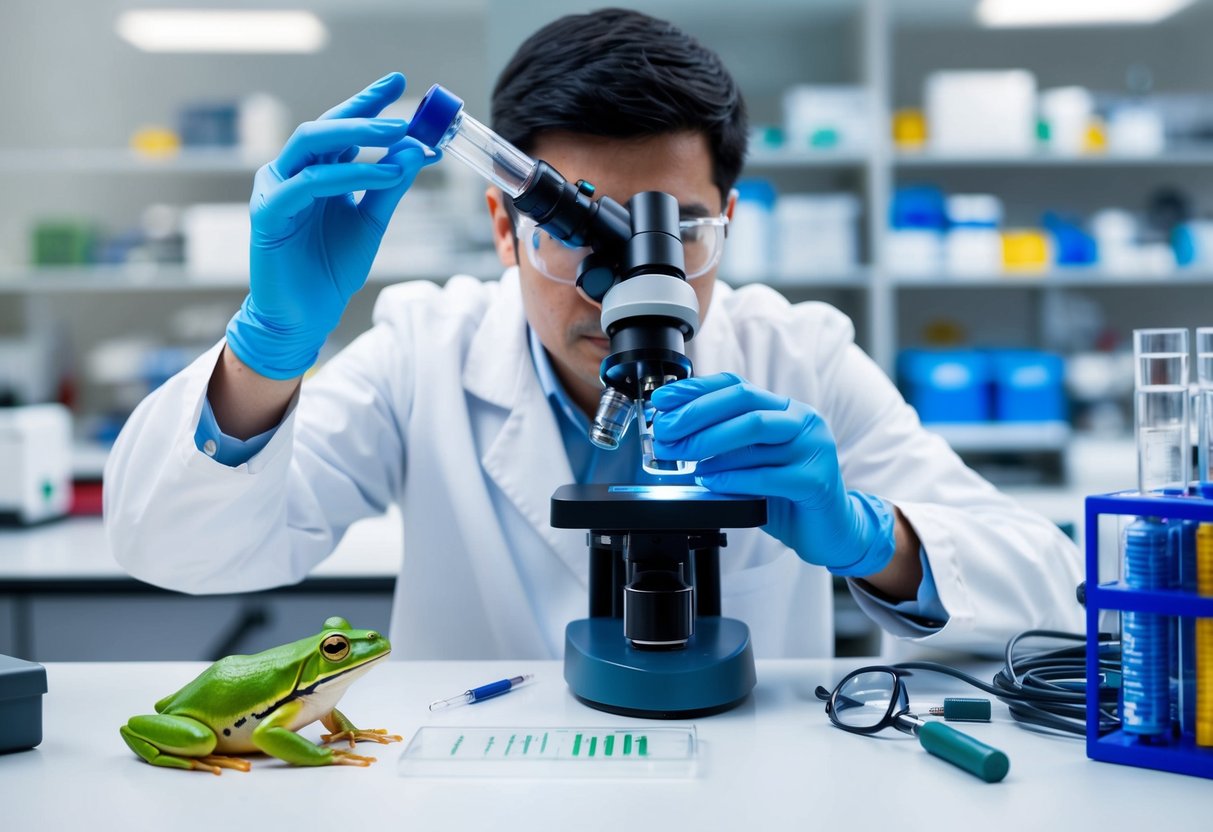
Genetics play a crucial role in shaping amphibian traits, populations, and conservation efforts. Understanding genetic factors helps explain physical characteristics, mutations, and responses to environmental changes in these diverse creatures.
How do genetics influence the physical characteristics of amphibians?
Genetics determine many physical traits in amphibians, such as skin color, body size, and limb structure. Amphibian population genetic studies have shown that certain genes control pigmentation patterns, resulting in varied coloration among species and individuals.
Some genetic variations affect amphibian anatomy, like the number of toes or the shape of the skull. These traits can be inherited and passed down through generations, shaping the appearance of different amphibian populations.
What are the common genetic mutations found in amphibian populations?
Albinism is a well-known genetic mutation in amphibians, causing a lack of pigmentation. This condition results from mutations in genes responsible for melanin production.
Another common mutation affects limb development, leading to extra or missing digits. These mutations can occur spontaneously or be inherited from parent amphibians.
How do environmental changes impact the genetic diversity of amphibians?
Environmental changes can significantly affect amphibian genetic diversity. Habitat fragmentation may lead to isolated populations, reducing gene flow and increasing inbreeding.
Climate change can also impact genetic diversity by altering breeding patterns and survival rates. This may result in the loss of certain genetic variants within amphibian populations.
What techniques are used to study genetic variation in amphibians?
Scientists use DNA sequencing to analyze genetic variation in amphibians. This method allows researchers to identify specific genes and compare them across individuals and populations.
Microsatellite markers are another tool used to study amphibian genetics. These short DNA sequences help scientists measure genetic diversity and track population structure.
How does genetic inheritance affect amphibian development and metamorphosis?
Genetic inheritance plays a key role in amphibian development and metamorphosis. Specific genes control the timing and progression of metamorphosis, determining when tadpoles transform into adult frogs.
Certain inherited genetic traits can influence growth rates and the ability to adapt to different environments during development. These factors can affect an amphibian’s chances of survival to adulthood.
What role do genetics play in the conservation of endangered amphibian species?
Genetics are crucial in amphibian conservation efforts. Understanding genetic diversity helps conservationists identify at-risk populations. It also helps them develop breeding programs to maintain genetic variability.
Genetic studies can also reveal unique adaptations in endangered species. This guides conservation strategies to protect these valuable traits. By preserving genetic diversity, scientists aim to improve the resilience of amphibian populations facing environmental challenges.