
Tips For Photographing Frogs And Toads In The Wild: Capture Nature’s Amphibians
Frogs and toads are fascinating subjects for wildlife photography. Their unique shapes, colors, and behaviors make for captivating images. Taking great photos of these amphibians in the wild requires some special skills and techniques.
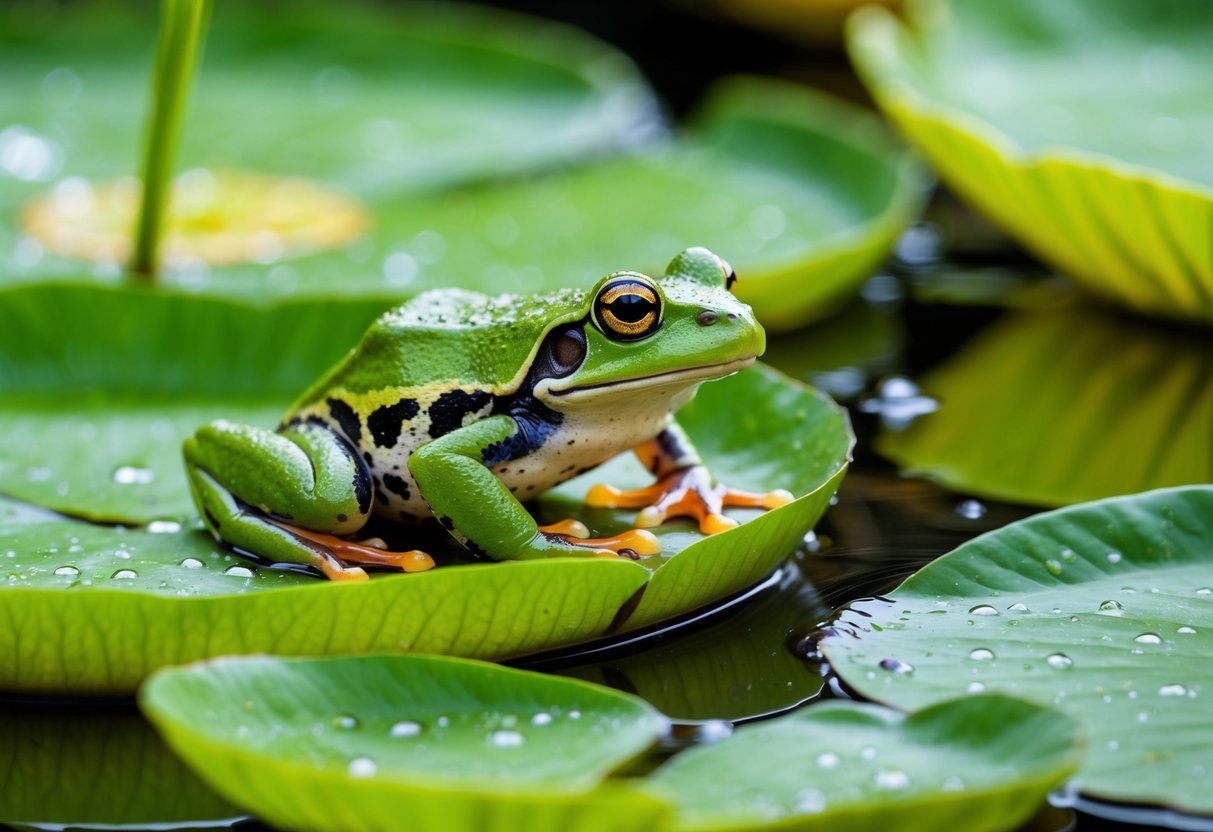
The key to capturing stunning frog and toad photos is using the right equipment, camera settings, and approach.
A macro lens allows you to get up close while maintaining a safe distance. Using a wide aperture creates a pleasing blurred background. Slow, quiet movements help avoid startling your subject.
Lighting is crucial for frog photography. A diffused flash or reflector can bring out textures and colors. Positioning yourself carefully allows you to find flattering angles that showcase the frog’s eyes and face. With practice, you can create eye-catching images that highlight the beauty of these amazing creatures.
Key Takeaways
- Use macro lenses and wide apertures for striking close-up shots
- Move slowly and quietly to avoid disturbing frogs and toads
- Apply diffused lighting to enhance colors and textures
Understanding Frogs and Toads
Frogs and toads have unique features that influence how to photograph them. Their bodies, habitats, and behaviors shape the best approaches for capturing images.
Physical Characteristics
Frogs have smooth, moist skin and long legs for jumping. Toads have dry, bumpy skin and shorter legs. Both have big eyes that stick out on top of their heads. This gives them a wide view to spot food and threats.
Frogs come in many colors and patterns. Some are bright green or red. Others are brown or spotted to blend in. Toads are often brown or gray to match dirt and rocks.
Their size varies a lot. Tiny poison dart frogs are less than an inch long. Giant bullfrogs can be over 8 inches. Underwater cameras work well for taking pictures of aquatic frogs.
Habitat Preferences
Frogs like wet areas near water. Look for them around ponds, streams, and swamps. Some frogs live in trees or on the forest floor. Toads can survive in drier spots but return to water to breed.
Many frogs are active at night. Dawn and dusk are good times to find them. Some hide under logs or leaves during the day. Toads may dig burrows in soil.
Frogs need clean water to live. Polluted areas have fewer frogs. Look for spots with lots of plants and insects for food.
Behavioral Patterns
Frogs are most active when hunting or mating. Males call loudly to attract females, often at night. They may gather in groups at breeding sites.
Many frogs sit still and wait for prey to come close. They use their long tongues to catch insects. Some leap to catch flying bugs.
Frogs often freeze when threatened. This makes them easier to photograph. If scared, they may jump into water or hide. Waiting quietly helps you get close without scaring them.
Equipment Essentials
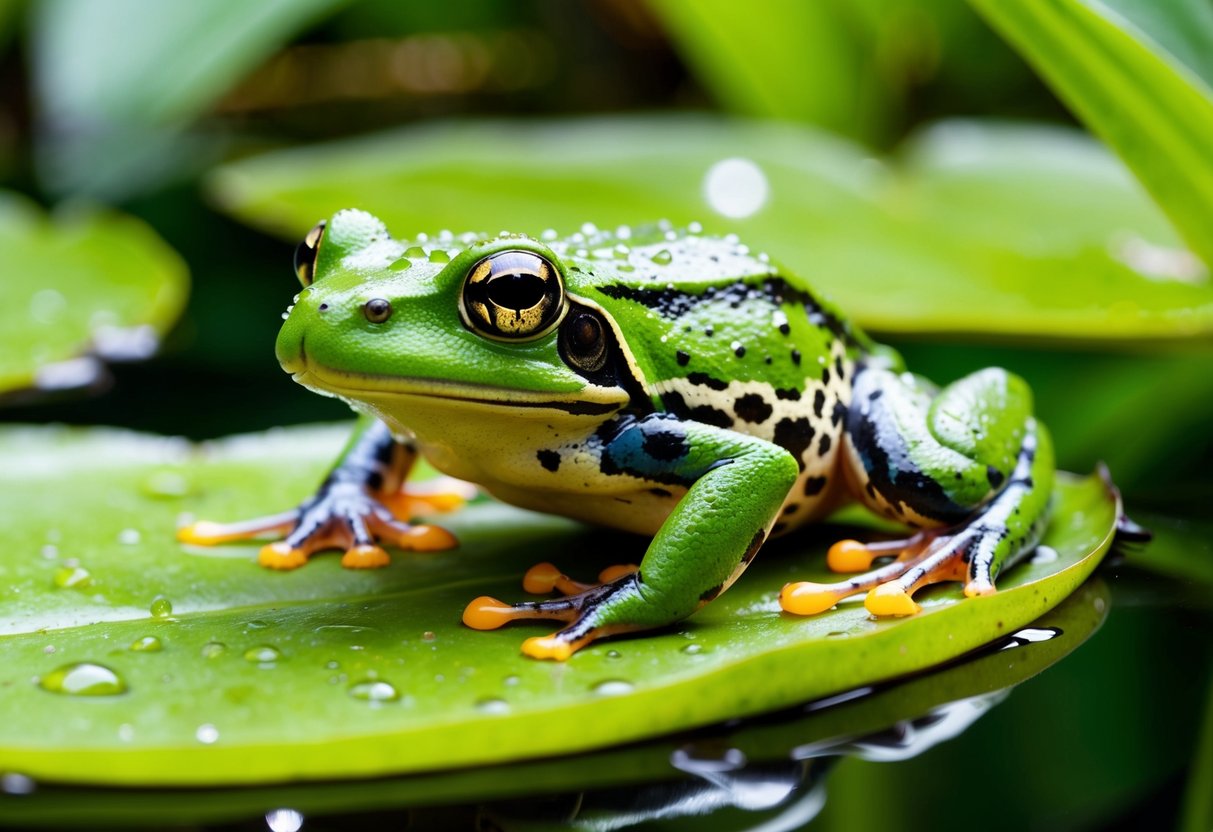
The right gear is key for capturing great frog and toad photos in the wild. Quality cameras, lenses, and accessories help you get clear, close-up shots without disturbing the animals.
Choosing the Right Camera
For frog photography, a DSLR or mirrorless camera works well. These cameras offer manual controls and high image quality. Look for models with good low-light performance and fast autofocus.
Weather-sealed cameras are a plus for shooting near water. Some photographers prefer crop sensor cameras. These give more reach for small subjects.
Entry-level DSLRs can work, but mid-range models often have better features. High ISO performance helps when shooting in dark forests or at night.
Lenses for Close-Up Shots
Macro lenses are ideal for frog photography. A 100mm macro lens is a good all-around choice. It lets you get close while keeping a safe distance.
Zoom lenses in the 70-300mm range also work well. These give you flexibility to frame shots from farther away.
For ultra close-ups, extension tubes can increase magnification. Wide-angle lenses can capture frogs in their habitat.
Prime lenses with wide apertures like f/2.8 help in low light. They also create nice background blur.
Tripods and Stabilizing Gear
A sturdy tripod is crucial for sharp images. Look for one that can get low to the ground. Some tripods have legs that spread wide for stability.
A ball head allows quick camera adjustments. For macro work, a focusing rail helps fine-tune focus.
Monopods can be useful when you need to move quickly. They’re lighter than tripods but still add stability.
Bean bags work well for shooting from awkward angles. They conform to uneven surfaces and protect your gear.
Additional Accessories
A good flash is key for frog photography. It helps freeze motion and bring out colors. Diffusers soften the light for a natural look.
Waterproof covers protect your gear near water. Knee pads and rain gear keep you dry and comfortable.
A headlamp frees your hands when shooting at night. Clip-on LED lights can help with focusing in dark areas.
Extra batteries and memory cards are must-haves. A small toolkit can fix loose screws or other issues in the field.
Camera Settings and Techniques
Capturing frogs and toads in their natural habitats requires specific camera settings and techniques. These methods help photographers achieve sharp, well-exposed images that showcase these fascinating amphibians in their best light.
Exposure Settings for Natural Light
When photographing frogs in natural light, start with a middle-range ISO of 400-800. This allows for a faster shutter speed without introducing too much noise. Aim for a shutter speed of at least 1/125th of a second to freeze motion.
In bright conditions, use aperture priority mode with an f-stop around f/8 for a good balance of depth of field and light. For darker environments, open up to f/4 or wider.
Using a 5-second exposure can create interesting effects, giving the image a glow and unique colors. This technique works well for stationary subjects in low light.
Experiment with exposure compensation. Frogs often blend with their surroundings, so +0.3 to +0.7 stops can help them stand out.
Focusing Techniques
Manual focus is often the best choice for frog photography. It gives precise control over the focus point, especially in cluttered environments.
Use your camera’s live view feature with focus peaking if available. This highlights in-focus areas, making it easier to ensure the frog’s eyes are sharp.
For skittish subjects, pre-focus on a spot where you expect the frog to be. When it moves into frame, you can quickly capture the shot without adjusting focus.
Try focus stacking for ultra-sharp images. Take multiple shots at different focus points and combine them in post-processing.
Depth of Field Considerations
Depth of field is crucial in frog photography. For full-body shots, use apertures between f/8 and f/11 to keep the entire frog in focus.
When shooting close-ups, a shallow depth of field can create stunning effects. Use apertures like f/2.8 or f/4 to blur the background and isolate the subject.
For front-facing frogs, prioritize keeping the eyes and head in focus. The toes and legs should also be sharp if possible.
Consider the frog’s surroundings. A wider aperture can blur distracting elements, while a narrower one includes more environmental context.
Capturing Motion
To freeze motion, use shutter speeds of 1/250th or faster. This is essential for capturing jumping frogs or quick movements.
For water-dwelling frogs, slower shutter speeds like 1/15th to 1/60th can create interesting motion blur in splashes or ripples.
Burst mode is invaluable for active subjects. It increases your chances of capturing the perfect moment during sudden movements.
In low light, use a flash to freeze motion. Set it to rear-curtain sync for more natural-looking results. A diffuser can soften the light and reduce harsh shadows.
Approaching Wildlife Respectfully
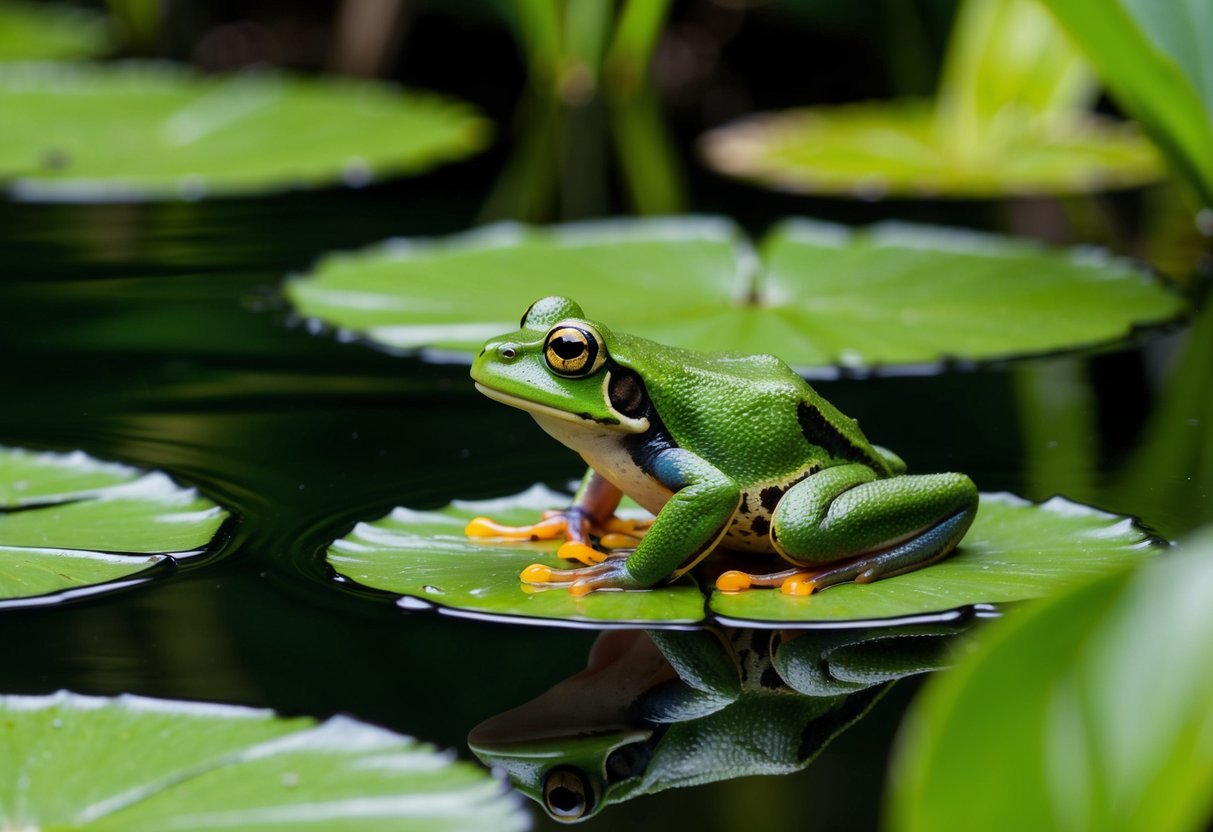
Respectful wildlife photography requires careful techniques to avoid disturbing animals and ensure safety. Photographers must prioritize the wellbeing of their subjects and themselves when capturing images in nature.
Minimizing Disturbance
Approaching wildlife ethically involves moving slowly and quietly. Photographers should keep a safe distance from animals and use long lenses to capture close-up shots without getting too near.
Avoid touching or handling frogs and toads. Their skin is sensitive and can absorb chemicals from human hands.
Limit time spent photographing each animal. Extended sessions may cause stress or interfere with natural behaviors.
Never bait or lure amphibians with food. This can disrupt their normal diet and habits.
Use natural light when possible. If flash is needed, use it sparingly and from a distance to avoid startling the subject.
Safety for Photographer and Subject
Wear appropriate clothing and footwear when photographing in wetland areas. Boots protect against mud and potential hazards.
Be aware of surroundings to avoid trampling vegetation or disturbing habitats. Stay on designated trails when possible.
Respect local laws and regulations about wildlife photography. Some areas may restrict or prohibit certain activities.
Wash and disinfect equipment between shooting locations. This prevents spreading diseases among amphibian populations.
Learn to identify potentially dangerous species. Some frogs and toads secrete toxins through their skin as a defense mechanism.
Never attempt to capture or relocate animals for a photo. This can cause stress and remove them from their established territories.
Composition and Storytelling
Effective frog and toad photography relies on thoughtful composition and compelling storytelling. These elements bring images to life and captivate viewers.
Framing your Subjects
Framing frogs and toads is key to creating eye-catching photos. Place the subject off-center using the rule of thirds for visual interest. Get down to eye level with the amphibian to create a more intimate perspective.
Fill the frame with the frog or toad, but leave some space to show its environment. This gives context to the image.
Use natural elements like leaves or branches to frame the subject. This draws attention to the frog while adding depth to the photo.
For close-ups, focus on the eyes. Sharp, clear eyes create an emotional connection with viewers.
Using the Environment Effectively
The frog’s habitat plays a crucial role in storytelling. Include water, plants, and other natural elements to show where the amphibian lives.
Photograph frogs in water to capture reflections and interesting textures. Use a slow shutter speed to create dreamy, artistic effects in water scenes.
Look for contrasting colors in the environment to make the frog stand out. A green frog on red leaves, for example, creates visual impact.
Wide-angle shots can show the frog in its larger habitat. This gives a sense of scale and place.
The Role of Lighting
Lighting sets the mood and enhances the frog’s features.
Soft, diffused light works well for most frog photos. Avoid harsh midday sun that creates unflattering shadows.
Early morning or late afternoon light adds warmth and depth to images. This golden hour lighting can make colors pop.
Use a flash or reflector to fill in shadows and highlight the frog’s eyes. Be careful not to startle the animal with bright lights.
Backlighting can create striking silhouettes or highlight translucent skin. Experiment with different lighting angles to find what works best.
Capturing Behavior
Behavior shots tell compelling stories about frogs and toads.
Patience is key – observe the amphibian and anticipate interesting moments.
Photograph frogs calling, eating, or interacting with other animals. These action shots bring energy to your images.
Use fast shutter speeds to freeze motion like jumping or tongue-flicking. Continuous shooting mode helps capture quick movements.
Look for unique behaviors during breeding season. Mating rituals and egg-laying provide fascinating photo opportunities.
Show frogs in different weather conditions. Rain can lead to increased activity and interesting water droplet effects.
Post-Processing Techniques
After capturing images of frogs and toads, editing can enhance their beauty and impact. Careful adjustments to clarity, color, and composition can make photos truly stand out.
Editing for Clarity and Color
Adjusting exposure and contrast can bring out the frog’s details. Increasing sharpness helps emphasize textures in skin and eyes.
Color correction is key for accurate representation. Tweaking white balance ensures natural-looking greens and browns. Subtle saturation boosts can make colors pop without looking unrealistic.
Noise reduction smooths out graininess in low-light shots. This is especially helpful for nocturnal species photographed with high ISO settings.
Cropping for Impact
Cropping removes distractions and focuses attention on the subject. A tighter frame often creates a more powerful image of frogs and toads.
The rule of thirds can guide composition. Placing the frog’s eye at an intersection point draws the viewer in. Leaving space in front of the frog’s gaze creates a sense of direction.
Cropping can also adjust the aspect ratio. A square crop works well for social media, while a wider panoramic crop can showcase a frog’s habitat.
Ethical Considerations in Editing
Maintaining authenticity is crucial in wildlife photography. Minor adjustments are acceptable, but drastic changes can misrepresent the species.
Removing small distractions like twigs or bubbles is generally okay. However, adding or removing major elements alters reality and should be avoided.
Photographers should disclose any significant edits when sharing images. This transparency helps maintain trust and scientific accuracy in documenting amphibian species.
Conservation and Ethical Practices
Photographing frogs and toads comes with responsibilities. Ethical practices protect these animals and their habitats. Good photos can also help raise awareness about conservation.
Understanding Ecological Impact
Frogs and toads are sensitive creatures. Touching them can harm their delicate skin. It’s best to keep your distance when taking pictures. Use a zoom lens instead of getting too close.
Flash photography can stress amphibians. Their eyes are made for low light. Too much bright light may hurt them. Try natural lighting or very gentle flash if needed.
Don’t move plants or disturb the area. Frogs need their habitats intact. Even small changes can affect them badly. Leave everything as you found it after taking photos.
Promoting Conservation through Photography
Good frog photos can help save them. Beautiful images grab attention and make people care. Share facts about the species with your pictures. This teaches others why frogs matter.
Join a frog monitoring program. Your photos can help track species over time. Scientists use this data to spot problems early.
Follow local rules when photographing wildlife. Some areas have special protections for rare frogs. Learn the laws before you go out with your camera.
Report any sick or injured frogs you see. Don’t try to help them yourself. Call local wildlife experts instead.
Sharing Your Work
After capturing stunning frog and toad photos, sharing them lets others enjoy your work. It can also help raise awareness about these amazing amphibians.
Online Platforms and Social Media
Instagram and Facebook are great for sharing frog photos. Use hashtags like #frogphotography or #wildlifeshots to reach more people. Flickr and 500px let you join frog and amphibian groups to connect with others who love these creatures.
Nature and wildlife websites often accept photo submissions. This can get your work seen by a wider audience. Some popular options include:
- National Geographic Your Shot
- Wildlife Photo of the Day
- Frog and Toad Trust galleries
When posting, include details about the species and where you took the photo. This adds context and educates viewers about frogs and toads in the wild.
Prints and Exhibitions
Turning frog photos into prints allows people to enjoy them offline. Local nature centers or libraries may display wildlife photography. This brings attention to local amphibians.
Photography contests give chances to showcase frog images. Many focus on nature or wildlife themes. Winning can lead to publication or exhibition opportunities.
Art fairs and craft markets let photographers sell prints directly. Frog and toad images often appeal to nature lovers and make unique gifts.
Engaging with the Wildlife Photography Community
Joining wildlife photography clubs connects you with other photographers. Members share tips and may organize frog photo outings. Online forums like NaturePhotographers.net have sections for amphibian photos.
Volunteering to document frogs for conservation groups combines photography with helping these animals. It’s a way to use your skills for a good cause.
Workshops and photo walks focused on frogs let you learn from experts. They’re great for improving techniques and meeting other enthusiasts.
Frequently Asked Questions
Getting great photos of frogs and toads takes skill and patience. The right gear, techniques, and approach can make a big difference. Let’s look at some common questions about photographing these amphibians in the wild.
What is the best equipment setup for photographing amphibians in their natural habitat?
A macro lens is key for close-up frog shots. Use a 100mm or longer focal length. This lets you keep some distance from shy subjects. A ring flash or diffused external flash helps light up small details.
Bring a tripod for stability in low light. Knee pads are handy for getting low angles. Waterproof camera gear protects your equipment near ponds and streams.
How does one achieve sharp focus when taking pictures of moving frogs?
Set your camera to continuous autofocus mode. This tracks moving subjects. Use a fast shutter speed of 1/250 or quicker to freeze motion.
Pick a single focus point and aim for the frog’s eye. Take lots of shots – frogs move quickly. Review and delete blurry ones later.
What are effective techniques for minimizing disturbance to frogs while photographing them?
Move slowly and quietly. Avoid sudden movements that may scare frogs. Stay low to the ground to seem less threatening.
Use a long lens to keep your distance. Never touch or move frogs. If one hops away, let it go and find a new subject.
What lighting conditions are ideal for capturing images of toads in the wild?
Overcast days provide soft, even light. Early morning and late afternoon offer warm, golden tones. Avoid harsh midday sun.
Use a diffuser to soften direct sunlight. This prevents harsh shadows and bright spots. Flash can add a nice catchlight to a toad’s eye.
How can one compose a photograph to best showcase frogs in their environment?
Get down to frog level for an interesting perspective. Include habitat elements like leaves or water to show context.
Try different angles – side view, head-on, or from above. Capture unique behaviors like calling or jumping. Focus on interesting patterns or colors.
What are some ethical considerations to keep in mind when photographing wild frogs and toads?
Never disturb nests or eggs. Don’t move frogs or alter their surroundings. Also, avoid using call playbacks, which can stress animals.
Clean your gear between locations to prevent spreading diseases. Follow local rules about accessing habitats. Lastly, share photos to raise awareness about frog conservation.