Discoveries In Frog And Toad Physiology Reveal New Insights Into Amphibian Adaptations
Frogs and toads have fascinated scientists for centuries. These amphibians have unique bodies and ways of living that make them great for studying how animals work.
Recent studies have found new things about how frogs and toads move, breathe, and survive in different places.
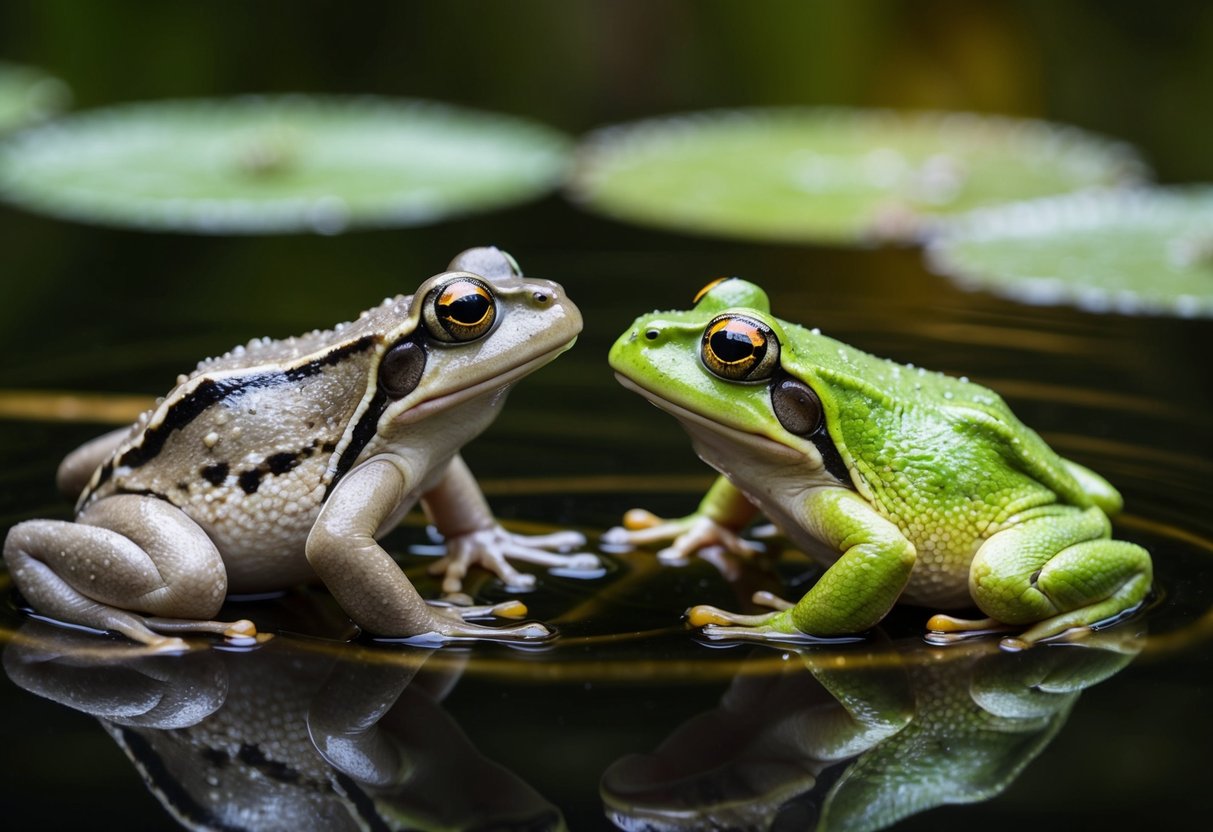
Scientists have discovered that some frogs can walk instead of hop, moving in ways we didn’t know before. This finding shows that frogs have more ways to get around than we thought. It helps us understand how they live in different types of homes in nature.
Frogs and toads also teach us about how bodies work. Their skin can take in air and water, which helps them breathe in special ways.
This skill lets them live both in water and on land. Scientists use frogs to learn about how brains grow and work, which could help us understand human brains better too.
Key Takeaways
- Some frogs can walk instead of hop, showing new ways animals can move
- Frog skin helps them breathe in water and on land
- Studying frogs helps scientists learn about how brains grow and work
Evolutionary Origins of Frogs and Toads
Frogs and toads belong to the order Anura, which has a rich evolutionary history spanning millions of years. These amphibians evolved from early tetrapods that left the water for land.
The earliest known frog-like ancestor, Triadobatrachus, lived about 250 million years ago. It had a mix of frog and salamander features, showing the gradual evolution of the group.
Over time, frogs developed unique traits like long hind legs for jumping and a short, fused backbone. These adaptations helped them thrive in various habitats.
Amphibians became the dominant land animals during the late Carboniferous and early Permian periods. Some ancient species grew up to 15 feet long, much larger than modern frogs.
Frogs and toads diverged from a common ancestor. Toads evolved features like drier skin and shorter legs, adapting to more terrestrial lifestyles.
The tympanic middle ear in frogs and toads has a complex evolutionary history. This structure helps them hear airborne sounds, which is crucial for communication and survival.
Today, there are over 7,400 known species of frogs and toads. They show remarkable diversity in size, color, and habitat preferences, reflecting millions of years of evolution and adaptation.
Anatomy and Morphology
Frogs and toads have unique body structures that allow them to thrive in both aquatic and terrestrial environments. Their anatomy includes specialized systems for movement, breathing, circulation, sensing, and protection.
Skeletal and Muscular Systems
Frogs have a simplified skeleton compared to many other vertebrates. Their skull is flat and wide, with large eye sockets. The vertebral column is short, with only 5-9 vertebrae.
Frogs lack ribs, which allows their lungs to expand easily. Their pelvic girdle is modified to support powerful leg muscles.
Hind limbs are elongated for jumping and swimming.
The muscular system of frogs is highly developed, especially in the legs. Strong thigh and calf muscles enable frogs to jump great distances. Abdominal muscles help with breathing and vocalization.
Respiratory and Circulatory Systems
Frogs use both lungs and skin for breathing. Their lungs are simple sacs with limited surface area. To compensate, frog skin is thin and moist, allowing gas exchange.
The heart has three chambers – two atria and one ventricle. This allows for some mixing of oxygenated and deoxygenated blood. The circulatory system adapts to both aquatic and terrestrial life.
Frogs have a unique double circulation system. Blood flows through the body once, then through the skin or lungs before returning to the heart.
Neural and Sensory Functions
The frog brain is small but efficient. It has well-developed optic lobes for vision processing. The cerebellum controls balance and coordination, crucial for jumping and swimming.
Frogs have excellent vision, with eyes positioned high on the head for a wide field of view. Many species can see in color and detect movement well.
Hearing is important for communication. Frogs have a tympanic membrane (eardrum) on each side of the head. Some species can also detect vibrations through their skin.
Integumentary System
The frog’s skin is a complex organ with multiple functions. It protects against injury and helps regulate body temperature and water balance.
Frog skin contains mucus-secreting glands that keep it moist. This is crucial for cutaneous respiration. Some frogs have poison glands in their skin as a defense mechanism.
The skin’s color can change in some species, helping with camouflage or temperature regulation. Pigment cells called chromatophores control these color changes.
Physiological Adaptations
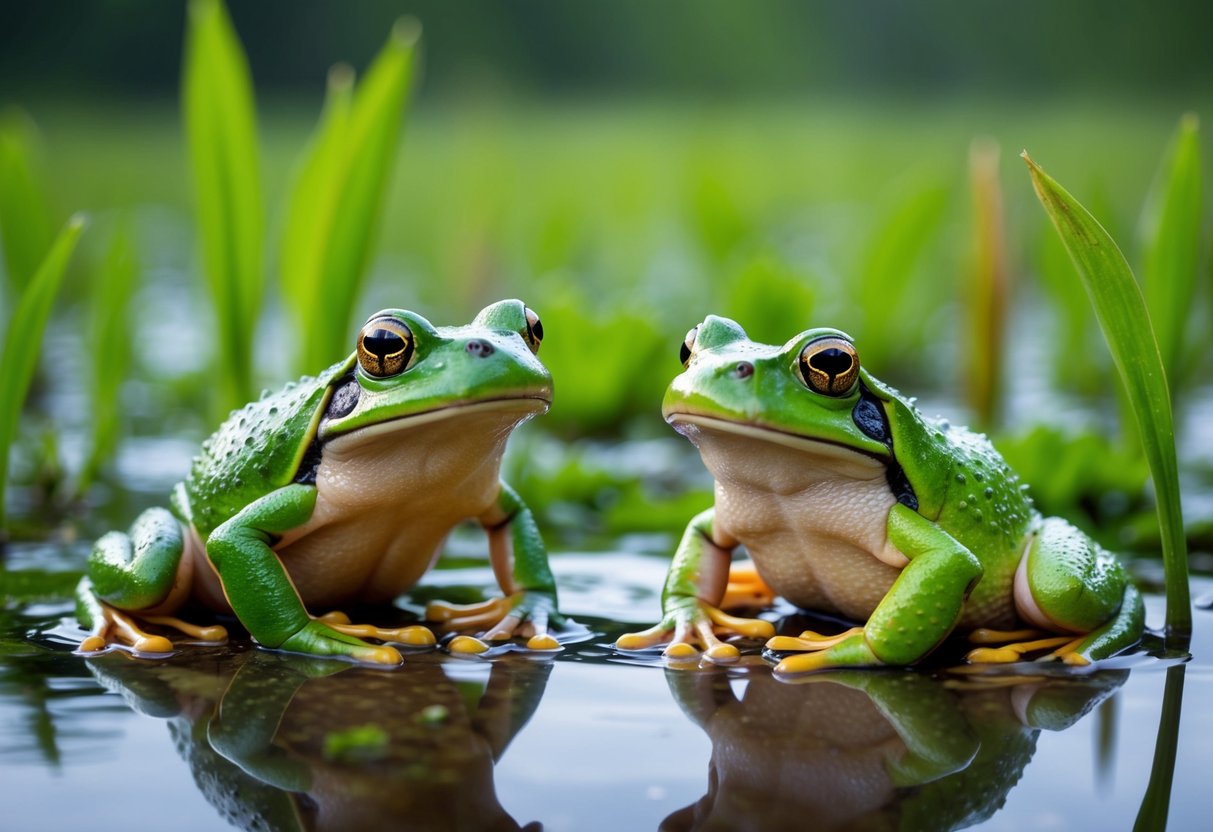
Frogs and toads have evolved unique ways to deal with environmental challenges. These adaptations help them survive in diverse habitats and climates.
Water Conservation and Osmoregulation
Frogs and toads have special ways to keep water in their bodies. Their skin plays a big role in this process. Many species can absorb water through their skin.
Spadefoot toads can burrow deep into the ground to avoid dry conditions. They make a cocoon from shed skin to trap moisture. This helps them survive long dry spells.
Some frogs have waxy coatings on their skin. This coating slows down water loss. Desert-dwelling frogs often have this feature.
Frogs and toads can also change how much water they let out in urine. When it’s dry, they make less urine to save water.
Temperature Regulation
Frogs and toads are cold-blooded. This means their body temperature changes with their surroundings. They have clever ways to deal with this.
In cold weather, some frogs make a kind of antifreeze in their bodies. This keeps ice from forming in their cells. It lets them survive freezing temperatures.
When it’s hot, many frogs and toads seek out cool, damp places. They might hide under leaves or logs. Some even dig into mud to stay cool.
Certain frogs can change their skin color. Lighter colors reflect more heat. Darker colors absorb more. This helps them control their body temperature.
Reproductive Physiology
Frogs and toads have unique ways of making babies. Many use external fertilization. The female lays eggs, and the male fertilizes them outside her body.
Some frogs have special breeding calls. Males use these to attract females. Each species has its own call.
Certain frogs can change their sex. This helps them adapt to different environments.
Some species carry their eggs on their backs. Others have pouches for their young. These methods protect the eggs and tadpoles.
A few frogs skip the tadpole stage. Their eggs hatch into tiny froglets instead. This helps in places without much water.
Behavior and Life Cycle
Frogs and toads display fascinating behaviors and undergo remarkable changes throughout their lives. Their unique traits and adaptations make them essential subjects for scientific study.
Mating Behaviors
Frogs and toads have diverse mating rituals. Males often call to attract females using specialized vocal sacs. Some species engage in amplexus, where the male grasps the female.
In many species, males gather in large groups to form breeding choruses. These noisy gatherings can last for hours or even days.
Some frogs, like the Strawberry Poison Dart Frog, exhibit parental care. They carry tadpoles on their backs to water sources.
Metamorphosis and Development
Frog life cycles begin with eggs, usually laid in water. Tadpoles hatch from these eggs and breathe through gills. As they grow, tadpoles develop legs and lungs.
During metamorphosis, tadpoles transform into froglets. Their tails shrink, and they start to breathe air. This process is controlled by hormones, mainly thyroid hormones.
The timing of metamorphosis varies among species. Some frogs complete the change in a few weeks, while others take months or even years.
Diet and Feeding Habits
Adult frogs and toads are mostly carnivorous. They eat insects, worms, and small animals. Many use their long, sticky tongues to catch prey quickly.
Some large frog species can eat mice, birds, or even other frogs. Tadpoles usually eat algae and plants, but some species are carnivorous.
Frogs don’t drink water like other animals. Instead, they absorb it through their skin. This unique feature also makes them sensitive to environmental changes.
Ecological Impact and Symbiosis
Frogs and toads play vital roles in ecosystems worldwide. They form complex relationships with other species and their environment, shaping biodiversity and nutrient cycles.
Role in Ecosystem
Frogs and toads are key players in food webs. They eat insects and small animals, helping to control pest populations. Many species also serve as prey for birds, snakes, and mammals.
These amphibians act as bioindicators. Their sensitive skin makes them vulnerable to pollution and climate change. Scientists use frog populations to gauge ecosystem health.
Tadpoles impact aquatic systems too. They feed on algae and plant matter, influencing water quality. This process affects other aquatic life and maintains balance in ponds and streams.
Cane toads can disrupt ecosystems when introduced to new areas. Their toxins harm predators unused to them, causing population declines in some native species.
Symbiotic Relationships
Frogs and toads engage in various symbiotic relationships. Some species have mutualistic partnerships with microorganisms living on their skin. These microbes produce chemicals that protect against harmful pathogens.
Certain frogs form bonds with plants. Bromeliads provide homes for poison dart frogs, while the frogs fertilize the plants with their waste.
Native frogs may compete with invasive cane toads for resources. This interaction can lead to changes in frog behavior and habitat use.
Some frogs share habitats with birds or mammals. They may use abandoned nests or burrows for shelter, forming commensal relationships with these animals.
Current Research and Advances
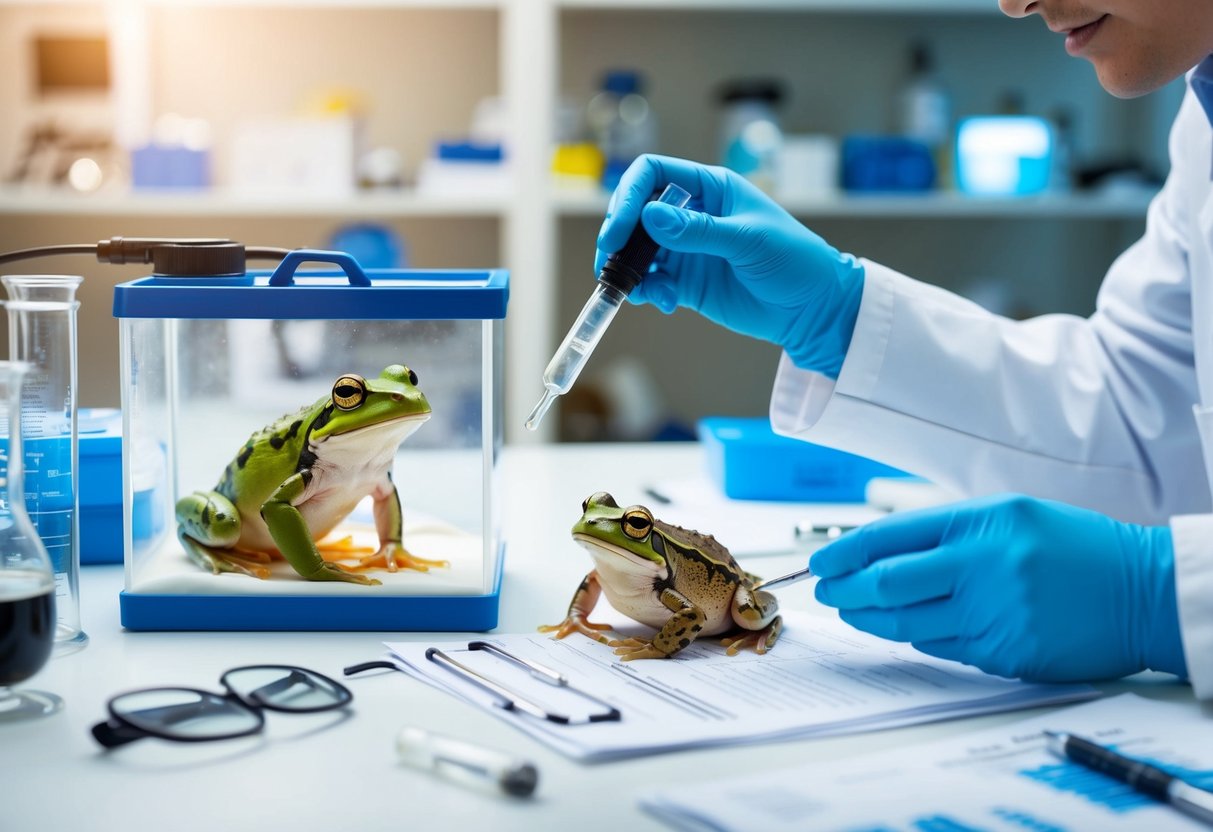
Scientists are making exciting discoveries about frogs and toads. New studies look at their genes, how they deal with threats, and ways to protect them. These findings help us learn more about these amazing amphibians.
Genetic Studies
Xenopus frogs are key to understanding brain development. Scientists use them to study how genes shape the nervous system. This research gives clues about human brain growth too.
New genetic tools let researchers study more frog species. They can now look at DNA from many frogs at once. This helps show how different species are related.
Some studies focus on genes that help frogs fight disease. Others look at genes for unique frog traits, like poison skin or see-through bodies.
Environmental Stressors Effects
Climate change affects frogs in big ways. Warmer temperatures can dry up ponds where frogs lay eggs. It also lets diseases spread to new areas.
Scientists study how pollution harms frogs. Chemicals in water can cause deformities or kill tadpoles. Even low levels of some pollutants can be dangerous.
Frog color patterns change based on where they live. In colder places, frogs tend to be darker. This might help them stay warm.
UV light from the sun can damage frog eggs. Researchers look at how frogs protect their eggs from this threat.
Conservation Strategies
To save frogs, scientists create special breeding programs. These help rare species have more babies in safe places.
Protecting frog habitats is key. Researchers map important areas for frogs to live and breed. They work with locals to keep these places safe.
Some studies look at moving frogs to new homes. This can help if their old homes are too damaged. But it’s tricky and doesn’t always work.
Teaching people about frogs is important too. When people know more, they care more. This can lead to better laws to protect frogs.
Implications for Human Medicine
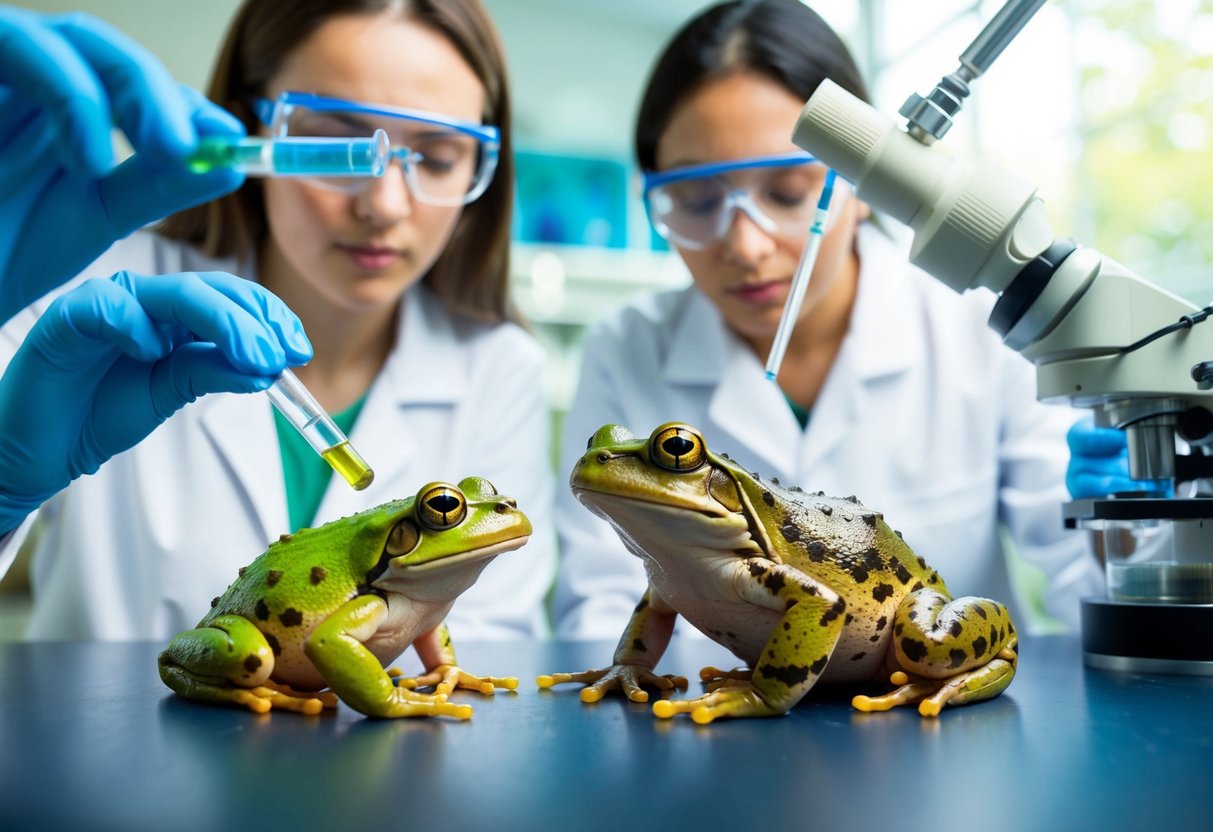
Frogs and toads have unique traits that could help advance human medicine. Their skin and ability to regrow body parts offer insights for new treatments and therapies.
Biopharmaceutical Applications
Frog and toad skin contains many useful compounds for medicine. These animals make chemicals to fight germs and ward off predators. Scientists study these compounds to make new drugs.
Some frog toxins may lead to new pain medications. Others could help treat infections that don’t respond to current antibiotics.
Researchers are also looking at frog skin secretions to find new cancer treatments. These natural compounds might stop tumors from growing.
Cane toads produce substances used in folk medicine for years. Even endangered species like the golden frog may have helpful chemicals we haven’t found yet.
Regenerative Medicine
Frogs can regrow lost body parts, which is very interesting for human medicine. Scientists want to know how frogs do this and if humans could do it too.
Some frogs can regrow entire limbs, including bones, muscles, and nerves. Understanding this process could help people with missing limbs or organ damage.
Frog embryos can also heal wounds without scarring. This ability might lead to new ways to treat skin injuries in humans.
The frog immune system works differently from ours. Studying it could give ideas for new ways to boost human immunity or fight diseases.
Challenges and Future Directions
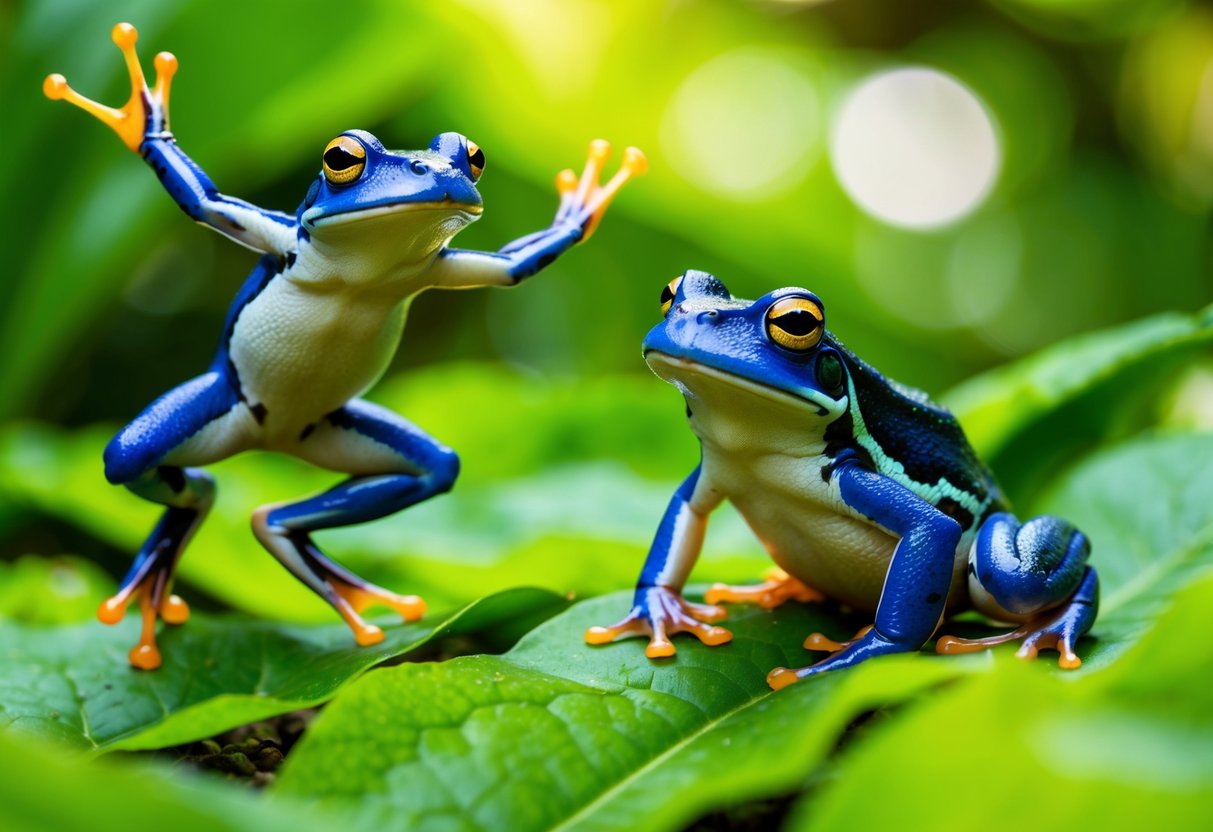
Frog and toad research faces many hurdles. One big issue is the declining numbers of these animals in the wild. This makes it harder to study them.
Another problem is the complex nature of frog and toad biology. Their bodies change a lot as they grow. This can make long-term studies tricky.
New tools are helping scientists learn more. Advanced imaging techniques let researchers see inside frogs and toads without hurting them. This is a big step forward.
Climate change is a growing concern. It affects where frogs and toads can live. Scientists need to figure out how these animals will cope with warmer temperatures.
There’s still a lot to learn about frog and toad eyes. Their vision is very different from ours. Future studies could help us understand how their eyes work and why they’re so good at seeing in low light.
Frog diversity is another area that needs more research. Some frog families evolve faster than others. Learning why this happens could teach us about evolution in general.
Pollution is a big threat to frogs and toads. Finding ways to protect them from harmful chemicals is crucial. This could involve creating safer habitats or developing new conservation methods.
Frequently Asked Questions
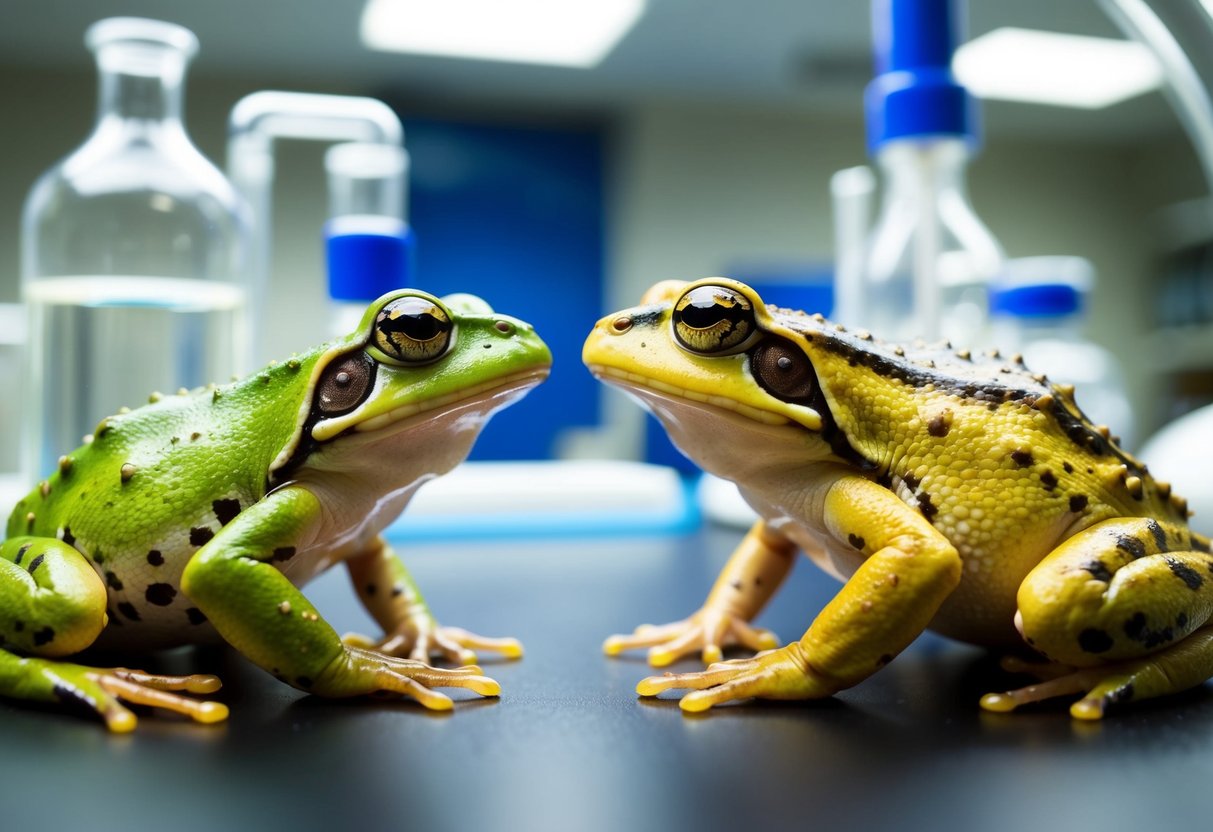
Frogs and toads have unique physiological traits that make them fascinating subjects for scientific study. Their vision, breathing, skin, and other characteristics offer valuable insights into biological processes.
What are the key physiological differences between frog and toad vision?
Frogs have highly developed vision adapted for their predatory lifestyle. Their eyes are positioned on top of their heads, giving them a wide field of view.
Toads have similar eye structures but often have more specialized adaptations for low-light conditions. This helps them in their nocturnal activities.
How do frogs manage to breathe both in water and on land?
Frogs use multiple methods to breathe. On land, they use lungs and take in air through their nostrils.
In water, frogs can absorb oxygen through their skin. Some species also have special structures in their mouths that help them take in oxygen from water.
What makes frog skin unique in terms of physiological functions?
Frog skin is thin and permeable, allowing for gas exchange and water absorption. This feature helps frogs breathe and stay hydrated.
The skin also contains glands that produce mucus and sometimes toxins for protection. These secretions play a role in immune defense and regulating body temperature.
In what ways are frogs utilized for experimental physiological research?
Frogs are used in various fields of physiological research, including studies on muscle function, nerve transmission, and hormone regulation.
Their eggs and tadpoles are valuable for developmental biology research. Frogs’ relatively simple nervous systems make them useful for neuroscience studies.
How has frog research contributed to advancements in medical science?
Frog research has led to important discoveries in areas like cardiac function and kidney filtration. These findings have improved our understanding of human physiology.
Studies on frog skin secretions have contributed to the development of new antibiotics and pain medications.
What special characteristics do frogs and toads possess that make them important in physiological studies?
Frogs and toads have unique adaptations for both aquatic and terrestrial life. This makes them excellent models for studying environmental adaptations.
Their metamorphosis from tadpole to adult provides insights into hormone-driven developmental changes. This process helps scientists understand growth and organ development in other species.