
Innovations in Amphibian Conservation Research Yield Promising Results for Endangered Species
Amphibians face a crisis unlike any other vertebrate group. With 41% of species at risk of extinction, scientists are racing to develop new ways to protect these vital creatures.
Recent years have seen a surge in innovative research aimed at saving amphibians from disappearing forever.
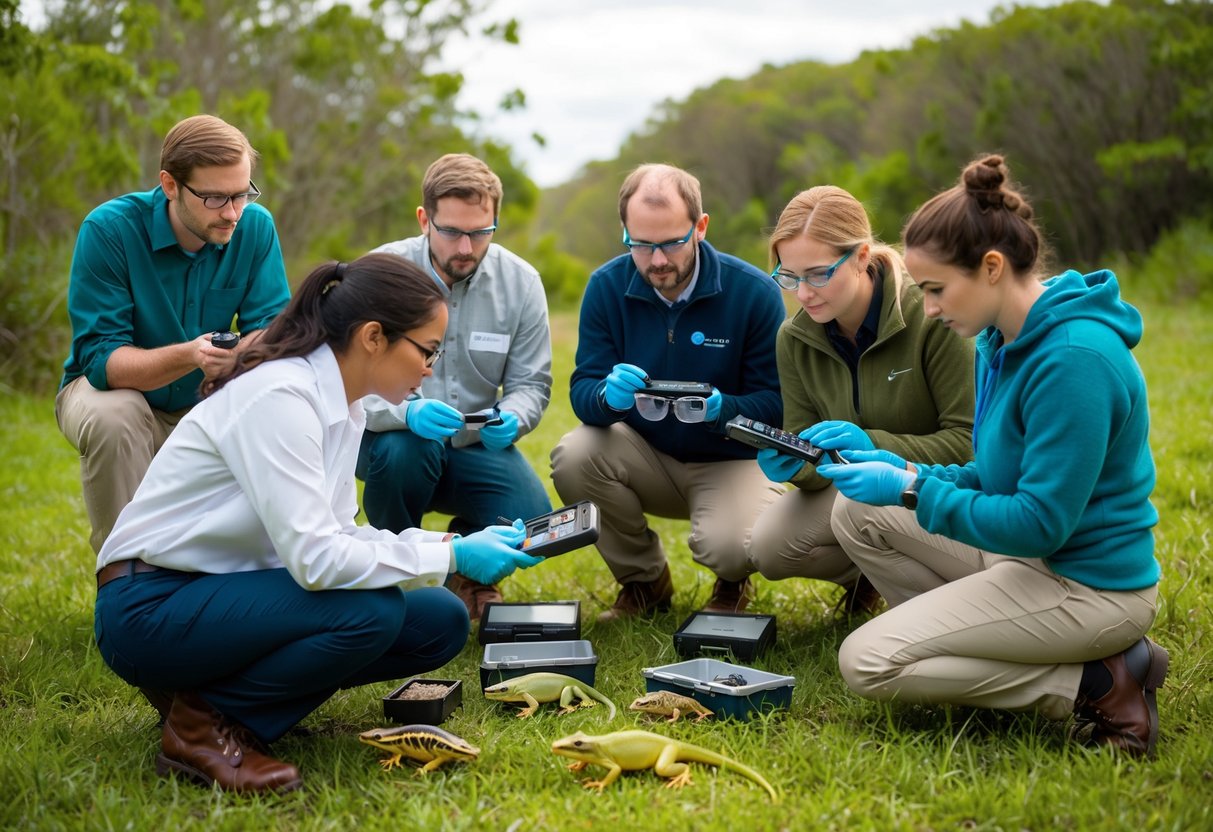
The updated 2024 Amphibian Conservation Action Plan marks a turning point in global efforts to save amphibians. This plan brings together the latest scientific findings and sets clear goals for future work. It covers everything from genetic studies to habitat protection, showing how far amphibian research has come.
New tools and methods are changing how we study and protect amphibians.
Scientists now use advanced genetic techniques to understand amphibian populations better. They also look at how climate change affects these animals and find ways to help them adapt. This research is key to keeping amphibians safe for years to come.
Key Takeaways
- Amphibian conservation efforts are evolving with new scientific approaches and technologies
- Researchers are focusing on genetics, habitat protection, and climate change impacts
- The latest conservation plan sets clear goals for global amphibian protection efforts
Historical Context of Amphibian Decline
Amphibian populations have faced significant challenges over the past few decades. Scientists have observed widespread declines and extinctions across many species. This has led to increased research efforts to understand the causes and find solutions.
Understanding Population Trends
Amphibian declines first gained major attention in the late 1980s. Scientists at the First World Congress of Herpetology in 1989 shared alarming observations about vanishing populations.
This sparked a wave of research to document and analyze the problem. Studies revealed concerning trends across many regions globally.
By the early 2000s, it became clear that amphibians were declining faster than other vertebrate groups. Up to one-third of known amphibian species were considered threatened with extinction.
Long-term monitoring programs were established to track population changes over time. These provided crucial data on the scale and speed of declines in different habitats.
Key Threats to Amphibians
Habitat loss and alteration emerged as the leading cause of amphibian declines. Human activities like deforestation, urbanization, and agriculture destroyed or fragmented critical habitats.
Disease also played a major role, especially the fungal pathogen chytrid. This caused mass die-offs in many areas, leading to rapid population crashes.
Climate change impacted breeding cycles and habitat suitability. Pollution, including pesticides, affected water quality in breeding sites.
Invasive species introduced new pressures through predation and competition. Over-collection for the pet trade threatened some species.
Understanding these complex, interacting threats became crucial for developing effective conservation strategies.
Methodological Advances in Amphibian Research
Scientists have made big strides in how they study frogs, toads, and salamanders. New tools and methods help researchers learn more about these animals without disturbing them too much.
Non-Invasive Sampling Techniques
New sampling methods allow scientists to gather data on amphibians without causing harm.
Swabbing the skin of frogs and salamanders lets researchers check for diseases or toxins. Audio recording devices can capture frog calls, helping track populations over time. This is useful for shy species that are hard to see.
Camera traps with motion sensors take pictures of amphibians as they move around. This gives information on behavior and habitat use without humans being present.
Environmental DNA (eDNA) Applications
eDNA is genetic material that animals leave behind in water or soil. Scientists can find out which amphibian species live in an area by testing for their DNA in water samples.
This method works well for rare or hard-to-find species. It’s faster and cheaper than traditional surveys.
eDNA can also show how many animals are in a pond or stream. This helps track changes in population size over time.
Innovative Monitoring Technologies
Drones with cameras can survey large areas quickly. They spot amphibians in places that are hard for people to reach.
Tiny tracking devices, like microchips, help researchers follow individual animals. This shows how far they travel and what habitats they use.
Automated recording systems pick up frog calls all day and night. Computer programs can identify different species from these recordings. This gives a full picture of frog activity without needing people in the field all the time.
Genetic Approaches to Conservation
Genetic techniques offer powerful tools for amphibian conservation. These methods help scientists understand and manage genetic diversity, improve captive breeding programs, and plan successful reintroductions.
Genetic Diversity and Adaptation
Researchers use DNA analysis to measure genetic diversity in amphibian populations. This information helps identify at-risk groups with low diversity. Scientists can then take steps to protect these vulnerable populations.
Landscape genetics examines how habitat changes affect gene flow between amphibian groups. This approach reveals barriers to movement that may isolate populations. Managers can use these insights to plan wildlife corridors and habitat restoration.
Genetic studies also uncover local adaptations. This knowledge is crucial for conservation planning. It ensures that unique traits aren’t lost when moving or breeding amphibians.
Captive Breeding and Genetic Management
Captive breeding programs aim to maintain genetic diversity. Managers use genetic data to pair unrelated individuals. This prevents inbreeding and preserves rare alleles.
Pedigree analysis helps track relationships in captive populations. It guides breeding decisions to maximize genetic diversity over generations.
Genetic techniques can also identify cryptic species. This ensures that distinct evolutionary lineages aren’t accidentally mixed in breeding programs.
Reintroduction Genetics
Genetic screening is vital for reintroduction efforts. It helps select individuals with appropriate genetic makeup for release sites.
Scientists use genetic markers to monitor the success of reintroduced populations. This tracks breeding and survival rates of released animals.
Adaptive variation studies inform reintroduction strategies. They help match amphibians to suitable habitats based on their genetic traits.
Mixing individuals from different source populations can increase genetic diversity in reintroduced groups. This “genetic rescue” approach can boost the chances of long-term survival.
Habitat Conservation Strategies
Protecting and restoring amphibian habitats is key to their survival. Recent research has led to new approaches in wetland restoration, urban habitat design, and protected areas management.
Wetland Restoration
Wetlands are vital for many amphibian species. Scientists have developed new methods to restore these ecosystems.
One approach is to create small ponds in degraded areas. This simple action can have big results.
Pond construction has proven effective for amphibian conservation in some landscapes. Researchers found that building ponds helped reverse species declines in certain regions.
Another technique involves removing invasive plants. This allows native vegetation to regrow, improving habitat quality. Scientists also work to restore natural water flow patterns. This helps maintain suitable conditions for amphibians year-round.
Urban Habitat Design
As cities grow, amphibians lose habitat. But new designs can help them survive in urban areas.
Green roofs are one solution. These rooftop gardens provide moist environments for some species.
Rain gardens are another innovation. They collect stormwater and create mini-wetlands in cities. This gives amphibians places to breed and live.
Some cities now build “frog tunnels” under roads. These help amphibians move safely between habitats. Urban parks are also being redesigned with amphibians in mind. This includes adding ponds and native plants.
Protected Areas Management
Protected areas play a crucial role in amphibian conservation. New research helps improve how these areas are managed.
One key finding is the importance of connectivity between protected sites.
Scientists now use advanced mapping tools to identify critical habitats. This helps in planning new protected areas. It also shows where to create wildlife corridors.
Climate change poses new challenges for protected areas. Managers are now planning for future habitat shifts. This might mean expanding protected zones or creating new ones in different locations.
Involving local communities has proven effective. Many protected areas now have education programs. These help people understand the value of amphibians and their habitats.
Disease Management and Biosecurity
Amphibian disease management focuses on battling pathogens and improving biosecurity measures. Key strategies include researching chytridiomycosis, developing probiotic therapies, and implementing strict quarantine protocols.
Chytridiomycosis Research
Chytridiomycosis has been a major focus of amphibian conservation efforts. This fungal disease has caused widespread declines in amphibian populations globally. Scientists are exploring various treatment options and prevention strategies.
One promising approach involves developing antifungal treatments that can be applied to amphibians in the wild. These treatments aim to reduce fungal loads and improve survival rates.
Researchers are also studying environmental factors that influence disease spread. This includes examining water chemistry, temperature changes, and habitat characteristics that may affect chytrid fungus growth and transmission.
Probiotic and Immune-based Therapies
Probiotic treatments show potential in boosting amphibians’ natural defenses against diseases.
Scientists are identifying beneficial bacteria that can protect against pathogens. These bacteria are applied to amphibians’ skin, creating a protective barrier. Early trials have shown promising results in increasing survival rates of treated individuals.
Immune-based therapies are another area of active research. Scientists are working to understand amphibian immune systems and develop ways to enhance their natural defenses.
Vaccination strategies are being explored for some amphibian species. These aim to provide long-term protection against specific pathogens.
Quarantine and Disease Control Protocols
Strict quarantine protocols are essential in preventing disease spread in captive breeding programs and during species reintroductions. These measures help protect both captive and wild populations.
Key quarantine practices include:
- Isolating new arrivals
- Regular health screenings
- Proper disinfection of equipment
- Controlled water sources
Disease control in the wild often involves monitoring programs. These track pathogen presence and prevalence in amphibian populations.
When outbreaks occur, rapid response protocols are implemented. These may include temporary access restrictions to affected areas and increased biosecurity measures for researchers and visitors.
Climate Change Resilience
Amphibians face major threats from climate change. Scientists are working on ways to help these animals survive. They focus on finding weak spots, building adaptability, and watching populations over time.
Assessment of Vulnerability
Researchers study how climate change affects amphibians. They look at things like temperature changes and extreme weather. This helps predict which species are most at risk.
Some methods used include:
- Habitat modeling
- Physiological testing
- Population surveys
Scientists also examine how different species react to heat and drought. This shows which ones might struggle as the climate warms.
Understanding vulnerabilities helps target conservation efforts. It allows experts to focus on the amphibians that need the most help.
Adaptive Capacity Building
Building adaptive capacity means helping amphibians adjust to new conditions. Researchers test ways to make habitats more climate-resilient.
Some strategies include:
- Creating shaded areas in ponds
- Maintaining water levels during dry periods
- Connecting fragmented habitats
Scientists also study genetic diversity in amphibian populations. More diverse genes can help species adapt better to changes.
Promoting amphibian resilience often involves careful habitat management. This might mean making some ponds deeper to prevent drying out.
Long-term Monitoring Programs
Long-term monitoring tracks amphibian populations over many years. This helps show how climate change affects different species over time.
Key aspects of monitoring programs:
- Regular population counts
- Habitat condition assessments
- Weather data collection
These programs can reveal trends that short-term studies might miss. They help scientists spot early warning signs of decline.
Global efforts track amphibian status worldwide. This big-picture view shows how climate change impacts vary in different regions.
Monitoring also helps measure if conservation efforts are working. It allows experts to adjust their strategies based on real-world results.
Engaging Public Participation
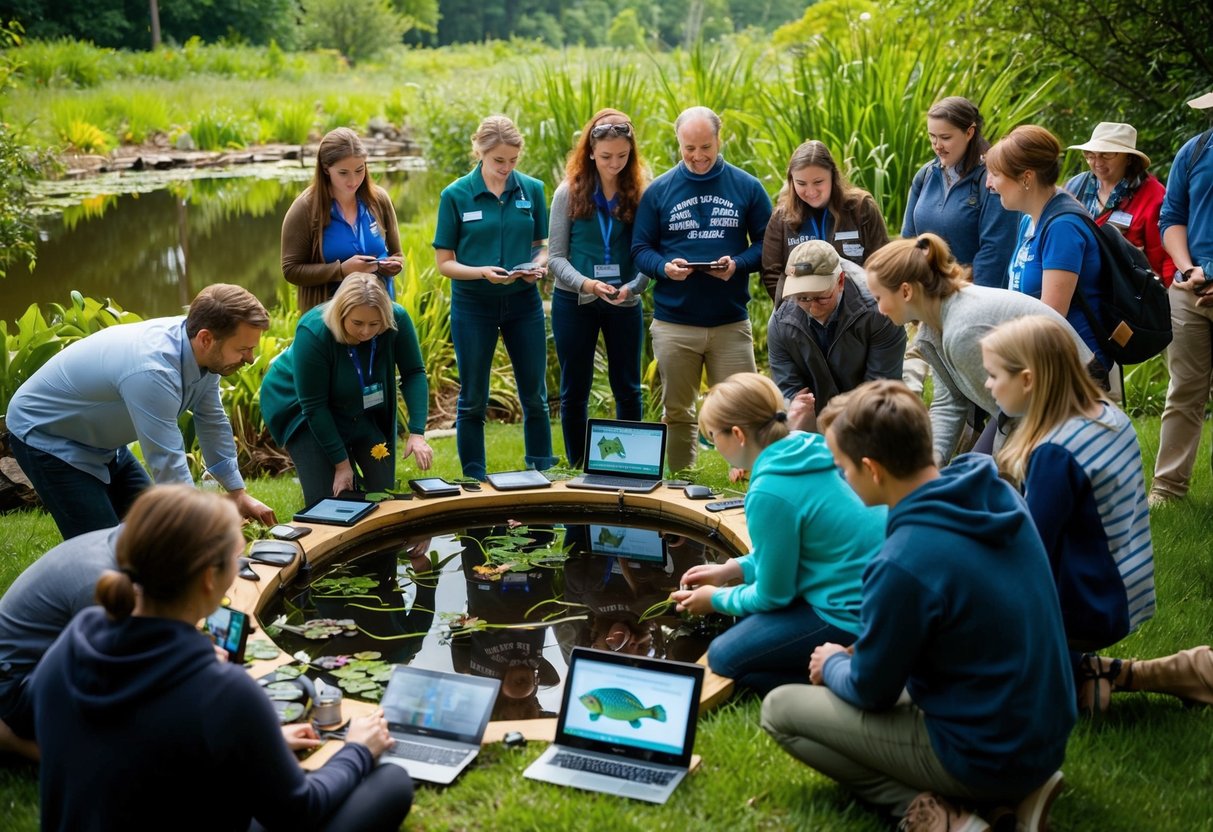
Amphibian conservation efforts have found success through active public involvement. These initiatives tap into community knowledge and enthusiasm to gather data and raise awareness.
Citizen Science Projects
Citizen science programs enable the public to contribute to amphibian research and conservation. Volunteers help track frog and salamander populations in their local areas. They record sightings, count egg masses, and monitor habitat conditions.
Many projects use smartphone apps for easy data collection. This allows people to submit photos and location info quickly. The data helps scientists map species distributions and track population trends over time.
Some popular amphibian citizen science projects include:
- FrogWatch USA
- North American Amphibian Monitoring Program
- Project Salamander
These programs provide training to ensure data quality. They also build public interest in local ecosystems and conservation.
Education and Outreach Programs
Zoos, nature centers, and schools run programs to teach people about amphibians. These often include hands-on activities with live animals. Kids and adults can learn about frog calls, salamander life cycles, and habitat needs.
Field trips let people explore amphibian habitats firsthand. Guided night hikes to listen for frog choruses are popular. Some programs focus on creating backyard habitats for amphibians.
Websites and social media spread amphibian info to wide audiences. Short videos and interactive content make learning fun. Many share tips on how people can help amphibians in their daily lives.
Partnerships with Indigenous Communities
Conservation groups work with indigenous communities to protect amphibians. These partnerships respect traditional knowledge and land management practices.
In some areas, indigenous rangers help monitor frog populations. They combine modern scientific methods with long-standing local expertise. This approach leads to more effective and culturally sensitive conservation.
Joint projects often focus on species important in indigenous culture. They may work to restore habitats or reintroduce rare frogs. These efforts help preserve both biodiversity and cultural heritage.
Educational programs teach indigenous youth about local amphibians. This keeps traditional knowledge alive while adding new scientific understanding.
Policy Implications and Legal Frameworks
Effective amphibian conservation requires strong policies and legal frameworks. These measures help protect species, regulate trade, and promote international cooperation. Key areas include wildlife trade rules, policy development, and global partnerships.
Wildlife Trade Regulations
The Convention on International Trade in Endangered Species (CITES) plays a crucial role in regulating amphibian trade. It sets rules for importing and exporting threatened species. Many countries have adopted stricter domestic laws to complement CITES.
Some key wildlife trade regulations:
- Permit requirements for trading protected species
- Bans on collecting or selling certain rare amphibians
- Limits on the number of animals that can be exported
- Rules for captive breeding and sustainable harvesting
These laws aim to prevent overexploitation and illegal trafficking of amphibians. Enforcement remains a challenge in many regions.
Conservation Policy Development
Governments are creating new policies to address amphibian declines. These often focus on habitat protection and disease control. Some innovative approaches include:
• Tax incentives for landowners who preserve wetlands • Bans on certain pesticides harmful to amphibians • Funding for captive breeding and reintroduction programs • Requirements to consider amphibians in environmental impact assessments
The 2024 Amphibian Conservation Action Plan provides guidance for policymakers. It outlines priority actions and best practices for amphibian conservation.
International Collaboration
Amphibian conservation requires global teamwork. Countries are working together through agreements and joint research. Some key collaborative efforts include:
- Sharing data on population trends and threats
- Coordinating disease surveillance and response
- Developing standardized monitoring protocols
- Providing technical and financial support to high-biodiversity countries
The Amphibian Specialist Group leads many international initiatives. It brings together experts from around the world to guide conservation efforts.
Future Directions in Amphibian Conservation
Amphibian conservation faces new challenges and opportunities. Cutting-edge technologies, cross-discipline teamwork, and global efforts are set to reshape how we protect these vulnerable species.
Emergent Technologies
Advanced tools are changing amphibian conservation. Environmental DNA (eDNA) sampling allows scientists to detect amphibian presence without direct observation. This method is less invasive and can cover larger areas quickly.
Artificial intelligence and machine learning help process vast amounts of data. These technologies can predict habitat changes, disease spread, and population trends with increasing accuracy.
Drones and satellite imagery provide detailed habitat maps. Researchers use these to track land use changes and identify key areas for protection.
Transdisciplinary Approaches
Amphibian conservation now involves experts from many fields. Biologists work with climate scientists to understand how global warming affects amphibian habitats.
Economists and social scientists help create conservation plans that also benefit local communities. This approach increases the chances of long-term success.
Veterinarians and geneticists collaborate to fight amphibian diseases. They develop new treatments and breeding programs for endangered species.
Global Amphibian Conservation Initiatives
The 2024 Amphibian Conservation Action Plan (ACAP) sets a worldwide strategy to save amphibians. It outlines key actions and research priorities for the coming years.
International partnerships are growing stronger. Scientists share data and resources across borders to tackle global threats to amphibians.
Public engagement is a key focus. Education programs and citizen science projects help raise awareness and gather valuable data on amphibian populations.
Frequently Asked Questions

Amphibian conservation research has made significant strides in recent years. New strategies, action plans, and technologies are being implemented to protect these vital species and their habitats.
What strategies are being developed to mitigate amphibian population decline?
Scientists are working on several approaches to combat amphibian declines. Disease control methods are being developed to fight fungal infections like chytrid.
Habitat restoration projects aim to create safe spaces for amphibians to thrive. Captive breeding programs help boost populations of critically endangered species.
How does the Amphibian Conservation Action Plan 2024 aim to protect amphibian species?
The 2024 plan focuses on key areas like habitat protection and disease management. It outlines specific goals for different regions and species.
The plan emphasizes collaboration between scientists, governments, and local communities. It also prioritizes research into climate change impacts on amphibians.
What are the latest technological advances used in amphibian conservation efforts?
New DNA sequencing techniques allow researchers to study amphibian genetics more effectively. This helps in understanding population health and diversity.
Advanced tracking devices now monitor amphibian movements in the wild. Artificial intelligence is being used to analyze large datasets on amphibian populations.
How are amphibian habitats being restored and preserved by conservation organizations?
Organizations are working to protect wetlands and forests where amphibians live. They create buffer zones around key habitats to reduce human impact.
Some groups are building artificial ponds and wetlands in areas where natural habitats have been lost. Efforts are also underway to remove invasive species that harm native amphibians.
What role do amphibians play in ecological research and monitoring?
Amphibians are excellent indicators of environmental health. Their sensitive skin makes them vulnerable to pollutants, helping scientists detect water quality issues.
Researchers study amphibian populations to understand ecosystem changes. This data aids in broader conservation efforts and climate change research.
Which amphibian species are considered critical for conservation and why?
Species like the golden frog of Panama are prioritized due to their extreme rarity. The axolotl is another focus due to its unique regenerative abilities and limited habitat.
Many salamander species are considered critical because of their susceptibility to a deadly fungal disease. Meanwhile, frogs in rapidly changing rainforest ecosystems are also high on the conservation priority list.