Invasive Frogs in Florida: Ecological Threat Spreads Rapidly
Florida’s ecosystems face a growing threat from invasive frog species. These non-native amphibians have made their way into the Sunshine State, causing problems for local wildlife and habitats. Four invasive frog species now live in Florida, disrupting natural ecosystems and posing challenges for conservation efforts.
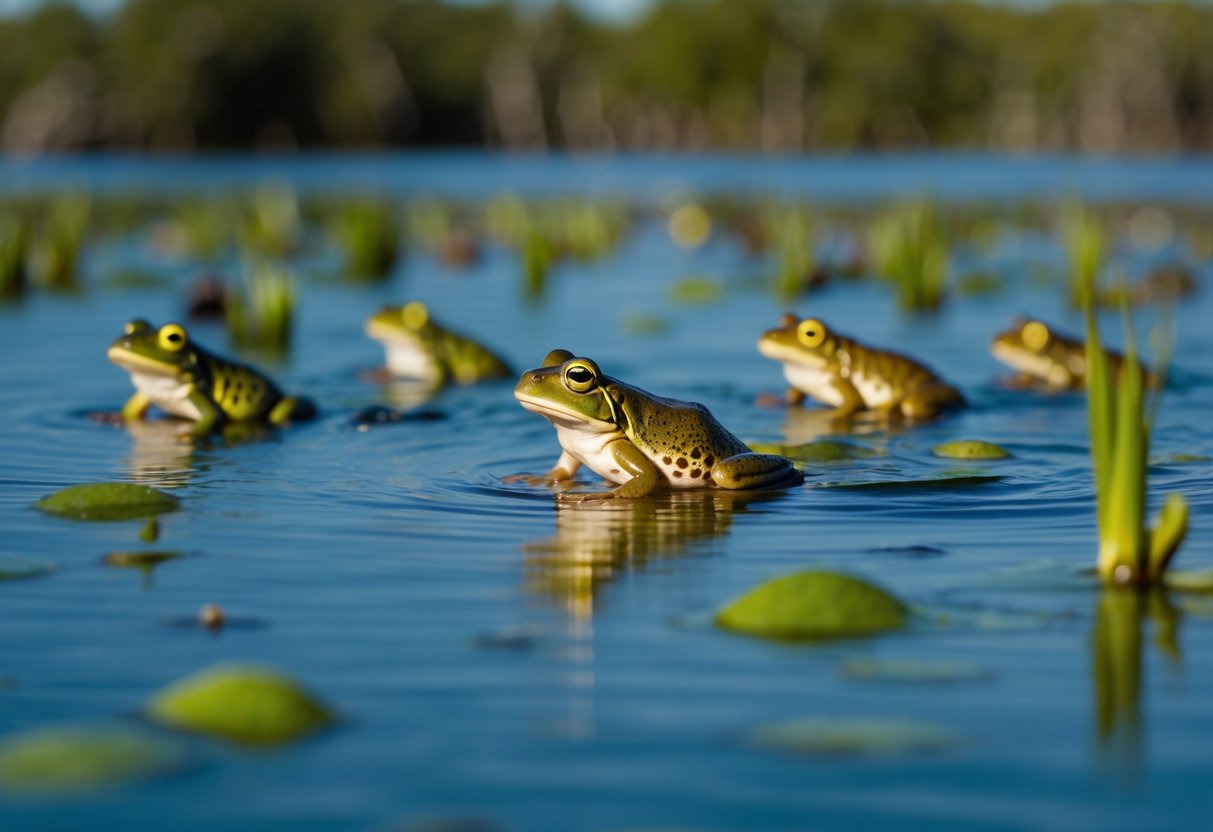
One of the most widespread invaders is the Cuban treefrog. This species eats native frogs and lizards, taking over their habitats.
Cuban treefrogs can climb walls and breed in small puddles, making them hard to control. Their spread across Florida has been rapid, with sightings reported in many areas of the state.
Key Takeaways
- Invasive frogs in Florida harm native species and ecosystems.
- The Cuban treefrog is a major invasive species causing problems across the state.
- Public help is needed to report and manage invasive frog populations.
Overview of Invasive Frog Species in Florida
Florida faces challenges from several invasive frog species. These non-native amphibians have made their way into the state’s ecosystems, causing various problems.
The Cuban treefrog is a major invasive species in Florida. It arrived accidentally in the 1920s and has spread widely across the state.
Another invasive species is the greenhouse frog. This small frog has established populations in Florida and can be found in gardens and urban areas.
The cane toad, also known as the marine toad, is a large invasive species in Florida. It poses risks to pets and wildlife due to its toxic secretions.
The common coquí is a small frog native to Puerto Rico that has been found in parts of Florida. Its loud calls can be disruptive in areas where it establishes.
These invasive frogs compete with native species for food and habitat. They may also prey on smaller native animals, disrupting local ecosystems.
Florida’s warm, humid climate provides ideal conditions for these invasive frogs to thrive. Heavy rains can increase their breeding activity, leading to population booms.
Efforts are ongoing to control these invasive frog populations and protect Florida’s native wildlife.
Origins of Invasive Frogs
Invasive frogs in Florida have two main origins: deliberate releases and accidental imports. These non-native species entered the state through human activities, both intentional and unintentional.
Release and Escape
Some invasive frogs were let go on purpose. Pet owners freed unwanted frogs into the wild. Zoos and animal parks sometimes lost frogs that got away.
In Florida, the Cuban treefrog is a key example. It likely arrived through the pet trade. People bought them as exotic pets. When the frogs grew too big or loud, owners released them outside.
Researchers also brought frogs to study. A few escaped from labs or outdoor experiments. These small numbers of freed frogs found good living conditions in Florida. They bred and spread quickly in the warm, wet climate.
Accidental Importation
Many invasive frogs came to Florida by accident. They hitched rides on plants, produce, and shipping materials.
The greenhouse frog got its name from arriving in plant shipments. Tiny frog eggs or tadpoles hid in soil or water. When the plants reached Florida, the frogs emerged.
Cargo ships and planes brought more stowaways. Frogs snuck into packing crates or shipping containers. Once in Florida, they escaped and found new homes. The state’s many ponds, swamps, and humid areas helped them thrive.
Impact on Florida’s Ecosystem
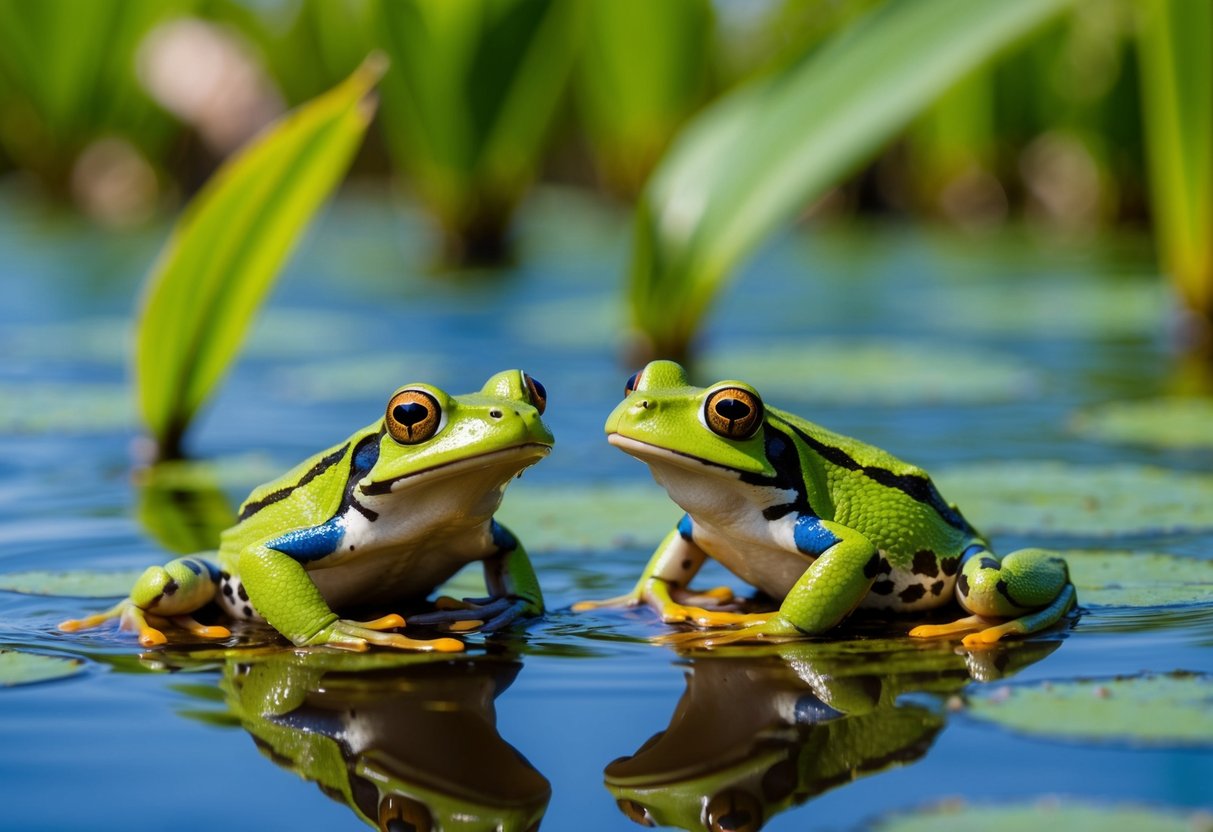
Invasive frogs in Florida have caused major disruptions to the state’s natural balance. These non-native amphibians affect local species, alter food webs, and introduce new health risks to wildlife populations.
Competition with Native Species
Cuban treefrogs, a common invasive species, outcompete native treefrogs for food and shelter. They grow larger and reproduce faster than local species. This gives them an edge in securing limited resources.
Native frogs struggle to find enough insects to eat when invasive frogs are present. Shelter becomes scarce as Cuban treefrogs take over prime spots in trees and buildings.
The invasive frogs also breed more often. A single rainstorm can trigger massive breeding events. This leads to huge populations of tadpoles that overwhelm native species in small water bodies.
Predation on Native Wildlife
Invasive frogs eat a wide variety of animals. Their diet includes:
- Native frogs and toads
- Small lizards
- Birds
- Snakes
- Insects
Cuban treefrogs have been known to eat at least five species of Florida’s native treefrogs. This direct predation has led to declines in some native treefrog populations, especially in urban areas.
The large size of some invasive frogs allows them to prey on animals that native frogs can’t eat. This disrupts the food chain and can lead to unexpected changes in animal populations.
Transmission of Diseases
Invasive frogs can carry and spread diseases that harm native wildlife. They may introduce new pathogens to Florida’s ecosystems. These diseases can affect:
- Other amphibians
- Reptiles
- Birds
- Mammals
Some frogs carry chytrid fungus, which has caused amphibian declines worldwide. The spread of this disease to new areas puts native frog species at risk.
Invasive frogs may also act as reservoirs for local diseases. This can increase the spread of existing health problems among native wildlife populations.
Ecosystem Imbalance
The presence of invasive frogs throws off the delicate balance of Florida’s ecosystems. They alter food webs and nutrient cycles in both aquatic and terrestrial habitats.
In water bodies, large numbers of invasive tadpoles can:
- Reduce algae levels
- Change water chemistry
- Compete with fish and other aquatic life
On land, invasive frogs may eat so many insects that other insect-eaters suffer. This includes native frogs, birds, and bats.
The loss of native frog species can have ripple effects. It may lead to increases in mosquito populations or changes in plant pollination patterns.
Ecological Characteristics of Invasive Frogs
Invasive frogs in Florida show unique traits that help them thrive in new habitats. These frogs breed quickly, adapt well, and use clever tactics to survive.
Reproductive Habits
Invasive frogs in Florida breed fast and often. The Cuban treefrog can lay up to 15,000 eggs per clutch. They breed year-round in warm areas. This helps their numbers grow quickly.
These frogs don’t need special spots to lay eggs. They use many water sources, even small ones. This flexibility gives them an edge over native frogs.
Their tadpoles grow fast. They turn into frogs sooner than many native species. This quick growth helps more young frogs survive.
Adaptations to Environment
Invasive frogs adjust well to new places. The Cuban treefrog can live in cities and wild areas. It climbs walls and hides in pipes or potted plants.
These frogs can handle different foods. They eat native frogs, insects, and small animals. This wide diet helps them thrive where other animals might not.
Some, like the greenhouse frog, don’t need standing water to breed. This lets them live in drier areas where other frogs can’t.
Survival Strategies
Invasive frogs use smart ways to stay safe. Many are active at night. This helps them avoid predators and hot sun.
Some change color to blend in with their surroundings. This makes it hard for predators to see them.
These frogs often grow bigger than native frogs. This size helps them eat more food and fight off threats.
They release toxins from their skin. This makes them taste bad to predators. The cane toad is very toxic and can harm pets or wildlife that try to eat it.
Key Invasive Frog Species
Florida faces challenges from several non-native frog species. These invaders harm local ecosystems and native wildlife. They also cause problems for humans in urban and rural areas.
Cuban Tree Frog
The Cuban tree frog is a major invasive species in Florida. It grows up to 6 inches long, much larger than native tree frogs. This size makes it easy to spot.
Cuban tree frogs eat native frogs and other small animals. They harm local frog populations in many areas. These frogs also cause power outages by getting into electrical equipment.
People often find Cuban tree frogs in their homes and gardens. The frogs leave waste that can stain walls and outdoor furniture. Their loud calls can disturb residents at night.
Experts advise removing Cuban tree frogs when found. This helps protect native species and reduces problems for homeowners.
Greenhouse Frog
The greenhouse frog is smaller than the Cuban tree frog but still causes issues. It came to Florida from the Caribbean. These frogs thrive in warm, moist areas like plant nurseries.
Greenhouse frogs compete with native species for food and space. They eat small insects that local frogs rely on. Their rapid breeding can lead to large populations in a short time.
Unlike some invasive frogs, greenhouse frogs don’t make much noise. This makes them harder to detect. They often spread to new areas through plant shipments.
Cane Toad
The cane toad is one of the most dangerous invasive frogs in Florida. It’s also known as the bufo toad or marine toad. These toads can grow very large, up to 9 inches long.
Cane toads produce a strong poison that can kill pets and wild animals. Dogs and cats often die after biting or licking these toads. The poison can also hurt humans if it gets in their eyes or mouth.
These toads eat almost anything they can fit in their mouths. This includes native frogs, small mammals, and birds. They breed quickly and can take over local water sources.
Experts warn people to keep pets away from cane toads. They also suggest removing standing water where the toads might breed.
Management and Control Efforts
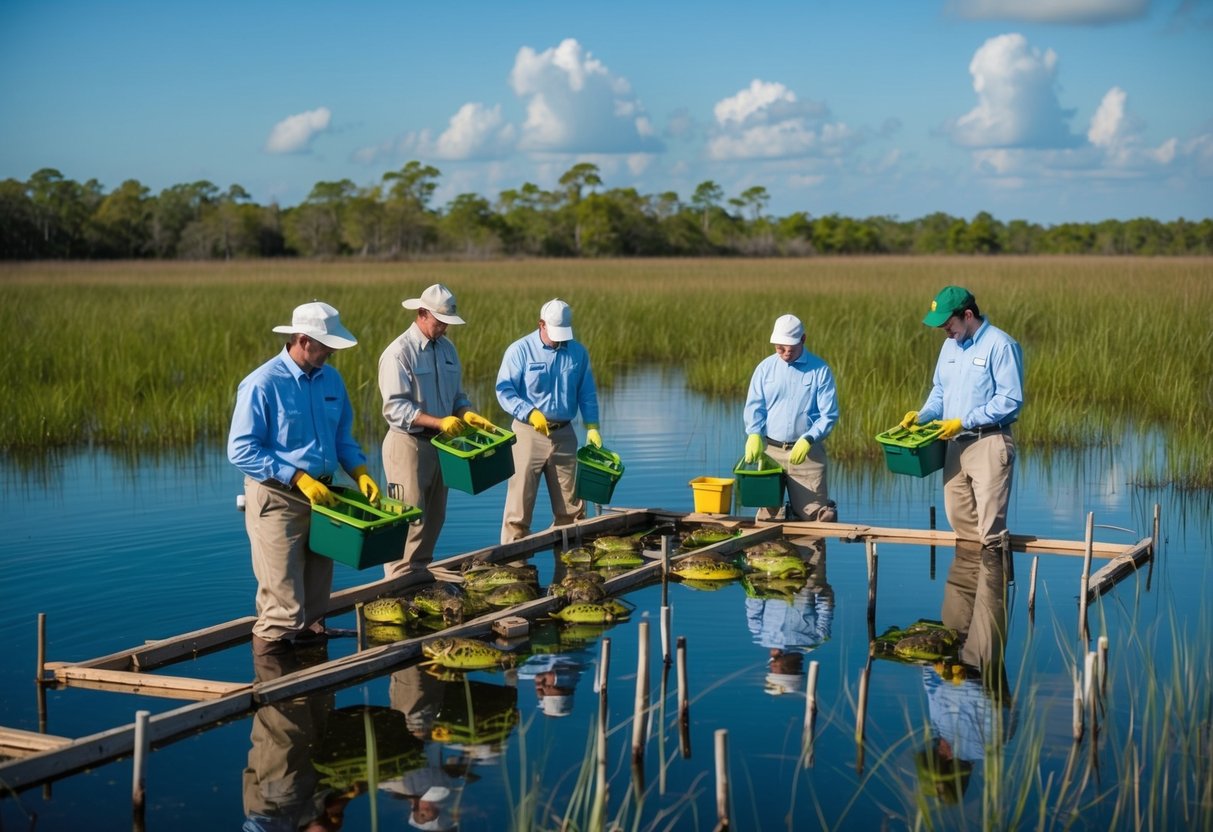
Florida uses different methods to deal with invasive frogs. These include teaching people about the problem, changing habitats, catching frogs, and making new laws.
Public Awareness Campaigns
Invasive Cuban treefrogs are a big issue in Florida. To fight this, experts teach people how to spot and report these frogs. They use posters, websites, and school programs to spread the word.
Local nature centers offer classes on frog identification. These help people tell the difference between native and invasive frogs.
Radio and TV ads also warn about the harm these frogs cause. They explain how the frogs hurt local animals and plants.
Some towns have “frog patrol” groups. These volunteers look for and report invasive frogs in their areas.
Habitat Modification
Changing frog habitats is a key control method. Workers remove standing water where frogs breed. They also clear out places where frogs hide.
Homeowners are told to fix leaky pipes and clear gutters. This cuts down on spots where frogs can live and lay eggs.
Some areas use special lights that don’t attract bugs. With fewer bugs around, frogs have less to eat.
Parks and forests are managed to favor native species. This makes it harder for invasive frogs to thrive.
Predation and Trapping
Natural predators help control frog numbers. Birds, snakes, and some fish eat these frogs. Experts sometimes introduce more of these animals to frog-heavy areas.
Trapping is another common method. Workers set up special frog traps in problem spots. These traps catch frogs without hurting them.
Some places use sound devices that mimic frog calls. This lures frogs into traps.
Caught frogs are often frozen, which experts say is humane. Some are sent to labs for study.
Legislation and Policies
Laws play a big role in frog control. Florida has rules against bringing in or moving invasive frogs. Breaking these laws can lead to fines.
State agencies work together to make and enforce these rules. They check shipments and monitor pet stores to stop new frogs from coming in.
Some towns have their own frog laws. These might ban keeping certain frogs as pets or require permits for frog-related businesses.
Florida also funds research on frog control. This helps create better ways to manage the problem in the future.
Research on Invasive Frogs in Florida
Scientists study invasive frogs in Florida to understand their spread, impact, and control methods. This research helps protect native species and ecosystems.
Population Dynamics
Cuban treefrogs are a major invasive species in Florida. They breed quickly, needing only small puddles of water.
Researchers track frog populations using field surveys and acoustic monitoring. This data shows how fast invasive frogs are spreading across the state.
Climate factors, like rainfall, affect breeding rates. Scientists predict that upcoming rains will boost Cuban treefrog numbers.
New invasive species are also being discovered. In 2021, researchers identified the Tropical clawed frog in Florida, marking its first appearance outside West Africa.
Ecosystem Impact Assessment
Invasive frogs harm Florida’s ecosystems in several ways. They compete with native species for food and habitat.
Studies show that areas with high Cuban treefrog numbers have fewer native treefrogs. This suggests the invaders are pushing out local species.
Researchers also examine how these frogs affect the food web. Invasive frogs may eat insects that native animals rely on.
Some studies look at indirect impacts. For example, Cuban treefrogs might change nutrient cycles in water bodies where they breed.
Control Measure Effectiveness
Scientists test different methods to manage invasive frog populations. These include physical removal, habitat modification, and chemical controls.
The U.S. Geological Survey conducts research on Cuban treefrog removal. They study how effective manual capture and trapping are in reducing numbers.
Researchers also explore biological traits that might help control efforts. For instance, studies show that Cuban treefrogs have better jumping abilities than native species. This information helps in designing targeted traps.
Public education is another key strategy. Scientists evaluate how well awareness campaigns reduce accidental spread of invasive frogs.
Collaborative Efforts and Stakeholder Engagement
Many groups work together to address invasive frog issues in Florida. Their combined efforts aim to protect native species and ecosystems. These partnerships involve various organizations, agencies, and community members.
Conservation Organizations
Collaborative efforts and innovative approaches are key in tackling invasive species. Conservation groups play a vital role in Florida’s fight against invasive frogs.
These organizations often lead research projects and habitat restoration efforts. They work to gather data on frog populations and their impacts. This information helps guide control strategies.
Many groups also focus on public education. They create awareness about the threats posed by invasive frogs. Some offer training programs to help people identify and report invasive species.
Government Agencies
State and federal agencies are crucial in managing invasive frogs. The Florida Fish and Wildlife Conservation Commission leads many initiatives.
These agencies set policies and regulations on invasive species. They also fund and coordinate research efforts. Many work to track land use changes that affect frog habitats.
Government bodies often partner with universities for scientific studies. They use this research to develop effective control methods. Agencies also work to protect native frog species and their habitats.
Community Involvement
Local communities play a big part in fighting invasive frogs. Many towns and cities have volunteer programs for frog removal and monitoring.
Citizen science projects help track the spread of invasive frogs. People can report sightings through apps or websites. This data aids researchers and managers.
Some areas host “frog removal nights” to engage residents. These events educate people while actively reducing invasive populations. Schools often get involved too, teaching students about local ecosystems and threats.
Long-term Outlook and Challenges
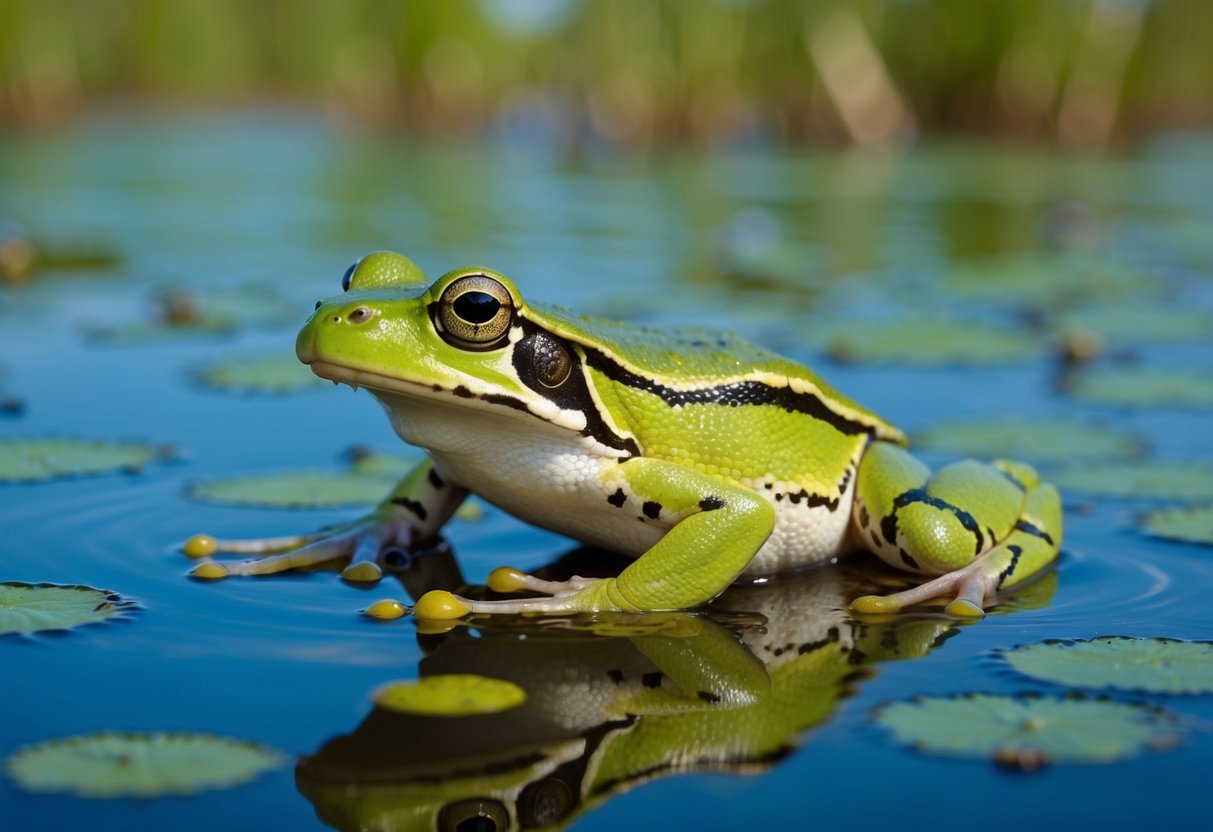
Invasive frogs in Florida face a complex future. Climate change may help some species spread further.
Warmer temperatures could let Cuban tree frogs expand their range.
Human development also plays a role. As natural habitats shrink, invasive frogs often thrive in urban areas. This trend may continue as Florida’s landscape changes.
Controlling these populations remains difficult. Invasive frogs breed quickly and adapt well to new environments. Efforts to remove them often fall short.
The impact on native species is a major concern. Invasive frogs compete for food and habitat. They may also spread diseases to local amphibians.
Education is key to addressing this issue. Teaching people how to identify and safely remove invasive frogs can help limit their spread.
Research into new control methods is ongoing. Scientists are exploring ways to manage frog populations without harming the ecosystem.
Balancing conservation efforts with urban growth will be crucial. Florida must find ways to protect native habitats while developing land responsibly.
Frequently Asked Questions
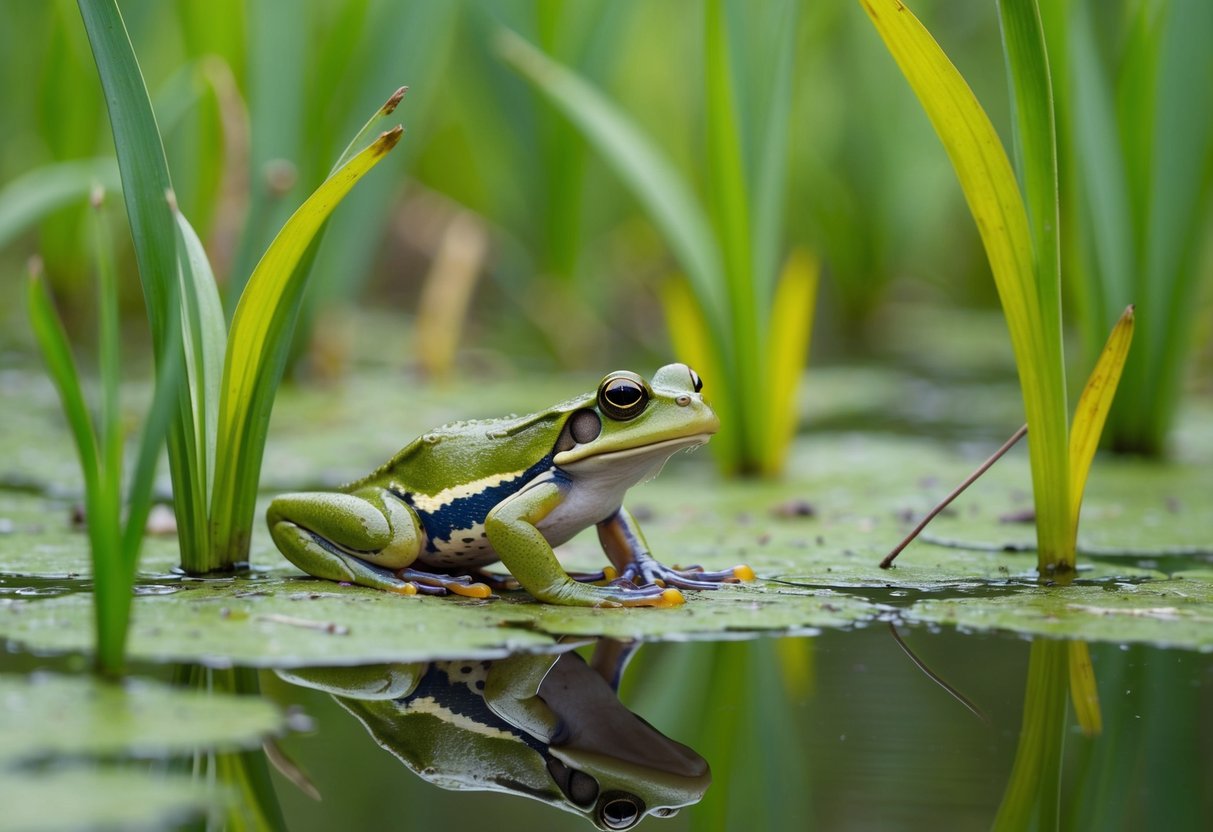
Invasive frogs in Florida pose several challenges. Their removal, identification, and ecological impacts are key concerns for residents and wildlife officials.
What steps can be taken to remove Cuban tree frogs in Florida?
Cuban tree frogs can be removed humanely.
One method involves capturing the frog in a plastic bag and placing it in the refrigerator for a few hours. Then, move the bag to the freezer overnight.
This process ensures the frog is euthanized painlessly. After confirming death, the frog can be disposed of properly.
Are there any poisonous tree frogs in Florida?
Florida has no native poisonous tree frogs. However, the invasive cane toad is toxic.
It secretes a poison that can harm pets and wildlife if ingested.
Cane toads are not tree frogs, but they are an invasive species in Florida. Their presence poses risks to local ecosystems and animals.
What distinguishes the Cuban tree frog from other Florida tree frogs?
Cuban tree frogs are larger than native Florida tree frogs. They have warty skin and large toe pads. Their color varies from white to gray, brown, or green.
These frogs also have a distinctive call. It sounds like a squeaky door hinge. This call differs from the calls of native Florida tree frogs.
What ecological issues do invasive frogs cause in Florida?
Invasive frogs disrupt Florida’s ecosystems. They compete with native species for food and habitat. Cuban tree frogs eat native frogs, lizards, and small snakes.
These frogs also impact the food chain. They reduce prey availability for native predators. This disruption can affect bird and mammal populations.
What methods have been effective in controlling invasive frog populations in Florida?
Hand-capture is an effective method for controlling invasive frogs.
This involves catching and humanely euthanizing the frogs. Residents can help by removing frogs from their property.
Habitat modification also helps. Reducing standing water and fixing leaky pipes can discourage frog breeding. These steps make areas less attractive to invasive frogs.
How have Cuban tree frogs impacted the local wildlife in Florida?
Cuban tree frogs harm Florida’s native wildlife. They eat native frogs, reducing their populations.
This affects the balance of local ecosystems.
These frogs also compete with native species for food and shelter. They can take over nesting sites of native birds and bats.
This competition puts additional stress on Florida’s native animals.