Tracking Frog Populations Using Modern Technology: Innovative Methods for Amphibian Conservation
Frogs play a crucial role in our ecosystems, but their populations are declining worldwide. Scientists are now using innovative methods to track and study these amphibians.
New technologies like microchip readers and smartphone apps are revolutionizing how researchers monitor frog populations in the wild.
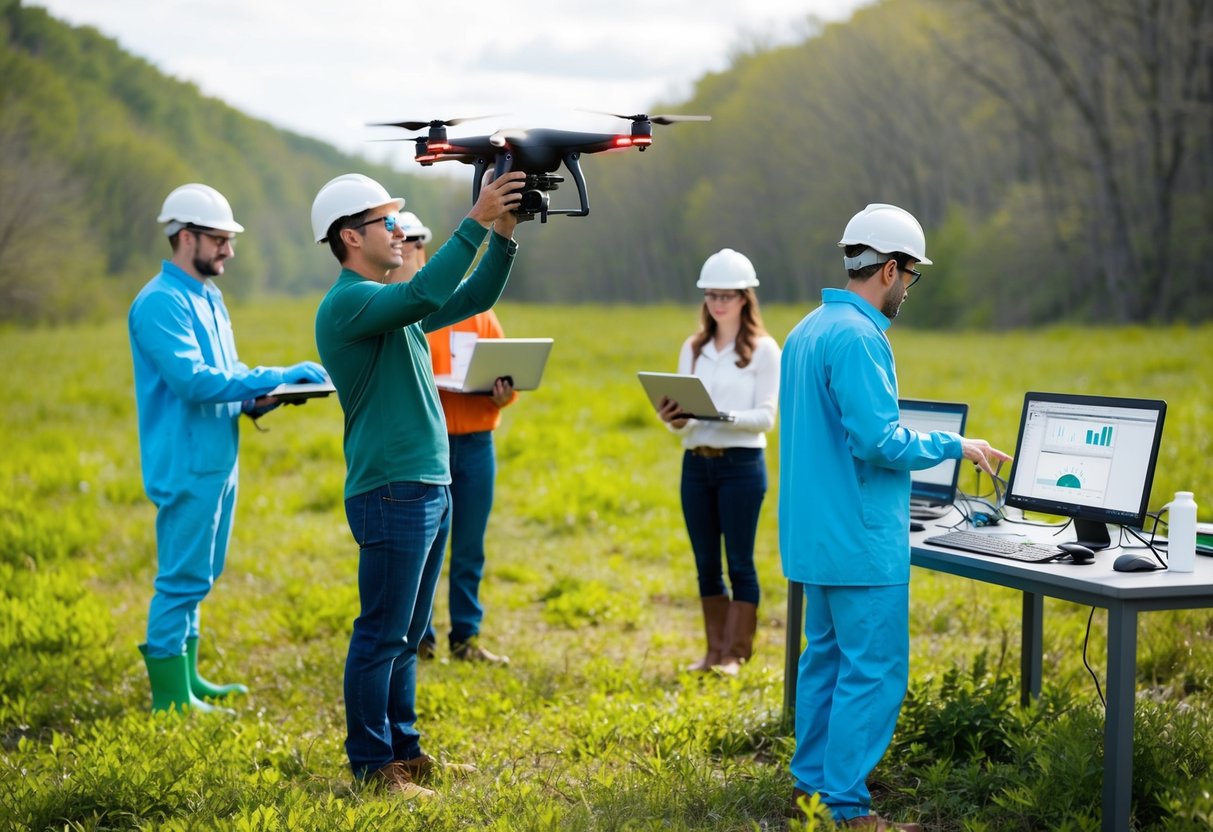
Remote sound surveys allow scientists to analyze ecosystems by recording and identifying frog calls. This non-invasive approach provides valuable data on species presence and abundance.
Another exciting development is the FrogPhone, a device that enables real-time monitoring of frog calls from any phone.
Citizen science projects are also making a big impact. The FrogID app has logged over one million frog records with the help of everyday people. This wealth of data is helping researchers better understand frog distributions and population trends.
Significance of Monitoring Frog Populations
Tracking frog populations helps scientists gauge ecosystem health and protect biodiversity. This data guides conservation efforts and informs environmental policies.
Indicators of Environmental Health
Frogs are excellent indicators of environmental health. Their permeable skin makes them sensitive to changes in water and air quality. Scientists use frog populations to detect pollution and climate change impacts.
Dramatic declines in frog populations over the past decade have raised alarms. These drops often signal broader ecosystem issues. By monitoring frogs, researchers can spot problems early.
Frog surveys help track:
- Water pollution levels
- Habitat loss
- Disease spread
- Climate change effects
Regular monitoring allows experts to notice trends and take action. This data helps shape environmental policies and conservation strategies.
Biodiversity and Ecosystem Services
Frogs play vital roles in ecosystems. They control insect populations and serve as food for many animals. Healthy frog populations support overall biodiversity.
Frog monitoring projects help:
- Identify rare or endangered species
- Track invasive species spread
- Assess habitat quality
- Guide land management decisions
Frogs also provide ecosystem services. They eat mosquitoes, helping control disease vectors. Some frog species have medical uses, like pain relief compounds.
By protecting frogs, we safeguard these benefits. Monitoring helps target conservation efforts where they’re most needed. This ensures continued biodiversity and ecosystem health.
Technological Advances in Wildlife Tracking
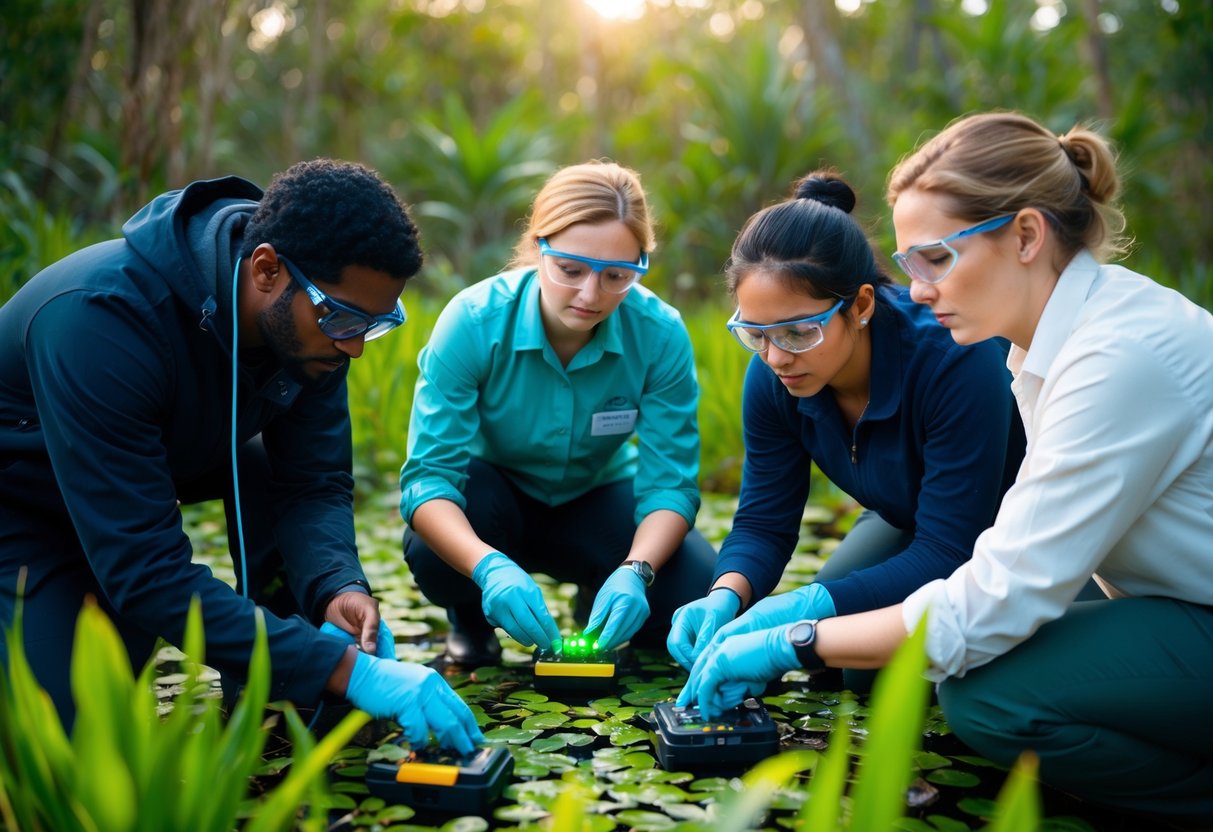
New tools and methods are transforming how scientists monitor frog populations. These innovations allow researchers to gather more accurate data over larger areas with less effort.
Satellite Imagery and Remote Sensing
Satellite technology and remote sensing have revolutionized wildlife tracking. High-resolution images from satellites help map frog habitats and track changes over time.
Drones equipped with cameras provide detailed views of hard-to-reach areas. This allows scientists to spot frogs and assess habitat quality without disturbing the environment.
Geographic Information Systems (GIS) combine satellite data with other information. Researchers use GIS to analyze frog distribution patterns and identify important conservation areas.
These tools help scientists understand how factors like climate change affect frog populations across large regions.
Environmental DNA Analysis
Environmental DNA (eDNA) testing is a powerful new method for detecting frog presence. It works by finding traces of frog DNA in water samples.
This technique can detect rare or hard-to-find species that might be missed by traditional surveys. It’s especially useful for monitoring invasive frog species.
eDNA analysis is quick and non-invasive. Scientists can test many sites without catching or disturbing frogs.
The method also helps track frog population changes over time. By comparing eDNA levels, researchers can estimate if frog numbers are increasing or decreasing in an area.
Acoustic Monitoring Technologies
Acoustic monitoring uses sound recordings to study frog populations. Special microphones placed in frog habitats capture frog calls day and night.
Computer programs analyze these recordings to identify different frog species. This allows scientists to survey large areas with less field work.
Some systems can count individual frogs based on their calls. This gives researchers a good estimate of population size.
Acoustic monitoring works well for nocturnal frogs or those living in dense forests. It’s also useful for tracking breeding patterns and how frogs respond to environmental changes.
Methods for Tracking Frogs
Scientists use various techniques to monitor frog populations. These methods help researchers gather data on frog movements, habits, and numbers.
Radio Telemetry
Radio telemetry is a powerful tool for tracking frogs. Tiny transmitters are attached to frogs, sending out radio signals. Researchers use receivers to pick up these signals and locate the frogs.
This method works well for larger frog species. It lets scientists track frog movements over time. They can learn about habitat use and migration patterns.
One downside is that transmitters can be heavy for small frogs. Battery life is also limited, restricting long-term studies.
GPS Tagging
GPS tags are becoming more common for frog tracking. These small devices record a frog’s location at set times. When researchers recapture the frog, they download the data.
GPS tags provide very precise location information. This helps map out frog territories and travel routes. The tags can store lots of data over long periods.
New technology is making GPS tags smaller and lighter. This allows their use on more frog species.
Mark-Recapture Studies
Mark-recapture is a classic method for studying frog populations. Researchers catch frogs and give them a unique mark. They then release the frogs back into the wild.
Later, they catch frogs again and look for marked individuals. This helps estimate population size and survival rates.
Marks can be toe clips, tags, or special dyes. Some new methods use microchips to identify frogs.
This method works for many frog species. It’s less invasive than attaching devices. But it requires catching frogs multiple times, which can be challenging.
Data Collection and Management
Modern technology has revolutionized how scientists gather and handle information about frog populations. New tools and methods allow for more accurate and efficient data collection and processing.
Field Data Collection Techniques
Scientists use several high-tech tools to track frogs in the wild. The FrogPhone is a novel device that enables real-time remote sound surveys. It can be used from any phone at any time.
Researchers also employ acoustic recorders called Song Meters. These devices capture frog calls in their habitats. The recordings help scientists count and identify different frog species.
GPS tracking devices are attached to some frogs. These tiny trackers provide data on frog movements and habitat use.
Environmental sensors measure air and water temperatures. This info is crucial for understanding frog behavior and population trends.
Information Storage and Retrieval Systems
Large amounts of frog data require efficient storage and management systems. Cloud-based databases allow researchers to store and access information from anywhere.
Geographic Information Systems (GIS) help organize and analyze spatial data. Scientists can map frog habitats and track population changes over time.
Machine learning algorithms assist in processing audio recordings. They can automatically identify frog species based on their calls.
Data visualization tools create charts and graphs. These visuals help scientists spot trends and patterns in frog populations.
Citizen Science Contributions
Regular people play a big role in frog monitoring through citizen science projects. Mobile apps let volunteers record frog sightings and calls.
Online platforms allow citizen scientists to upload their observations. Experts then verify and add this data to larger databases.
Citizen science projects often use gamification. This makes data collection fun and engaging for participants.
Schools sometimes join frog monitoring programs. Students learn about science while contributing valuable data.
Challenges and Limitations
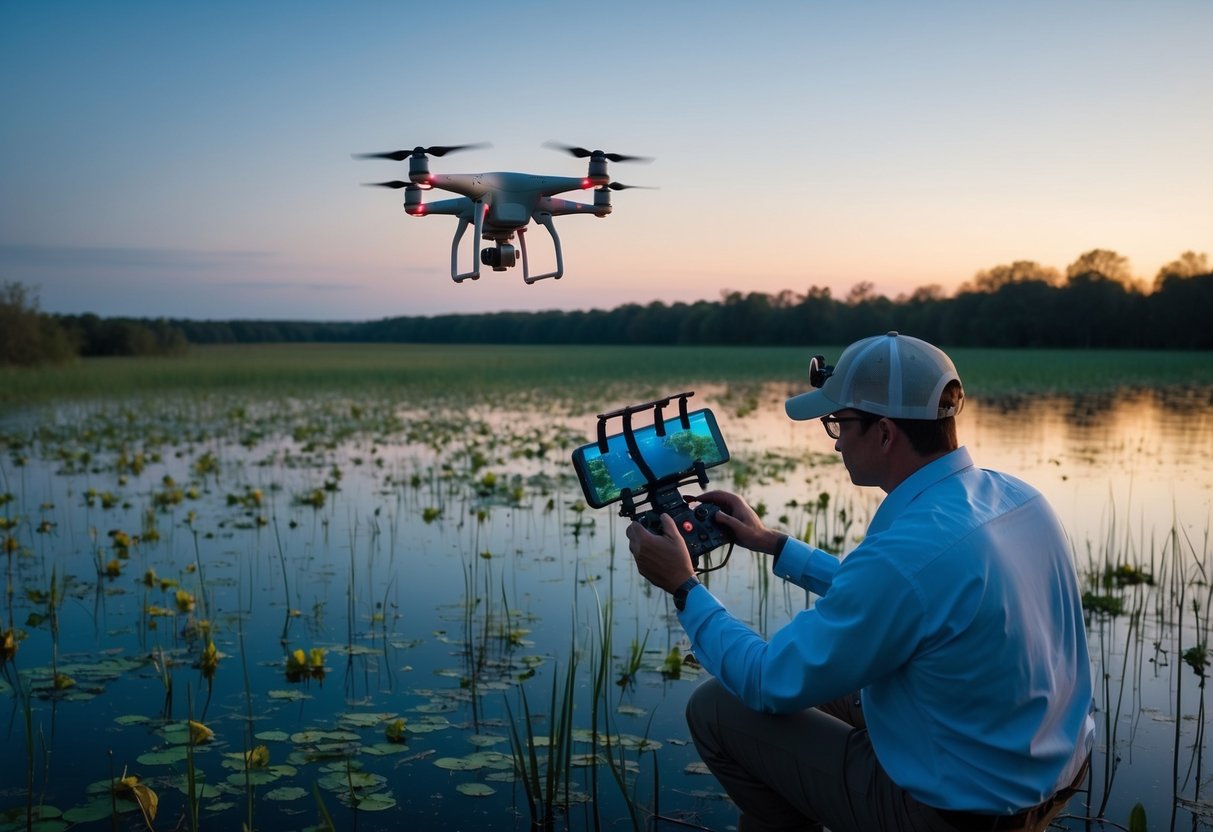
Tracking frog populations with modern technology faces several hurdles. These include ethical issues, tech limits, and data reliability concerns.
Ethical Considerations in Tracking
Frog tracking raises animal welfare concerns. Some methods may disturb frogs or their habitats. Acoustic monitoring systems are less invasive but still impact frog behavior.
Privacy issues arise when tracking occurs on private land. Researchers need landowner permission and must protect location data.
There’s a risk of unintended consequences. Revealing frog locations could lead to poaching or habitat destruction by curious visitors.
Balancing research benefits with potential harm is crucial. Scientists must follow strict ethical guidelines and minimize ecosystem disruption.
Technological Limitations and Costs
High-tech tracking tools can be expensive. This limits their use in many conservation projects, especially in developing countries.
Battery life is a major issue for remote sensors. Frequent battery changes disturb habitats and increase project costs.
Harsh environments pose challenges. Humidity, extreme temperatures, and wildlife can damage sensitive equipment.
Data storage and transmission in remote areas is difficult. Limited internet access can delay important updates on frog populations.
New genetic tools are powerful but require specialized labs and trained staff. This increases costs and limits widespread adoption.
Data Accuracy and Reliability
Environmental factors can skew results. Background noise may interfere with acoustic monitoring, leading to false positives or missed calls.
Species misidentification is a risk. Similar-sounding frogs can be hard to tell apart, even for expert systems.
Sampling bias is a concern. Frogs may be more active and detectable at certain times, potentially skewing population estimates.
Data interpretation requires careful analysis. Fluctuations in frog calls might not always indicate true population changes.
Long-term studies are needed for reliable trends. Short-term data can be misleading due to natural population swings.
Case Studies and Success Stories
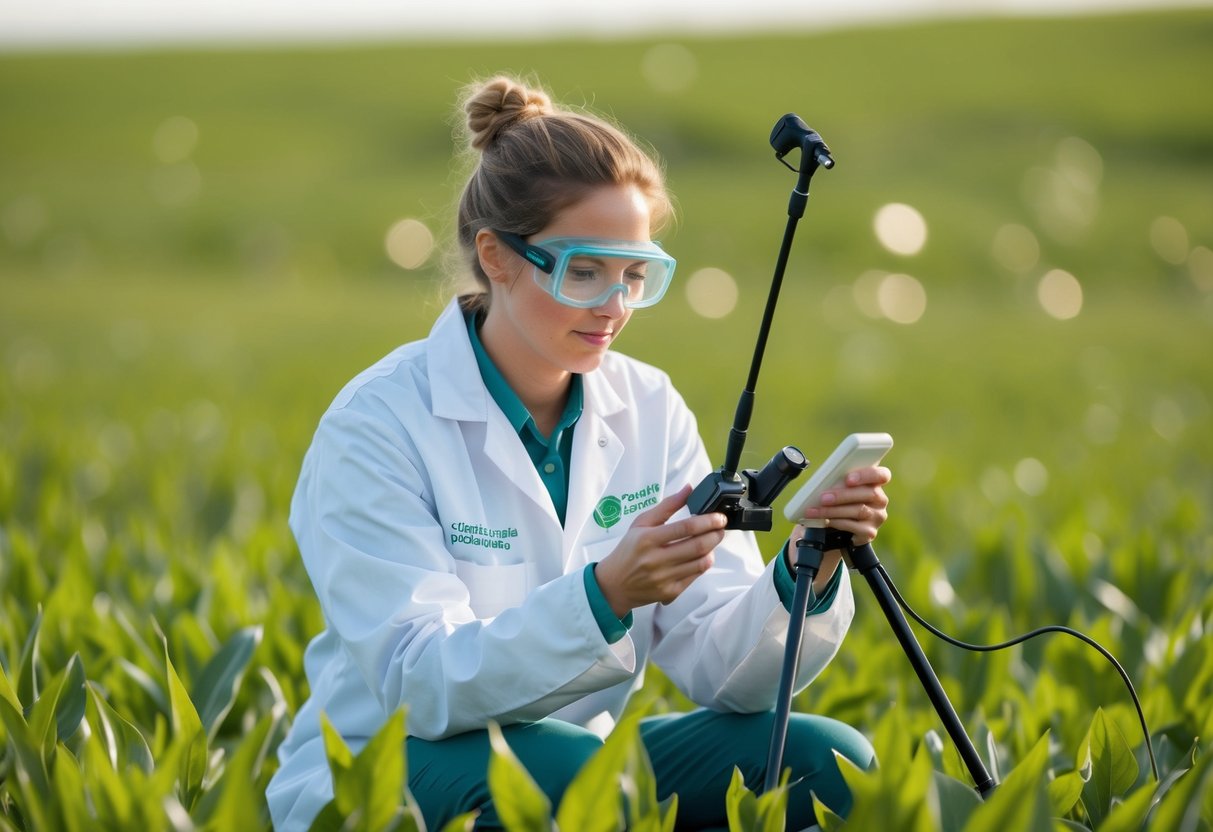
New technologies have revolutionized frog population tracking. Scientists now use advanced tools to monitor habitats and measure policy impacts with greater precision.
Restoration of Habitats
Genetic tools have changed how researchers track frog populations in restored habitats. These methods can detect DNA from just a few frogs, helping scientists spot early signs of recovery.
In California, a team used AI to monitor the endangered red-legged frog. Researchers used cutting-edge artificial intelligence to analyze frog calls. This allowed them to track populations without disturbing the habitat.
Another study used tiny tracking devices on frogs. The stand-alone reader system followed individual frog movements after release. This gave scientists valuable data on how frogs adapt to restored areas.
Impact of Conservation Policies
New tech helps measure how policies affect frog populations. In Puerto Rico and Costa Rica, scientists used a remote sound analysis system to track various species, including frogs.
This method allowed researchers to gather data over several years without constant human presence. The results showed how conservation policies influenced frog numbers and behavior.
Studies on wood frogs revealed how policies affect frog traits. Researchers found differences in larval periods and body weight at metamorphosis between populations. This information helps refine conservation strategies for better outcomes.
Future Directions in Amphibian Research
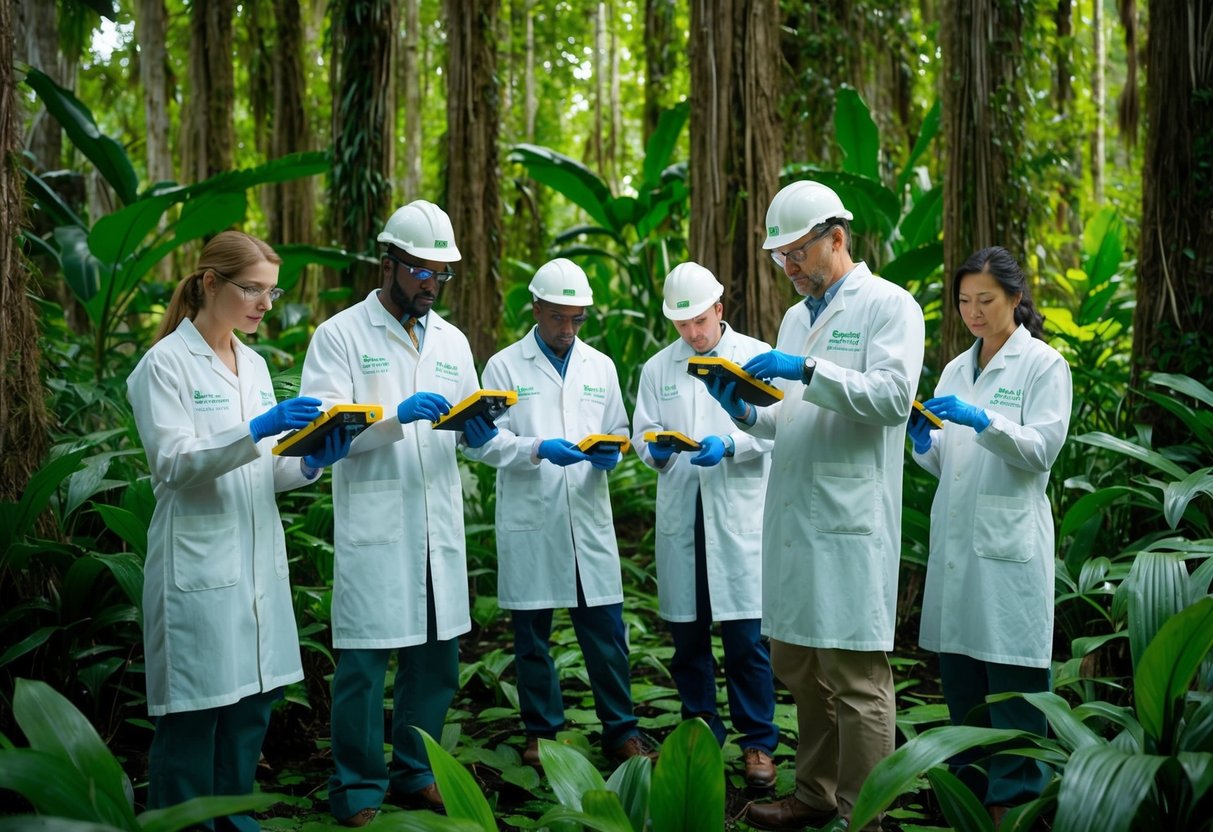
New technologies and methods are changing how scientists study frogs and other amphibians. These tools allow for better tracking and data analysis. They help researchers learn more about amphibian populations and their habitats.
Advancements in Bio-Logging
Bio-logging devices are getting smaller and more powerful. They can now track frog movements in detail.
Tiny GPS tags let scientists follow frogs over long distances. Some tags even record temperature and humidity.
New sensors can measure a frog’s heart rate and body temperature. This helps researchers understand how frogs react to changes in their environment. Some devices can record frog calls, giving insights into breeding patterns.
Researchers are testing underwater acoustic tags for tracking aquatic frogs. These tags send out sound signals that special microphones can pick up. This method works well in muddy water where visual tracking is hard.
Integrated Data Analysis Approaches
Scientists are combining data from many sources to get a fuller picture of frog populations. They use machine learning to spot patterns in large datasets. This helps them predict how frogs might respond to future changes.
Genetic data is becoming more important. DNA analysis can reveal how frog populations are related and how they’ve changed over time. It can also help identify new frog species.
Climate models are being linked with frog habitat data. This lets researchers predict how climate change might affect frogs in different areas. They can then plan better ways to protect these species.
Citizen science projects are growing. They let regular people help collect data on frogs. This data is then combined with professional research to cover larger areas.
Frequently Asked Questions
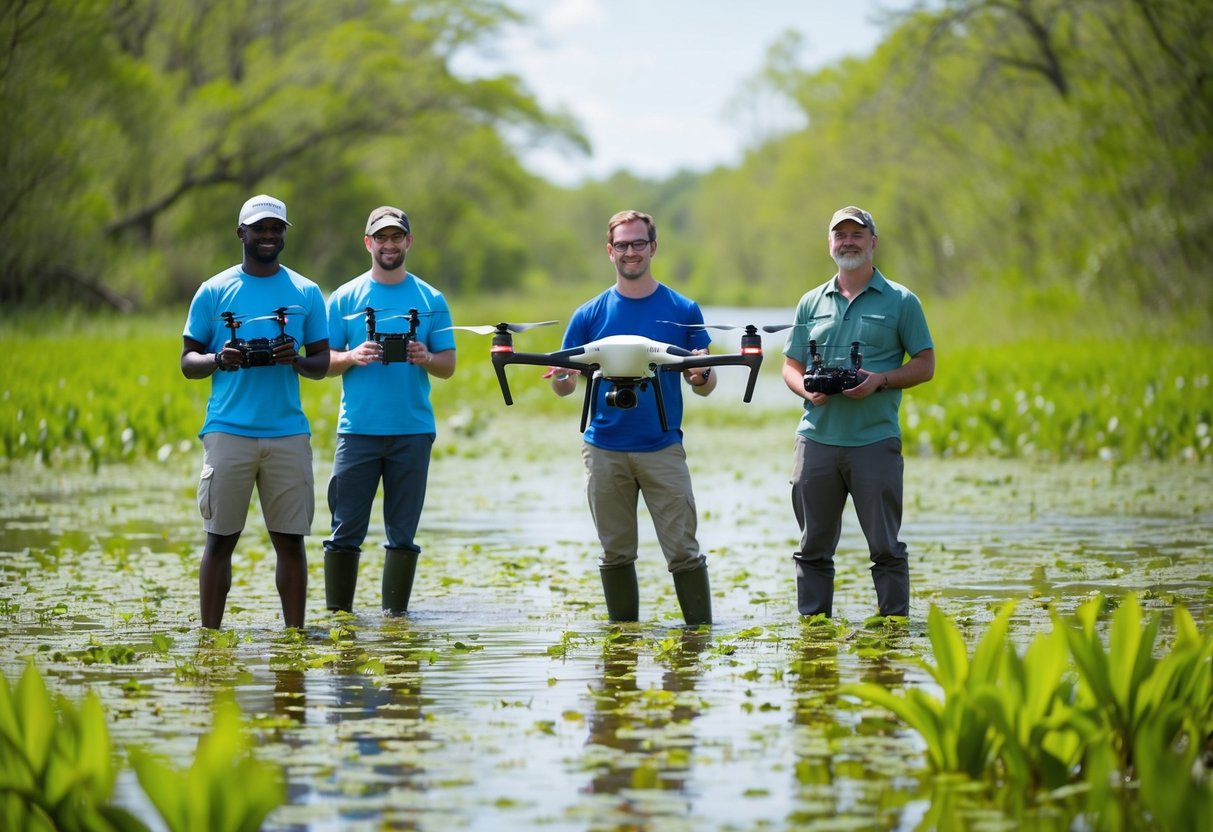
Tracking frog populations involves various methods, technologies, and challenges. Researchers use different approaches across habitats while dealing with environmental changes and engaging citizen scientists.
What methods are used for tracking frog population changes over time?
Scientists use several techniques to monitor frog populations.
They conduct visual and auditory surveys to count frogs and identify species. Mark-recapture studies help estimate population sizes.
Researchers also analyze environmental DNA from water samples to detect frog presence. Automated recording devices capture frog calls for later analysis.
What technologies have proven most effective for monitoring frog species diversity?
Acoustic monitoring devices are highly effective for tracking frog diversity. These devices record frog calls, allowing researchers to identify multiple species in an area.
PIT tags help track individual frogs over time. DNA analysis techniques provide detailed information on species and genetic diversity.
In which habitats are frog monitoring efforts most concentrated?
Frog monitoring efforts focus on wetlands, ponds, and streams. These aquatic environments are crucial for frog breeding and survival.
Researchers also study frogs in forests, grasslands, and urban areas. Monitoring covers a range of habitats to understand frog distribution and habitat preferences.
What challenges do researchers face when tracking frog populations in the wild?
Accessing remote habitats can be difficult for researchers. Frogs are often active at night, requiring specialized survey techniques.
Weather conditions affect frog activity and detectability. Some species are rare or elusive, making them hard to find and study.
How does climate change affect the accuracy and results of frog population tracking?
Climate change alters frog breeding patterns and habitat use. This can lead to changes in when and where frogs are found, affecting survey results.
Extreme weather events may disrupt monitoring efforts. Long-term data is crucial to distinguish climate-related changes from natural population fluctuations.
What role do citizen science projects play in the surveillance of frog populations globally?
Citizen science projects expand data collection over large areas. Volunteers help record frog calls and sightings. This increases the scope of monitoring efforts.
These projects raise awareness about frog conservation. They also provide valuable data on frog distribution and abundance across different regions.